{{ __('Your cart') }}0
0,00 $
0
items
0,00 $
Alcoholism, clinically known as Alcohol Use Disorder (AUD), is a chronic medical condition characterized by an inability to control alcohol consumption despite negative consequences. This disorder affects millions of Canadians across all demographics and socioeconomic backgrounds. Alcohol use disorder ranges from mild to severe, depending on the number of symptoms a person experiences. The condition involves the brain's reward system, where alcohol triggers the release of dopamine, creating a cycle of dependence and craving.
AUD develops over time as the brain's chemistry adapts to regular alcohol consumption. Individuals with alcoholism often experience withdrawal symptoms when they attempt to stop or reduce their drinking. These symptoms can include tremors, anxiety, sweating, and in severe cases, seizures. Understanding the nature of alcoholism as a medical condition rather than a moral failing is crucial for effective treatment and recovery. Many Canadians struggle with this disorder silently, not realizing that professional help and medications are available to support their recovery journey.
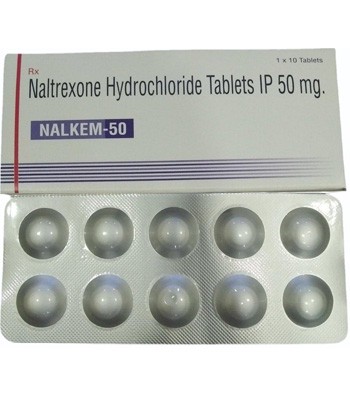
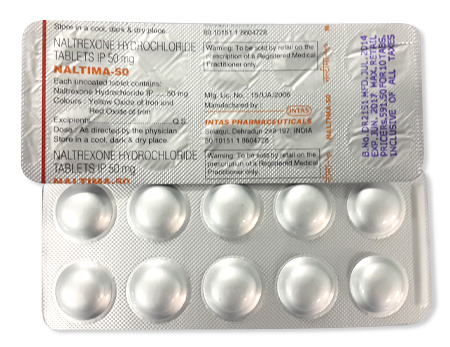
Naltrexone is one of the most commonly prescribed medications for alcohol use disorder in Canada. This medication works by blocking opioid receptors in the brain, reducing the rewarding effects of alcohol and decreasing cravings. Available in both oral and injectable forms, naltrexone helps prevent relapse by making drinking less pleasurable. The oral form is typically taken daily, while the extended-release injection is administered monthly. Patients taking naltrexone often report decreased desire to drink and improved ability to abstain. This medication is particularly effective for individuals who want to maintain abstinence or reduce their alcohol consumption significantly.
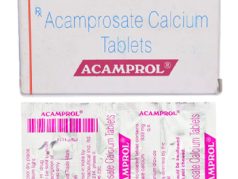
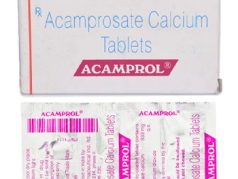
Acamprosate is another FDA-approved medication available in Canada for treating alcohol dependence. This medication stabilizes the neurochemical balance in the brain that has been disrupted by chronic alcohol use. Unlike naltrexone, acamprosate works by restoring the balance between excitatory and inhibitory neurotransmitters. It is particularly beneficial for patients who have already achieved abstinence and want to maintain it. Acamprosate has minimal side effects and does not interact significantly with other medications. The typical dosage involves taking tablets three times daily, making it a structured approach to managing cravings and preventing relapse.
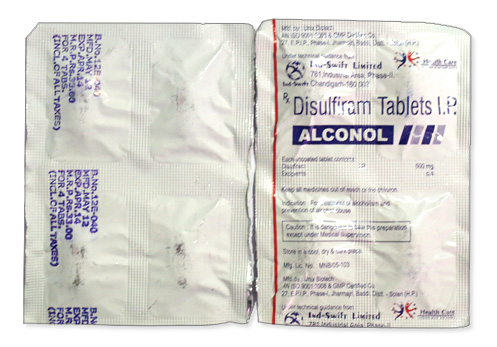
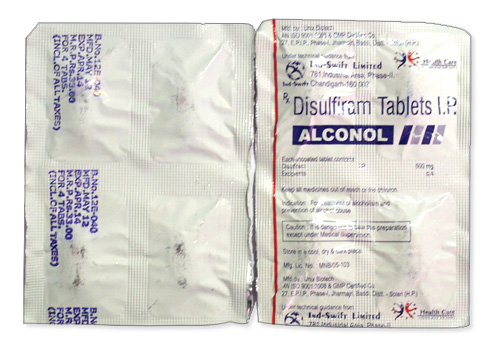
Disulfiram is a deterrent medication that creates an unpleasant reaction when alcohol is consumed. This medication inhibits the enzyme that breaks down alcohol, causing acetaldehyde to accumulate in the bloodstream. The resulting reaction includes flushing, nausea, vomiting, chest pain, and severe headaches, effectively discouraging alcohol consumption. Disulfiram is most effective for highly motivated individuals committed to abstinence. The medication creates a psychological barrier against drinking and requires informed consent from patients. In Canada, disulfiram remains a valuable option for selected patients with strong motivation to recover.
Comprehensive treatment for alcoholism in Canada typically begins with medical assessment and detoxification under professional supervision. Healthcare providers evaluate the severity of dependence and recommend appropriate medications tailored to individual needs. Benzodiazepines may be prescribed during the detoxification phase to manage withdrawal symptoms safely. Medical supervision ensures that patients are monitored for complications and receive appropriate support throughout the early recovery stages. Regular follow-up appointments allow healthcare providers to assess medication effectiveness and adjust treatment plans accordingly.
Cognitive Behavioral Therapy (CBT) and Motivational Interviewing are evidence-based psychological approaches used throughout Canada to treat alcoholism. These therapies help individuals identify triggers, develop coping strategies, and build motivation for recovery. Many Canadian pharmacies work alongside mental health professionals to provide coordinated care. Group therapy and support groups like Alcoholics Anonymous offer peer support and shared experiences that many find invaluable. Individual counselling addresses underlying issues such as depression, anxiety, or trauma that may contribute to alcohol misuse.
Residential rehabilitation programs across Canada offer comprehensive treatment combining medical management, therapy, and lifestyle changes. These programs typically last 28 to 90 days and provide structured environments conducive to recovery. Outpatient programs allow individuals to receive treatment while maintaining family and work commitments. Aftercare planning is essential for long-term success, including continued medication management, ongoing therapy, and community support group participation.
Common physical indicators of alcoholism include tremors, sweating, fatigue, and frequent infections due to weakened immune function. Individuals may experience sleep disturbances, appetite changes, and digestive problems. Chronic alcohol use can cause liver damage, high blood pressure, and cardiovascular issues. Weight changes, poor hygiene, and unkempt appearance often accompany advanced stages of the disorder. Memory lapses and cognitive difficulties are frequent concerns among people with severe alcohol dependence.
Behavioral changes include neglecting responsibilities at work, school, or home, and spending significant time obtaining or consuming alcohol. Individuals may withdraw from family and friends, abandon hobbies, and experience mood swings. Financial difficulties often arise from spending excessive money on alcohol. Relationship conflicts intensify as alcohol impacts judgment and communication. Emotional signs include depression, anxiety, irritability, and reduced motivation. Many individuals experience shame and guilt, often leading to secrecy about their drinking habits.
Prevention strategies for alcoholism involve limiting alcohol consumption and recognizing personal risk factors. Canadians are encouraged to follow low-risk drinking guidelines recommended by health authorities. Building strong social connections and engaging in meaningful activities help reduce vulnerability to alcohol misuse. Regular exercise improves mood and provides healthy stress relief. Adequate sleep and balanced nutrition support overall mental health and resilience.
Healthy lifestyle modifications that support recovery and prevention include:
Developing healthy stress management techniques is crucial for preventing relapse. Meditation, yoga, and deep breathing exercises help manage anxiety and cravings. Engaging in hobbies, creative pursuits, and physical activities provides positive outlets for emotions. Building a strong support network of family, friends, and healthcare professionals strengthens recovery foundations. Many Canadians find benefit in structured daily routines that minimize idle time and triggers.
Canadian healthcare providers, including family physicians, psychiatrists, and addiction specialists, are trained to diagnose and treat alcoholism. Many provincial health systems cover medication costs for approved treatments. Pharmacists play an important role in medication management, monitoring side effects, and encouraging adherence. Specialized addiction clinics across major Canadian cities provide comprehensive assessment and treatment planning.
Telehealth services have expanded access to addiction specialists throughout Canada, particularly in rural areas. Provincial governments offer free or subsidized counselling and rehabilitation services. Support organizations like Alcoholics Anonymous meetings occur regularly in communities nationwide. The Canadian Association of People with Addictions offers resources and peer support. Emergency services are available 24/7 for individuals experiencing withdrawal complications or mental health crises. Recovery is achievable with proper medical support, therapy, and community resources available throughout Canada.