{{ __('Your cart') }}0
0,00 $
0
items
0,00 $
Hair loss, medically known as alopecia, affects millions of people worldwide and can occur at any age. Understanding the underlying causes is essential for finding the right treatment. The most common type is androgenetic alopecia, also called male or female pattern baldness, which is inherited and accounts for the majority of hair loss cases. This condition is driven by genetics and the hormone DHT (dihydrotestosterone).
Other types of hair loss include telogen effluvium, a temporary condition triggered by stress, illness, or hormonal changes where hair enters the resting phase prematurely. Alopecia areata is an autoimmune disorder causing sudden hair loss in small patches. Trichotillomania involves compulsive hair pulling, while scarring alopecia results from inflammation or injury to the scalp.
Environmental factors, nutritional deficiencies, thyroid problems, and certain medications can also contribute to hair loss. Women may experience increased shedding during pregnancy, menopause, or while taking hormonal contraceptives. Identifying the specific cause of your hair loss is crucial before starting any treatment, as different conditions require different approaches for optimal results.
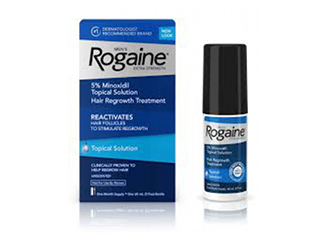
Canada offers several evidence-based pharmaceutical options for treating hair loss. Minoxidil is an over-the-counter topical treatment available under brand names like Rogaine that works by extending the growth phase of hair and increasing blood flow to hair follicles. It comes in various strengths and formulations, including foams and liquids, suitable for both men and women.
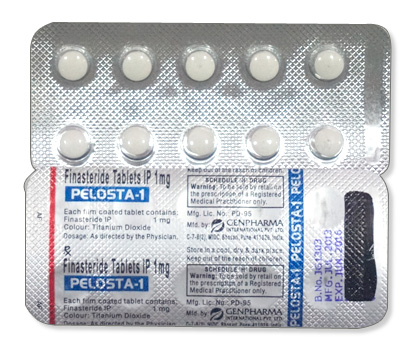
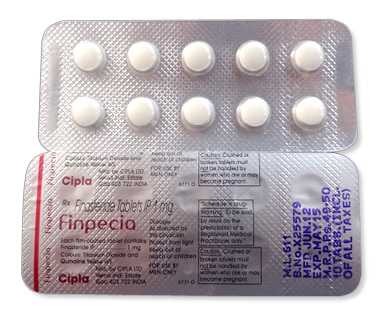
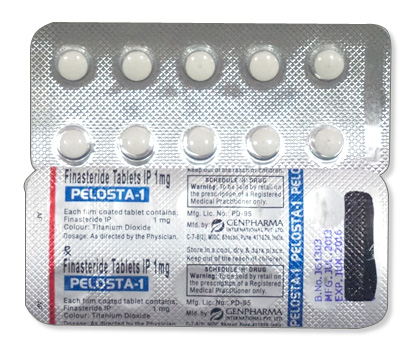
Finasteride, marketed as Propecia, is a prescription oral medication approved for male pattern baldness. It works by reducing DHT levels in the body, slowing hair loss and promoting regrowth in some men. Results typically appear after three to six months of consistent use.
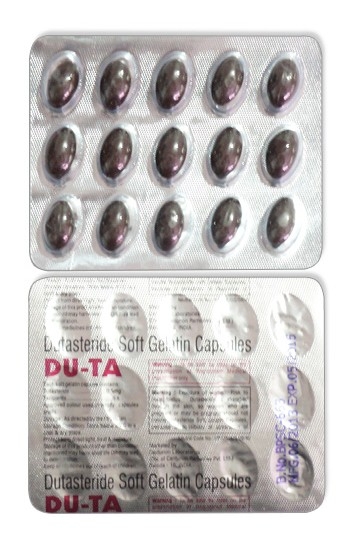
Dutasteride, sold as Avodart, is another prescription option that blocks DHT more effectively than finasteride. While originally developed for prostate conditions, it has shown promising results for hair loss treatment in Canada.
For women, spironolactone may be prescribed as an oral medication to address hormonal-related hair loss. Tretinoin, a topical retinoid, is sometimes combined with minoxidil to enhance effectiveness. Prescription shampoos containing ketoconazole help reduce inflammation and DHT on the scalp. Many of these medications require consultation with a healthcare provider and may take several months to show results. Consistency and patience are essential when using these treatments.
Beyond prescription options, Canada's pharmacy shelves offer numerous over-the-counter products designed to support hair health. Minoxidil remains the most clinically proven non-prescription treatment, available in different strengths and formats for convenient application.
Hair growth supplements containing biotin, saw palmetto, and marine collagen have become increasingly popular. Biotin, a B-vitamin, supports hair structure and strength. Saw palmetto is believed to block DHT naturally. These supplements work best when combined with a healthy diet rich in proteins, iron, zinc, and omega-3 fatty acids.
Over-the-counter hair loss solutions include:
While over-the-counter options are accessible without a prescription, consulting with a pharmacist can help you choose products best suited to your specific hair loss type and health profile.
For those seeking more aggressive interventions, several advanced options are available in Canada. Low-level laser therapy (LLLT) or red light therapy devices stimulate hair follicles at the cellular level, promoting growth and reducing shedding. These devices range from combs to full-coverage caps and can be used in the comfort of your home.
PRP (Platelet-Rich Plasma) therapy involves extracting and concentrating platelets from your own blood, then injecting them into the scalp. This treatment stimulates hair follicles and is becoming increasingly popular in Canadian clinics, though results vary among individuals.
Hair transplantation surgery remains the most permanent solution for significant hair loss. Techniques like FUE (Follicular Unit Extraction) and FUT (Follicular Unit Transplantation) have advanced significantly, providing natural-looking results. These procedures are available at specialized clinics across Canada.
Microneedling for the scalp creates micro-injuries that trigger the body's healing response, potentially stimulating hair growth. This treatment is often combined with topical medications for enhanced effectiveness. Stem cell therapy is an emerging treatment showing promise in clinical trials, though availability in Canada remains limited. These advanced options typically require consultation with dermatologists or hair specialists and may involve significant investment.
Many Canadians prefer exploring natural approaches to support hair health alongside or instead of pharmaceutical treatments. Essential oils like lavender, rosemary, and peppermint have traditionally been used to improve scalp circulation. While scientific evidence is limited, many people report positive results when these oils are diluted and massaged into the scalp.
Dietary modifications play a crucial role in hair health. Consuming adequate protein, iron, zinc, and vitamins B, C, D, and E supports hair growth. Foods like salmon, eggs, nuts, spinach, and sweet potatoes are particularly beneficial. Staying hydrated by drinking sufficient water daily also supports overall hair health.
Stress reduction techniques including meditation, yoga, and regular exercise can help manage telogen effluvium triggered by emotional stress. Quality sleep is essential, as hair growth occurs during rest periods. Scalp massage improves blood circulation to hair follicles. Spending five to ten minutes daily massaging your scalp with fingertips may enhance nutrient delivery to hair roots.
Avoiding harsh treatments protects existing hair. Limiting heat styling, chemical treatments, and tight hairstyles reduces unnecessary damage and shedding.
If you're experiencing unusual hair loss, it's important to seek professional guidance. Sudden or excessive shedding, bald patches, or hair loss accompanied by other symptoms warrants a medical evaluation. Your pharmacist or doctor can help identify the underlying cause and recommend the most appropriate treatment based on your specific condition, health history, and medications.
A healthcare provider can monitor your progress and adjust treatment as needed. Some hair loss conditions require urgent attention—for example, alopecia areata may benefit from early intervention. If you're considering multiple treatments, professional guidance ensures they won't interact negatively with each other or your existing medications. Pregnancy or nursing women should consult healthcare providers before starting any hair loss treatment.
Regular consultations help you track whether your chosen treatment is effective and allows for adjustments if needed. Building a partnership with your pharmacy team and healthcare providers ensures you receive personalized, safe, and effective hair loss management.