{{ __('Your cart') }}0
0,00 $
0
items
0,00 $
Arthritis is a common condition affecting millions of Canadians, characterized by inflammation in one or more joints. The two most prevalent types are osteoarthritis and rheumatoid arthritis. Osteoarthritis develops over time as protective cartilage wears down, typically affecting people as they age. Rheumatoid arthritis is an autoimmune condition where the body's immune system attacks joint linings, causing pain, swelling, and stiffness.
Other forms of arthritis include gout, lupus-related arthritis, and psoriatic arthritis. Understanding which type you have is essential for proper treatment and management. Risk factors that increase your likelihood of developing arthritis include age, family history, previous injuries, and lifestyle choices.
Symptoms commonly include joint pain, swelling, reduced range of motion, and morning stiffness. If you experience persistent joint discomfort, consulting your healthcare provider is important for accurate diagnosis and appropriate management strategies.
Non-prescription medications are often the first line of treatment for arthritis symptoms. These accessible options provide effective relief for many Canadians managing mild to moderate pain.
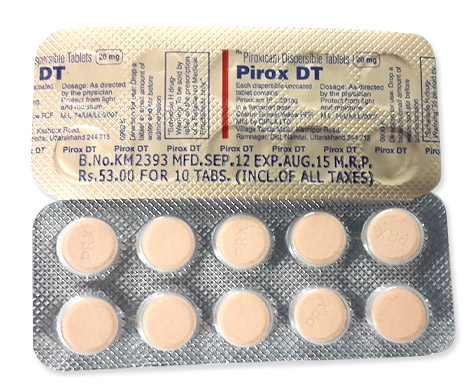
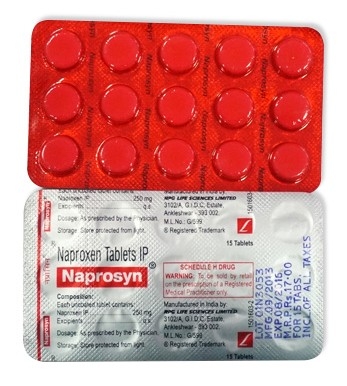
Common over-the-counter pain relievers include:
These medications work by reducing inflammation and blocking pain signals in the body. Many Canadians find combination approaches effective, alternating between different medication types as recommended by their pharmacist. Always follow package directions and consult pharmacists before combining medications to ensure safety. Over-the-counter options work best for mild to moderate symptoms and can be part of a comprehensive arthritis management plan alongside other therapies.
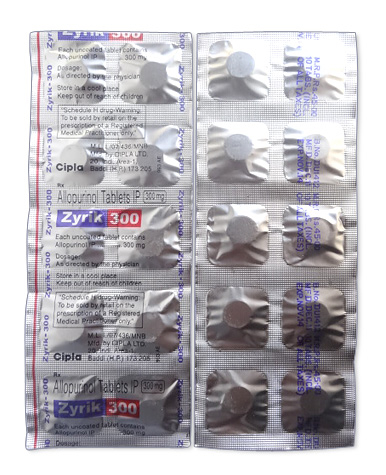
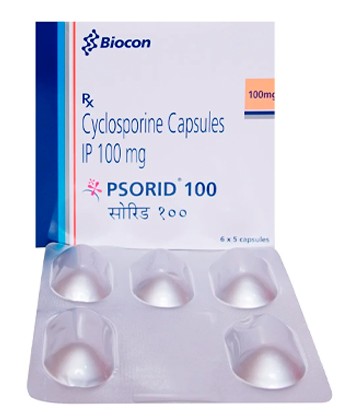
When over-the-counter options prove insufficient, prescription medications offer stronger relief and disease management. Your healthcare provider will determine which medications suit your specific condition, severity, and medical history.
Prescription treatment options include:
A rheumatologist specializes in determining the most appropriate medications for your situation. Regular monitoring ensures medications work effectively while minimizing adverse effects. Canadians should discuss all treatment options with their healthcare provider to develop personalized arthritis management plans. Prescription medications often provide significant symptom improvement and can help prevent joint damage progression, particularly important in rheumatoid arthritis cases.
Many Canadians complement medical treatments with natural approaches to enhance overall arthritis management. While considering supplements, it's important to discuss them with your pharmacist or doctor before starting, especially if taking prescription medications.
Popular natural remedies include:
While these supplements offer potential benefits, quality varies among products, and interactions with medications are possible. Your pharmacist can provide guidance on supplement selection and potential interactions with your current medications.
Beyond medications, lifestyle changes significantly impact arthritis management and symptom relief. Implementing these strategies often leads to improved quality of life and better symptom control.
Effective self-care approaches include regular physical activity that maintains joint flexibility, builds supporting muscles, and improves overall fitness. Low-impact exercises like swimming, walking, and yoga minimize joint stress while providing substantial benefits.
Temperature-based therapies play an important role in daily management. Heat therapy using warm baths or heating pads relaxes stiff muscles and improves circulation, particularly helpful in the morning. Cold therapy with ice packs reduces acute inflammation and swelling during flare-ups.
Weight management is crucial for arthritis sufferers, as maintaining a healthy weight decreases stress on weight-bearing joints like knees and hips. Anti-inflammatory diets rich in fruits, vegetables, and lean proteins support overall health and may reduce arthritis symptoms.
Mental and physical rest contribute significantly to symptom management. Stress management through meditation or relaxation techniques helps since stress can worsen arthritis symptoms. Adequate sleep allows the body to repair and reduces pain perception.
Professional guidance enhances self-care effectiveness. Occupational therapy teaches joint-protection techniques for daily activities, while physical therapy strengthens muscles supporting affected joints. Assistive devices like jar openers and ergonomic tools reduce joint strain during everyday tasks.
Recognizing when professional intervention is necessary helps prevent joint damage and improves long-term outcomes. Consult healthcare providers if arthritis symptoms persist beyond two weeks, worsen significantly, or affect your daily functioning.
Several healthcare professionals specialize in arthritis care. Rheumatologists specialize in arthritis diagnosis and treatment planning, while early intervention, especially for rheumatoid arthritis, can prevent permanent joint damage. Your family doctor provides referrals to specialists and coordinates care across your healthcare team.
Many Canadians benefit from physiotherapy to maintain mobility and strength, and occupational therapists help adapt environments and tasks to accommodate joint limitations. Pharmacists offer valuable guidance on medication interactions and supplement safety, making them an excellent resource for questions about your treatment plan.
Beyond individual healthcare providers, several resources support Canadians managing arthritis:
Regular follow-up appointments ensure treatments remain effective and allow adjustment as needed. Don't hesitate to ask healthcare providers questions about treatment options, expected outcomes, and side effects, as informed patients achieve better management results. Taking an active role in your arthritis management, combined with professional support and comprehensive strategies, leads to improved symptoms and enhanced quality of life.