{{ __('Your cart') }}0
0,00 $
0
items
0,00 $
Birth control is an essential part of reproductive health, allowing women to plan pregnancies and maintain control over their family planning decisions. Contraceptive options in Canada provide various methods to suit different lifestyles and health needs.
Oral contraceptives remain one of the most popular birth control methods in Canada. They work by preventing ovulation and are available in different formulations, including combined pills containing estrogen and progestin, as well as progestin-only pills. Common brands available in Canadian pharmacies include Yasmin, Yaz, Ortho 21, and Alysena. These medications are highly effective when taken consistently and offer additional benefits such as lighter periods and reduced cramping. Most oral contraceptives require a prescription and should be taken at the same time each day for maximum effectiveness.
Beyond pills, women have access to various contraceptive methods. The contraceptive patch releases hormones through the skin and is changed weekly. Vaginal rings like NuvaRing provide three weeks of continuous hormone release. Injectable contraceptives such as Depo-Provera offer protection for three months. Non-hormonal options include copper intrauterine devices (IUDs), barrier methods like condoms and diaphragms, and fertility awareness methods. Each option has different effectiveness rates, duration, and considerations, making it important to discuss options with a healthcare provider.
Selecting the right contraceptive depends on medical history, lifestyle, frequency of sexual activity, and personal preferences. Some women prefer daily pills for control, while others prefer long-acting methods that require less frequent attention. It's important to discuss any existing health conditions or medications with a pharmacist or doctor before starting contraception.
Managing menstrual health is crucial for overall wellbeing. Many women experience discomfort during their menstrual cycle, and several effective treatments are available across Canadian pharmacies.
Dysmenorrhea, commonly known as period cramps, affects many women. Over-the-counter pain relievers are effective first-line treatments. Ibuprofen (available under brand names like Advil and Motrin) and naproxen sodium (Aleve) are nonsteroidal anti-inflammatory drugs (NSAIDs) that reduce inflammation and pain. Acetaminophen (Tylenol) is another option for those who cannot take NSAIDs. Taking these medications at the first sign of cramping and continuing for the first day or two of menstruation provides optimal relief. Many women also find heating pads helpful alongside medication.
Some women experience abnormally heavy periods that can lead to anemia and significantly impact daily life. For those seeking non-hormonal solutions, tranexamic acid (Lysteda) is available by prescription and works by reducing blood clotting and fibrin breakdown. Hormonal birth control methods, including pills, patches, and IUDs, can also reduce menstrual flow. Prescription options like mefenamic acid work similarly to NSAIDs but are specifically designed for heavy periods.
PMS symptoms including mood changes, bloating, and fatigue affect many Canadian women. Treatment approaches range from lifestyle modifications like regular exercise and dietary changes to medications. NSAIDs help with physical symptoms, while selective serotonin reuptake inhibitors (SSRIs) like sertraline may be prescribed for emotional symptoms. Calcium and vitamin B6 supplements have shown promise in clinical studies for PMS relief.
Menopause is a natural transition that typically occurs between ages 45 and 55, bringing significant hormonal changes and various symptoms that can be effectively managed.
Common menopausal symptoms include hot flashes, night sweats, mood changes, sleep disturbances, and vaginal dryness. These symptoms occur as estrogen and progesterone levels decline. While menopause is not a medical condition requiring treatment, managing symptoms significantly improves quality of life during this transition period.
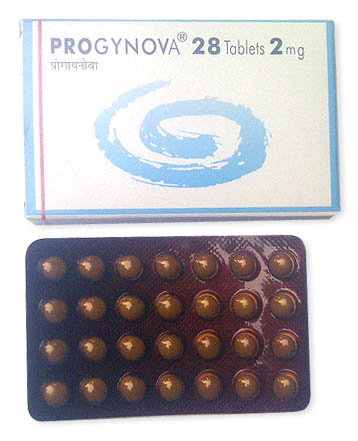
Hormone replacement therapy remains an effective option for moderate to severe menopausal symptoms in Canada. HRT replaces estrogen and progesterone that the body no longer produces sufficiently. Available forms include pills, patches, gels, and creams. Common Canadian brands include Estraderm patches and various oral formulations. HRT decisions should be individualized, considering personal and family medical history, as the therapy involves both benefits and risks that should be discussed with healthcare providers.
Many women prefer exploring non-hormonal options. Phytoestrogens found in soy products and supplements may provide mild symptom relief. Black cohosh, red clover, and evening primrose oil are popular herbal supplements available in Canadian pharmacies, though evidence for their effectiveness varies. Lifestyle modifications including regular exercise, adequate sleep, stress management, and avoiding triggers like caffeine and alcohol can significantly reduce symptom severity.
Vaginal dryness is common during menopause and can affect sexual comfort. Vaginal moisturizers provide daily hydration, while lubricants offer immediate relief during intercourse. Prescription options include estrogen creams and tablets designed specifically for vaginal tissue. These localized treatments provide relief without systemic hormone exposure.
Women face higher osteoporosis risk, particularly after menopause when estrogen levels decline. Strong bones are essential for maintaining mobility and independence throughout life.
Bone density naturally decreases with age, and women experience accelerated bone loss after menopause. Osteoporosis develops silently without symptoms until a fracture occurs. Risk factors include family history, inadequate calcium and vitamin D intake, sedentary lifestyle, and certain medications. Regular bone density screening is recommended for women over 50.
Adequate calcium intake is fundamental for bone health. Women aged 19–50 need 1000 mg daily, increasing to 1200 mg after age 50. Vitamin D, essential for calcium absorption, is often deficient in Canadians, especially during winter months. Health Canada recommends 1000–2000 IU daily for adults. Calcium supplements are available in various formulations including calcium carbonate and calcium citrate, while vitamin D supplements range from 1000 to 4000 IU per dose.
For women with diagnosed osteoporosis, bisphosphonates like alendronate (Fosamax) and risedronate (Actonel) are commonly prescribed. These medications slow bone loss and are taken weekly or monthly. Other prescription options include hormone-related therapy and denosumab injections. Regular monitoring through bone density tests helps determine treatment effectiveness.
Maintaining urinary and vaginal health is essential for comfort and preventing infections that commonly affect women.
UTIs are bacterial infections causing burning during urination, urgency, and pelvic discomfort. Common causative organisms include E. coli. Treatment typically involves prescription antibiotics like nitrofurantoin or trimethoprim-sulfamethoxazole. Cranberry supplements and d-mannose are popular preventive options available over-the-counter, though evidence for prevention varies. Drinking adequate water and urinating after intercourse remain important preventive measures.
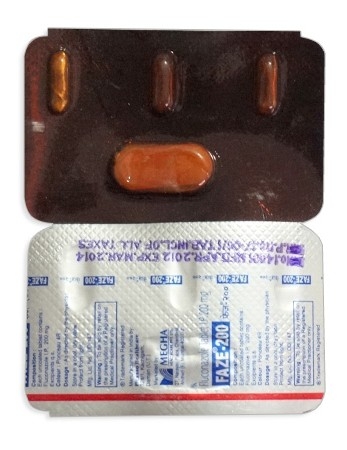
Yeast infections caused by Candida albicans are common and treatable with antifungal medications. Over-the-counter options include miconazole creams and clotrimazole suppositories available under brand names like Canesten. Single-dose prescription medications like fluconazole provide convenient treatment. Bacterial vaginosis requires prescription antibiotics like metronidazole. Maintaining proper hygiene and avoiding douches helps prevent infections.
Various products support vaginal health and comfort. Vaginal moisturizers like Hyalo Gyn provide daily hydration for general vaginal dryness. Feminine washes designed for external use help maintain natural pH balance. Probiotics containing lactobacillus strains may support healthy vaginal flora, though evidence remains mixed.
Breast health is an important aspect of women's wellbeing, encompassing both prevention and management of common concerns.
Regular breast self-examination and clinical breast exams help detect changes early. Mammography screening is recommended for women starting at age 40–50, depending on provincial guidelines. Early detection significantly improves treatment outcomes for breast cancer. Women should report any lumps, discharge, or skin changes to healthcare providers promptly.
Breast tenderness often occurs during menstrual cycles due to hormonal fluctuations. Over-the-counter pain relievers like ibuprofen and acetaminophen provide relief. Properly fitting supportive bras reduce discomfort. Many women benefit from various wellness approaches:
For persistent or severe tenderness, healthcare providers may recommend additional evaluation to rule out underlying concerns.
Various supplements marketed for breast health contain ingredients like evening primrose oil, vitamin E, and phytoestrogens. While these products are widely available in Canadian pharmacies, evidence for their effectiveness in preventing breast disease remains limited. Women interested in supplements should discuss options with healthcare providers or pharmacists to ensure safety and appropriateness for their individual situations.