{{ __('Your cart') }}0
0,00 $
0
items
0,00 $
Parasitic infections are caused by organisms such as worms, protozoa, and other parasites that live in or on the human body and feed off nutrients or blood. These infections are more common than many people realize and can affect individuals of all ages across Canada. Parasites can enter the body through contaminated food, water, insect bites, or direct contact with infected individuals or animals.
Common symptoms of parasitic infections include digestive issues, unexplained weight loss, fatigue, skin irritation, and itching. Some infections may cause more severe symptoms depending on the type of parasite and the duration of infection. Early detection and treatment with antiparasitic medications are essential to prevent complications and eliminate the infection completely. Many parasitic infections can be asymptomatic initially, making regular health check-ups important for those at risk.
Parasitic infections can affect various parts of the body including the intestines, blood, tissues, and skin. The severity and treatment duration depend on the specific type of parasite and the individual's overall health. Understanding the nature of parasitic infections helps patients appreciate the importance of proper medication and prevention strategies.
Intestinal worm infections are among the most common parasitic conditions treated by Canadian healthcare providers. Roundworms, hookworms, and tapeworms are the primary types affecting Canadians. These parasites primarily inhabit the digestive system and can cause malnutrition, anemia, and gastrointestinal distress. Infections are typically acquired through contaminated food or water.
Protozoal infections involve single-celled parasites such as Giardia and Cryptosporidium, which commonly cause traveller's diarrhea. These infections are particularly prevalent among individuals who have recently travelled to areas with poor sanitation. Symptoms typically include severe diarrhea, cramping, and nausea.
Skin parasites including scabies and lice are contagious conditions that require both topical and oral antiparasitic treatments. These conditions spread easily in schools, healthcare facilities, and household settings. Prompt treatment prevents transmission to family members and close contacts.
Blood parasites such as those causing malaria are less common in Canada but remain a concern for travellers returning from endemic regions. These infections require immediate medical attention and specialized antiparasitic therapy.
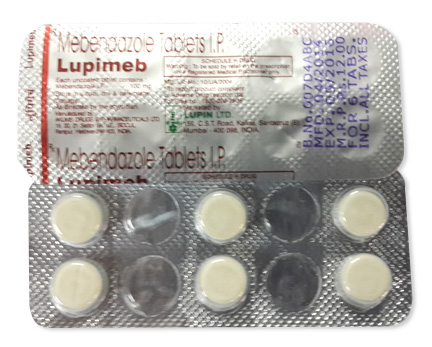
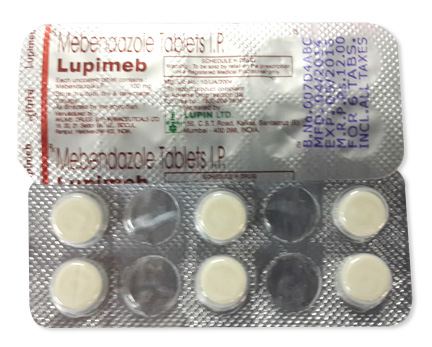
Mebendazole is a widely prescribed medication for treating intestinal worm infections including roundworms, hookworms, and pinworms. Available under brand names like Vermox, this medication is available as tablets and is effective for both children and adults. Mebendazole works by preventing parasites from absorbing glucose, causing their death and elimination from the body.
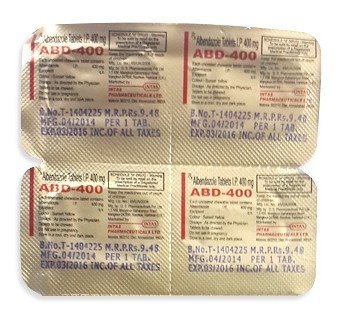
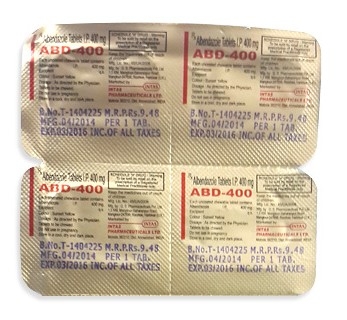
Albendazole is another popular antiparasitic used for various helminth infections. Marketed in Canada under brands such as Zentel, it provides broad-spectrum activity against multiple parasites. This medication is particularly effective for tapeworm and roundworm infections and may require multiple doses for complete elimination.
Metronidazole is prescribed for protozoal infections, especially Giardia and other intestinal protozoa. Available as Flagyl and generic alternatives, this antibiotic works by damaging the DNA of parasites. It's available in tablet and liquid formulations suitable for different age groups.
Ivermectin treats various parasitic infections including scabies and certain roundworm infections. This medication has gained attention for its broad antiparasitic properties and is available through Canadian pharmacies with a prescription. Ivermectin is particularly effective for external parasites and certain systemic infections.
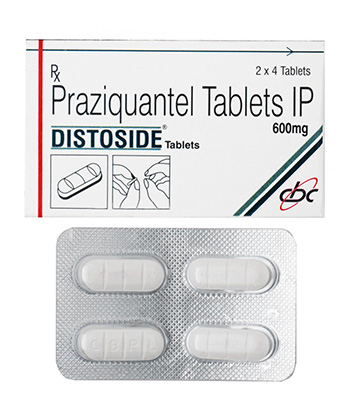
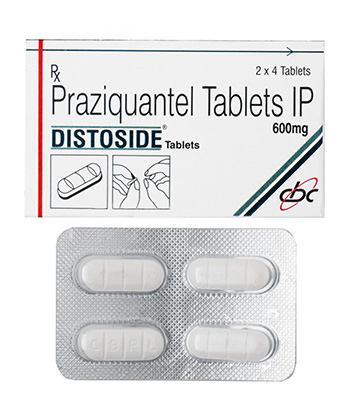
Praziquantel is used specifically for tapeworm and fluke infections. This medication causes paralysis of the parasites, leading to their elimination. It's available in tablet form and is particularly useful for complex parasitic infections.
Preventing parasitic infections involves maintaining proper hygiene and food safety practices. Washing hands thoroughly before eating and after using the bathroom significantly reduces transmission risk. Ensuring food is cooked to appropriate temperatures kills parasites that may be present in meat and fish.
Travellers to areas with high parasitic infection rates should take preventive measures including drinking bottled water, avoiding raw vegetables unless personally washed, and wearing protective clothing in areas with insect vectors. Consulting with a travel medicine specialist before international travel is recommended for those visiting high-risk regions.
Pet owners should ensure their animals receive regular antiparasitic treatments, as pets can transmit parasites to humans. Regular veterinary care and maintaining clean living environments reduce household transmission risks. Children should be taught proper hygiene practices to minimize their exposure to parasitic infections. Key prevention strategies include:
Swimming in contaminated water sources poses significant infection risks, particularly for giardiasis and cryptosporidiosis. Beach and pool facilities should maintain proper sanitation standards. Individuals with compromised immune systems face higher risks of severe parasitic infections and should take extra precautions.
Parasitic infections are diagnosed through various methods including stool samples, blood tests, and skin examinations depending on the suspected parasite type. Multiple stool samples may be required for accurate diagnosis as parasite shedding can be intermittent. Your healthcare provider will determine the appropriate diagnostic approach based on your symptoms.
Treatment duration varies significantly depending on the parasite type and infection severity. Some infections resolve with single-dose medications, while others require week-long courses or multiple treatment cycles. Following the complete prescribed course is essential even if symptoms resolve earlier, as incomplete treatment can allow parasites to persist.
After completing antiparasitic treatment, follow-up testing may be recommended to confirm complete elimination. Some individuals experience mild side effects during treatment, which typically resolve as the medication eliminates the parasites. Reporting any concerning symptoms to your healthcare provider ensures appropriate management.
Severe or complicated infections may require hospitalization and specialized treatment protocols. Individuals with liver or kidney conditions may need dose adjustments or alternative antiparasitic options. Regular communication with healthcare providers throughout treatment ensures optimal outcomes.
Contact your healthcare provider if you experience persistent digestive symptoms, unexplained weight loss, or unusual skin conditions. Symptoms lasting more than a few weeks warrant professional evaluation even if you suspect they're minor. Early diagnosis and treatment prevent complications and reduce transmission risks.
Seek immediate medical attention if you experience severe abdominal pain, persistent vomiting, signs of anemia, or neurological symptoms. Certain parasitic infections can cause serious complications if left untreated. Pregnant women, young children, and immunocompromised individuals require prompt evaluation and specialized care.
If you've recently travelled to areas with endemic parasitic infections and develop symptoms weeks or months later, inform your healthcare provider about your travel history. Some parasitic infections have long incubation periods, and knowing your exposure history aids diagnosis. Keep records of your travel destinations and dates for reference.
Canadian pharmacists are valuable resources for medication information, proper usage instructions, and prevention advice. They can answer questions about potential side effects, drug interactions, and whether antiparasitic medications are appropriate for your situation. Don't hesitate to consult pharmacy professionals about parasitic infection concerns.