{{ __('Your cart') }}0
0,00 $
0
items
0,00 $
Motion sickness is a common condition that occurs when there's a disconnect between the motion your eyes perceive and the motion your body feels. This sensory conflict sends confusing signals to your brain, triggering a cascade of uncomfortable symptoms. Whether you're traveling by car, plane, boat, or train, motion sickness can affect anyone, though some people are more susceptible than others.
The vestibular system in your inner ear works with your eyes and muscles to maintain balance and spatial awareness. When these systems receive conflicting information—such as when you're sitting still inside a moving vehicle but your inner ear detects motion—your brain struggles to process the contradiction. This confusion leads to the telltale symptoms of motion sickness: nausea, dizziness, sweating, and sometimes vomiting.
Children between ages two and twelve tend to experience motion sickness more frequently than adults, though it can happen to people of any age. Pregnant women, people prone to migraines, and those with certain inner ear disorders also have higher susceptibility. Understanding what triggers your motion sickness is the first step toward managing it effectively.
Recognizing the early signs of motion sickness allows you to take preventive action before symptoms worsen. Initial symptoms often include general uneasiness, dizziness, and difficulty focusing. Many people then experience nausea, which may progress to vomiting if left untreated. Some individuals also report headaches, fatigue, and a cold sweat during a motion sickness episode.
The severity of symptoms varies greatly between individuals and situations. A bumpy car ride might barely bother one person while causing significant distress to another. Similarly, traveling by boat often triggers more severe symptoms than traveling by plane, depending on individual sensitivity.
Most motion sickness symptoms resolve quickly once the triggering motion stops. However, the discomfort while experiencing motion sickness can significantly impact your travel experience and quality of life. This is why many Canadians turn to motion sickness medications to prevent symptoms before they start. Identifying your personal triggers—whether it's reading in a moving vehicle, sitting in the back seat, or turbulent flights—helps you decide when medication is necessary.
Before reaching for medication, many people find success with practical prevention strategies. Positioning yourself strategically during travel can make a significant difference. When driving, sit in the front seat where you can see the road ahead. On boats, stay on deck and focus on the horizon. On planes, choose seats over the wings where motion is less noticeable.
Keeping your eyes fixed on a stable point reduces the sensory conflict that triggers motion sickness. Avoid reading, using your phone, or watching movies during travel, as these activities can worsen symptoms. Instead, look out the window or focus on distant objects. Proper ventilation also helps—ensuring fresh air circulation can alleviate nausea.
Dietary choices matter too. Eat light meals before traveling rather than heavy foods that might upset your stomach. Ginger supplements and peppermint tea are traditional remedies that some travelers find effective, though research results vary. Staying hydrated throughout your journey supports overall wellness and may help minimize symptoms.
Acupressure bands, which apply pressure to a specific point on the wrist, offer a non-pharmacological option that some Canadians prefer. These bands are available without prescription and work by stimulating the P6 pressure point associated with nausea relief in traditional Chinese medicine. While evidence is mixed, many users report positive results.
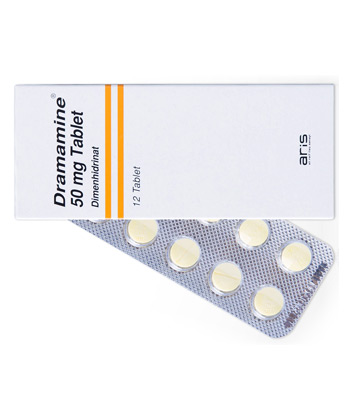
Canada's pharmacy shelves offer several effective over-the-counter options for motion sickness relief. Dimenhydrinate is one of the most popular choices and is available under brand names like Gravol. This antihistamine works by blocking signals in the brain that trigger nausea and vomiting. Most people find that taking Gravol thirty minutes to an hour before travel provides several hours of protection.
Meclizine is another antihistamine option available in Canada, though it's less commonly seen than dimenhydrinate. It works similarly to dimenhydrinate and also requires dosing before travel begins. Both medications cause drowsiness in some people, which some travelers appreciate as a side effect during long journeys.
Several effective over-the-counter options are available to Canadian travelers:
Ginger-based products are available as natural alternatives in Canadian pharmacies. Products containing standardized ginger extract offer a gentler option for those preferring natural remedies. While scientific evidence supporting ginger is less robust than for pharmaceutical antihistamines, many Canadians report satisfaction with these products.
Scopolamine patches represent a more advanced option available through Canadian pharmacies. While technically a prescription medication, it's sometimes available over-the-counter and provides continuous protection for up to three days. These patches are particularly popular for cruise travelers and those undertaking extended journeys.
Most over-the-counter motion sickness medications in Canada are affordable, typically ranging from ten to twenty dollars. Gravol remains the most recognizable brand and is widely available at drugstores, supermarkets, and online retailers across the country.
For individuals with severe motion sickness that doesn't respond to over-the-counter treatments, prescription options provide stronger relief. Your Canadian healthcare provider can prescribe stronger antihistamines or other medications specifically formulated for motion sickness management.
Promethazine is a prescription antihistamine that many doctors recommend for severe cases. It offers longer-lasting effects than dimenhydrinate and may be particularly useful for people undertaking extended travel. Like other antihistamines, it can cause drowsiness, which healthcare providers consider when making recommendations.
Ondansetron, traditionally used for post-operative nausea, can be prescribed off-label for motion sickness in certain situations. This medication works through different mechanisms than antihistamines and may be suitable for people who don't respond well to or tolerate other options.
Prescription scopolamine patches provide consistent medication delivery and are often recommended for cruise vacations or situations where continuous protection is needed. These patches must be applied at least four hours before travel for optimal effectiveness.
Anyone experiencing severe motion sickness should consult with their Canadian healthcare provider or pharmacist to determine the most appropriate treatment. Your personal medical history, current medications, and specific travel plans all factor into medication recommendations.
Selecting the best motion sickness treatment depends on multiple personal factors. Consider the length of your journey, your personal susceptibility to motion sickness, and any previous experiences with motion sickness medications. What works wonderfully for one person might not be effective for another due to individual differences in metabolism and sensitivity.
For short car trips, prevention strategies alone might suffice. For flights, many Canadian travelers find a single over-the-counter dose of Gravol taken before boarding provides sufficient relief. For extended boat trips or cruises, prescription options or continuous-release patches might offer better protection.
Your age, overall health, and any current medications influence which options are most appropriate for you. Pregnant women, elderly individuals, and people with certain health conditions require special consideration. Always consult your pharmacist or doctor before starting any motion sickness medication, even over-the-counter options.
Cost considerations also matter. Over-the-counter medications are generally more affordable than prescription options, though they might be less effective for severe cases. Many Canadians find the modest cost of Gravol a worthwhile investment in travel comfort.
Starting with gentler approaches—positioning, focus techniques, and ginger products—makes sense for mild cases. If these don't provide adequate relief, over-the-counter antihistamines represent the next logical step. Only move to prescription options if necessary. Planning ahead and testing medications before important trips ensures you're prepared for comfortable travel throughout Canada and beyond.