{{ __('Your cart') }}0
0,00 $
0
items
0,00 $
Asthma is a chronic respiratory condition that affects the airways in your lungs, making it difficult to breathe. The condition causes inflammation and narrowing of the air passages, which can lead to coughing, wheezing, shortness of breath, and chest tightness. These symptoms can range from mild to severe and may occur occasionally or frequently depending on the individual.
The exact cause of asthma isn't fully understood, but it typically develops due to a combination of genetic and environmental factors. Common triggers include allergens like pollen, dust mites, and pet dander, as well as respiratory infections, exercise, cold air, and stress. Some people develop asthma in childhood, while others experience their first symptoms as adults.
When you have asthma, the muscles around your airways tighten, the lining swells, and sticky mucus forms inside the tubes. This reduces airflow and causes the characteristic wheezing and difficulty breathing. Understanding these mechanisms helps you recognize when you need medication and when to seek medical attention.
Identifying your personal triggers is essential for managing asthma effectively. Keep track of when symptoms occur to help your pharmacist and doctor understand what environmental or lifestyle factors affect your condition.
Canada's pharmaceutical market offers several categories of asthma medications, each serving a different purpose in your treatment plan. Your healthcare provider will recommend specific medications based on the severity and frequency of your symptoms.
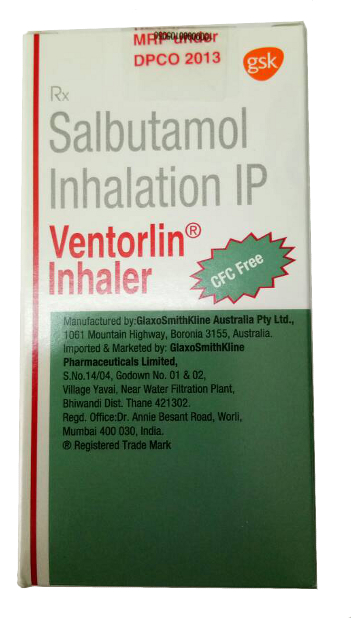
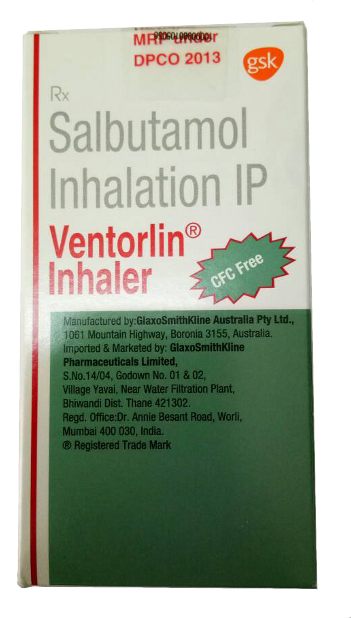
Reliever inhalers, also called rescue or short-acting beta-2 agonists, provide quick relief during an asthma attack. Salbutamol is the most commonly prescribed reliever in Canada and works within minutes to open your airways. Albuterol is another name for this medication that you might encounter. These medications should always be kept with you, especially if you have frequent symptoms.
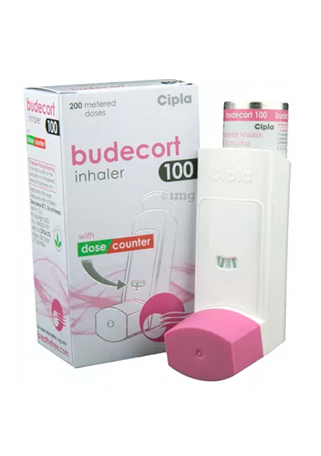
Preventer inhalers contain corticosteroids and are used daily to reduce inflammation and prevent symptoms. Common preventer medications available in Canada include fluticasone, beclomethasone, and budesonide. These work by calming the inflammation in your airways over time, reducing how often you need your reliever inhaler.
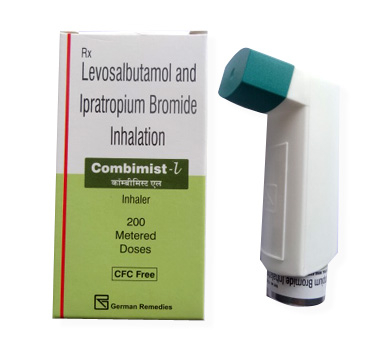
Some patients benefit from combination inhalers that contain both a corticosteroid and a long-acting beta-2 agonist. These medications, such as those combining fluticasone with salmeterol, provide both prevention and longer-lasting relief. They're typically used by people with moderate to severe asthma.
Leukotriene modifiers like montelukast are oral medications that help control asthma symptoms and are particularly useful if you also have allergies. Long-acting bronchodilators provide extended relief, while biologics target specific immune pathways in severe asthma cases.
Using your inhaler correctly is crucial for effective asthma management. Many people don't use their inhalers properly, which reduces medication effectiveness and may lead to inadequate symptom control.
The traditional metered dose inhaler or MDI is the most common type in Canada. These require coordination between pressing the canister and breathing in the medication. Your pharmacist can demonstrate the proper technique: shake the inhaler, exhale fully, place your lips around the mouthpiece, press while inhaling slowly and deeply, hold your breath for ten seconds, and then exhale.
Dry powder inhalers require you to breathe in quickly and deeply to draw the powder into your lungs. These devices work best for people who can generate enough breathing force and are generally not recommended for young children or during acute asthma attacks when breathing is difficult.
Spacers are devices that attach to your metered dose inhaler and make medication delivery more effective. They give you more time to coordinate your breathing with the medication release, making them especially helpful for children and elderly patients. Most Canadian pharmacies have spacers available.
Nebulizers convert liquid medication into a fine mist that you breathe in through a mask or mouthpiece. These devices are often used for young children, elderly patients, or during severe asthma attacks when other delivery methods aren't effective.
An asthma action plan is a written guide that helps you manage your condition day-to-day and know what to do if symptoms worsen. Your pharmacist and doctor can help you develop a plan tailored to your specific needs.
A comprehensive asthma action plan typically uses a traffic light system to help you understand your current status and appropriate response:
Keep a record of when you use your reliever inhaler. If you're using it more than twice weekly, your preventer medication may need adjustment. Share this information with your pharmacist during regular check-ups.
Successfully managing asthma involves more than just taking medication. Lifestyle modifications and environmental controls significantly impact your condition.
Keep a symptom diary noting when symptoms occur and what you were doing. Common triggers include exercise, cold air, strong odours, air pollution, and emotional stress. Once identified, you can plan your day accordingly or use preventive measures like taking medication before exercise.
Use air filters in your home, vacuum regularly with HEPA filters, and wash bedding in hot water weekly to reduce dust mites. If you have pets, keep them out of your bedroom and bathe them regularly. During high pollen season, keep windows closed and check pollen counts before outdoor activities.
Asthma shouldn't prevent you from exercising. Many athletes manage asthma successfully with proper medication and technique. Warm up gradually, use your reliever inhaler before exercise if recommended, and gradually increase activity levels.
Emotional stress can trigger or worsen asthma symptoms. Practice relaxation techniques like deep breathing, yoga, or meditation. Regular physical activity also helps reduce stress while improving overall fitness.
Your pharmacist is an essential partner in asthma management and can provide valuable support beyond dispensing medication.
Schedule regular appointments with your pharmacist to review your asthma control, discuss any concerns, and ensure you're using your inhaler correctly. Most Canadian pharmacies offer free medication management consultations. Your pharmacist can also screen for potential drug interactions if you're taking other medications.
Don't wait until your reliever inhaler is empty to refill it. Running out of medication during an emergency can be dangerous. Set reminders for preventer medication refills and discuss with your pharmacist how long your medications typically last.
Your pharmacist can explain how each medication works, potential side effects, and how to minimize them. They can also discuss whether generic versions of your medications are available, which can help reduce costs while maintaining effectiveness.
Ensure you always have an accessible reliever inhaler and know your action plan. Keep your emergency contact information updated and inform friends and family about your asthma management plan so they can assist if needed.