{{ __('Your cart') }}0
0,00 $
0
items
0,00 $
Birth control, also known as contraception, refers to methods and devices used to prevent pregnancy. There are many different types of birth control available in Canada, each with varying effectiveness rates and benefits. Understanding your options is important to find the method that works best for your lifestyle and health needs.
The effectiveness of birth control depends on how consistently and correctly you use it. Some methods are over 99% effective, while others require proper use to maintain their effectiveness. It's recommended to discuss your options with a healthcare provider to determine which method is right for you.
Birth control methods can be temporary or permanent, hormonal or non-hormonal. Some provide protection against sexually transmitted infections, while others do not. Many Canadian women use birth control for reasons beyond preventing pregnancy, including regulating menstrual cycles and reducing menstrual pain.
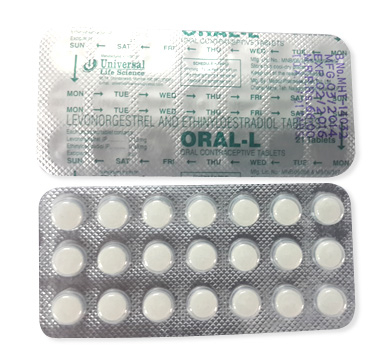
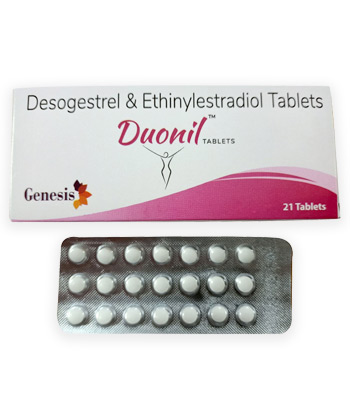
Oral contraceptive pills are among the most popular forms of birth control in Canada. These pills contain hormones that prevent ovulation, making pregnancy unlikely. There are two main types: combination pills that contain estrogen and progestin, and progestin-only pills, commonly called the mini-pill.
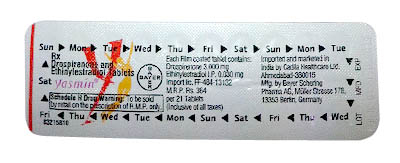
Combination birth control pills available in Canada include brands such as Yasmin, Ortho 7/7/7, Levora, and Alesse. These pills are typically taken daily and come in 21-day or 28-day packs. The 28-day packs include reminder pills that don't contain active ingredients. When taken correctly, combination pills are about 91-99% effective.
The progestin-only pill, or mini-pill, is another option available in Canada. Brands like Micronor and Norgeston contain only progestin and are taken daily without a break. This option may be suitable for women who cannot take estrogen or are breastfeeding. The mini-pill is approximately 91-99% effective when taken consistently.
Birth control pills may offer additional benefits beyond pregnancy prevention. Many women experience lighter, shorter periods and less menstrual cramping. Some pills are specifically formulated to reduce acne or decrease androgen-related symptoms. Common side effects may include nausea, breast tenderness, or headaches, though these often subside after a few months.
Long-acting reversible contraceptives (LARCs) are highly effective birth control methods that require minimal maintenance. These include intrauterine devices (IUDs) and implants, which can prevent pregnancy for several years.
Intrauterine devices are small, T-shaped devices inserted into the uterus by a healthcare provider. In Canada, hormonal IUDs like Mirena, Kyleena, and Skyla are available. These release progestin directly into the uterus, preventing pregnancy with over 99% effectiveness. Copper IUDs like Paragard are also available and prevent pregnancy without hormones. IUDs can last between 3 to 7 years depending on the type.
Subdermal implants are another LARC option available in Canada. The implant, marketed as Nexplanon, is a small plastic rod inserted under the skin of the upper arm. It releases progestin and provides pregnancy prevention for up to 3 years with over 99% effectiveness. The implant can be removed at any time, and fertility typically returns quickly.
LARCs are ideal for women seeking set-and-forget contraception. There's no daily pill to remember, making them highly effective in real-world use. These methods are reversible, meaning you can have them removed if you decide to become pregnant. LARCs are also safe for most women, including those who cannot take estrogen.
Barrier methods prevent sperm from reaching the egg and include condoms, diaphragms, and cervical caps. These methods are available over-the-counter in Canada without a prescription. Male condoms are the most commonly used barrier method and are 85-98% effective depending on proper use.
Female condoms are also available in Canada and offer protection for both the wearer and partner. They're made of nitrile or latex and are inserted into the vagina before intercourse. Female condoms can be used with spermicide for increased effectiveness. These methods are 79-95% effective.
Diaphragms and cervical caps are barrier methods that must be fitted by a healthcare provider. These devices are placed over the cervix and used with spermicide to prevent sperm from entering the uterus. They must be inserted before intercourse and left in place for at least six hours afterward. These methods are 88-96% effective with proper use and spermicide.
Emergency contraception is available in Canada for use after unprotected intercourse. Levonorgestrel-based emergency contraceptive pills like Plan B One-Step are available over-the-counter at pharmacies. These are most effective when taken within 72 hours of unprotected intercourse but can be used up to 120 hours. Prescription emergency contraception options like ulipristal acetate offer extended effectiveness and may be more effective for heavier women.
Beyond pills and IUDs, several alternative delivery methods provide hormonal birth control for women seeking different approaches to contraception.
The contraceptive patch, available in Canada, releases hormones through the skin and is changed weekly for three weeks, with one week off for menstruation. It's approximately 91-99% effective. The vaginal ring, marketed as NuvaRing in Canada, is inserted into the vagina and releases estrogen and progestin. The ring remains in place for three weeks and is then removed for one week. It's approximately 91-99% effective and doesn't require daily attention like pills.
The contraceptive injection, commonly known as Depo-Provera in Canada, is given every three months. This shot contains progestin and prevents pregnancy with over 99% effectiveness. It's a good option for women who prefer not to use daily or weekly methods. Some women experience weight gain or irregular bleeding patterns with this method.
Fertility awareness methods involve tracking ovulation patterns to determine fertile days. While natural and hormone-free, these methods require careful tracking and have lower effectiveness rates of 76-88%. They work best for women with regular cycles and strong commitment to the method.
Selecting the right birth control method depends on several factors including your health history, lifestyle, and personal preferences. Some methods are more suitable for women with certain medical conditions, while others offer additional health benefits. It's essential to discuss your medical history with a healthcare provider before starting any birth control method.
Effectiveness is an important consideration when choosing birth control. While some methods are inherently more effective, real-world effectiveness often depends on consistent and correct use. Long-acting methods like IUDs and implants eliminate the possibility of user error, making them among the most effective options available.
Cost and accessibility are practical considerations in Canada. Many birth control methods are covered by provincial health plans or private insurance, though coverage varies. Your pharmacist can help you understand your options and any costs involved. Some methods require a prescription from a doctor or nurse practitioner, while others are available over-the-counter.
Side effects and personal comfort should guide your decision. While many women tolerate birth control well, others may experience side effects that require trying a different method. It typically takes two to three months to assess how your body responds to a new birth control method. Communication with your healthcare provider ensures you find the best option for your needs and can make informed decisions about your reproductive health.