{{ __('Your cart') }}0
0,00 $
0
items
0,00 $
Cholesterol is a waxy substance found in your blood that your body needs to build healthy cells and produce hormones. However, when cholesterol levels become too high, it can lead to serious health complications including heart disease, stroke, and other cardiovascular conditions. There are two main types of cholesterol: LDL (low-density lipoprotein), often called "bad cholesterol," and HDL (high-density lipoprotein), known as "good cholesterol." Your body also processes triglycerides, another type of fat in the blood that contributes to overall cardiovascular health.
Understanding the difference between these types is crucial for managing your health effectively. Many Canadians have elevated cholesterol levels without even realizing it, which is why regular blood tests are recommended. Your doctor can help you understand your cholesterol numbers and determine if medication is necessary to reduce your risk of heart attack or stroke.
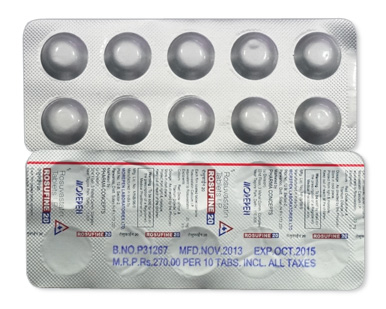
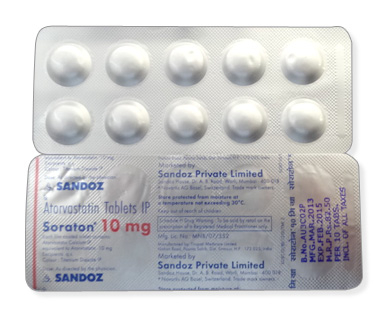
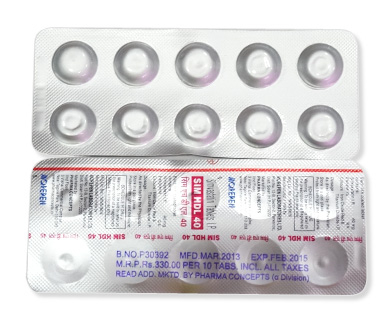
Several types of medications are available to help manage cholesterol levels in Canada. Statins are the most commonly prescribed class of cholesterol-lowering drugs and work by reducing the amount of cholesterol your liver produces. Popular statin options include Atorvastatin, Simvastatin, Rosuvastatin, and Pravastatin, which are available in various strengths to suit individual needs.
Beyond statins, your healthcare provider may recommend other medication classes:
Your pharmacist can explain how each medication works and help you understand which option your doctor has prescribed.
While medication plays an important role in cholesterol management, lifestyle modifications are equally vital for achieving optimal results. A heart-healthy diet rich in fruits, vegetables, whole grains, and lean proteins can naturally lower cholesterol levels. Reducing saturated fats and trans fats, which are found in fried foods and baked goods, helps decrease LDL cholesterol significantly. Increasing your intake of soluble fiber through oats, beans, and apples can help lower cholesterol naturally.
Regular physical activity is essential for cardiovascular health. Exercising such as walking, swimming, or cycling for at least 150 minutes per week improves your cardiovascular health and helps maintain healthy cholesterol levels. Maintaining a healthy weight reduces the strain on your cardiovascular system and improves cholesterol profiles.
Other important lifestyle factors include quitting smoking, which is one of the most impactful changes you can make, as smoking lowers good cholesterol and damages blood vessel walls. Managing stress through meditation, yoga, or other relaxation techniques contributes to better overall heart health. Limiting alcohol consumption to moderate levels also supports cholesterol management. These changes work best when combined with prescribed medications for those who need them.
Your doctor may recommend cholesterol medication based on several factors including your age, family history, current cholesterol levels, and overall cardiovascular risk. If you've already had a heart attack or stroke, medication is typically essential for prevention. People with diabetes often require cholesterol medication as they have higher cardiovascular risk.
Those with a family history of early heart disease or high cholesterol may need treatment even if their current levels aren't extremely high. The Canadian guidelines suggest that men over 40 and women over 50 should have their cholesterol checked regularly, especially if they have risk factors. People with metabolic syndrome, which includes high blood pressure, excess weight, and high blood sugar, often benefit from cholesterol medication.
If lifestyle changes alone haven't lowered your cholesterol sufficiently after several months, medication becomes necessary. Your pharmacist can discuss your individual risk factors and help you understand why your doctor has recommended a specific medication or dosage.
Like all medications, cholesterol drugs can occasionally cause side effects, though most people tolerate them well. Muscle pain and weakness are sometimes reported with statins, though this occurs in only a small percentage of users. If you experience persistent muscle soreness, inform your doctor immediately. Some people report headaches, digestive issues, or fatigue when starting cholesterol medication, which often improves with time.
Liver function tests may be recommended before and during statin therapy to ensure the medication isn't affecting your liver. Cholesterol medications can interact with other drugs, supplements, and even certain foods, so it's important to inform your pharmacist about everything you're taking. Grapefruit juice can interfere with some statins and should be avoided or consumed in moderation. Certain antibiotics and antifungal medications may increase statin levels in your blood.
Your pharmacist maintains a complete record of your medications and can identify potential interactions. If you experience any unusual symptoms after starting cholesterol medication, contact your healthcare provider promptly.
Regular follow-up with your healthcare team is essential for successful cholesterol management. Your doctor will typically recheck your cholesterol levels 4-12 weeks after starting medication to ensure the treatment is effective. Blood tests measure your LDL, HDL, triglycerides, and total cholesterol to give a complete picture of your cardiovascular health. Once your levels are stable, annual or biennial testing is usually sufficient for maintenance.
Your pharmacist is an excellent resource for questions about your cholesterol medication and can provide counselling on proper use. Keeping a record of your cholesterol numbers helps you track your progress over time and motivates lifestyle changes. If your medication isn't working effectively, your doctor may adjust the dosage or switch to a different medication.
Continuing with healthy lifestyle habits even after starting medication improves long-term outcomes significantly. Regular communication with your healthcare team ensures your treatment plan remains optimal for your individual needs. Don't hesitate to discuss any concerns or side effects with your pharmacist or doctor to ensure you're getting the best possible care.