{{ __('Your cart') }}0
0,00 $
0
items
0,00 $
Acne is one of the most common skin conditions affecting people of all ages in Canada. Whether you're dealing with occasional breakouts or persistent acne, understanding your treatment options is essential for achieving clear skin. Acne forms when hair follicles become clogged with dead skin cells and sebum, creating an environment where bacteria can thrive.
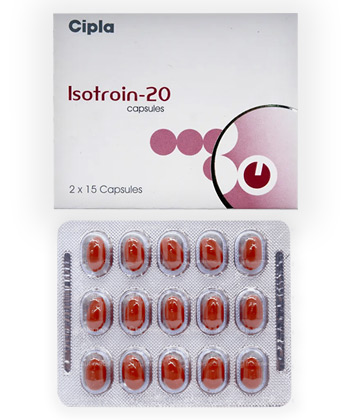
In Canada, you'll find several effective acne treatments available over-the-counter and by prescription. Benzoyl peroxide products are among the most popular, working by killing acne-causing bacteria and reducing inflammation. Salicylic acid is another widely available ingredient found in cleansers and spot treatments that helps unclog pores. For more severe cases, dermatologists prescribe medications like adapalene, which is a retinoid that normalizes skin cell turnover. Isotretinoin is reserved for severe nodular acne that hasn't responded to other treatments.
Topical treatments are usually the first line of defence for mild to moderate acne. These include creams, gels, and solutions applied directly to affected areas. For inflammatory acne, oral antibiotics like doxycycline or minocycline may be prescribed. Many Canadian teenagers and adults also benefit from oral contraceptives, which can help regulate hormonal acne in women.
As we age, our skin naturally loses elasticity and develops fine lines and wrinkles. Anti-aging skincare has become increasingly popular among Canadian consumers looking to maintain youthful-looking skin. Understanding the science behind aging skin helps you choose appropriate products and treatments.
Skin aging occurs due to several factors including reduced collagen production, sun damage, loss of moisture, and natural cellular aging processes. The delicate skin around the eyes is often the first area to show signs of aging. Repeated facial expressions, sleeping positions, and environmental factors all contribute to wrinkle formation over time.
Retinol and retinoids are considered gold-standard anti-aging ingredients available in Canadian pharmacies. These vitamin A derivatives increase cell turnover and stimulate collagen production. Vitamin C serums are highly sought after for their brightening and antioxidant properties. Hyaluronic acid products help restore moisture to aging skin, making fine lines less noticeable. Peptide-based creams and serums support skin firmness and elasticity. Many Canadians also use sunscreen daily as prevention, since UV damage is the primary cause of premature aging.
Beyond skincare products, many people consider professional treatments like Botox, dermal fillers, and laser therapy available at Canadian clinics for more dramatic anti-aging results.
Proper hydration is fundamental to healthy skin, regardless of your skin type. Dehydrated skin appears dull, flaky, and is more prone to irritation and premature aging. Canada's varying climate conditions, from dry winters to air-conditioned summers, make moisturising especially important for residents.
Hyaluronic acid is a humectant that draws water into the skin, making it essential in many Canadian moisturisers. Ceramides help repair and maintain the skin barrier, preventing moisture loss. Glycerin is another humectant widely used in moisturisers and serums across Canada. Natural ingredients like aloe vera, cucumber, and rose water provide soothing hydration. Niacinamide supports the skin barrier while providing hydration and reducing inflammation.
For best results, apply moisturiser to damp skin to lock in hydration. Many Canadians benefit from using different moisturisers seasonally, choosing lighter formulas in summer and richer options in winter.
Sun protection is crucial for Canadian skin health, even though Canada experiences less intense UV rays than southern regions. Sun damage causes premature aging, dark spots, and increases skin cancer risk. Understanding SPF ratings and UV protection helps you make informed choices about sunscreens available in Canada.
SPF (Sun Protection Factor) measures protection against UVB rays, which cause burning. However, UVA rays, which cause aging and damage, are equally important to protect against. Broad-spectrum sunscreens protect against both UVA and UVB rays. In Canada, dermatologists recommend SPF 30 minimum for daily use and SPF 50 for prolonged outdoor exposure. The difference between SPF 30 and SPF 50 is minimal, with SPF 50 blocking approximately 98 per cent of UVB rays compared to 97 per cent for SPF 30.
Chemical sunscreens contain ingredients like oxybenzone and avobenzone that absorb UV rays. Mineral sunscreens contain zinc oxide or titanium dioxide, which reflect UV rays and suit sensitive skin. Combination sunscreens blend both types for comprehensive protection. Canadian pharmacies stock numerous brands in various formats including lotions, sprays, sticks, and tinted options. Many people prefer moisturising sunscreens that provide hydration alongside protection.
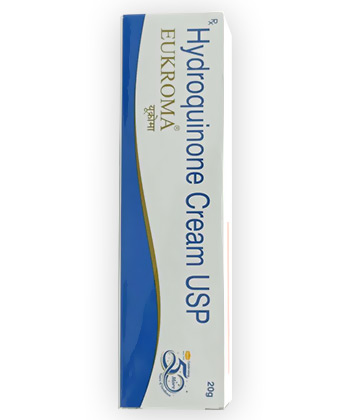
For existing sun damage, vitamin C serums help fade dark spots and boost collagen production. Hydroquinone is a prescription ingredient available in Canada for treating hyperpigmentation. Retinoids accelerate cell turnover, helping to lighten sun spots and improve overall skin texture.
Sensitive skin requires gentle, carefully formulated products that minimise irritation and support the skin barrier. Many Canadians experience sensitive skin, eczema, or dermatitis, particularly during harsh winter months. Identifying triggers and using appropriate products makes a significant difference in managing these conditions.
Sensitive skin reacts strongly to certain ingredients, weather changes, and environmental factors. The skin barrier becomes compromised, allowing irritants to penetrate more easily. Symptoms include redness, itching, burning, and tightness. Eczema is a chronic inflammatory condition characterised by dry, itchy patches that require specialised care and treatment.
Fragrance-free products are essential for sensitive skin, as fragrance is a common irritant. Hypoallergenic formulations minimise the risk of allergic reactions. Products containing colloidal oatmeal soothe irritated skin and reduce itching. Ceramide-rich products repair damaged skin barriers. Many Canadian pharmacies stock dedicated sensitive skin lines that avoid harsh chemicals and common irritants. Aveeno, CeraVe, and Cetaphil are popular brands in Canada specifically formulated for sensitive skin.
For eczema and severe sensitivity, dermatologists in Canada prescribe topical corticosteroids or calcineurin inhibitors. Moisturising creams and ointments are recommended as fundamental treatments. Many Canadians benefit from avoiding extremely hot water, as it further damages the skin barrier.
Beyond basic skincare categories, several specialised treatments address specific skin concerns. Whether dealing with dark circles, hyperpigmentation, rosacea, or psoriasis, targeted solutions are available throughout Canada.
The delicate under-eye area requires special attention with gentler products and active ingredients. Caffeine-based serums reduce puffiness by constricting blood vessels. Vitamin K supports blood vessel function and reduces bruising appearance. Retinol products must be used carefully around the eyes but effectively improve fine lines and skin thickness. Many Canadians use dedicated eye creams rather than regular facial moisturisers for this sensitive area.
Uneven skin tone affects many Canadians, particularly those with darker skin tones. Vitamin C serums brighten skin and reduce dark spots over time. Niacinamide helps regulate melanin production. Kojic acid and licorice extract are natural alternatives for lightening hyperpigmentation. Prescription-strength hydroquinone offers stronger results for stubborn discoloration. Professional treatments like chemical peels and laser therapy are available at Canadian dermatology clinics for more significant results.
Rosacea causes chronic facial redness and visible blood vessels. Gentle products avoiding triggers like spicy foods and extreme temperatures help manage symptoms. Azelaic acid, available in Canada, reduces redness and inflammation. Sulphur-based products have traditionally been used for rosacea. Broad-spectrum sunscreen is essential as UV exposure triggers flare-ups. Dermatologists may prescribe oral antibiotics or topical medications for persistent rosacea affecting quality of life.