{{ __('Your cart') }}0
0,00 $
0
items
0,00 $
Sleep disorders affect millions of Canadians and can significantly impact daily life, productivity, and overall health. Insomnia, the most common sleep disorder, involves difficulty falling asleep, staying asleep, or experiencing poor sleep quality. Other conditions like sleep apnea, restless leg syndrome, and shift work sleep disorder may also require intervention. When lifestyle changes and good sleep hygiene aren't enough, sleeping aids can provide temporary relief and help restore healthy sleep patterns. It's important to understand that occasional sleeplessness is normal, but persistent sleep problems lasting more than a few weeks warrant professional evaluation. Consulting with a healthcare provider helps determine the underlying cause and the most appropriate treatment approach for your specific situation.
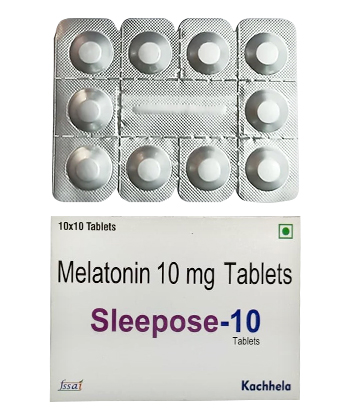
Canada offers several non-prescription sleeping aids that are widely available in pharmacies across the country. Diphenhydramine, found in brands like Benadryl, is an antihistamine commonly used for short-term sleep support. Doxylamine succinate, another antihistamine available in products such as Unisom, provides similar benefits and is safe for occasional use. Melatonin supplements are popular natural alternatives that help regulate your body's sleep-wake cycle, particularly useful for jet lag or shift work adjustments. These over-the-counter options are generally well-tolerated when used as directed, though they may cause drowsiness the next morning in some individuals.
Natural sleep aids containing valerian root, chamomile, passionflower, and lavender are also available and preferred by those seeking gentler alternatives. Most over-the-counter products are suitable for short-term use, typically not exceeding two weeks without medical consultation. Popular over-the-counter options include:
For more persistent sleep issues, Canadian healthcare providers may prescribe stronger medication options. Benzodiazepines like flurazepam and temazepam are fast-acting medications that help initiate sleep but are typically recommended for short-term use due to potential dependency risks. Non-benzodiazepine sedatives, sometimes called "Z-drugs," include zopiclone, zaleplon, and eszopiclone, which work similarly to benzodiazepines but with potentially fewer side effects.
Eszopiclone, marketed as Lunesta in Canada, is designed for long-term use and helps with sleep maintenance. Melatonin receptor agonists like ramelteon offer another prescription option that works with your body's natural sleep mechanisms. Antidepressants such as amitriptyline are sometimes prescribed off-label for sleep when other treatments prove ineffective. All prescription sleep medications require careful consideration of benefits versus risks, and your doctor will discuss potential side effects, interactions with other medications, and dependency concerns before recommending the most suitable option.
Many Canadians prefer natural approaches to support better sleep before trying pharmaceutical options. Herbal remedies have been used for centuries across various cultures and are widely available in Canadian health food stores and pharmacies. Valerian root is one of the most researched herbal sleep aids, believed to promote relaxation and reduce anxiety. Chamomile tea and supplements are gentle options that many people use nightly without concern. Passionflower has traditionally been used to calm racing thoughts and promote sleep onset.
Lavender, both as essential oils, teas, and supplements, is popular for its calming properties and pleasant aroma. Magnesium supplements support muscle relaxation and stress reduction, contributing to better sleep quality. L-theanine, an amino acid found in green tea, promotes relaxation without sedation and is increasingly available in supplement form. These natural options generally have fewer side effects than prescription medications, making them excellent starting points for those new to sleep aids. However, even natural products can interact with medications, so discussing them with your pharmacist or doctor is always recommended.
Selecting an appropriate sleeping aid depends on several personal factors and your specific sleep challenges. Consider whether you struggle with falling asleep, maintaining sleep throughout the night, or both, as different products work better for different issues. Your age, weight, other medications, and existing health conditions significantly influence which options are safest and most effective for you. Some people respond better to antihistamines, while others find melatonin or herbal solutions more beneficial.
Short-term use of sleep aids is generally recommended to help reset your sleep schedule while implementing behavioural changes. Consulting with a pharmacist or doctor before starting any new sleep aid ensures you choose a product that won't interact negatively with your current medications or health conditions. Keep a sleep diary noting when you take aids and how well they work, as this information helps healthcare providers fine-tune recommendations. Cost considerations matter for many Canadians, as prescription medications may be covered differently by insurance plans compared to over-the-counter options. Starting with the gentlest effective option and only moving to stronger treatments if necessary is a prudent approach.
While sleep aids can provide immediate relief, combining them with proper sleep hygiene practices dramatically improves results and helps reduce long-term dependence. Establish a consistent sleep schedule by going to bed and waking at the same times daily, even on weekends, to regulate your body's internal clock. Create a dark, cool, quiet bedroom environment that promotes sleep—temperatures around 16-19°C are ideal for most people. Limit screen time at least one hour before bed, as blue light from phones and computers interferes with melatonin production.
Avoid caffeine after early afternoon, as it remains in your system for hours and significantly disrupts sleep. Regular physical activity, preferably earlier in the day, helps tire your body naturally, though vigorous exercise close to bedtime may be stimulating. Try relaxation techniques like deep breathing, progressive muscle relaxation, or meditation to calm your mind. Reduce alcohol consumption, as while it initially promotes drowsiness, it severely disrupts sleep quality and causes frequent nighttime awakening. Combining these evidence-based sleep practices with appropriate sleep aids creates a comprehensive approach that addresses both immediate sleep needs and long-term sleep health, ultimately leading to better quality rest and improved daytime functioning.