{{ __('Your cart') }}0
0,00 $
0
items
0,00 $
Nicotine is one of the most addictive substances known today. When you smoke, nicotine reaches your brain within seconds, creating a powerful reward cycle that keeps smokers coming back for more. The addiction has both physical and psychological components, making it challenging to quit without proper support and tools.
Your body becomes dependent on nicotine, and when you try to stop, you experience withdrawal symptoms such as irritability, anxiety, difficulty concentrating, and intense cravings. Understanding these challenges is the first step toward successful cessation. Many people try to quit multiple times before succeeding, and that's completely normal. Each attempt brings you closer to your smoke-free goal.
Recognizing your personal triggers—whether they're stress, social situations, or daily habits—helps you prepare better strategies for managing cravings when they strike.
Canada offers several prescription medications designed to help you quit smoking by reducing cravings and withdrawal symptoms.
Champix is one of the most commonly prescribed options. This medication works by partially blocking nicotine's effects on your brain and reducing cravings. It's typically taken over a 12-week period, with your doctor adjusting the dosage gradually. Many Canadian pharmacies stock Champix, and it has shown strong success rates for smoking cessation.
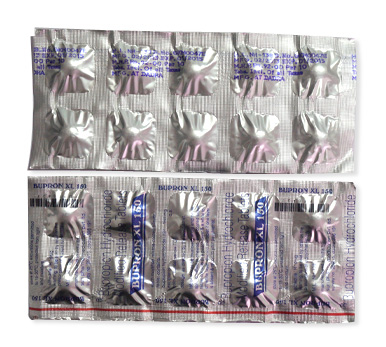
Zyban is an antidepressant medication that reduces cravings and withdrawal symptoms. Originally developed to treat depression, it was discovered to be effective for smoking cessation. Zyban is available through Canadian pharmacies and requires a prescription from your healthcare provider.
Both medications work best when combined with behavioural support and counselling. Your pharmacist can discuss potential side effects and interactions with other medications you might be taking.
Nicotine Replacement Therapy (NRT) products are available without a prescription in Canada and provide a safer way to deliver nicotine while you break the smoking habit.
Combining different NRT products often produces better results than using a single method alone. Your pharmacist can recommend the best combination for your needs.
Medication alone isn't always enough for successful smoking cessation. Behavioural support addresses the psychological aspects of addiction and helps you develop new habits.
Canada offers various counselling programs through provincial health services, hospitals, and private clinics. Cognitive Behavioural Therapy (CBT) is particularly effective, helping you identify triggers and develop coping strategies. Many programs are covered by provincial health insurance or workplace benefits.
Quit-Smoking Support Groups connect you with others on the same journey. Sharing experiences with people who understand your challenges can provide motivation and practical tips. Many communities across Canada host regular meetings.
One-on-One Counselling with trained specialists provides personalized strategies tailored to your specific situation and triggers. Telephone counselling is available in many provinces, offering convenient access from your home.
Digital Resources and Apps have become increasingly popular in Canada. These tools help track your progress, manage cravings, and provide motivational messages when you need them most. Many are free or low-cost and available through provincial health websites.
Combining medication with behavioural support significantly increases your chances of success compared to either approach alone.
Withdrawal symptoms typically appear within hours of your last cigarette and peak within the first week, gradually improving over several weeks. Common symptoms include intense cravings, irritability, anxiety, difficulty sleeping, and increased appetite. Understanding that these symptoms are temporary and manageable helps you stay committed to quitting.
Stay Active through exercise, which reduces cravings and improves mood through natural endorphin release. Even short walks can help manage sudden urges to smoke. Staying hydrated and eating regular, healthy meals maintains your energy levels and reduces irritability.
Stress Management Techniques such as deep breathing exercises, meditation, and progressive muscle relaxation help control anxiety. Many people find these methods surprisingly effective when cravings hit.
Avoid Your Triggers during the first weeks. If certain situations or people trigger your desire to smoke, plan alternatives or practise your coping strategies in advance. Your support team can help you develop personalized strategies.
Use Available Aids specifically designed to manage withdrawal symptoms. Prescription and over-the-counter options are available through Canadian pharmacies. Your pharmacist can recommend options that won't interact negatively with any cessation medication you're taking.
The health improvements from quitting smoking begin almost immediately and continue for years. Within 20 minutes of your last cigarette, your heart rate and blood pressure start dropping. Within days, your sense of taste and smell improve. Within weeks, your lung function begins improving. Long-term benefits include dramatically reduced risk of heart disease, stroke, cancer, and respiratory diseases.
Provincial Quit-Smoking Programs like Ontario's Smokers' Helpline (1-877-513-5333) and similar services in other provinces provide free counselling and information tailored to Canadian smokers. These resources are available to anyone looking for support.
Workplace Programs often offer smoking cessation support, sometimes covering medication costs. Check with your employer's human resources department for available benefits.
Your Local Pharmacy is an excellent resource. Canadian pharmacists can provide free consultations about cessation products, answer questions about medications, and offer ongoing support. Many pharmacies display educational materials about available options.
Online Communities and Websites provide additional support and information. Health Canada's official resources and various not-for-profit organisations offer evidence-based guidance.
Remember that quitting smoking is one of the best decisions for your health. With proper medication, support, and determination, you can successfully become smoke-free and enjoy the many health and lifestyle benefits that follow.