{{ __('Your cart') }}0
0,00 $
0
items
0,00 $
Blood pressure measures the force of blood pushing against your artery walls. It's recorded as two numbers: systolic (top number) and diastolic (bottom number), measured in millimetres of mercury (mmHg). Normal blood pressure is less than 120/80 mmHg. High blood pressure, or hypertension, occurs when readings consistently reach 130/80 mmHg or higher. Many Canadians live with high blood pressure without knowing it, as symptoms are often absent. Regular monitoring is essential for early detection and management. Understanding your numbers helps you work with your healthcare provider to prevent serious complications like heart disease, stroke, and kidney problems.
Several factors contribute to high blood pressure development. Age plays a significant role, as blood pressure naturally increases over time. Family history strongly influences your risk—if parents or close relatives have hypertension, your chances increase substantially. Lifestyle choices significantly impact blood pressure levels, including diet high in sodium, excessive alcohol consumption, and lack of physical activity. Obesity and being overweight put additional strain on your cardiovascular system. Stress and poor sleep quality can temporarily or chronically elevate blood pressure. Certain medical conditions like diabetes and kidney disease increase hypertension risk. Smoking damages blood vessel walls, making them more susceptible to high blood pressure. Women taking oral contraceptives may experience elevated readings. Understanding your personal risk factors allows you to make preventative changes and discuss appropriate treatment options with your doctor.
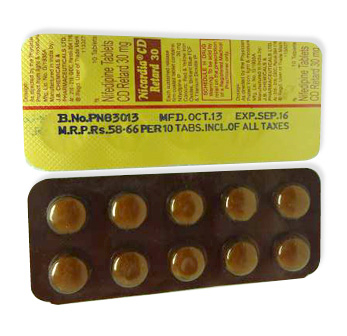
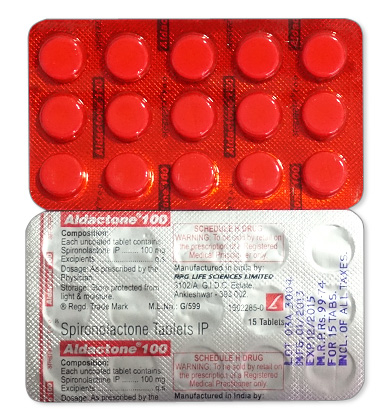
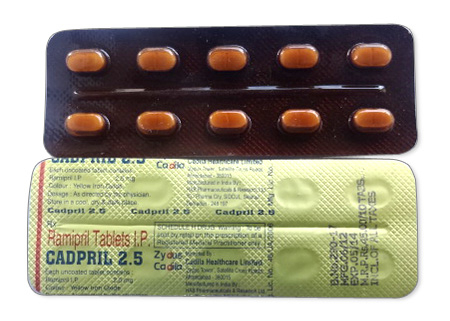
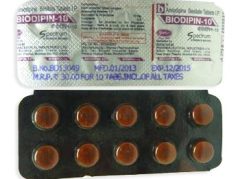
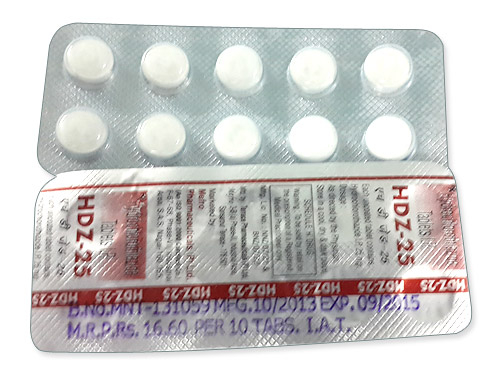
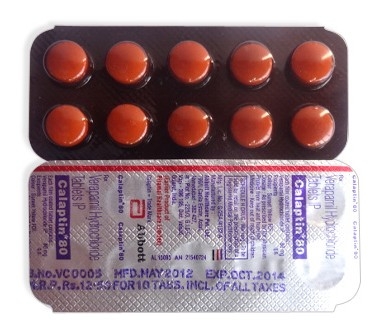
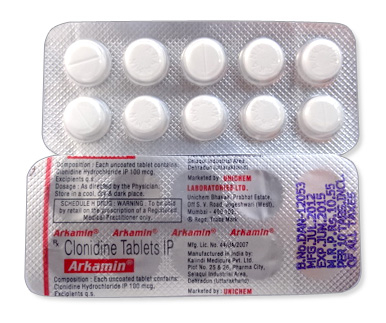
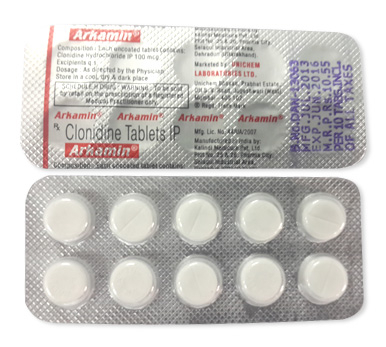
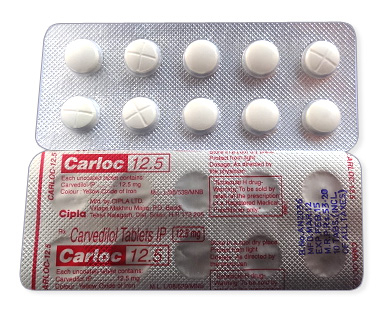
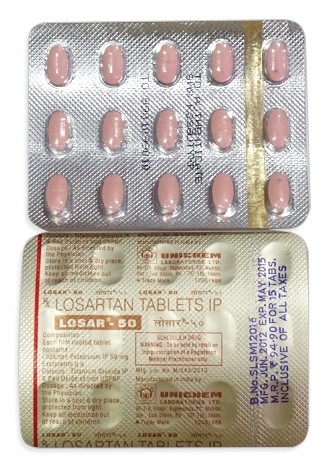
Canadian pharmacies stock several blood pressure medication classes that work through different mechanisms to help manage hypertension effectively.
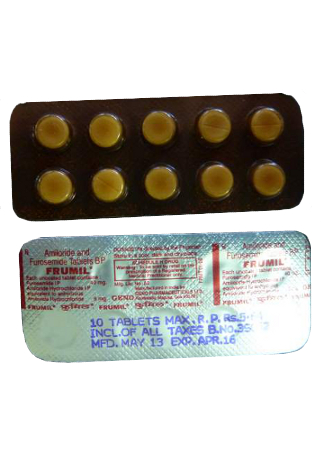
Combination medications containing two active ingredients provide convenience for patients managing their condition. Common combinations include ACE inhibitors with diuretics or ARBs with diuretics. Your pharmacist can explain which medication class your doctor prescribed and how it works. Some medications require regular monitoring through blood tests. Most blood pressure medications are available as generic versions, making treatment more affordable. Always take medications exactly as prescribed for optimal effectiveness.
Dietary modifications significantly reduce blood pressure naturally. The DASH diet emphasizes fruits, vegetables, whole grains, and lean proteins while limiting sodium, saturated fats, and added sugars. Aim for less than 2,300 mg of sodium daily. Regular physical activity strengthens your heart and improves circulation. The Canadian Heart and Stroke Foundation recommends 150 minutes of moderate aerobic activity weekly. Walking, swimming, and cycling are excellent options. Weight management reduces cardiovascular strain—losing even 5-10% of body weight can lower blood pressure. Limiting alcohol consumption helps maintain healthy readings. Stress reduction techniques including meditation, yoga, and deep breathing exercises provide significant benefits. Quality sleep of 7-9 hours nightly supports healthy blood pressure regulation. Quitting smoking immediately improves heart health. Reducing caffeine intake may help some individuals. Consistency with these lifestyle changes often reduces or eliminates the need for medication in mild cases.
Regular blood pressure checks help track your health status effectively. You can monitor at home using an automatic blood pressure monitor, with readings recorded in a log for your doctor. Blood pressure naturally fluctuates throughout the day, so multiple readings provide accurate averages. Most pharmacies in Canada offer free blood pressure screening services. Keep appointments with your healthcare provider for professional monitoring and medication adjustments.
Proper measurement technique ensures accurate readings—sit calmly for five minutes before checking. Use the same arm and position consistently. Take readings at the same time daily for comparison. Report any symptoms like headaches, shortness of breath, or chest pain immediately. Medication compliance is crucial for blood pressure control. Set phone reminders for daily doses. Use pill organizers to track whether you've taken your medication. Discuss any side effects with your pharmacist or doctor—alternatives often exist. Regular follow-up appointments allow your healthcare team to assess treatment effectiveness and make necessary adjustments.
Certain symptoms warrant immediate medical attention. Chest pain, severe headaches, shortness of breath, or vision changes require emergency care. These may indicate a hypertensive crisis or other serious conditions. Blood pressure readings consistently above 180/120 mmHg need urgent evaluation. If you experience dizziness, nausea, or confusion, contact emergency services. Some individuals have high blood pressure without symptoms, making regular screening essential even when feeling well.
Contact your doctor if you experience new or worsening side effects from medication. If home blood pressure readings remain elevated despite taking medication as prescribed, inform your healthcare provider. Pregnancy-related high blood pressure requires specialized care and monitoring. Contact your pharmacist or doctor before starting any new medications, supplements, or herbs, as they may interact with blood pressure medications. Don't stop taking prescribed medications without medical guidance, even if you feel better. Regular communication with your healthcare team ensures optimal blood pressure management and reduces your risk of serious complications.