{{ __('Your cart') }}0
0,00 $
0
items
0,00 $
Diuretics are medications that help your body remove excess water and salt through increased urine production. These drugs work by affecting how your kidneys filter blood and manage fluid balance. When you take a diuretic, it signals your kidneys to release more sodium into the urine, and water naturally follows the sodium out of your body. This process helps reduce the volume of fluid circulating in your bloodstream, which lowers blood pressure and decreases the workload on your heart. Different types of diuretics work in different parts of the kidney's filtering system, each with unique mechanisms and effects on your body's electrolytes and mineral balance. Understanding how diuretics function is essential for proper use and recognizing potential side effects.
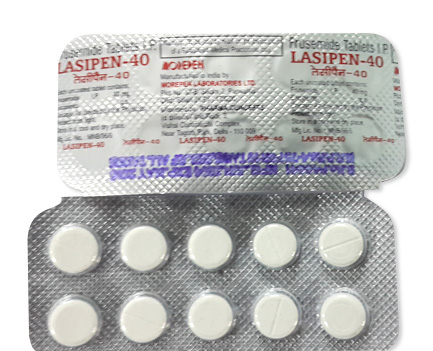
Loop diuretics are among the strongest water pills available. They work in the loop of Henle within your kidneys and are particularly effective for people with severe fluid retention or heart failure. Common loop diuretics available in Canada include Furosemide, which is widely prescribed, and Bumetanide, used when patients don't respond well to other options. These medications can quickly reduce fluid buildup in the lungs and tissues.
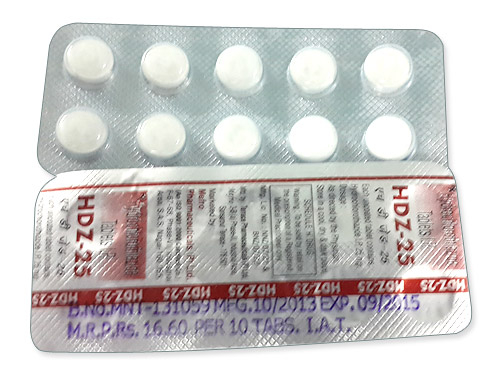
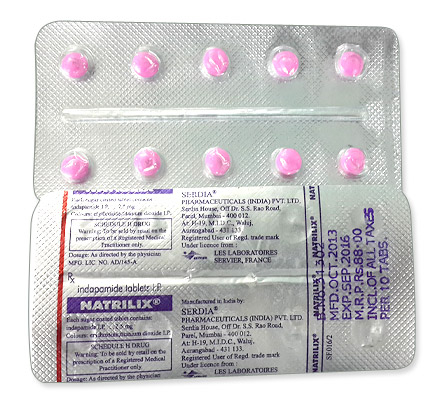
Thiazide diuretics are commonly prescribed for managing high blood pressure. They work by reducing sodium reabsorption in the distal convoluted tubule of the kidney. Popular thiazide options in Canada include Hydrochlorothiazide and Chlorthalidone. These medications are often considered first-line treatment for hypertension because they're effective and generally well-tolerated. They work more gently than loop diuretics and are suitable for long-term use.
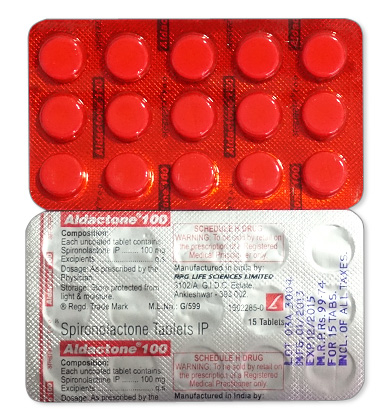
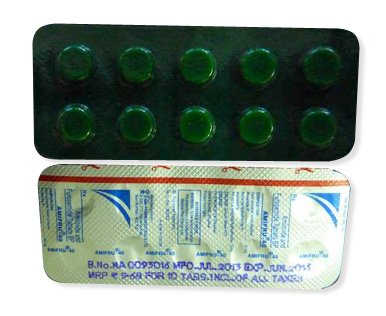
These medications help your body eliminate water and sodium while retaining potassium, an important mineral for heart and muscle function. Available options in Canada include Spironolactone, Amiloride, and Triamterene. Potassium-sparing diuretics are frequently combined with other diuretics to prevent potassium loss and are particularly useful for patients with heart failure or aldosteronism.
Osmotic diuretics like Mannitol work by increasing the osmotic pressure in the blood, causing water to move into the bloodstream and then be filtered by the kidneys. These are typically used in hospital settings for specific conditions rather than long-term home treatment.
Diuretics reduce blood volume, which directly lowers blood pressure. They're often used as first-line treatment for hypertension, particularly in older adults. By reducing the amount of fluid your heart must pump, diuretics help achieve and maintain healthy blood pressure levels.
Patients with heart failure experience fluid accumulation in their lungs and extremities. Diuretics help remove this excess fluid, making it easier to breathe and reducing strain on the heart. Loop diuretics are often preferred in this situation because of their potency.
Edema, or abnormal fluid buildup in body tissues, can result from various conditions including liver disease, kidney problems, or venous insufficiency. Diuretics help reduce this swelling by promoting fluid elimination through urine.
Certain diuretics help manage complications of kidney disease by controlling fluid and electrolyte balance. They can reduce protein loss and help manage blood pressure in patients with compromised kidney function.
Patients with cirrhosis often develop ascites, an accumulation of fluid in the abdominal cavity. Diuretics combined with sodium restriction help manage this serious complication.
Take your diuretic exactly as prescribed by your healthcare provider. Most diuretics are taken once daily, usually in the morning, to avoid sleep disruption from frequent urination. Never adjust your dose without consulting your doctor. Your healthcare provider determines the appropriate dose based on your condition, kidney function, and other medications.
Regular blood tests are essential when taking diuretics to monitor kidney function and electrolyte levels, particularly potassium and sodium. Keep track of your weight, as sudden weight gain or loss might indicate a change in your condition. Monitor your blood pressure regularly and report significant changes to your healthcare provider. Watch for symptoms like dizziness, weakness, or excessive thirst that might indicate electrolyte imbalances.
Maintain consistent potassium intake when taking thiazide diuretics, which can deplete potassium levels. If taking potassium-sparing diuretics, limit high-potassium foods to prevent dangerous potassium buildup. Reduce salt intake as recommended by your doctor, since excess sodium can counteract the diuretic's effect. Stay well-hydrated, but follow your doctor's specific fluid recommendations if you have heart or kidney problems.
Common side effects include increased urination, dizziness when standing quickly, dry mouth, and fatigue. Some diuretics can affect blood sugar levels or increase uric acid. Report any persistent or bothersome side effects to your healthcare provider. Serious side effects are rare but require immediate medical attention, including severe dizziness, fainting, or signs of electrolyte imbalance.
Several diuretic medications are widely available and commonly prescribed across Canada:
Many of these medications are available in combination formulations with other blood pressure drugs, offering convenient single-pill options. Generic versions of most diuretics are available in Canada, making treatment more affordable for patients requiring long-term therapy.
Before starting diuretics, inform your healthcare provider about all medications you're taking, as diuretics can interact with various drugs including certain blood pressure medications, NSAIDs, and diabetes medications. Diuretics may not be suitable for people with certain conditions like gout or severe electrolyte problems. Pregnant women should discuss diuretic use with their doctor, as some diuretics can affect fetal development. Contact your healthcare provider if you experience persistent side effects, significant changes in urination patterns, or signs of dehydration. Report any new symptoms or worsening of existing conditions. Regular follow-up appointments ensure your diuretic therapy remains effective and safe for your specific health situation.