{{ __('Your cart') }}0
0,00 $
0
items
0,00 $
Depression is one of the most common mental health conditions affecting Canadians. It goes beyond occasional sadness and involves persistent feelings of hopelessness, low energy, and loss of interest in daily activities. Depression can significantly impact work, relationships, and overall quality of life.
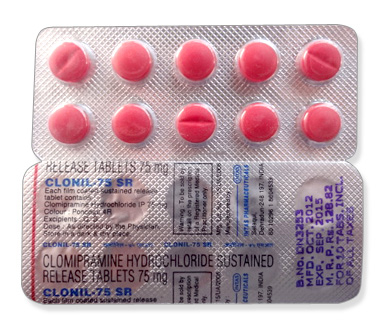
Several antidepressant medications are available through Canadian pharmacies. Selective Serotonin Reuptake Inhibitors (SSRIs) like sertraline, paroxetine, and citalopram are frequently prescribed first-line treatments. Serotonin-Norepinephrine Reuptake Inhibitors (SNRIs) such as venlafaxine and duloxetine are also commonly used. Tricyclic antidepressants and atypical antidepressants like bupropion provide alternative options for patients who don't respond to initial treatments.
If you experience persistent sadness, changes in sleep patterns, appetite changes, or thoughts of self-harm lasting more than two weeks, consult a healthcare professional. Early intervention significantly improves outcomes and recovery rates.
Anxiety disorders encompass various conditions including generalized anxiety disorder, panic disorder, social anxiety, and specific phobias. People with anxiety disorders experience excessive worry, physical tension, and fear that interferes with daily functioning.
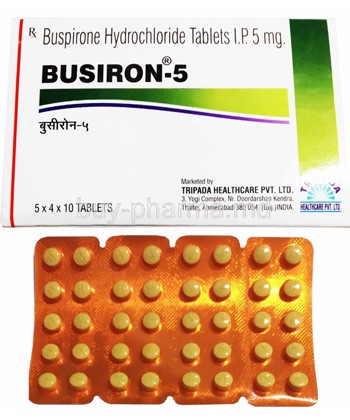
Canadian pharmacies stock benzodiazepines like lorazepam and alprazolam for acute anxiety relief, though these are typically prescribed short-term due to dependency risks. SSRIs such as sertraline and paroxetine serve as first-line long-term treatments. Buspirone offers a non-addictive alternative for generalized anxiety. Beta-blockers like propranolol help manage physical anxiety symptoms.
Combining medication with therapy, regular exercise, and relaxation techniques enhances treatment effectiveness. Many Canadians find cognitive-behavioural therapy particularly beneficial alongside pharmaceutical treatment.
Bipolar disorder is characterised by extreme mood swings between manic episodes (elevated mood, increased energy) and depressive episodes. This condition requires careful medical management to maintain emotional stability and prevent serious complications.
Lithium remains a gold-standard treatment available in Canadian pharmacies, requiring regular blood monitoring to ensure therapeutic levels. Valproate and carbamazepine are anticonvulsant medications used as alternatives. Atypical antipsychotics such as quetiapine, olanzapine, and aripiprazole have become increasingly popular for managing both manic and depressive phases.
People with bipolar disorder need consistent healthcare provider follow-up and medication adjustments. Regular blood tests ensure medications work effectively whilst minimising side effects and health risks.
ADHD affects both children and adults, causing difficulties with focus, impulse control, and organisation. Many Canadians discover they have ADHD in adulthood after struggling with work performance or relationships. Proper diagnosis and treatment can dramatically improve functioning and quality of life.
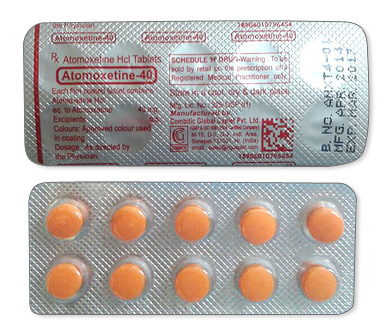
Stimulant medications like methylphenidate and amphetamine salts are widely prescribed and available in various formulations. Non-stimulant options such as atomoxetine and guanfacine provide alternatives for patients who cannot tolerate stimulants. Extended-release formulations help maintain symptom control throughout the day.
Medication works best combined with behavioural strategies, organisational tools, and lifestyle modifications. Many Canadian adults benefit from concurrent therapy to address associated anxiety or depression and develop coping strategies.
Schizophrenia and other psychotic disorders involve disturbances in thinking, perception, and reality. Symptoms include hallucinations, delusions, disorganised speech, and negative symptoms like reduced emotional expression. Early intervention significantly improves long-term outcomes.
First-generation antipsychotics like haloperidol remain available but are used less frequently due to side effects. Second-generation antipsychotics such as risperidone, olanzapine, quetiapine, and aripiprazole dominate Canadian prescribing due to better tolerability. Long-acting injectable formulations help improve medication adherence.
Beyond medication, psychosocial interventions, family support, and vocational rehabilitation play crucial roles in recovery. Canadian mental health services increasingly emphasise integrated approaches combining pharmacological and psychosocial treatments.
Obsessive-Compulsive Disorder (OCD) involves unwanted intrusive thoughts (obsessions) and repetitive behaviours (compulsions) that consume significant time and cause distress. Related conditions include body dysmorphic disorder and trichotillomania. These conditions often go undiagnosed because people feel shame about their symptoms.
SSRIs are the primary pharmacological treatment, though often at higher doses than used for depression. Paroxetine, fluoxetine, and sertraline have strong evidence in OCD treatment. Some patients benefit from augmentation with atypical antipsychotics when SSRIs alone prove insufficient.
Cognitive-behavioural therapy, specifically exposure and response prevention, is often as important as medication. Many Canadian mental health professionals recommend combining these approaches for optimal symptom reduction and improved daily functioning.