{{ __('Your cart') }}0
0,00 $
0
items
0,00 $
Muscle relaxants are medications designed to reduce muscle tension, stiffness, and involuntary muscle contractions. These drugs work by either affecting the central nervous system or directly targeting muscle tissue to provide relief from discomfort and improve mobility.
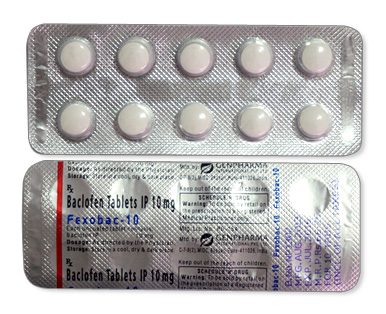
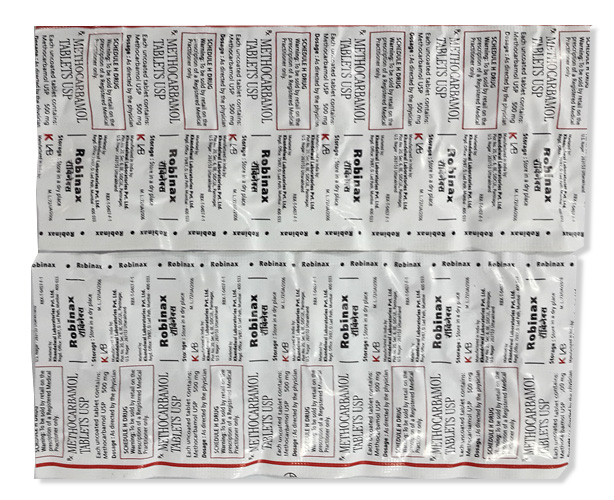
There are two main categories of muscle relaxants available in Canada. The first group works on the central nervous system and includes medications like cyclobenzaprine, methocarbamol, and baclofen. These medications interrupt pain signals between nerves and the brain, helping to reduce muscle spasms and tension. The second group consists of direct-acting agents that work specifically on muscle tissue itself, with dantrolene being a common example.
Most muscle relaxants are prescribed for short-term use, typically spanning from a few days to a few weeks. They are most effective when combined with rest, physical therapy, and other pain management strategies. These medications are particularly useful for acute muscle injuries or conditions causing temporary muscle stiffness.
Muscle relaxants are prescribed for various conditions that cause muscle tension and pain. Understanding which conditions benefit from these medications can help patients determine if they might be suitable for their situation.
Acute muscle strains and sprains are the most common reasons for prescribing muscle relaxants. These injuries often result from sudden movements, sports activities, or accidents. Whiplash injuries, common after vehicle collisions, frequently require muscle relaxant therapy to manage neck and shoulder tension.
Back pain, particularly lower back pain, is another primary indication for muscle relaxants. Conditions causing back pain include herniated discs, muscle strains, and general inflammation. Muscle relaxants help reduce the protective muscle spasms that often accompany these conditions.
Muscle relaxants are also used for muscle spasticity associated with conditions like cerebral palsy, multiple sclerosis, and spinal cord injuries. In these cases, the medications help reduce involuntary muscle contractions that can be painful and limit movement. Post-surgical muscle tension and pain also benefit from muscle relaxant therapy during recovery periods.
Several muscle relaxants are available through Canadian pharmacies, each with distinct characteristics and uses. Understanding the options helps patients and healthcare providers choose the most appropriate medication.
Using muscle relaxants safely requires understanding proper dosage, timing, and potential interactions with other medications. Following prescribed guidelines ensures maximum benefit while minimizing side effects.
Most muscle relaxants should be taken exactly as prescribed by your healthcare provider. Dosages typically start low and may be adjusted based on response and tolerance. Taking more than the prescribed amount does not increase effectiveness and may increase the risk of adverse effects.
Muscle relaxants commonly cause drowsiness, dizziness, and reduced alertness. Patients should avoid driving or operating heavy machinery until they understand how the medication affects them personally. Alcohol consumption should be avoided while taking muscle relaxants, as it amplifies drowsiness and impairs coordination.
These medications may interact with other drugs, particularly those affecting the central nervous system like sedatives, sleeping aids, and certain pain medications. Always inform your pharmacy and healthcare provider about all medications, supplements, and herbal products you're taking.
Muscle relaxants are generally not recommended during pregnancy without explicit medical approval. Similarly, some muscle relaxants pass into breast milk, so nursing mothers should discuss options with their healthcare provider. Elderly patients may require lower doses due to increased sensitivity to medications.
While muscle relaxants are generally safe when used appropriately, awareness of potential side effects helps patients identify when medical attention may be necessary.
Common side effects include drowsiness, dizziness, dry mouth, and headache. These effects typically diminish as the body adjusts to the medication. Taking the medication with food or adjusting the timing of doses can sometimes reduce stomach-related side effects.
Some patients experience blurred vision, difficulty concentrating, or mild nausea. These effects are usually temporary and decrease with continued use. Staying hydrated and avoiding sudden position changes helps manage dizziness.
Serious side effects requiring immediate medical attention include difficulty breathing, chest pain, severe allergic reactions with rash or swelling, and signs of liver problems such as yellowing of skin or eyes. Additionally, any unusual muscle weakness, confusion, or signs of dependence should prompt consultation with a healthcare provider.
Long-term use of certain muscle relaxants carries a small risk of dependence. Healthcare providers typically recommend limiting use to short-term periods unless otherwise specified for chronic conditions. Stopping muscle relaxants should be done gradually under medical supervision rather than abruptly.
Maximum effectiveness in treating muscle-related conditions often requires combining muscle relaxants with complementary therapies and lifestyle modifications.
Physical therapy is highly beneficial alongside muscle relaxant use. As the medication reduces pain and tension, physical therapy helps restore strength, flexibility, and proper movement patterns. Starting physical therapy during muscle relaxant treatment often produces superior long-term results.
Heat and cold therapy can enhance muscle relaxant effectiveness. Applying heat increases blood circulation and reduces stiffness, while cold therapy reduces inflammation and numbs pain. Many patients find alternating between heat and cold particularly effective for acute injuries.
Over-the-counter pain relievers like acetaminophen or ibuprofen often work synergistically with muscle relaxants, though combinations should be discussed with a healthcare provider. Proper rest during acute phases of injury gives medications time to work effectively.
Lifestyle modifications including ergonomic adjustments, stress reduction techniques, and gentle stretching support muscle relaxant therapy. Maintaining good posture, using proper lifting techniques, and taking regular movement breaks during sedentary activities help prevent muscle problems.
Consulting with your Canadian pharmacist or healthcare provider about the most appropriate muscle relaxant for your specific condition, along with complementary treatments, ensures the best outcomes for muscle pain and tension relief.