{{ __('Your cart') }}0
0,00 $
0
items
0,00 $
Antidepressants are medications designed to help balance chemicals in the brain that affect mood, emotions, and mental well-being. These medications work by increasing the availability of neurotransmitters like serotonin, norepinephrine, and dopamine, which play crucial roles in regulating mood and emotional responses. Depression can significantly impact a person's quality of life, affecting sleep, appetite, energy levels, and the ability to concentrate. Antidepressants are commonly prescribed to treat various conditions including major depressive disorder, anxiety disorders, obsessive-compulsive disorder, and post-traumatic stress disorder.
When taken as prescribed, antidepressants can help reduce symptoms of depression within two to four weeks, though some individuals may experience improvements sooner. It's important to understand that antidepressants work differently for different people, and finding the right medication and dosage may require some adjustment with your healthcare provider. Consistency in taking your medication is essential for achieving the best results.
SSRIs are among the most commonly prescribed antidepressants in Canada. These medications work by increasing serotonin levels in the brain. Popular SSRIs available in the Canadian market include sertraline, citalopram, escitalopram, paroxetine, and fluoxetine. These medications are often recommended as a first-line treatment due to their effectiveness and generally manageable side effects. SSRIs are used for depression, anxiety, panic disorder, and obsessive-compulsive disorder.
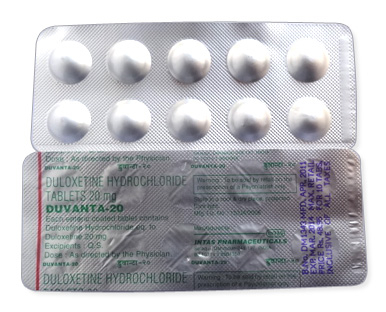
SNRIs are another widely prescribed class of antidepressants that work on both serotonin and norepinephrine. Available options in Canada include venlafaxine, duloxetine, and desvenlafaxine. These medications are effective for major depression, generalized anxiety disorder, and chronic pain conditions. SNRIs may be particularly helpful for individuals who haven't responded well to SSRIs alone.
Tricyclic antidepressants are among the older classes of antidepressants but remain effective options. Medications in this category include amitriptyline, nortriptyline, and doxepin. While they may have more side effects compared to newer antidepressants, TCAs can be particularly useful for treating depression with chronic pain or migraines. These medications are still commonly prescribed in Canada and remain a reliable choice for many patients.
MAOIs are an older class of antidepressants that are less commonly prescribed today due to dietary restrictions and potential drug interactions. However, they remain valuable options for treatment-resistant depression. Examples include phenelzine and tranylcypromine. These medications require careful monitoring and dietary management but can be highly effective for individuals who haven't responded to other treatments.
Like all medications, antidepressants may cause side effects, though many people tolerate them well. Common side effects include:
Most side effects tend to diminish within the first few weeks of treatment as the body adjusts to the medication. It's crucial to discuss potential side effects with your healthcare provider before starting treatment. They can provide guidance on managing mild side effects and may adjust your dosage or switch medications if side effects are problematic.
Never stop taking your antidepressant abruptly without consulting your doctor, as this can lead to withdrawal symptoms or a return of depressive symptoms. Certain antidepressants may interact with other medications or supplements, so it's important to maintain an open dialogue with your pharmacy and healthcare provider about all substances you're taking. Some people may need to try multiple medications before finding the one that works best for them with minimal side effects.
Antidepressants have been clinically proven to be effective in treating depression and related conditions. Research shows that approximately 60–70% of people experience significant improvement in their symptoms when taking an appropriate antidepressant. Beyond mood improvement, antidepressants can help restore normal sleep patterns, increase energy levels, improve concentration, and enhance overall quality of life.
Many individuals report feeling more capable of handling daily challenges and engaging in social activities after starting treatment. Antidepressants can provide the stability needed to participate in therapy or counselling, which often complements medication treatment. The combination of medication and therapy tends to produce the best long-term outcomes for many people struggling with depression.
For some individuals, antidepressants are a temporary solution during a difficult period, while others may need to continue treatment long-term to prevent symptom recurrence. Your healthcare provider will work with you to determine the appropriate duration of treatment based on your individual circumstances and medical history.
Before beginning antidepressant treatment, your doctor will conduct a thorough assessment of your medical history, current medications, and specific symptoms. This evaluation helps determine which antidepressant is most appropriate for your situation. Your healthcare provider will explain the expected timeline for improvement and discuss potential side effects.
It typically takes two to four weeks to notice significant improvement in depressive symptoms, so patience is important. Your doctor may start with a lower dose and gradually increase it to find the optimal level for you. Regular follow-up appointments are essential to monitor your progress and make any necessary adjustments to your treatment plan.
Inform your pharmacist about all medications and supplements you're taking to avoid potential interactions. Store your antidepressants as directed on the package, usually at room temperature away from moisture and direct sunlight. If you experience concerning side effects or have questions about your medication, contact your healthcare provider or pharmacist immediately.
While antidepressants are effective medications, combining them with healthy lifestyle choices can enhance their effectiveness. Regular physical activity, such as walking, swimming, or yoga, has been shown to improve mood and reduce depressive symptoms. A balanced diet rich in vitamins and minerals supports brain health and overall well-being.
Getting adequate sleep is crucial for mental health and helps your antidepressant work more effectively. Aim for seven to nine hours of sleep each night and maintain a consistent sleep schedule. Limiting alcohol consumption is important, as alcohol can interfere with antidepressant effectiveness and worsen depression.
Psychotherapy or counselling, combined with medication, often provides superior results compared to either treatment alone. Mindfulness meditation, social connections, and engaging in activities you enjoy can all contribute to your recovery. Building a strong support network of friends and family, or joining support groups, can provide encouragement and understanding throughout your treatment journey. Remember that recovery from depression is a process, and patience with yourself is essential.