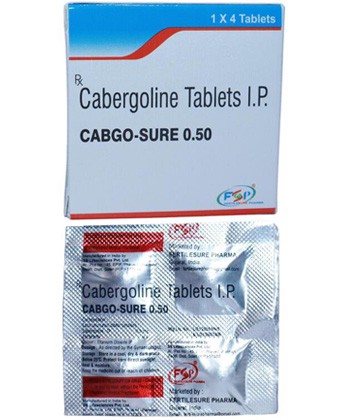
Amitriptyline
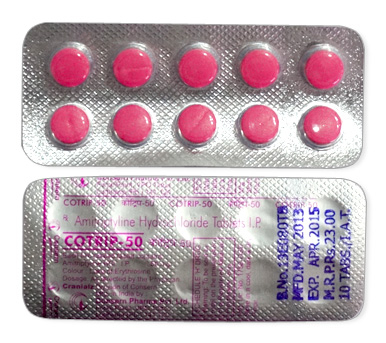
Amitriptyline
- Amitriptyline is available in many countries as a prescription medicine, including Canada, the US, the EU, India, Australia, and much of South America; however, some pharmacies may offer it without a prescription. It is commonly sold under brand names such as Elavil, Endep, Sarotex, and Laroxyl.
- Amitriptyline is used to treat depression, neuropathic pain, migraine prevention, fibromyalgia, and some other off-label conditions. It is a tricyclic antidepressant that works by inhibiting the reuptake of serotonin and norepinephrine in the brain.
- The usual dose of amitriptyline depends on the condition: for depression, 25–50 mg/day initially and 75–150 mg/day for maintenance; for pain or migraine prevention, 10–25 mg at bedtime, with a usual range of 25–75 mg/day.
- The form of administration is usually a tablet or oral drop; prolonged-release tablets are also available in some markets, and injectable forms are rare.
- The effect of amitriptyline may begin within a few hours for sedation and sleep benefit, but its full antidepressant effect usually starts after 1–2 weeks and may take 4–8 weeks for maximum benefit.
- The duration of action is generally about 24 hours, which is why it is often taken once daily at bedtime; prolonged-release forms may provide longer symptom control.
- Avoid alcohol while taking amitriptyline, as it can increase drowsiness, dizziness, impaired coordination, and the risk of dangerous side effects.
- The most common side effects are drowsiness, dry mouth, constipation, dizziness, blurred vision, weight gain, and orthostatic hypotension.
- Would you like to try amitriptyline without a prescription?
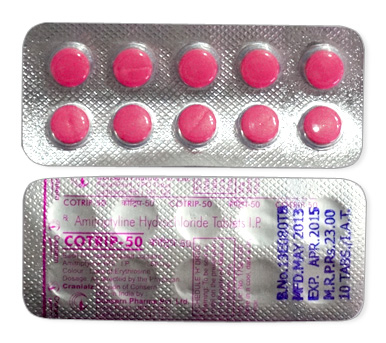
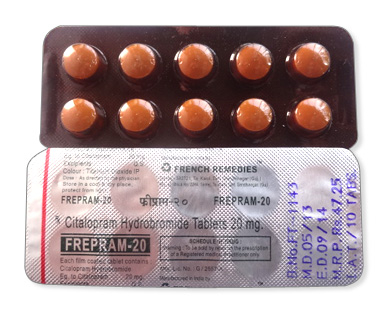
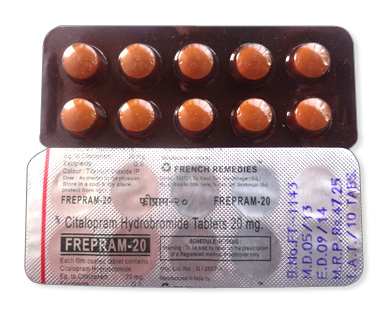
Basic Amitriptyline Information
- INN (International Nonproprietary Name): Amitriptyline. The US often specifies amitriptyline hydrochloride.
- Brand names available in Canada (English): Elavil is the best-known name, but Canadian dispensing is mainly generic amitriptyline from multiple manufacturers.
- ATC Code: N06AA09.
- Forms & dosages: Tablets in 10 mg, 25 mg, 50 mg, 75 mg, and 100 mg strengths; oral drops and prolonged-release tablets exist in some markets, but Canadian dispensing is usually tablet-based.
- Manufacturers in Canada (English): Multiple generic manufacturers; chain pharmacies such as Shoppers Drug Mart, Rexall, Jean Coutu, and London Drugs may stock different products depending on province and wholesaler supply.
- Registration status in Canada (English): Prescription medicine.
- OTC / Rx classification: Prescription only.
Latest Research Highlights On Amitriptyline In Canada And Internationally
Is amitriptyline still relevant when newer antidepressants and pain medicines exist?
Recent guideline updates and studies from 2022 to 2025 keep saying yes, especially for neuropathic pain and migraine prevention.
Internationally, low-dose amitriptyline remains a familiar option because it can help pain, sleep-adjacent symptoms, and some treatment-resistant depression cases when first-line choices are not enough or are not tolerated.
Canadian clinicians often use it for pain rather than depression, which matches the way many patients actually benefit from a sedating bedtime dose.
That said, the same sedating and anticholinergic profile that makes it useful also means it must be selected carefully.
Health Canada approval and provincial formularies continue to support prescription-only use, while access is often driven by Canada generic access and whatever is in stock at the local pharmacy.
Rural patients may depend on fewer prescribers and limited pharmacy stock levels, while urban patients often have easier access to dose titration and follow-up.
| Indication | Study Or Guideline Type | Main Finding | Relevance To Canada |
|---|---|---|---|
| Neuropathic pain | Recent guideline reviews and clinical evidence updates | Low-dose amitriptyline remains an accepted option when first-line therapies are ineffective or not tolerated. | Fits Canadian chronic pain practice, especially when a bedtime sedating effect is helpful. |
| Migraine prevention | 2022–2025 evidence summaries | Low-dose regimens are still used for migraine prevention, often because of cost and long familiarity. | Useful where generic access and provincial coverage shape prescribing. |
| Insomnia-adjacent use | Clinical practice experience and review literature | Sedation may help sleep disruption linked to pain, though it is not a primary hypnotic. | Common in Canadian pain clinics and community pharmacy counselling. |
| Treatment-resistant depression | Guideline-based second- or later-line use | Can still be used when SSRIs or SNRIs have not worked well. | Relevant when patients need a prescription antidepressant with a long track record. |
Data highlight: low-dose amitriptyline regimens are common in chronic pain and migraine prevention, usually at bedtime.
In practice, that is exactly why the drug still shows up in Canadian charts and pharmacy questions, even though it is a first-generation tricyclic antidepressant with a higher anticholinergic burden than most newer options.
Clinical Effectiveness Of Amitriptyline Under Canadian Prescribing Standards
When Canadian prescribers choose amitriptyline, what are they usually trying to achieve?
They are usually aiming for symptom relief after first-line options have not worked well enough or have caused bothersome side effects.
Amitriptyline hydrochloride is a tricyclic antidepressant with the ATC code N06AA09, and it remains a standard prescription antidepressant in routine community care.
It is generally dispensed through regular community pharmacies with a DIN-linked product, which matters for insurance claims and generic substitution.
- DIN
- Drug Identification Number used in Canada to identify a specific product.
- Rx
- Prescription-only medicine.
- ATC code
- International drug classification code; for amitriptyline, N06AA09.
- Tricyclic antidepressant
- An older class of antidepressants that also has pain-modulating and sedating effects.
Effectiveness is best established for depression, neuropathic pain, and migraine prophylaxis, with lower doses usually used for pain and headache prevention.
Canadian clinicians also weigh side effects such as sedation, dry mouth, constipation, and orthostatic hypotension before deciding whether it is a good fit.
Provincial drug plans such as Ontario Drug Benefit, BC PharmaCare, and RAMQ can influence which generic is dispensed, especially when a patient switches between brands or manufacturers.
Usual maintenance ranges are about 75 to 150 mg per day for depression and 25 to 75 mg per day for pain or migraine, often taken at bedtime.
Indications And Expanded Uses Seen In Canadian Practice
Why do some patients get amitriptyline for pain when they expected an antidepressant?
That is a common question in Canada, especially when a patient is hoping for a sedating bedtime option or has not responded well to SSRIs or SNRIs.
- Commonly used for: major depression, neuropathic pain, migraine prophylaxis, and chronic pain syndromes.
- Sometimes used off-label for: fibromyalgia, sleep disruption linked to pain, and select anxiety-related cases under specialist care.
The same drug can be a practical fit for patients who want one medicine that may help pain and sleep together, even though it is not a dedicated sleep medicine.
In universal healthcare settings, many Canadians expect coverage to shape treatment choice, but access can still vary by province and diagnosis.
Bilingual labelling in Canada also matters for counselling, because safe use depends on understanding directions, side effects, and refill timing.
In online pharmacy care, amitriptyline is sometimes discussed as a low-cost option with discreet delivery to Canada in 5-14 days, which can matter when local access is slow.
Composition, Strengths, And Brand Landscape In Canada
What shows up on the label when a Canadian patient picks up amitriptyline?
The INN is amitriptyline, while the US often uses amitriptyline hydrochloride on product labelling.
Elavil is the familiar brand name in Canada and the USA, but Canadian supply is mainly generic amitriptyline from multiple manufacturers.
| Brand Or Generic Example | Country Or Region | Tablet Strengths |
|---|---|---|
| Elavil | USA, Canada | 10 mg, 25 mg, 50 mg, 75 mg, 100 mg |
| Sarotex | Europe, Australia | 10 mg, 25 mg, 50 mg |
| Laroxyl | France, Turkey | Tablets, drops |
| Tryptanol | India, international | 10 mg, 25 mg, 50 mg, 75 mg |
| Generic amitriptyline | Canada and many other markets | 10 mg, 25 mg, 50 mg, 75 mg, 100 mg |
Amitriptyline tablets are the main Canadian dispensing format, and generic availability helps lower cost.
That same generic flexibility can create confusion when patients see different imprinting, packaging, or pharmacy labels across refills.
The ATC code N06AA09 is used internationally and helps clinicians and pharmacists confirm they are dealing with the same tricyclic antidepressant.
Chain pharmacies may not all stock the exact same manufacturer, so a refill at Shoppers Drug Mart may look different from one at Rexall, Jean Coutu, or London Drugs even when the medicine is clinically equivalent.
Contraindications And Special Precautions For Canadian Patients
Who should not take amitriptyline, and who needs a closer look first?
That is the safety question pharmacists hear most often, especially when a patient already takes several medications.
- Do not use: hypersensitivity to amitriptyline or related compounds, recent myocardial infarction, or co-administration with monoamine oxidase inhibitors without a 14-day separation.
- Use extra caution: seizure history, angle-closure glaucoma, urinary retention, prostatic hypertrophy, cardiovascular disease, and suicidal risk.
Overdose risk is medically serious because tricyclic antidepressants are highly toxic in overdose.
That is why pharmacist review and prescriber monitoring matter so much, especially when cardiac history, conduction problems, or other CNS-active drugs are part of the picture.
Older adults in long-term care and seniors living alone are more vulnerable to falls, confusion, and anticholinergic burden.
Indigenous communities and rural patients can face follow-up barriers, so slow titration and medication review become even more important.
Common side effects include drowsiness, dry mouth, constipation, urinary retention, weight gain, blurred vision, dizziness, and orthostatic hypotension.
Dosage Guidelines And Titration In Canadian Care
How low should amitriptyline start, and how fast should it move up?
Canadian prescribers usually titrate slowly, especially for pain indications and in older adults.
| Indication | Starting Dose | Usual Range | Caution Notes |
|---|---|---|---|
| Major depression | 25 mg to 50 mg daily, at bedtime or in divided doses | 75 mg to 150 mg daily | Titrate as tolerated. |
| Neuropathic pain or chronic pain | 10 mg to 25 mg at bedtime | 25 mg to 75 mg daily | Bedtime dosing is common. |
| Migraine prophylaxis | 10 mg to 25 mg at bedtime | Up to 75 mg daily | Often used at low dose. |
| Elderly patients | 10 mg to 25 mg nightly | Often capped at 75 mg daily | Higher fall risk and side-effect burden. |
Children are rarely treated with amitriptyline, though it is occasionally used for enuresis or migraine under close specialist supervision.
Liver impairment may require dose reduction or avoidance because the drug is extensively metabolized in the liver.
Renal impairment usually does not require routine dose adjustment, but monitoring still matters.
Depression often needs 4 to 8 weeks for full effect, while pain and migraine trials are usually 2 to 4 weeks.
Pharmacist counselling at community pharmacies is especially important for bedtime dosing, sedation, and driving safety, particularly for patients commuting long distances or working early shifts.
Interactions, Alcohol, And Everyday Canadian Lifestyle Factors
Can a glass of wine or a cannabis product make amitriptyline more sedating?
Yes, and that is one of the most practical counselling points in Canada.
- Higher-risk combinations: MAOIs, other sedatives, alcohol, drugs that prolong QT or affect cardiac conduction, and medicines that add anticholinergic load.
- Practical precautions: be careful with driving after dose changes, watch for OTC cold medicine that can worsen drowsiness or urinary retention, and avoid mixing with other CNS depressants unless a pharmacist or prescriber has checked it.
No major food interaction dominates, but sedation can be amplified by alcohol and other CNS depressants.
Cannabis use is also worth mentioning during counselling because it can add to drowsiness and impair concentration.
Pharmacy counter screening in Canada often catches these issues before they become a problem, especially in chain pharmacies.
Bilingual patient leaflets and pharmacy counselling can reduce misunderstanding, particularly for new Canadians or patients switching between English and French labelling.
Cultural Perceptions And Patient Habits In Canada
Why do some people think of amitriptyline as an older medicine, yet still ask for it?
Because many Canadians know it is inexpensive, familiar, and still useful for certain pain and sleep-related problems.
- What patients commonly say: it helps them sleep, it causes dry mouth or weight gain, it can feel too sedating at first, and the tablet may look different after a refill.
- What clinicians need to clarify: sedation is expected, the dose is often low for pain, side effects may ease after adjustment, and a different-looking tablet is often just a different generic DIN.
Online communities, including Canadian Reddit discussions and patient forums, often focus on sedation, weight gain, and dry mouth, but also on improved sleep and pain relief.
Urban patients usually have easier access to follow-up, while rural and northern patients may depend on limited pharmacy stock, mail delivery, or one local prescriber.
That is where trust in universal healthcare can matter; when a formulary exclusion or brand change happens, adherence can wobble if the patient is not prepared for it.
Availability, Dins, And Pricing Patterns Across Canada
How easy is it to find amitriptyline in Canada, and why does the DIN matter?
Amitriptyline is prescription-only in Canada and is usually distributed as a generic with a DIN.
The DIN matters for substitution, insurance claims, and pharmacy inventory because each specific product has its own approved identifier.
| Pharmacy Channel | Likely Access | Practical Notes |
|---|---|---|
| Shoppers Drug Mart | Common access | May stock one or more generic manufacturers depending on location. |
| Rexall | Common access | Different imprints or packaging may appear after a refill. |
| Jean Coutu | Common access | Coverage and stock can vary by province. |
| London Drugs | Common access | Useful for counselling and refill coordination. |
| Online Canadian pharmacies | Mail delivery option | Helpful for remote communities and planned refills. |
Ontario Drug Benefit, BC PharmaCare, and RAMQ can influence out-of-pocket cost and which generic is selected.
Canadian prices are often more predictable than US retail pricing, but access can be slower in smaller towns or if a specific manufacturer is out of stock.
Bilingual packaging, provincial reimbursement rules, and mail-order options matter most for patients in remote communities.
For patients who prefer privacy and home delivery, online access can be a practical option, especially when local stock is limited.
Comparable Medicines And Canadian Preferences
What if amitriptyline is not the best fit?
Then the choice usually shifts to another tricyclic antidepressant or a different pain-modulating medicine.
| Option | Main Strength | Main Limitation |
|---|---|---|
| Amitriptyline | Sedation and pain relief | Anticholinergic effects and overdose toxicity |
| Nortriptyline | Often better tolerated in older adults | Still a tricyclic with similar class cautions |
| Imipramine | Another tricyclic option | May not be preferred for sedation-heavy use |
| Duloxetine | Useful for neuropathic pain and depression | Different side-effect profile and coverage issues |
| Venlafaxine | Useful for depression and some pain syndromes | May not provide bedtime sedation |
| Gabapentin or pregabalin | Common pain modulators for neuropathic pain | Different dosing and tolerability concerns |
| Fluoxetine or sertraline | Common SSRI choices for depression | Less helpful when sedation is the goal |
Some clinicians prefer nortriptyline for better tolerability in older adults.
Duloxetine or gabapentinoids may be favoured for neuropathic pain depending on comorbidities and provincial formulary coverage.
For some Canadian patients, the best option is the one that fits the drug plan, the diagnosis, and the need for a bedtime sedating effect.
Frequently Asked Questions About Amitriptyline For Canadian Patients
Is amitriptyline covered by my provincial drug plan?
Coverage varies by province and private plan, and the exact generic DIN can matter.
Why does my tablet look different after a refill?
That usually means a different generic DIN or manufacturer, not necessarily a different medicine.
Can I drink alcohol while taking it?
Alcohol can increase sedation and make driving or working unsafe, especially after a dose change.
How long does it take to work for nerve pain?
Pain and migraine trials are usually checked after 2 to 4 weeks, but some patients need longer depending on dose and tolerability.
What should I do if I miss a dose?
Take it as soon as remembered unless it is close to the next dose, and do not double up.
Overdose is a medical emergency because tricyclic antidepressants can cause severe cardiac arrhythmias, seizures, and CNS depression.
Patients often also want to know whether local chains can special-order stock, and pharmacists can usually help with that.
Guidelines For Proper Use And Pharmacist Counselling In Canada
What makes amitriptyline safer at home?
Simple habits make a big difference.
- Proper use steps: take exactly as prescribed, usually at bedtime; do not stop abruptly; store at room temperature between 15 and 30 degrees Celsius; keep tablets dry and away from light; and use moisture and heat precautions during transport.
- When to call a pharmacist or doctor: if sedation is too strong, constipation or dry mouth becomes hard to manage, you are worried about driving safety, you miss several doses, or you notice symptoms that suggest toxicity or an interaction.
Canadian pharmacists are often the first contact for refill timing, generic substitution, DIN differences, and side-effect counselling.
That support matters even more in rural areas where delivery delays or limited local stock can make early refill planning important.
Gradual tapering is important because stopping suddenly can lead to withdrawal symptoms.
Monitoring should be tighter when liver impairment, cardiac disease, or fall risk is present.
If overdose symptoms are suspected, urgent medical care is needed right away.
Delivery Across Canada (English)
| City | Region | Delivery time |
|---|---|---|
| Toronto | Ontario | 5-7 days |
| Ottawa | Ontario | 5-7 days |
| Mississauga | Ontario | 5-7 days |
| Hamilton | Ontario | 5-7 days |
| London | Ontario | 5-7 days |
| Vancouver | British Columbia | 5-7 days |
| Victoria | British Columbia | 5-7 days |
| Calgary | Alberta | 5-7 days |
| Edmonton | Alberta | 5-7 days |
| Winnipeg | Manitoba | 5-7 days |
| Quebec City | Quebec | 5-7 days |
| Montreal | Quebec | 5-7 days |
| Halifax | Nova Scotia | 5-7 days |
| Saskatoon | Saskatchewan | 5-9 days |
| St. John's | Newfoundland and Labrador | 5-9 days |