{{ __('Your cart') }}0
0,00 $
0
items
0,00 $
Cardiovascular health refers to the wellness of your heart and blood vessels, which work together to deliver oxygen and nutrients throughout your body. The cardiovascular system is essential for maintaining overall health and preventing serious conditions that can impact your quality of life. When this system functions properly, blood flows efficiently to all organs and tissues, supporting vital bodily functions.
Common cardiovascular conditions include high blood pressure, high cholesterol, heart disease, and stroke. These conditions develop when blood vessels become narrow or blocked, or when the heart cannot pump blood effectively. Understanding your cardiovascular health is the first step toward prevention and treatment.
Regular check-ups with your healthcare provider can help identify risk factors early. Lifestyle changes such as exercise, a healthy diet, stress management, and quitting smoking are foundational to maintaining heart health. Many people also benefit from medications prescribed by their doctors to manage specific cardiovascular conditions.
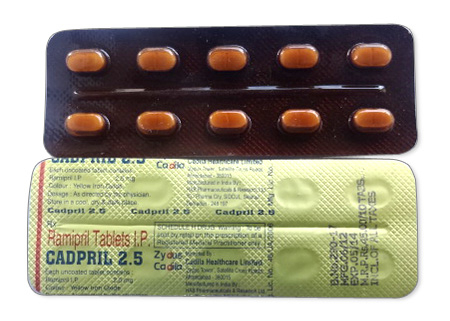
High blood pressure, or hypertension, occurs when blood consistently pushes too hard against artery walls. This common condition affects millions of Canadians and increases the risk of heart attack and stroke if left untreated. Blood pressure readings include two numbers: systolic pressure (the force when your heart beats) and diastolic pressure (the force when your heart rests).
Several medications are available in Canada to manage high blood pressure effectively:
Many patients benefit from combination therapy using two or more medications to achieve optimal blood pressure control. Monitoring your blood pressure at home helps track medication effectiveness. Your pharmacist can teach you proper measurement techniques and answer questions about your medications.
Cholesterol is a waxy substance your body needs, but excess levels can build up in arteries and restrict blood flow. High cholesterol often develops without symptoms, making regular testing important for early detection and management.
Statin medications are the most commonly prescribed cholesterol treatments in Canada. These include Atorvastatin, Rosuvastatin, Simvastatin, and Pravastatin. Statins work by reducing cholesterol production in your liver and helping your body remove existing cholesterol from your bloodstream.
Additional cholesterol-lowering medications include Ezetimibe, which blocks cholesterol absorption in your intestines, and PCSK9 inhibitors for patients who cannot achieve target levels with statins alone. Fibrates such as Fenofibrate help lower triglycerides, another type of blood fat.
Diet plays a crucial role in cholesterol management. Reducing saturated fats, increasing fibre intake, and choosing lean proteins support medication effectiveness. Regular physical activity helps raise good cholesterol while lowering bad cholesterol. Your pharmacist can explain how each medication works and identify potential interactions with other drugs you take. Consistent use of prescribed cholesterol medications significantly reduces your cardiovascular disease risk.
Heart disease develops when arteries supplying blood to the heart become narrowed or blocked by plaque buildup. Angina occurs when the heart doesn't receive enough oxygen, causing chest discomfort or pressure. These conditions require prompt medical attention and appropriate medication management.
Nitroglycerin is a common medication for angina relief, available as sublingual tablets or sprays that work quickly when chest pain occurs. Long-acting nitrates such as Isosorbide Mononitrate provide ongoing protection against angina episodes.
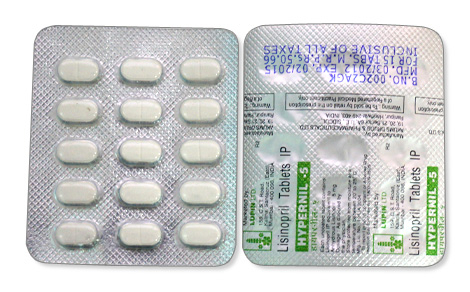
Additional heart disease medications include beta-blockers that reduce the heart's workload and oxygen demand, and calcium channel blockers that relax blood vessels and improve blood flow. ACE inhibitors support heart function and prevent complications after heart attacks.
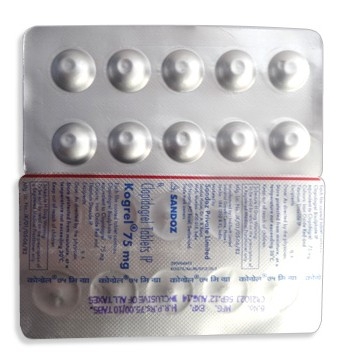
Antiplatelet medications like Aspirin and Clopidogrel prevent blood clots that could cause heart attacks or strokes. These are often prescribed after heart events or stent placement. Anticoagulants such as Warfarin or newer direct oral anticoagulants prevent clot formation in certain heart conditions. Following your medication schedule exactly as prescribed is critical for heart disease management. Never stop taking heart medications without consulting your doctor, as this increases your risk of serious complications. Your pharmacist is available to discuss any concerns about side effects or medication interactions.
Stroke occurs when blood flow to the brain is blocked, potentially causing permanent damage. Many strokes are preventable through proper management of cardiovascular risk factors and appropriate medication use.
Antiplatelet therapy with Aspirin or Clopidogrel helps prevent strokes in people with previous stroke history or high risk factors. Anticoagulant medications are essential for patients with atrial fibrillation, a heart rhythm disorder significantly increasing stroke risk.
Blood pressure control is critical for stroke prevention, as hypertension damages blood vessel walls. Cholesterol management through statins reduces plaque buildup in brain arteries. Managing diabetes and maintaining healthy weight also contribute to stroke prevention.
Recognizing stroke warning signs ensures prompt treatment. Face drooping, arm weakness, and speech difficulty are key indicators requiring immediate emergency care. Time is critical when stroke symptoms appear. Your healthcare team may recommend additional tests to assess your stroke risk. Lifestyle modifications combined with appropriate medications significantly reduce your likelihood of experiencing this serious condition.
Heart failure occurs when the heart cannot pump blood effectively, causing fluid to accumulate in the lungs and body. This serious condition requires ongoing medication management and lifestyle adjustments. Early treatment and consistent medication use improve outcomes significantly.
ACE inhibitors and angiotensin II receptor blockers improve heart function and reduce workload. Beta-blockers strengthen the heart's contractions while lowering demands on this vital organ. Aldosterone antagonists help control fluid retention.
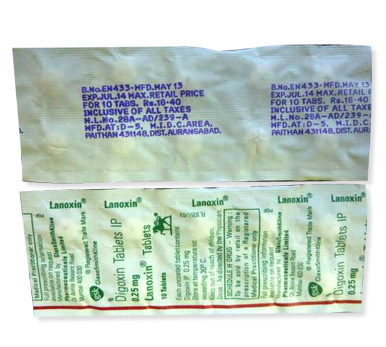
Diuretics remain essential for managing fluid buildup associated with heart failure. These medications help your kidneys remove excess water and salt through increased urination. Maintaining proper fluid balance prevents breathing difficulties and swelling. Digoxin strengthens heart contractions and controls heart rate in certain heart failure patients, while SGLT2 inhibitors are newer medications showing benefits in heart failure treatment.
Sodium restriction is crucial for heart failure patients, as excess salt promotes fluid retention. Your healthcare provider or dietitian can provide specific dietary recommendations tailored to your condition. Regular monitoring through blood tests and heart imaging helps track your condition's progression. Report any weight gain, increased shortness of breath, or swelling to your doctor immediately. Your pharmacist can help organize your medications and remind you about refills to ensure continuous treatment.