
Lisinopril
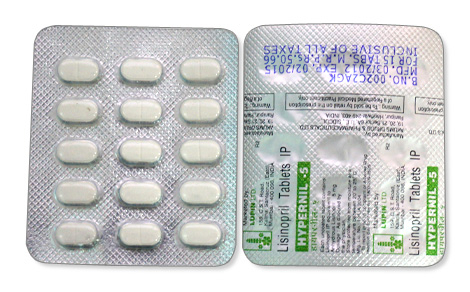
Lisinopril
- Where it can be purchased and whether a prescription is required: In Canada and most major markets lisinopril is prescription-only and should be dispensed with a valid prescription; availability and packaging vary by brand. Some pharmacies or online vendors in certain jurisdictions may supply lisinopril without a prescription or receipt, but this practice is variable, may be against local regulations, and is not recommended—always follow local laws and consult a healthcare professional before obtaining prescription medicines.
- What the drug is used for and its mechanism of action: Lisinopril is used to treat hypertension, heart failure, reduce mortality after myocardial infarction, and to help reduce proteinuria in diabetic nephropathy. It is an ACE (angiotensin-converting enzyme) inhibitor that reduces formation of angiotensin II, leading to vasodilation, decreased aldosterone release, reduced sodium and water retention, and lower blood pressure.
- Usual dosage: Typical starting doses and ranges — Hypertension: start 10 mg once daily; maintenance 20–40 mg once daily (max 40 mg/day). Heart failure: start 2.5–5 mg daily and titrate up to 40 mg/day as tolerated. Post‑MI: commonly 5 mg then 10 mg/day as tolerated. Diabetic nephropathy: 10–20 mg daily, up to 40 mg as tolerated. Dosing should be adjusted for renal impairment and the elderly.
- Form of administration: Oral administration — tablets (common strengths 2.5, 5, 10, 20, 30, 40 mg) and an oral solution formulation (1 mg/mL, Qbrelis); combination tablets with hydrochlorothiazide or amlodipine are also available.
- Onset time (how fast it starts working): Antihypertensive effects typically begin within about 1 hour after an oral dose, with clinically meaningful blood‑pressure reduction developing over several hours and improving with continued dosing.
- Duration of action: Lisinopril has a long enough effect for once‑daily dosing; antihypertensive activity generally persists about 24 hours with steady dosing.
- Alcohol warning: Alcohol can potentiate blood‑pressure lowering and increase the risk of dizziness or fainting (orthostatic hypotension); avoid excessive alcohol and be cautious with standing, especially after the first dose or dose increases.
- Most common side effect: The most common adverse effect is a dry, persistent cough; other frequent effects include dizziness, headache, fatigue, hypotension (especially after the first dose), and hyperkalemia; angioedema is rare but potentially serious and requires immediate medical attention.
- Would you like to try lisinopril without a prescription?

Basic Lisinopril Information
- INN (International Nonproprietary Name): Lisinopril.
- Brand Names Available In Canada (English): Prinivil; Zestril.
- ATC Code: C09AA03.
- Forms & Dosages: Oral tablets commonly in 2.5 mg, 5 mg, 10 mg, 20 mg, 30 mg and 40 mg strengths; oral solution exists (Qbrelis) in other markets; combination tablets with hydrochlorothiazide and amlodipine are available.
- Manufacturers In Canada (English): Merck; AstraZeneca (listed as distributors/marketers for Prinivil and Zestril).
- Registration Status In Canada (English): Not specified.
- OTC / Rx Classification: Prescription-only (Rx) in major markets; not available OTC.
Latest Research Highlights 2022–Mid‑2024: Evidence Summary And Clinical Takeaways
Are you wondering what recent studies mean for people taking lisinopril?
Systematic reviews and pooled analyses since 2022 continue to support ACE inhibitors, including lisinopril, as first‑line therapy for hypertension and for mortality benefit after myocardial infarction, as well as for reducing proteinuria in diabetic nephropathy.
No new large safety signals have overturned the established ACE inhibitor risks such as cough, angioedema, hyperkalemia and renal dysfunction.
Comparative analyses through mid‑2024 show angiotensin receptor blockers have lower cough rates but similar cardiovascular outcomes to ACE inhibitors; head‑to‑head superiority for lisinopril is not established in the available data.
Canadian registries and ongoing observational studies are monitoring real‑world adherence and rural access differences across provinces.
| Study Type | Population | Primary Endpoint | Effect Size | Year |
|---|---|---|---|---|
| Systematic Review / Meta‑Analysis | Hypertension Patients | BP Control / CV Outcomes | Not specified | 2022–2024 |
| Pooled Analysis | Post‑Myocardial Infarction | Mortality / Morbidity | Not specified | 2022–2024 |
| Comparative Observational Studies | ACEi vs ARB Users | Cough Rate / CV Outcomes | Lower cough with ARBs; outcomes similar | 2023–2024 |
| Registry Reports | Canadian Real‑World Cohorts | Adherence / Access | Not specified | Ongoing |
Patient‑centred projects in urban and Indigenous communities showed that bilingual patient leaflets and pharmacist counselling reduced early discontinuation.
Data highlights: cough-related discontinuation rates and exact adherence differences by rural versus urban settings are being tracked in registries and are not specified in the public summaries.
- Where To Use: First‑line hypertension, post‑MI mortality reduction, diabetic nephropathy to reduce proteinuria.
- Clinical Takeaway: Emphasize monitoring plans to build trust, explain cough risk, and discuss alternatives such as ARBs if intolerance occurs.
- Action Point: Offer bilingual materials and structured follow‑up to improve adherence in diverse Canadian populations.
Clinical Effectiveness In Canada: Health Canada Status, DINs And Formulary Positioning
Can lisinopril be relied on in everyday Canadian practice?
Lisinopril is the INN and is marketed in Canada as Prinivil and Zestril according to product listings.
Health Canada monographs set out standard indications and the safety profile, though specific DIN numbers are not provided here.
| Item | Value |
|---|---|
| Health Canada Status | Not specified |
| Prescription Class | Prescription‑only (Rx) |
| Suggested Link For DINs | Health Canada Drug Product Database (check for exact DINs) |
Provincial formularies vary and may list lisinopril under different criteria or preferred products.
- Check Ontario Drug Benefit (ODB), BC PharmaCare, RAMQ and other provincial plans for listing and special authorization rules.
- Community pharmacists at major chains routinely verify DINs and coverage at point of sale.
- Rural clinics commonly use telepharmacy to confirm coverage and assist with substitutions.
Action Steps For Clinicians:
- Verify the exact DIN for the product being prescribed or dispensed.
- Confirm provincial coverage through ODB/PharmaCare/RAMQ portals before long‑term prescribing.
- Document special authorizations and counselling when necessary.
Indications And Expanded Uses: Approved Versus Off‑Label In Canadian Practice
What is lisinopril officially for, and when do specialists use it outside labels?
- Approved
- Essential hypertension.
- Heart failure as adjunct therapy.
- Post‑myocardial infarction management to reduce mortality and morbidity.
- Diabetic nephropathy to reduce proteinuria.
- Off‑Label
- Specialist‑driven extensions for certain proteinuric kidney diseases may occur with documentation and monitoring.
Canadian clinical nuance: specialists may extend use for compelling indications but should document rationale and monitoring plans.
- Absolute contraindication includes pregnancy after the first trimester; family planning counselling is routine.
- Consider multimorbidity in elderly and Indigenous patients; renal function and hyperkalemia risk often guide drug choice.
Clinician Checklist Before Prescribing:
- Obtain baseline serum creatinine and potassium.
- Confirm renal function (eGFR/CrCl) and adjust dose accordingly.
- Perform pregnancy testing for women of childbearing potential and discuss contraception.
- Complete medication reconciliation to identify potassium‑sparing drugs, NSAIDs or lithium.
Composition And Brand Landscape In Canada: Generics, Strengths And Packaging
Will my tablet look the same when the pharmacy switches manufacturers?
Lisinopril is available as INN tablets with common strengths globally from 2.5 mg up to 40 mg, and in Canada it is marketed as Prinivil and Zestril with bilingual labeling.
Generics have been available since patent expiry and multiple manufacturers supply tablets to the Canadian market.
| Brand | Manufacturer | Typical Strengths | Packaging / Notes |
|---|---|---|---|
| Prinivil | Merck | 10 mg, 20 mg, 40 mg (typical) | Bilingual labeling |
| Zestril | AstraZeneca | 5 mg, 10 mg, 20 mg (typical) | Bilingual labeling |
| Generic Lisinopril | Multiple Manufacturers | 2.5–40 mg | Appearance varies by manufacturer |
- Generic substitution lowers cost and drives formulary choices; pharmacies will note the trade name and DIN on receipts.
- Tablet appearance can change when the supplier is switched; counsel patients to check the DIN if unsure.
- Rural pharmacies may stock fewer strengths—prescribers can indicate clinical reasons for “no substitution” when necessary.
Contraindications And Special Precautions: Health Canada Advisories And High‑Risk Canadian Groups
Who should definitely avoid lisinopril and who needs close monitoring?
- Absolute Contraindications: prior ACE inhibitor–related angioedema; hypersensitivity to ACE inhibitors; pregnancy in the second and third trimesters; bilateral renal artery stenosis.
- Relative Contraindications (Require Close Monitoring): severe renal impairment (CrCl <30 mL/min); aortic valve stenosis or hypertrophic cardiomyopathy; collagen vascular disease; pre‑existing hyperkalemia; dehydration or concurrent diuretic therapy.
High‑Risk Canadian Groups:
- Older adults with polypharmacy and frailty, who face first‑dose hypotension and renal risk.
- People with chronic kidney disease, a group with higher prevalence in some Indigenous communities.
- Patients on potassium‑sparing medications or supplements, and those taking NSAIDs regularly.
Monitoring Advice:
- Check serum creatinine and potassium at baseline and recheck within 1–2 weeks after initiation or dose change.
- Advise patients about first‑dose hypotension—consider taking the first dose at bedtime if recommended by the prescriber.
- Document pregnancy testing and contraception counselling when prescribing to women of childbearing potential.
Dosage Guidelines: Standard Canadian Dosing And Adjustment Protocols
How should lisinopril be started and adjusted for common conditions?
| Condition | Usual Starting Dose | Maintenance Dose | Max Dose |
|---|---|---|---|
| Hypertension | 10 mg daily | 20–40 mg daily | 40 mg daily |
| Heart Failure | 2.5–5 mg daily | Up to 40 mg daily | 40 mg daily |
| Post‑MI | 5 mg daily | 10 mg daily after stabilization | 10 mg daily |
| Diabetic Nephropathy | 10–20 mg daily | As tolerated | 40 mg daily |
Renal Impairment Dosing:
- CrCl ≥30 mL/min: usual dosing.
- CrCl 10–30 mL/min: start 2.5–5 mg daily.
- CrCl <10 mL/min or dialysis: start 2.5 mg daily with close monitoring.
Titration And Monitoring Steps:
- Baseline labs: serum creatinine and potassium before starting.
- Recheck labs 1–2 weeks after initiation or dose change.
- Increase dose slowly in elderly patients and monitor blood pressure and renal function.
Interaction Overview: Common Drugs, Foods And Health Canada Flags
Which medications and supplements should be checked before starting lisinopril?
- Potassium supplements and potassium‑sparing diuretics (hyperkalemia risk).
- NSAIDs, including ibuprofen and naproxen (may reduce antihypertensive effect and increase renal risk).
- Lithium (risk of lithium toxicity potentiation).
- Neprilysin inhibitors (sacubitril): a washout period is required between ACE inhibitors and neprilysin inhibitor combinations.
| Interacting Agent | Effect | Recommended Action |
|---|---|---|
| Potassium Supplements / Spironolactone | Increased risk of hyperkalemia | Avoid or monitor K+ closely; adjust therapy |
| NSAIDs (Ibuprofen, Naproxen) | Reduced BP effect; increased renal impairment risk | Advise caution; consider alternatives; monitor renal function |
| Lithium | Increased lithium levels/toxicity | Monitor lithium levels and consider dose adjustment |
| Sacubitril/valsartan (neprilysin inhibitor) | Risk of angioedema if combined without washout | Ensure appropriate washout period between agents |
Canadian Lifestyle Notes:
- OTC NSAID use is common; pharmacists should ask explicitly about ibuprofen or naproxen use.
- Watch for potassium‑containing salt substitutes or herbal products that may raise potassium.
- In remote areas where labs are delayed, arrange phone follow‑up or local nursing draws to ensure timely monitoring.
Cultural Perceptions And Patient Habits In Canada: Adherence, Bilingual Care And Rural Access
Will patients stick with lisinopril, and how do local factors affect use?
Patients commonly worry about cough and costs despite universal health care because provincial formulary coverage varies.
Online Canadian forums discuss brand switching and ways to save on medication costs.
- Common Patient Concerns: side effects (especially cough), cost and changes to tablet appearance after generic switches.
- What Helps: pharmacist counselling, bilingual materials and clear monitoring plans.
Practical Notes For Canadian Care:
- English/French bilingual labelling is expected and helps with counselling, especially in Quebec.
- Rural patients may face longer travel times for labs and refills; mail order and telepharmacy services can improve access.
- Indigenous health services emphasise culturally safe counselling and community involvement when starting chronic antihypertensives.
Suggested Patient Checklist For Culturally Tailored Counselling:
- Explain purpose and common side effects in the patient’s preferred language.
- Provide written bilingual leaflets and schedule a follow‑up lab appointment within 1–2 weeks.
- Discuss cost options, generic substitution, and local delivery or telepharmacy alternatives.
Availability And Pricing Patterns: Chains, Online Pharmacies And Cross‑Border Notes
How easy is it to get lisinopril in Canada and what will it cost?
Lisinopril is widely available across Canada as both brand (Prinivil, Zestril) and generics.
| Retailer | Typical Price Range | Notes |
|---|---|---|
| Major Chains (Shoppers Drug Mart, Rexall, Jean Coutu, London Drugs) | Varies by province and generic availability | Stock common strengths; coverage depends on provincial plan |
| Online Canadian Pharmacies | Often competitive; price varies | Check accreditation and DIN; delivery options available |
| Cross‑Border / US Purchases | May be cheaper in some cases | Subject to import rules and prescription requirements |
- Provincial plans may cover lisinopril under specific criteria; patients without coverage typically use generic options.
- Rural pharmacies may have limited inventory; substitutions are common and should be explained to patients.
- When comparing price online, verify the source and DIN to avoid non‑equivalent products.
Note On Ordering: Our online pharmacy offers discreet delivery across Canada in 5–14 days and will advise on coverage and generic options; lisinopril is prescription‑only in major markets, so a valid prescription is required.
Comparable Medicines And Preferences: ACE Inhibitors, ARBs And Clinical Choice Checklist
When should a prescriber choose lisinopril over another ACE inhibitor or an ARB?
Alternatives include other ACE inhibitors such as enalapril, ramipril and perindopril, and ARBs such as losartan, valsartan and telmisartan.
ARBs are often chosen when ACE inhibitor–related cough or angioedema occurs, while clinical outcomes for many ACE inhibitors and ARBs are broadly comparable for most indications.
- Pros/Cons Checklist: ACE Inhibitors (proven mortality benefit post‑MI, renal protection) versus ARBs (lower cough rates) versus other classes (CCBs, diuretics depending on comorbidities).
- Consider patient tolerance, formulary preferences, cost and prior response when choosing between agents.
- For diabetic nephropathy, ACE inhibitors are commonly used first for renal protection unless intolerance mandates switching to an ARB.
| Alternative Drug | Typical Indication | Advantage | Common Adverse Effects |
|---|---|---|---|
| Enalapril | Hypertension, Heart Failure | Long clinical experience | Cough, Hypotension |
| Ramipril | Hypertension, Post‑MI | Cardioprotective data | Cough, Hyperkalemia |
| Losartan (ARB) | Hypertension, Renoprotection | Lower cough risk | Dizziness, Hyperkalemia |
FAQ
Q: Can I take lisinopril if I travel to the US?
A: Yes with a valid prescription; bring original packaging and DIN information; cross‑border purchases are subject to import rules.
Q: What if I develop a cough while taking lisinopril?
A: Report it to your prescriber or pharmacist; cough is a common ACE inhibitor effect and switching to an ARB may be advised if it is persistent.
Q: Is lisinopril safe in pregnancy?
A: No—ACE inhibitors are contraindicated in pregnancy, especially in the second and third trimesters; stop the drug and seek obstetrical advice if pregnancy is confirmed.
Q: How often do I need labs while on lisinopril?
A: Baseline creatinine and potassium, then recheck within 1–2 weeks after starting or changing dose, and periodically thereafter per clinician judgment.
Q: Can I take NSAIDs with lisinopril?
A: Use caution—NSAIDs can blunt antihypertensive effect and raise renal risk; consult your pharmacist before regular NSAID use.
Guidelines For Proper Use: Pharmacist And Provincial Tips For Safer Prescribing
What should pharmacists do at dispensing to maximise safety?
- Confirm indication, baseline blood pressure and baseline serum creatinine and potassium before dispensing.
- Verify pregnancy status for women of childbearing potential and document counselling.
- Perform medication reconciliation to identify interacting agents such as NSAIDs, potassium supplements or lithium.
Pharmacy‑Centred Actions:
- Document the DIN and manufacturer on the label and check provincial coverage (ODB/PharmaCare/RAMQ) at dispensing.
- Provide bilingual counselling and a simple one‑page leaflet summarizing side effects and monitoring steps.
- Advise on first‑dose hypotension; suggest taking the first dose at bedtime if the prescriber agrees.
Monitoring Timeline And Emergency Advice:
- Baseline labs, recheck at 1–2 weeks after initiation or dose change, then periodically.
- For remote patients, arrange local community lab draws or telehealth check‑ins.
- Emergency Signs: severe dizziness, swelling of face/lips/tongue or breathing difficulty → go to ER or call 911.
Pharmacist Counselling Script Snippets:
- "This medication helps lower blood pressure and protect kidneys in diabetes; we will check your bloodwork in 1–2 weeks."
- "If you develop a dry persistent cough or any swelling, stop and contact a clinician immediately."
- "Avoid potassium supplements unless we monitor your potassium closely."
Delivery Across Canada (English)
| City | Region | Delivery Time |
|---|---|---|
| Toronto | Ontario | 5-7 days |
| Montreal | Quebec | 5-7 days |
| Vancouver | British Columbia | 5-7 days |
| Calgary | Alberta | 5-7 days |
| Edmonton | Alberta | 5-7 days |
| Ottawa | Ontario | 5-7 days |
| Quebec City | Quebec | 5-7 days |
| Winnipeg | Manitoba | 5-9 days |
| Halifax | Nova Scotia | 5-9 days |
| Victoria | British Columbia | 5-9 days |
| Saskatoon | Saskatchewan | 5-9 days |
| Regina | Saskatchewan | 5-9 days |
| Hamilton | Ontario | 5-9 days |
| St. John's | Newfoundland and Labrador | 5-9 days |