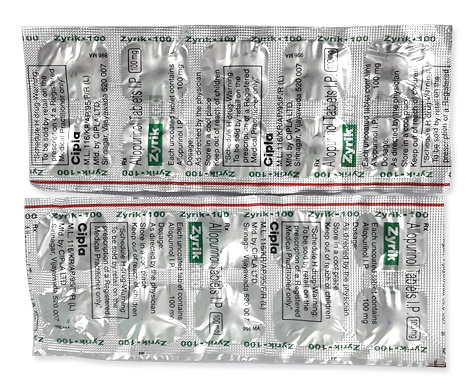
Meclizine
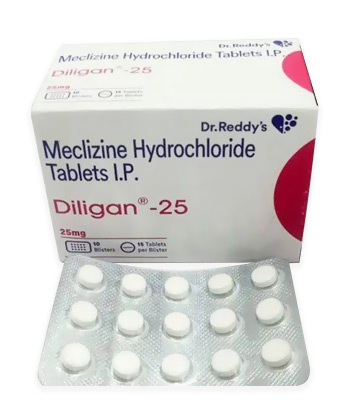
Meclizine
- In Canada, meclizine can be purchased as Bonamine, and in many pharmacies and online stores it may be available without a prescription; however, some countries require a prescription, so local rules should always be checked.
- Meclizine is used to help prevent and treat motion sickness and vertigo. It is an antihistamine that works mainly by reducing signals from the inner ear to the brain and by helping control nausea and dizziness.
- The usual adult dose is 25–50 mg taken about 1 hour before travel for motion sickness, with a maximum of 100 mg per day. For vertigo, the usual dose is 25–100 mg daily in divided doses, as directed.
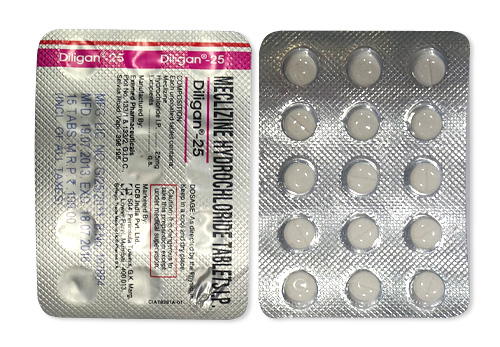
- It is available mainly as oral tablets and chewable tablets, with strengths commonly including 12.5 mg, 25 mg, and 50 mg; rare sublingual or buccal forms may also exist.
- Meclizine usually starts working within about 1 hour after taking it.
- The duration of action is typically about 24 hours, so it is usually taken once daily when needed.
- Alcohol should be avoided because it can increase drowsiness and other central nervous system effects.
- The most common side effect is drowsiness. Dry mouth, blurred vision, fatigue, and constipation can also occur.
- Would you like to try meclizine without a prescription?
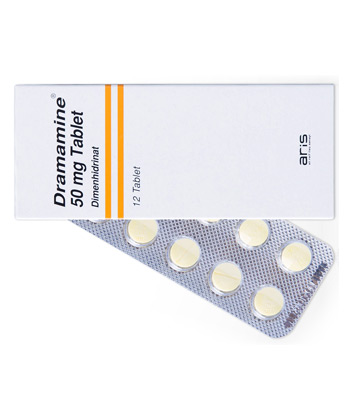
Latest Research Highlights
Patients usually ask one simple question first: does meclizine still work well for travel sickness and vertigo?
The short answer is yes, and that is why Bonamine remains relevant in Canada.
Meclizine is an H1-antihistamine with anticholinergic effects, so its benefit comes from reducing the nausea-and-imbalance signals that drive motion sickness and some forms of vertigo.
The research base is older, but newer reviews from 2022 to 2025 have mostly focused on tolerability, sedation, and patient preference rather than discovering new uses.
For Canadian patients, the practical point is that meclizine hydrochloride still has a place when drowsiness is acceptable, especially for travel-related nausea where a pharmacist may suggest it instead of dimenhydrinate if a less “heavy” option is wanted.
| Study Type | Finding | Clinical Takeaway |
|---|---|---|
| Review data on motion sickness medication | Meclizine remains effective for prevention when taken before travel. | Best used ahead of exposure, not after nausea is already severe. |
| Clinical use in vertigo medication | Provides symptomatic relief for some patients with vertigo. | Helps symptoms, but does not diagnose or cure the cause. |
| Tolerability comparisons | Sedation is common, but many patients find it manageable. | Choose the lowest effective dose if alertness matters. |
Data highlight: standard adult dosing for motion sickness is 25–50 mg about one hour before travel, with a maximum daily dose of 100 mg.
Data highlight: onset is practical for pre-trip use, but the main trade-off is drowsiness, which is why driving plans need to be thought through.
That sedation profile is exactly why Canadian pharmacists often steer travellers toward meclizine when they can tolerate some sleepiness and want a straightforward motion sickness tablet.
Basic Meclizine Information
- INN (International Nonproprietary Name): Meclizine, also spelled Meclozine in some regions.
- Brand names available in Canada (English): Bonamine.
- ATC Code: R06AE05.
- Forms & dosages: Tablets 12.5 mg, 25 mg, 50 mg; chewable tablets 25 mg, 50 mg; rare sublingual or buccal 25 mg.
- Manufacturers in Canada (English): Not specified.
- Registration status in Canada (English): Health Canada approved as Bonamine.
- OTC / Rx classification: Over-the-counter in many settings; prescription in some countries and regions.
Clinical Effectiveness In Canada
What matters in day-to-day pharmacy care is how meclizine fits real Canadian use.
For most people, it is used short term for motion sickness prevention and for symptom control during vertigo episodes.
It is important to set expectations clearly: this is symptom relief, not a cure for the underlying cause.
If the dizziness is new, severe, or tied to other symptoms, the problem may need diagnosis rather than more dizziness medication.
Canadian readers often check product listings for a DIN, because that number helps confirm the product is a legitimate Health Canada-authorized item.
That is especially useful when looking at Bonamine 25 mg online or comparing pharmacy listings by province.
Access can vary by store, province, and time of year, so stock is not always the same across the country.
Some people buy it without a prescription, and in our online pharmacy, meclizine is available without a prescription, with discreet delivery to Canada (English) in 5-14 days.
Public drug coverage is less straightforward.
Ontario Drug Benefit, BC PharmaCare, and RAMQ in Quebec can differ in what they reimburse, what product name they recognize, and whether the indication is covered.
That means the same ingredient may be available, but the patient-facing experience can still be different from province to province.
| Province | Typical Access | Notes |
|---|---|---|
| Ontario | OTC in many pharmacies | Coverage depends on plan and indication. |
| British Columbia | OTC in many pharmacies | Formulary and reimbursement can vary. |
| Quebec | OTC in many pharmacies | RAMQ rules and product listings may differ. |
Pharmacists often recommend starting at the lowest effective dose, especially for older adults.
That approach matters because sedation and anticholinergic effects are more common in seniors.
A careful conversation about alertness, driving, and other medicines usually gives better results than simply choosing the strongest product.
Indications And Expanded Uses
What is meclizine actually for, and when is it not the right answer?
The approved uses are straightforward.
- Motion sickness
- Prevention and treatment of nausea, vomiting, and related symptoms during travel.
- Vertigo
- Symptomatic relief of spinning or imbalance sensations.
- Dizziness
- A broad symptom term that may or may not improve, depending on the cause.
Canadian practice sometimes stretches the discussion to inner-ear related dizziness, but that should stay separate from true approved use.
Meclizine for motion sickness is the clearest fit, especially for car, boat, or bus travel.
Meclizine for dizziness can be reasonable when the dizziness is part of a confirmed vestibular problem, but it is not a universal fix.
For some causes of vertigo, suppressing symptoms without finding the cause delays proper care.
That is why a patient-centred conversation matters.
One traveller may want a quick option before a ferry ride, while another may want to avoid anything that affects alertness for a work trip.
The standard adult motion sickness dose is 25–50 mg one hour before travel.
For vertigo, divided daily doses of 25–100 mg may be used, depending on the situation and clinical direction.
Composition And Brand Landscape
Meclizine hydrochloride is the active ingredient, and that same medicine appears under different brand names around the world.
In Canada, Bonamine is the name most people will recognise.
Elsewhere, the same ingredient may be sold as Antivert, Bonine, Dramamine Less Drowsy, or Travel-Ease in the United States, and as Meclozine in the United Kingdom and Japan.
That is why cross-border searches can be confusing.
Someone may ask for “Dramamine Less Drowsy vs. Bonine” and assume they are completely different products when they are simply different market labels for the same medicine class.
Canadian packaging may also show bilingual labelling, DIN information, and retailer-specific packaging differences.
That is normal.
Tablets are commonly 25 mg in Canada, although 12.5 mg and 50 mg strengths exist in some markets, and chewable tablets are available in some regions.
| Brand Name | Country/Region | Typical Strength | Package Type |
|---|---|---|---|
| Bonamine | Canada | 25 mg | Tablets |
| Bonine | United States | 12.5 mg, 25 mg | Tablets or bottles |
| Dramamine Less Drowsy | United States | 12.5 mg, 25 mg | Tablets |
| Meclozine | United Kingdom and Japan | 25 mg | Tablets |
Seeing the same medicine under different names is useful when people shop online or compare travel medicine before a trip.
It also helps explain why a Canadian patient may find Bonamine 25 mg more easily in a local pharmacy than a US brand name.
Contraindications And Special Precautions
Who should be cautious with meclizine?
The most important contraindication is allergy to meclizine, meclozine, or piperazine derivatives.
Children under six should not be assumed safe because most products do not have enough safety data for that age group.
Older adults need extra care because sedation and anticholinergic effects are more likely.
That includes dry mouth, blurred vision, constipation, confusion, and next-day grogginess.
People with glaucoma, urinary retention, or prostatic hypertrophy should also be cautious.
Asthma is another situation where a pharmacist may want to review the full picture before recommending a motion sickness medication.
Pregnancy should be discussed before use, even though the product has been listed as Category B in the US.
Severe hepatic or renal impairment also deserves caution because dose adjustment may be needed, even though universal rules are not well defined.
This matters in Canada too, especially for older adults in rural areas where follow-up may not happen quickly.
Clear counselling, conservative dosing, and a simple “when to call for help” plan are often the safest approach.
Urgent red flags: chest pain, fainting, severe dehydration, neurological symptoms, or vomiting that does not settle need medical assessment.
Dosage Guidelines
How much should a person actually take?
That is usually the first practical question at the pharmacy counter.
The adult dose for motion sickness prevention is 25–50 mg about one hour before travel.
The maximum daily dose is 100 mg.
For vertigo, total daily dosing may range from 25–100 mg in divided doses.
Children under 12 have limited evidence, so label directions and paediatric guidance should be followed carefully.
Older adults should usually start low, often around 12.5 mg, because sensitivity to sedation is higher.
Hepatic or renal impairment may require caution and closer monitoring.
| Indication | Typical Adult Dose | Maximum Daily Dose |
|---|---|---|
| Motion sickness | 25–50 mg one hour before travel | 100 mg |
| Vertigo | 25–100 mg daily in divided doses | 100 mg |
Missed doses should not be doubled.
If a dose is forgotten, take it as soon as remembered unless the next dose is close.
Overdose can cause drowsiness, dry mouth, blurred vision, and rarely seizures, so medical attention is needed right away.
Store the tablets at 20–25°C and keep them away from moisture and light.
Original packaging is best, especially when travelling.
Interactions Overview
Meclizine does not generally have a long list of major drug interactions, but the interactions that do matter are the ones people actually run into.
Alcohol is the big one.
So are cannabis, sleep aids, opioid pain medicines, and other sedating antihistamines.
Those combinations can turn a manageable level of drowsiness into a safety issue.
That matters on a winter drive, a long road trip to cottage country, or a ski weekend when alertness really counts.
Food interactions are usually less important than beverage and medication combinations.
The practical advice is simple: if a product already makes you sleepy, do not stack it with alcohol and then plan to drive.
| Interaction | Why It Matters | What To Do |
|---|---|---|
| Alcohol | Can increase CNS depression | Avoid drinking while using meclizine. |
| Sleep aids or opioids | May increase sedation | Use only with clinician advice. |
| Other sedating antihistamines | Can worsen drowsiness | Do not combine without checking first. |
The key point is not that meclizine is a complicated interaction drug.
The key point is that its sedation can become clinically meaningful when everyday Canadian lifestyle factors are added in.
Cultural Perceptions And Patient Habits
How do Canadians usually talk about meclizine?
Most people think of it as a practical travel medicine, not a daily medication.
That shows up in online discussions, travel checklists, and pharmacy questions about “meclizine OTC for travel.”
Common themes are familiar.
People compare it with dimenhydrinate, ask whether it is really less drowsy, and worry about whether they can drive after taking it.
Those are sensible questions.
They reflect a Canadian preference for evidence-backed advice and clear counselling rather than guesswork.
Urban shoppers may have more choice at larger chains such as Shoppers Drug Mart, Rexall, Jean Coutu, or London Drugs, while rural patients may rely on a local independent or an online Canadian pharmacy.
That access gap is one reason people often want a straightforward answer before a trip, rather than hunting through several stores.
- Myth: If it is “less drowsy,” it will not cause sedation.
- Myth: It works equally well for every kind of vertigo.
- Myth: Taking more will make it work much better.
- Myth: It is safe to combine with alcohol if only one tablet is taken.
In practice, patient experience is shaped by the trip, the dose, and the need to stay alert.
That is why a short pharmacist conversation often makes the difference between a useful travel medicine and a bad day on the road.
Availability And Pricing Patterns
Where do Canadians usually buy meclizine?
Most often, they look at major pharmacy chains first.
Shoppers Drug Mart, Rexall, Jean Coutu, and London Drugs are all common points of access, but stock can change by province and season.
Online Canadian pharmacies are another option, especially when the goal is to plan ahead for a trip.
When buying online, it makes sense to check the DIN, the expiry date, and whether the listing matches the product strength and label you expect.
Cross-border shopping complicates the picture.
In the US, products such as Bonine or Antivert may be cheaper or easier to find over the counter.
Canadian pricing can feel higher because of distribution costs, a smaller market, and provincial coverage differences.
That is not unusual.
| Region | Access | Pricing Pattern | Notes |
|---|---|---|---|
| Canada | Pharmacies and online Canadian pharmacies | Often higher | Check DIN and provincial rules. |
| United States | Wider OTC availability | Often lower | Bonine and Antivert are common. |
The main caution with cross-border buying is simple.
The same ingredient can look different by name, package, and strength, so product verification still matters.
Comparable Medicines And Preferences
How does meclizine compare with other motion sickness and vertigo options?
For many Canadian patients, it sits in the middle of the pack.
It is often less “heavy” than promethazine, but still sedating enough that driving after a dose deserves caution.
Dimenhydrinate is more familiar to many travellers because it has been around for a long time and is widely recognised.
Scopolamine transdermal is useful for prevention when a patch is preferred.
Cinnarizine is more commonly seen in some European and Asian settings than in Canada.
| Medicine | Typical Use | Sedation Risk | Route |
|---|---|---|---|
| Meclizine | Motion sickness and vertigo symptom relief | Moderate | Oral |
| Dimenhydrinate | Motion sickness | Moderate to high | Oral |
| Promethazine | Nausea and vertigo | High | Oral or other forms |
| Scopolamine patch | Prevention of motion sickness | Variable | Transdermal |
Pros: familiar, useful before travel, and simple to take.
Cons: drowsiness, dry mouth, and not enough benefit for every vertigo cause.
Choice depends on age, trip type, past response, and whether the person needs to stay alert.
Frequently Asked Questions
Can I buy meclizine without a prescription in Canada?
Yes, Bonamine is approved in Canada and may be available without a prescription depending on the product and pharmacy.
How long before travel should I take Bonamine?
Adults commonly take 25–50 mg about one hour before travel.
Will it make me too sleepy to drive?
It can cause drowsiness, so driving after a dose should be avoided unless you already know how you respond.
Is it the same as Dramamine?
Meclizine is related to other motion sickness medicines, but brand names vary by country, so package labels matter.
Can I use it if I am pregnant?
Pregnancy is a situation where caution is advised, so it should be discussed with a pharmacist or prescriber before use.
Guidelines For Proper Use
The safest way to use meclizine is the simple way.
Take it only as directed.
Start with the lowest effective dose.
Avoid alcohol.
Do not use it to force yourself through severe dizziness without assessment.
That last point matters, because a medication that quiets symptoms can sometimes hide a problem that needs attention.
If vomiting is persistent, if the person becomes faint, if chest pain appears, or if neurological symptoms show up, medical help is needed.
Recurrent vertigo should also be reviewed by a family physician or pharmacist as part of shared care.
Store the tablets at 20–25°C and keep them in the original package when travelling.
That makes it easier to read the label, check the strength, and avoid confusion with other medicines.
Safety summary: do not double a missed dose, watch for drowsiness and dry mouth, and seek help quickly for overdose symptoms such as extreme sleepiness, blurred vision, or rare seizures.
Delivery Across Canada (English)
| City | Region | Delivery time |
|---|---|---|
| Toronto | Ontario | 5-7 days |
| Ottawa | Ontario | 5-7 days |
| Hamilton | Ontario | 5-7 days |
| London | Ontario | 5-7 days |
| Montreal | Quebec | 5-7 days |
| Quebec City | Quebec | 5-7 days |
| Vancouver | British Columbia | 5-7 days |
| Victoria | British Columbia | 5-7 days |
| Calgary | Alberta | 5-7 days |
| Edmonton | Alberta | 5-7 days |
| Winnipeg | Manitoba | 5-7 days |
| Halifax | Nova Scotia | 5-7 days |
| Regina | Saskatchewan | 5-9 days |
| St. John's | Newfoundland and Labrador | 5-9 days |