{{ __('Your cart') }}0
0,00 $
0
items
0,00 $
Pain relief medications, also known as analgesics, are drugs designed to reduce or eliminate pain signals in your body. These medications work through different mechanisms depending on their type and classification. Over-the-counter pain relievers are commonly used for mild to moderate pain, while prescription options may be necessary for more severe conditions. Understanding the different types of pain relief available helps you make informed decisions about your healthcare needs.
Pain can be acute, lasting a short period, or chronic, persisting for weeks or months. The type of pain you experience determines which medication may be most effective. Non-prescription pain relievers are accessible without a doctor's prescription and are suitable for everyday aches and discomfort. Always follow package directions and consult a healthcare professional if pain persists beyond a few days.
Over-the-counter pain relievers are the most commonly used medications for managing mild to moderate pain and fever. These medications are available at pharmacies, grocery stores, and drugstores throughout Canada without requiring a prescription. They are affordable, accessible, and effective for most people when used correctly.
Acetaminophen (Tylenol) is one of the most popular over-the-counter pain relievers in Canada. It works by reducing pain signals and lowering fever. Acetaminophen is gentle on the stomach and suitable for most people, including those who cannot take other pain relievers. It's commonly used for headaches, muscle aches, and cold symptoms. Available in tablets, caplets, and liquid forms, acetaminophen is often recommended for people with sensitive stomachs or those taking blood thinners.
Ibuprofen (Advil, Motrin) is a nonsteroidal anti-inflammatory drug (NSAID) that reduces pain, inflammation, and fever simultaneously. Ibuprofen is effective for menstrual cramps, headaches, toothaches, and general body aches. It typically works faster than acetaminophen and provides longer-lasting relief. However, ibuprofen should be taken with food to minimize stomach irritation.
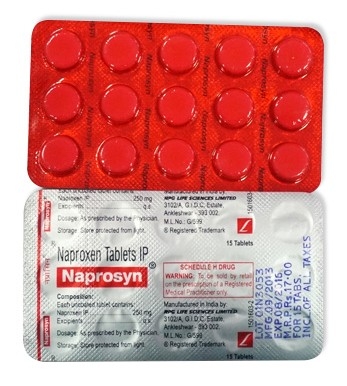
Naproxen (Aleve) is another NSAID option available over-the-counter in Canada. Naproxen provides extended relief, often lasting up to twelve hours per dose, making it convenient for sustained pain management. It's effective for arthritis, muscle aches, and period pain. Like other NSAIDs, naproxen should be used at the lowest effective dose for the shortest duration necessary.
ASA (Aspirin) remains a trusted pain reliever and anti-inflammatory medication used by many Canadians. It's effective for headaches, muscle aches, and general pain. Aspirin also has heart health benefits when taken in low doses regularly, though this should be done under medical supervision. Some people prefer aspirin for its affordability and proven effectiveness.
When over-the-counter options don't provide adequate relief, prescription pain medications offer stronger alternatives. These medications are prescribed by doctors for moderate to severe pain and require medical supervision due to their potency and potential side effects. Prescription pain relievers are often used after surgery, for chronic conditions, or for injuries requiring stronger intervention.
Opioid medications include codeine, morphine, and oxycodone, which are prescribed for severe pain that doesn't respond to other treatments. These powerful medications work by changing how the brain perceives pain. Opioids are typically prescribed for short-term use following surgery or for cancer-related pain. Due to their potential for dependency, opioids require careful monitoring and should only be used as directed by your healthcare provider.
Combination medications often pair acetaminophen or NSAIDs with other active ingredients to enhance pain relief. Products like those containing acetaminophen with codeine provide stronger relief for moderate pain conditions. These combinations are available only by prescription in Canada and should be used exactly as prescribed.
Topical pain relievers including creams, gels, and patches deliver medication directly to the affected area. These options minimize systemic side effects and are excellent for localized pain like arthritis or muscle strains. Prescription-strength topical options provide more concentrated relief than over-the-counter versions.
Many Canadians seek natural alternatives or complementary approaches to manage pain alongside or instead of medications. These options may include herbal remedies, supplements, and lifestyle modifications that support pain management without pharmaceutical intervention.
Herbal remedies like turmeric, ginger, and Devil's Claw have been traditionally used for pain relief and inflammation reduction. Turmeric contains curcumin, known for anti-inflammatory properties that may help with arthritis and joint pain. Ginger has been shown to reduce muscle soreness and inflammatory pain. These natural options are available as supplements in Canadian health stores, though their effectiveness varies from person to person.
Physical therapy and exercise play crucial roles in pain management and prevention. Regular movement, stretching, and strengthening exercises can reduce chronic pain, improve flexibility, and enhance overall function. Professional physical therapists can develop personalized programs addressing your specific pain concerns.
Heat and cold therapy are simple yet effective methods for pain relief. Cold therapy reduces inflammation and numbs acute pain, while heat therapy relaxes muscles and improves circulation. These complementary approaches work well alongside medications and can be used multiple times daily.
Mindfulness and relaxation techniques including meditation, deep breathing, and yoga help manage pain by reducing stress and tension. These practices lower pain perception and improve emotional well-being, making them valuable components of comprehensive pain management strategies.
Selecting appropriate pain relief depends on several factors including pain type, severity, duration, and personal health considerations. Understanding your specific situation helps you and your healthcare provider choose the most effective and safest option.
Using pain relief medications safely requires understanding proper dosing, potential interactions, and warning signs requiring medical attention. Following guidelines protects your health while maximizing pain relief effectiveness.
Read all labels carefully before taking any pain relief medication. Follow dosage instructions precisely and don't exceed recommended daily limits. Different products may contain the same active ingredients, so check labels to avoid accidental overdose.
Be aware of medication interactions with other drugs you're taking. Some pain relievers can interact with blood thinners, blood pressure medications, and other drugs. Always inform your pharmacist about all medications and supplements you use.
Consult a healthcare professional if pain persists beyond a few days, worsens, or occurs with other symptoms like fever or swelling. Severe pain may indicate underlying conditions requiring professional evaluation. Don't self-treat serious pain without medical guidance.
Store medications properly in cool, dry places away from children and pets. Check expiration dates regularly and dispose of expired medications appropriately through pharmacy disposal programs.
Effective pain management improves quality of life and allows you to maintain daily activities. By understanding available options and using them safely and appropriately, you can find relief that works best for your individual needs. Your Canadian pharmacy team is available to answer questions about pain relief options and help you select the most suitable solution for your situation.