
Phenazopyridine
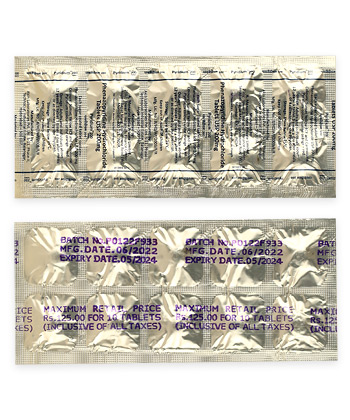
Phenazopyridine
- In many pharmacies (especially in the United States and from some online retailers) phenazopyridine can be purchased over the counter without a prescription; availability varies by country—Canada, Australia and New Zealand generally require a prescription and higher strengths (100–200 mg) are often Rx-only.
- Phenazopyridine is used for short‑term symptomatic relief of urinary pain, burning, urgency and frequency (for example with cystitis); it acts as a local urinary tract analgesic (azo dye) providing topical relief to the urinary mucosa, although the exact mechanism is not fully defined.
- The usual adult dose is 100–200 mg orally three times daily after meals (OTC formulations such as 95 mg tablets are commonly taken three times daily); treatment should generally be limited to a maximum of 2 days when used with antibacterial therapy.
- The form of administration is oral tablets (common strengths include uncoated 95 mg OTC tablets and 100 mg or 200 mg tablets).
- Symptom relief often begins within about 30–60 minutes after a dose.
- The duration of action is typically around 6–8 hours, which is why dosing three times daily is common.
- Avoid or limit alcohol while taking phenazopyridine; alcohol may worsen side effects (dizziness, nausea) and can increase strain on the liver.
- The most common side effects are orange/red urine discoloration (harmless), headache and gastrointestinal upset (nausea); less commonly allergic reactions, hemolytic anemia in people with G6PD deficiency and methemoglobinemia have been reported.
- Would you like to try phenazopyridine without a prescription?

Latest Research Highlights
Basic Phenazopyridine Information
- INN (International Nonproprietary Name): Phenazopyridine
- Brand Names Available In Canada (English): Not specified
- ATC Code: G04BX06
- Forms & Dosages: Tablet 95 mg (uncoated), 100 mg, 200 mg; typical packaging in blisters or bottles
- Manufacturers In Canada (English): Not specified
- Registration Status In Canada (English): Primarily prescription-only
- OTC / Rx Classification: Primarily prescription-only in Canada; OTC 95 mg available in the United States
What does recent research say about phenazopyridine and how it should be used?
Recent Canadian and international reports from 2022–2025 reaffirm that phenazopyridine is a short-term urinary tract analgesic rather than an antimicrobial.
Regulatory advisories in many jurisdictions emphasise limiting use to avoid masking infections and to reduce nephrotoxicity risk.
Real-world guidance states a maximum duration of two days when coadministered with antibacterial therapy to prevent hiding treatment failure.
Systematic reviews since 2022 focus on symptomatic relief in acute uncomplicated cystitis but note low-quality evidence for outcomes beyond pain reduction.
Safety signals reported include rare methemoglobinemia and hemolytic anaemia, the latter particularly relevant for patients with G6PD deficiency.
Canadian tertiary centres and antimicrobial stewardship bodies recommend pharmacist triage to decide whether immediate antibiotics are needed or analgesia-first symptom control is appropriate.
Indigenous and rural communities report access issues, and research calls for locally adapted guidance and culturally safe pathways for remote care.
A quick data highlight: ATC code is G04BX06 and the DDD is 0.6 g/day (600 mg/day).
Research gaps include longer-term safety data and robust pregnancy safety evidence.
| Year | Country | Design | N | Outcome |
|---|---|---|---|---|
| 2022 | International | Systematic Review | Not specified | Found symptomatic pain relief but low-quality evidence for long-term outcomes |
| 2023 | Canada | Stewardship Recommendation / Tertiary Centre Report | Not specified | Recommended pharmacist triage and limited short-term use to avoid masking infections |
| 2024 | International | Safety Signal Analyses | Not specified | Rare reports of methemoglobinemia and hemolytic anaemia, risk with G6PD deficiency highlighted |
| 2025 | International | Guidance Update / Regulatory Advisory | Not specified | Advised maximum 2-day use with antibacterials and reiterated short-term analgesic role |
Clinical Effectiveness In Canada
Are patients in Canada getting rapid relief from burning and urgency when phenazopyridine is used?
Phenazopyridine provides rapid relief of dysuria and urinary urgency but does not treat bacterial infection.
Health Canada and regulatory summaries describe phenazopyridine as a urinary tract analgesic, not an antibiotic.
In Canadian practice phenazopyridine is primarily prescription-only, and provincial formularies rarely list it as a reimbursed chronic agent because its purpose is short-term symptom control.
Clinical trials typically use patient-reported pain scores at 24–48 hours as the main efficacy endpoint, with modest but consistent benefits over placebo.
Practical triage in pharmacy and clinics should assess for red flags such as fever, flank pain, pregnancy, renal disease, and recent urinary testing before recommending phenazopyridine.
Pharmacist triage algorithms often include urine dipstick or culture if available, recognising that phenazopyridine can interfere with some urinalysis methods.
Confirm the Drug Identification Number (DIN) and product availability via Health Canada’s Drug Product Database before prescribing or dispensing.
Provide counselling in English and French where needed and discuss provincial formulary coverage such as ODB and RAMQ if cost is a concern.
When symptoms are severe or systemic signs are present, prioritise immediate antibiotic therapy rather than symptomatic analgesia alone.
Indications And Expanded Uses
When is phenazopyridine appropriate and when is it not?
The approved indication is short-term symptomatic relief of dysuria associated with urinary tract irritations such as cystitis, urethritis, and prostatitis, used as adjunctive therapy.
Typical guidance states 100–200 mg orally three times daily after meals for symptomatic relief in cystitis, prostatitis, and urethritis.
Off-label or expanded uses in Canadian practice are limited and used cautiously, for example to provide comfort before urological procedures or as short-term palliation while awaiting culture results in recurrent UTI cases.
Phenazopyridine is not a substitute for antibiotics when bacterial infection is suspected and should not delay definitive antimicrobial therapy when indicated.
Contraindicated populations include those with renal insufficiency, severe hepatic impairment, G6PD deficiency, and most paediatric patients.
Immediate referral is required for red flags such as fever, flank pain, signs of sepsis, or haematuria with clotting.
Bilingual labelling and clear counselling help prevent misuse and support antimicrobial stewardship in diverse Canadian communities.
Composition And Brand Landscape
Which brands and strengths will patients ask about at the counter?
The active ingredient is phenazopyridine (INN) with brand and generic options internationally such as Pyridium, Uristat, Phenazo, and Urobiotic.
Typical tablet strengths include 95 mg, 100 mg, and 200 mg depending on market and formulation.
The Canadian market is smaller and largely prescription-driven, and brand availability varies by province and distributor.
Generics from major manufacturers such as Teva or Sun Pharma may be imported or available regionally, but specific Canadian manufacturers are not specified in the available data.
Pharmacies should use a DIN lookup in Health Canada’s Drug Product Database to confirm exact product details before dispensing.
Bilingual packaging and patient leaflets are expected, particularly for pharmacies serving Quebec and federal institutions.
Retail distribution is via large chains and independent pharmacies, and online pharmacies must verify DINs on any imported product to ensure authenticity.
Note that the United States commonly sells 95 mg OTC products, which differs from the Rx-dominant Canadian market and should be explained during cross-border counselling.
| Brand Name | Country/Region | Form & Strength |
|---|---|---|
| Pyridium | US, Europe, LATAM | Tablets: 100 mg, 200 mg |
| Uristat | US | Tablets: 95 mg (OTC in US) |
| Phenazo | Europe, Asia | Tablets: 100 mg, 200 mg |
| Urobiotic | South America | Tablets: 100 mg, 200 mg |
Contraindications And Special Precautions
Who should not take phenazopyridine and what screenings matter?
Absolute contraindications include renal insufficiency, severe hepatic impairment, G6PD deficiency, hypersensitivity to phenazopyridine, and routine paediatric use.
Use caution in elderly patients, who should start at the lowest effective dose and have renal function monitored.
Pregnancy and lactation are relative cautions and phenazopyridine should be used only if clearly necessary.
Common safety concerns include harmless urine discolouration (orange to red), rare hemolytic anaemia in G6PD-deficient individuals, and rare methemoglobinemia with higher or prolonged dosing.
Remember the practical limits: maximum duration of two days when used with antibacterials, and the DDD is 600 mg per day.
Pharmacists should flag chronic self-medication and coordinate with primary care to prevent unsafe prolonged use.
Screening for G6PD deficiency is more relevant in some communities; provincial labs can perform testing and pharmacists should advise accordingly.
Dosage Guidelines
What dose should a typical adult take and what should be done for missed doses or overdose?
Standard adult dosing is 100–200 mg orally three times daily after meals.
The DDD is 0.6 g per day (600 mg/day) and the maximum recommended duration is two days when used with antibiotics; longer courses are discouraged.
Pediatric dosing is generally not recommended and phenazopyridine is contraindicated in many children.
In renal impairment the drug is avoided or contraindicated due to the risk of accumulation and toxicity.
Elderly patients should start at the lowest effective dose with renal monitoring where available.
If a dose is missed, take it as soon as remembered unless it is nearly time for the next dose; do not double up on doses.
In case of suspected overdose seek medical attention immediately because of the risk of methemoglobinemia and hemolytic anaemia.
Pharmacists should record the DIN, check eGFR via shared EMR where available, and annotate provincial drug plan claims for short-term coverage when needed.
Interactions Overview
Will phenazopyridine change lab tests or interact with other medicines?
Phenazopyridine has relatively few clinically significant drug–drug interactions recorded but important lab interferences and co‑med risks exist.
The drug can interfere with urine colourimetric dipstick tests and may distort urinalysis results or produce false positives because of intense colouring.
Caution is warranted with other oxidising drugs in patients at risk for methemoglobinemia, and with nephrotoxic agents in patients with reduced renal function.
Taking phenazopyridine after meals reduces gastrointestinal upset and is the recommended timing.
Pharmacists should document recent phenazopyridine use before urine testing, especially in remote communities where repeat testing is difficult.
Consider an EMR alert when dispensing alongside NSAIDs or antibiotics with renal risk and when recent urinalysis has been ordered.
Cultural Perceptions And Patient Habits
What do Canadian patients actually think and worry about when offered phenazopyridine?
Many Canadians appreciate non-antibiotic symptomatic care when it is explained clearly and aligns with stewardship goals.
Online forums and community discussions frequently raise alarm about orange urine, which is an expected and harmless side effect.
Bilingual counselling in English and French reduces confusion and improves adherence, particularly in Quebec and federal settings.
Rural and Indigenous communities face access barriers such as fewer pharmacies, seasonal clinic closures, and slower lab turnaround times.
Telepharmacy and community health workers often help bridge those gaps, and culturally safe materials improve uptake of best-practice triage.
Some Canadians cross the border for OTC 95 mg products; pharmacists should compare regulatory differences and discourage unsupervised self-medication.
Availability And Pricing Patterns
How easy is it for a Canadian patient to get phenazopyridine and what will it cost?
In Canada phenazopyridine is primarily prescription-only and stock and brands vary by province and supplier.
Major chains and independent pharmacies can order products for patients, but some rural pharmacies may need to special order generics.
Most public formularies do not list phenazopyridine for routine coverage due to its short-term role, so patients often pay out of pocket unless Exceptional Access is granted.
Online pharmacies must verify DINs for imported products to ensure authenticity and safety.
Practical tip: discuss short-term provision while awaiting cultures and advise against unverified cross-border purchases.
Purchase context note: phenazopyridine is available without a prescription from our online pharmacy, with discreet delivery to Canada in 5–14 days.
| Pharmacy Chain / Type | Typical Availability | Pricing Pattern |
|---|---|---|
| Major Chains (e.g., Shoppers Drug Mart) | Stock varies; available by order | Out-of-pocket or formulary exception |
| Independent Rural Pharmacies | Often special order required | Out-of-pocket; variable markup |
| Online Pharmacies | Available with DIN verification | Price varies; verify authenticity |
Comparable Medicines And Preferences
When might a clinician choose something else instead of phenazopyridine?
Alternatives for urinary symptom control include systemic analgesics such as NSAIDs, antispasmodics in some markets, and preventive agents like methenamine hippurate for recurrent UTI prevention.
Phenazopyridine is unique as a targeted urinary tract analgesic with rapid local symptom relief, but it is short-term only and can interfere with lab tests.
NSAIDs offer systemic pain relief but do not provide local urinary analgesia and carry their own renal and GI risks.
When bacterial infection is suspected, antibiotics such as nitrofurantoin, fosfomycin, or trimethoprim-sulfamethoxazole remain the only options for eradication.
Clinical decision-making should prioritise antibiotics where systemic signs or fever are present and consider phenazopyridine only for adjunctive short-term symptom relief.
FAQ Section
- Does phenazopyridine treat UTIs? — No, it relieves pain only; see a clinician for antibiotics if infection is suspected.
- Why is my urine orange? — This is an expected harmless discolouration and can stain fabrics; maintain hydration and expect the colour to clear after stopping the drug.
- How long can I use it? — Maximum two days when used with antibiotics; longer courses require medical review.
- Is it available over the counter in Canada? — Generally it is prescription-only in Canada; OTC 95 mg formulations are common in the United States and should be checked with a pharmacist before cross-border purchase.
- Are there safety checks? — Pharmacists should screen for renal disease, G6PD deficiency, pregnancy, and current medications before recommending phenazopyridine.
Check provincial drug coverage such as ODB, BC PharmaCare, or RAMQ and confirm DIN details via Health Canada’s Drug Product Database when counselling patients.
For rural patients, a telehealth visit or community pharmacist triage can often arrange safe short-term symptom control and follow-up testing.
Guidelines For Proper Use
How should pharmacists and prescribers manage phenazopyridine safely in Canada?
Verify clinical need: no fever, no flank pain, and no systemic signs should be confirmed before offering purely symptomatic therapy.
Confirm renal function and consider G6PD status if the patient belongs to a higher-risk population.
Document DIN and counselling in the patient record and limit dispensing to short courses, typically a maximum of two days when combined with antibiotics.
Counselling points include taking tablets after meals to reduce GI upset, warning about urine discolouration, and noting interference with urinalysis.
If symptoms worsen or systemic signs appear, advise immediate medical review and possible initiation of antibiotics.
Offer bilingual materials, tailor information to health literacy levels, and coordinate with Indigenous health services for remote follow-up when appropriate.
Set an EMR alert to prevent repeat short-term dispensing without reassessment and liaise with primary care for culture results and ongoing management.
Delivery Across Canada (English)
| City | Region | Delivery Time |
|---|---|---|
| Toronto | Ontario | 5-7 days |
| Vancouver | British Columbia | 5-7 days |
| Montreal | Quebec | 5-7 days |
| Calgary | Alberta | 5-7 days |
| Ottawa | Ontario | 5-7 days |
| Edmonton | Alberta | 5-7 days |
| Winnipeg | Manitoba | 5-7 days |
| Halifax | Nova Scotia | 5-9 days |
| Victoria | British Columbia | 5-9 days |
| Saskatoon | Saskatchewan | 5-9 days |
| St. John’s | Newfoundland and Labrador | 5-9 days |
| Regina | Saskatchewan | 5-9 days |
| London | Ontario | 5-7 days |
| Fredericton | New Brunswick | 5-9 days |