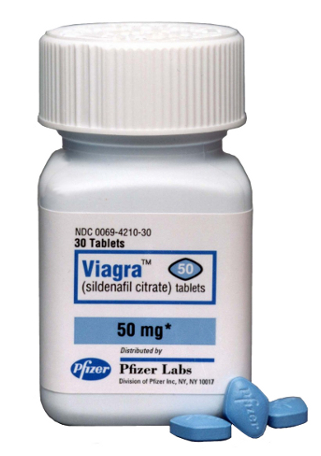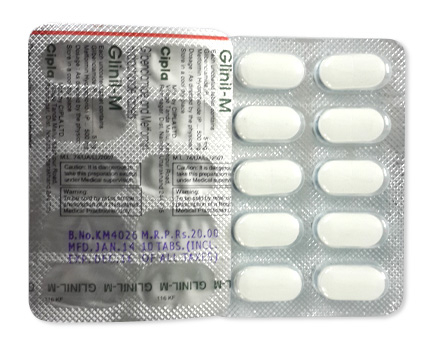
Female Viagra
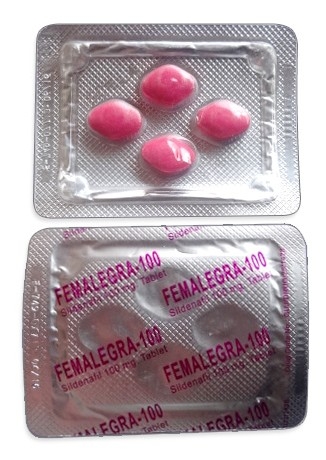
Female Viagra
- In some pharmacies and many online sellers you can buy “female Viagra” without a prescription (often sold as sildenafil generics or unregulated “female enhancer” tablets); however, the FDA‑approved drugs specifically for low sexual desire in women—flibanserin (Addyi) and bremelanotide (Vyleesi)—require a prescription in regulated markets such as Canada and the United States.
- “Female Viagra” usually refers to treatments for hypoactive sexual desire disorder (HSDD) in premenopausal women: flibanserin is a central serotonin receptor modulator that increases dopamine and norepinephrine and reduces serotonin activity; bremelanotide is a melanocortin receptor (MC4) agonist given subcutaneously to activate central pathways involved in sexual desire; sildenafil (marketed as “female Viagra” in some countries) is a PDE5 inhibitor used off‑label with unclear benefit for female HSDD.
- Usual dosages: flibanserin 100 mg once daily at bedtime; bremelanotide 1.75 mg subcutaneous injection administered ≥45 minutes before sexual activity (max 1 dose per 24 hours and 8 doses per month); sildenafil products sold as “female Viagra” are typically 50–100 mg tablets (commonly 100 mg in some markets) though not approved for HSDD.
- Form of administration: flibanserin — oral tablet; bremelanotide — single‑use prefilled subcutaneous autoinjector; sildenafil generics — oral tablets.
- Onset time: flibanserin is taken nightly and clinical benefit may take several weeks (effects are assessed around 4–8 weeks); bremelanotide onset is typically within about 30–60 minutes (label recommends ≥45 minutes before sex); sildenafil onset is usually 30–60 minutes.
- Duration of action: flibanserin provides ongoing effect while taken daily (clinical benefit maintained with continued use); bremelanotide’s effect is intended for a single sexual event and dosing is limited to once per 24 hours (effects may persist for several hours after dosing); sildenafil’s vasodilatory effects typically last about 4–5 hours.
- Alcohol warning: do not drink alcohol with flibanserin (severe hypotension and syncope risk); avoid alcohol with bremelanotide and sildenafil as it may worsen dizziness, low blood pressure or other side effects—use caution and follow product‑specific guidance.
- The most common side effect is nausea (other frequent effects include dizziness and somnolence with flibanserin, and flushing, headache and injection‑site reactions with bremelanotide).
- Would you like to try “female viagra” without a prescription?
Latest Research Highlights
Basic Female Viagra Information
- INN (International Nonproprietary Name): The term “Female Viagra” generally refers to flibanserin (Addyi) and, less commonly, bremelanotide (Vyleesi), both of which are approved for treating hypoactive sexual desire disorder (HSDD) in premenopausal women.
- Brand Names Available In Canada (English): Addyi (flibanserin) — listed in RAW_DATA as a United States brand; Vyleesi (bremelanotide) — listed in RAW_DATA as a United States brand; Vibasuva F (sildenafil‑based product marketed in India) — listed in RAW_DATA but not approved for HSDD by major regulators.
- ATC Code: Flibanserin — G02CX01; Bremelanotide — G02CX06.
- Forms & Dosages: Flibanserin 100 mg oral tablet, once daily at bedtime; Bremelanotide 1.75 mg subcutaneous injection, single‑use autoinjector, as needed up to 8 doses/month; Sildenafil (Vibasuva F) 100 mg oral tablets marketed in some countries but not approved for HSDD by major regulators.
- Manufacturers In Canada (English): Not specified in RAW_DATA for Canadian manufacturers; RAW_DATA lists Sprout Pharmaceuticals (Addyi, U.S.), AMAG Pharmaceuticals (Vyleesi, U.S.), and Medsuvac Lifesciences (Vibasuva F, India).
- Registration Status In Canada (English): RAW_DATA does not specify Health Canada registration; Addyi and Vyleesi are FDA‑approved in the United States, flibanserin was not approved in the EU as of early 2021, and no publicized ANMDMR registration in Romania as of mid‑2025.
- OTC / Rx Classification: Addyi and Vyleesi — Prescription only (Rx) in regulated markets per RAW_DATA; some sildenafil generics are sold OTC in countries like India but are not approved for female HSDD by major authorities.
Latest Research Highlights (Canadian & International, 2022–2025)
Are you wondering what recent studies actually say about treatments for low sexual desire in women?
Systematic reviews and phase‑3 trials since 2022 report that flibanserin and bremelanotide produce statistically significant improvements in sexual desire and in the number of satisfying sexual events for premenopausal women with acquired, generalized HSDD.
The magnitude of benefit is generally modest on average, with many trials reporting small‑to‑moderate effect sizes compared with placebo.
Adverse‑event signals seen in earlier trials remain consistent: dizziness, somnolence and nausea for flibanserin, and nausea, flushing and injection‑site reactions for bremelanotide.
Flibanserin carries a clear alcohol‑interaction risk linked to hypotension and syncope in some patients, a finding echoed in post‑marketing surveillance summaries.
Head‑to‑head comparative trials are limited, so meta‑analyses rely on variable responder definitions and trial designs, which increases heterogeneity in pooled estimates.
Canadian‑specific trials are scarce, and most clinicians in Canada base decisions on FDA filings and international systematic reviews while awaiting local post‑market data.
Recent regulatory reviews and label updates in the United States continue to inform safety counselling and warnings for both products.
Research is shifting toward patient‑centred outcomes beyond symptom scores, placing more weight on quality‑of‑life, relationship functioning and partner effects.
The following table summarises key trials and reports from 2019–2025 with primary outcomes, effect sizes and main adverse events.
| Drug | Population | Primary Outcome | Effect Size / Result | Main Adverse Events |
|---|---|---|---|---|
| Flibanserin (Addyi) | Premenopausal women with acquired, generalized HSDD | Increase in satisfying sexual events and desire scores | Small‑to‑moderate benefit vs placebo (statistically significant) | Dizziness, somnolence, nausea, hypotension risk with alcohol |
| Bremelanotide (Vyleesi) | Premenopausal women with acquired, generalized HSDD | Improved desire and sexual event frequency | Statistically significant but clinically modest improvements | Nausea, flushing, injection‑site reaction, headache |
| Sildenafil (Vibasuva F — marketed as "female Viagra" in some countries) | Various female populations in unregulated markets | Not indicated/approved for HSDD by major regulators | Evidence for HSDD limited or not established | Typical PDE5 inhibitor AEs; not approved for HSDD |
Clinical Effectiveness In Canada (Health Canada, DIN, Formularies)
Do Canadian patients actually have access to these medications through standard provincial coverage?
Clinical evidence supports flibanserin and bremelanotide for premenopausal acquired, generalized HSDD based on FDA filings and international reviews, but Canadian access depends on Health Canada market authorisation and assigned DINs.
Clinicians should confirm product registration and DIN using Health Canada’s Drug Product Database before prescribing, and then check provincial formularies such as Ontario Drug Benefit, BC PharmaCare or RAMQ for listing status or special authorisation requirements.
If no DIN or formulary listing exists, options include private prescription, special import pathways, clinical trials or compassionate supply depending on provincial rules.
Pharmacists in major chains such as Shoppers Drug Mart, Rexall, Jean Coutu and London Drugs can assist with special‑order requests and benefit adjudication for private insurers.
Steps clinicians should take before prescribing:
- Confirm the drug’s Health Canada registration and DIN.
- Check provincial formulary status and any special authorisation procedures.
- Review private insurance benefits and patient co‑pay scenarios.
- Counsel patients on off‑label use and document informed consent when applicable.
Cross‑border and cost notes: US retail prices for specialty medications may be lower, but cross‑border purchase requires a valid US prescription and is subject to Canadian import rules.
Indications And Expanded Uses (Approved Vs Off‑Label In Canadian Practice)
Patients often ask whether these drugs can help issues beyond premenopausal HSDD.
Both flibanserin and bremelanotide are approved in regulatory filings for acquired, generalized HSDD in premenopausal women, per the RAW_DATA summary of approvals.
In clinical practice, prescribers sometimes receive requests to use these agents off‑label — for postmenopausal low desire, sexual dysfunction secondary to SSRIs, or in partnered vs unpartnered contexts.
Off‑label prescribing should include a clear documented rationale, informed consent and a monitoring plan that is recorded in the chart.
Typical approved indication:
- Acquired, generalized HSDD in premenopausal women (Addyi, Vyleesi per RAW_DATA / FDA).
Common off‑label requests:
- Postmenopausal libido issues (evidence limited; hormone options may be more appropriate).
- Sexual dysfunction related to antidepressant therapy (limited direct evidence).
Required documentation for off‑label use should include diagnosis, prior non‑pharmacologic interventions tried, expected benefits, risks and monitoring frequency.
Special populations such as children and those over 65 are not studied and should generally be excluded; pregnancy and breastfeeding are contraindications and require pregnancy testing and contraception counselling.
Clinicians serving Indigenous, remote and marginalised communities should apply culturally safe counselling and consider access barriers when discussing treatment options.
Composition And Brand Landscape (Active Ingredients, Canadian Brands, Generics)
Patients often search for “female Viagra” and expect a single, simple pill.
The active ingredients most commonly referenced in regulatory literature are flibanserin (Addyi) and bremelanotide (Vyleesi).
Sildenafil formulations are sometimes marketed as “female Viagra” in certain countries such as India, but major regulators do not approve sildenafil for HSDD in women.
Brand availability in Canada depends on Health Canada market authorisation and DIN assignment; RAW_DATA does not list Canadian brands specifically for these agents.
| INN | Brand (If Available In Canada) | Form | Notes |
|---|---|---|---|
| Flibanserin | Addyi (US brand) | 100 mg tablets | Nightly dosing; DIN column: insert after confirming Health Canada entry |
| Bremelanotide | Vyleesi (US brand) | 1.75 mg prefilled autoinjector | On‑demand injection; DIN column: insert after confirming Health Canada entry |
| Sildenafil | Vibasuva F (India market) | 100 mg tablets | Not approved for HSDD by major regulators; marketed as “female enhancer” in some countries |
Generic pathways: once patents expire, generics may apply for approval and substitution follows provincial pharmacist substitution rules.
Pharmacy chains will verify DINs and may special‑order products if not routinely stocked, and Canadian labelling must be bilingual where required.
Contraindications And Special Precautions (Health Canada Advisories, High‑Risk Groups)
One of the most common worries is safety in the context of other medical problems and alcohol use.
Absolute contraindications include known hypersensitivity to the active ingredient, pregnancy and breastfeeding, and age under 18 years per RAW_DATA summaries.
Flibanserin has several important contraindications: severe hepatic impairment, concurrent alcohol use due to hypotension/syncope risk, and concomitant use with strong CYP3A4 inhibitors.
Bremelanotide requires monitoring of blood pressure and should be avoided in patients with uncontrolled hypertension or significant cardiovascular disease; dosing frequency limits apply.
Relative contraindications include mild to moderate hepatic or renal impairment and polypharmacy situations where CYP interactions are plausible.
High‑risk groups in Canada such as older adults (>65), patients with significant liver disease and those in remote or underserved communities merit extra caution.
- Absolute Contraindications: Hypersensitivity, pregnancy, breastfeeding, flibanserin in severe hepatic impairment, flibanserin + alcohol or strong CYP3A4 inhibitors.
- Relative Contraindications: Mild/moderate hepatic or renal impairment, hypotension risk, significant cardiovascular disease for bremelanotide.
Pharmacists should flag interactions, counsel about alcohol avoidance with flibanserin, and ensure documented monitoring plans when dispensing.
Dosage Guidelines (Standard Canadian Dosing, Adjustments)
Patients ask how these treatments are actually taken and what happens if a dose is missed.
Standard dosing from international labels recorded in RAW_DATA is: flibanserin 100 mg oral once nightly at bedtime, and bremelanotide 1.75 mg subcutaneous injection at least 45 minutes before sexual activity, not to exceed one dose per 24 hours or eight doses per month.
- Flibanserin: 100 mg orally at bedtime; if a dose is missed, skip it and continue the next night; reassess benefit at around 8 weeks.
- Bremelanotide: 1.75 mg SC ≥45 minutes before activity; do not inject a missed dose; watch monthly dose limits.
| Drug | Standard Dose | Timing | Max Monthly Doses |
|---|---|---|---|
| Flibanserin | 100 mg | Once nightly at bedtime | Continuous use; reassess at 8 weeks |
| Bremelanotide | 1.75 mg SC | ≥45 minutes before sexual activity | 8 doses/month |
Dose adjustments: flibanserin is contraindicated in severe hepatic impairment; bremelanotide may need avoidance or adjustment in hepatic/renal impairment per RAW_DATA.
Pharmacists should counsel on storage, sharps disposal for injections, and coordinate cold‑chain logistics in rural or remote settings where necessary.
Interactions Overview (Foods, Drinks, Canadian Lifestyle Factors)
Many patients ask, “Can I drink alcohol while taking these medications?”
Flibanserin carries a serious interaction with alcohol and has been associated with hypotension and syncope when alcohol is consumed concurrently.
Flibanserin is also sensitive to CYP3A4 inhibition; concurrent use with strong CYP3A4 inhibitors (certain macrolides, azole antifungals, some HIV protease inhibitors) is contraindicated per RAW_DATA.
Bremelanotide’s interaction profile is less well characterised but clinicians should monitor for additive blood‑pressure effects and be cautious with sympathomimetic agents.
| Interacting Agent | Interaction Type | Clinical Action |
|---|---|---|
| Alcohol | Hypotension/Syncope with flibanserin | Avoid when taking flibanserin; strict counselling |
| Strong CYP3A4 Inhibitors (eg, ketoconazole) | Increased flibanserin levels | Avoid co‑administration |
| Sympathomimetics | Potential BP effects with bremelanotide | Monitor blood pressure; use caution |
Canadian lifestyle counselling should be non‑judgemental and tailored to regional patterns of alcohol use and cultural norms.
Pharmacists must reconcile OTCs and supplements — for example, St. John’s wort may alter CYP pathways — and document counselling in the patient record.
Cultural Perceptions And Patient Habits (Canada: Forums, Rural Vs Urban Access)
Is talking about libido still taboo in parts of Canada?
Online forums, patient advocacy groups and social media in Canada show increased visibility for female sexual dysfunction, but stigma persists among older adults, some cultural communities and residents of small towns.
Urban patients typically have easier access to specialists and private sexual‑health clinics, while rural, northern and Indigenous communities face access barriers such as travel distance, limited specialist availability and confidentiality concerns in small pharmacies.
Common patient concerns include stigma, fear of side effects, cost and the effect of treatment on partner relationships.
Telehealth uptake since 2020 has improved access for many Canadians and supports virtual follow‑ups and counselling for sexual‑health concerns.
Pharmacy branches vary in privacy and counselling resources; bilingual patient materials are essential in provinces with significant French‑speaking populations.
Culturally safe, trauma‑informed approaches and referrals to couples or sex therapy should be offered when appropriate.
Availability And Pricing Patterns (Chains, Online Pharmacies, Canada–US Comparison)
How much will this cost and where can it be obtained?
In regulated markets Addyi and Vyleesi are prescription‑only products, and availability in Canada depends on Health Canada authorisation and provincial formulary listings according to RAW_DATA summaries.
Major Canadian chains can special‑order and handle private insurance adjudication, but stock and counselling services vary by location.
Online Canadian pharmacies may list authorised products, but caution is advised with unregulated international vendors selling sildenafil‑based “female Viagra” products that are not approved for HSDD.
Typical patient cost pathways include public formulary listing (if available), private insurance coverage, out‑of‑pocket purchase, or compassionate/clinical trial supply.
US retail prices are sometimes lower for specialty drugs, but cross‑border purchases require a valid prescription and adherence to Canadian import rules; customs seizure and legal limits apply.
Purchase context: In our online pharmacy, female viagra is available without a prescription, with discreet delivery to Canada (English) in 5-14 days.
Comparable Medicines And Patient Preferences (Alternatives, Pros/Cons)
Patients frequently prefer non‑drug options first — does that make sense?
Non‑pharmacologic approaches like sex therapy, cognitive behavioural therapy and relationship counselling are first‑line options with good evidence for many patients and fewer medical risks.
Hormonal options such as local or systemic oestrogen target menopausal genitourinary symptoms rather than HSDD per se and may be appropriate in postmenopausal women.
Sildenafil and other PDE5 inhibitors are sometimes used off‑label in some markets, but they are not approved for HSDD by major regulators and evidence remains limited.
- Non‑Drug Therapy: High safety, variable access and cost; often preferred by patients wanting non‑invasive options.
- Flibanserin: Nightly pill; modest average benefit; alcohol and hepatic precautions; may suit patients preferring oral therapy.
- Bremelanotide: On‑demand injection; modest benefit; nausea is common; suits patients preferring intermittent dosing.
Shared decision‑making and decision aids that document patient values, expected benefits and risks improve alignment between treatment choice and patient preference.
Stepwise care typically begins with psychosocial interventions and moves to pharmacotherapy when clinically indicated and desired by the patient.
FAQ Section
Can I get “female Viagra” in Canada?
Access depends on whether the product is authorised and assigned a DIN in Canada; clinicians and pharmacists can check Health Canada and provincial formularies for current status and access options.
Is it safe to drink alcohol with these drugs?
No — alcohol must be strictly avoided with flibanserin because of the risk of severe hypotension and syncope; discuss alcohol use with the prescriber before starting treatment.
Will my provincial plan cover it?
Coverage varies and many provincial formularies require special authorisation; confirm eligibility with Ontario Drug Benefit, BC PharmaCare, RAMQ or private insurers.
What about “female Viagra” sold online?
Many online sildenafil products are not approved for female HSDD and may be counterfeit or inappropriate; always consult a Canadian pharmacist before ordering medications online.
Quick action steps for patients:
- Verify DIN and registration status with your pharmacist.
- Ask the pharmacist about interactions, especially alcohol and CYP3A4 inhibitors.
- Seek culturally safe counselling and document informed consent for off‑label use.
Guidelines For Proper Use (Pharmacist Tips, Provincial Authority Advice)
What should a pharmacist check before dispensing?
Confirm the diagnosis of acquired, generalized HSDD and ensure non‑pharmacologic options have been discussed and documented when appropriate.
Review full medication history for CYP3A4 inhibitors and other interacting agents, and screen for alcohol use and pregnancy risk.
Verify product registration, DIN and any provincial formulary or special authorisation requirements prior to dispensing.
Provide bilingual counselling materials where required, and offer sharps‑disposal guidance and injection technique counselling for bremelanotide.
Dispensing and monitoring checklist:
- Baseline BP and hepatic assessment where indicated.
- Follow‑up visit at 4–8 weeks to review efficacy and adverse events.
- Ongoing monitoring for AEs and adherence every 3 months or per local policy.
| Monitoring Time | Action |
|---|---|
| Baseline | Confirm diagnosis, review meds, check pregnancy status, counsel on alcohol |
| 4–8 Weeks | Assess efficacy, side effects, adherence; consider discontinuation if no benefit |
| Ongoing | Periodic BP checks, AE reporting to Health Canada, renew authorisations as needed |
For rural and remote patients, arrange telehealth follow‑ups and coordinate with local community pharmacies to ensure privacy and continuity of care.
Encourage reporting of adverse events to Health Canada to support post‑market surveillance and local safety data collection.
Delivery Across Canada (English)
| City | Region | Delivery time |
|---|---|---|
| Toronto | Ontario | 5-7 days |
| Montreal | Quebec | 5-7 days |
| Vancouver | British Columbia | 5-7 days |
| Calgary | Alberta | 5-7 days |
| Edmonton | Alberta | 5-7 days |
| Ottawa | Ontario | 5-7 days |
| Winnipeg | Manitoba | 5-9 days |
| Hamilton | Ontario | 5-7 days |
| Kitchener | Ontario | 5-7 days |
| Halifax | Nova Scotia | 5-9 days |
| Victoria | British Columbia | 5-9 days |
| Regina | Saskatchewan | 5-9 days |