Ceftin
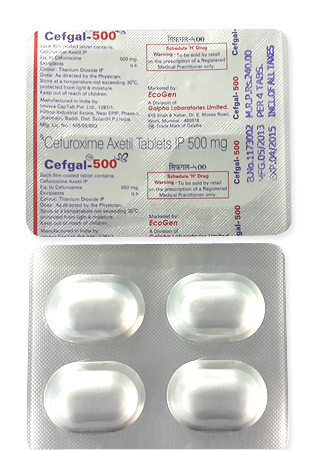
Ceftin
- In Canada and most countries, Ceftin (cefuroxime axetil) is a prescription-only antibiotic (Rx) and should be dispensed by a pharmacy with a valid prescription; some online vendors or pharmacies may advertise sales without a prescription, but this is not legal or recommended and carries safety risks.
- Ceftin is used to treat bacterial infections such as acute sinusitis, bronchitis, otitis media, pharyngitis/tonsillitis, skin and soft tissue infections, uncomplicated urinary tract infections, gonorrhea and early Lyme disease; it is a second‑generation cephalosporin that works by inhibiting bacterial cell‑wall synthesis via binding to penicillin‑binding proteins (PBPs), leading to bacterial cell death.
- Typical adult doses: 250 mg orally every 12 hours for mild respiratory infections; 500 mg every 12 hours for more severe respiratory infections and for early Lyme disease (500 mg every 12 hours); uncomplicated UTI often 125 mg every 12 hours; gonorrhea 1 g as a single oral dose. Pediatric dosing is weight‑based (e.g. ~10–15 mg/kg every 12 hours, with max per-tablet limits); treatment duration commonly 5–10 days for most infections, 14–21 days for early Lyme disease.
- Administered orally as film‑coated tablets (250 mg, 500 mg) or as an oral suspension (granules reconstituted to 125 mg/5 mL or 250 mg/5 mL); an injectable form (cefuroxime sodium) exists for IV/IM hospital use but is not marketed as Ceftin tablets/suspension.
- After an oral dose with food, cefuroxime axetil is absorbed and reaches peak blood levels in about 2–3 hours; clinical improvement in symptoms is often noticed within 24–72 hours but individual response varies and therapy should be completed as prescribed.
- Each oral dose is typically given every 12 hours (therapeutic dosing interval ~12 hours); the drug has a relatively short elimination half‑life (~1–2 hours), which is why twice‑daily dosing is common; total treatment course length depends on the infection (usually 5–21 days as above).
- There is no specific disulfiram‑type interaction with alcohol, but it is advisable to avoid heavy alcohol while ill or taking antibiotics to reduce risk of increased side effects (nausea, dizziness) and to support recovery.
- The most common side effects are gastrointestinal (diarrhea, nausea, vomiting, abdominal pain); hypersensitivity reactions such as rash or urticaria are also common—seek medical attention for severe allergic reactions.
- Would you like to try ceftin without a prescription?
Basic Ceftin Information
- INN (International Nonproprietary Name): Cefuroxime axetil
- Brand Names Available In Canada (English): Ceftin — tablets (250 mg, 500 mg) and oral suspension (125 mg/5 mL, 250 mg/5 mL)
- ATC Code: J01DC02 (Second-Generation Cephalosporins)
- Forms & Dosages: Film-coated tablets 250 mg and 500 mg; oral suspension 125 mg/5 mL and 250 mg/5 mL; injectable forms (cefuroxime sodium) listed separately for hospital use
- Manufacturers In Canada (English): GSK (original brand), generics commonly supplied by Sandoz and Teva (check pharmacy stock for specific manufacturer)
- Registration Status In Canada (English): Registered and marketed; prescription-only classification applies in standard regulatory listings
- OTC / Rx Classification: Prescription only (Rx) in standard regulatory sources
Latest Research Highlights
What Does Recent Surveillance Say About Ceftin And Resistance?
Canadian and international surveillance from 2022–2025 indicate cefuroxime axetil retains robust activity for many community respiratory pathogens in routine outpatient infections.
Reports note particularly good activity versus Haemophilus influenzae and non‑MDR strains of Streptococcus pneumoniae for uncomplicated respiratory tract infections.
Some Enterobacterales and beta‑lactamase producers show rising non‑susceptibility trends in international series between 2022 and 2024.
Oral absorption improves when cefuroxime axetil is taken with food, which matters for outpatient effectiveness.
Clinicians and pharmacists in Canada are advised to check provincial antibiograms before prescribing to confirm local susceptibility.
Patients in rural and northern communities may face limited on‑site formulations and need bilingual (English/French) information when receiving counselling.
Health Canada has approved cefuroxime axetil products and provincial labs report susceptibility data publicly, which Canadians value for transparency.
| Region | 2022–24 Susceptibility Summary |
|---|---|
| Canada | Stable susceptibility for common community respiratory pathogens; local provincial antibiograms recommended for prescribers |
| European Union | Generally effective for respiratory pathogens; variable non‑susceptibility noted among some Enterobacterales |
| United States | Robust activity for community respiratory infections; emerging resistance reported in select Enterobacterales isolates |
| Outcome Comparison | Cefuroxime Axetil | Amoxicillin‑Clavulanate |
|---|---|---|
| Early Lyme Disease | Shown to be effective when dosed appropriately for 14–21 days | Also effective; choice may depend on tolerance and local guidance |
| Otitis Media / Sinusitis | Effective for many cases, especially where penicillin allergy or specific pathogen profile indicates use | Broader beta‑lactamase coverage; may be preferred when mixed flora or beta‑lactamase producers suspected |
| Overall Resistance Risk | Favourable for targeted respiratory infections; stewardship advised | Broader spectrum; higher selection pressure for resistance in some settings |
Practical Takeaway: Use local antibiograms, counsel patients to take Ceftin with food, and consider rural formulation access when planning outpatient therapy.
Clinical Effectiveness In Canada
How Well Does Ceftin Work For Common Infections In Canada?
Health Canada has reviewed cefuroxime axetil products and they are available as prescription oral formulations in Canada, commonly marketed as Ceftin.
Randomized controlled trials and observational data support efficacy for acute sinusitis, bronchitis, otitis media, skin and soft tissue infections, uncomplicated urinary tract infections, and early Lyme disease when dosed per indication.
Health Canada product monographs and provincial formularies guide appropriate use and dosing.
- Health Canada Status: Registered and marketed; prescription‑only in standard listings.
- DIN Presence: Drug identification numbers vary by manufacturer and package — request DIN checks at the pharmacy counter.
- Typical Evidence Levels: Randomized controlled trials (RCT), observational studies, and surveillance reports support listed indications.
Provincial formularies such as ODB, BC PharmaCare and RAMQ may list Ceftin under limited benefits or subject to prior authorization for certain uses.
Pharmacists routinely substitute affordable generics (Sandoz, Teva) based on formulary listing and cost considerations, especially for vulnerable populations or when stockouts occur.
Indications And Expanded Uses
What Is Ceftin Approved For And When Is Off‑Label Use Considered?
Product monographs for cefuroxime axetil reflect typical approved indications: respiratory tract infections, otitis media, skin and soft tissue infections, uncomplicated UTI, early Lyme disease, and treatment of uncomplicated gonorrhea in adults.
Off‑label uses occur selectively, such as when penicillin allergy complicates first‑line choices or when oral therapy is required in outpatient settings where parenteral agents are not practical.
| Use | Approved | Common Off‑Label Use | Recommended Adult Dose Range |
|---|---|---|---|
| Acute Sinusitis | Yes | Shorter courses in selected patients | 250 mg q12h or 500 mg q12h depending on severity |
| Early Lyme Disease | Yes | — | 500 mg q12h for 14–21 days |
| Pediatric Respiratory Infections | Yes | Oral suspension preferred; weight‑based dosing | 10–15 mg/kg q12h (see monograph) |
| Sinusitis When Penicillin Allergy Present | No (off‑label) | Used when alternatives are limited | 250–500 mg q12h per clinical judgement |
Canadian prescribers increasingly follow stewardship principles by using the shortest effective duration and by documenting shared decision‑making with patients, particularly for pregnant people, elders, and Indigenous patients.
Rural clinicians may favour ready‑to‑use paediatric suspension for children and should provide bilingual consent and explanations where required.
Composition And Brand Landscape
What’s In The Bottle And Which Brands Are In Canada?
The active ingredient is Cefuroxime axetil, marketed in Canada mainly as Ceftin in tablet and suspension formulations.
Generics and other international brand names include Zinnat, Cefurax, Cefurox and manufacturer labels from Sandoz, Teva, Torrent and others.
- Film‑coated tablets: 250 mg and 500 mg.
- Oral suspension (granules): 125 mg/5 mL and 250 mg/5 mL.
- Injectable cefuroxime sodium: hospital use (750 mg, 1.5 g) — different salt and not the oral Ceftin product.
| Brand | Packaging / Form | Typical DIN Example |
|---|---|---|
| Ceftin (GSK) | Tablets 250 mg, 500 mg; Suspension 125 mg/5 mL, 250 mg/5 mL | Not specified (check pharmacy for DIN) |
| Generic (Sandoz, Teva) | Tablets and suspensions depending on supplier | Not specified (manufacturer varies by lot) |
| Zinnat (International) | Tablets and granules for suspension; packaging varies by country | Not specified |
Patients should check inactive ingredients in suspensions, as sucrose or aspartame may be present and matter for those with diabetes or phenylketonuria.
Remote pharmacies may stock only certain manufacturers, so confirm interchangeability and DIN at the point of dispensing.
Contraindications And Special Precautions
Who Should Not Take Ceftin And What To Watch For?
Absolute contraindications include known hypersensitivity to cephalosporins and prior anaphylaxis to β‑lactam antibiotics.
Relative cautions include significant renal impairment, a history of colitis or antibiotic‑associated diarrhoea, malnutrition, and diabetes due to suspension excipients.
- Monitoring Checkpoints: Renal function (especially if CrCl <30 mL/min), new or worsening GI symptoms, prior allergy history, and medication list reconciliation.
Geriatric patients and those in Indigenous or remote communities often have more comorbidities, so document risk/benefit discussions and provide clear bilingual warnings.
Pharmacists should counsel patients with a penicillin allergy about cross‑reactivity risks and provide instructions for seeking emergency care if severe reactions occur, particularly where primary care access is limited.
Dosage Guidelines
How Much Ceftin Should Different Patients Take?
Adults with mild to moderate respiratory infections typically receive 250 mg orally every 12 hours.
Severe lower respiratory tract infections generally use 500 mg every 12 hours.
Uncomplicated UTI dosing is commonly 125 mg every 12 hours.
Early Lyme disease in adults is treated with 500 mg every 12 hours for 14–21 days.
| Population | Typical Dose | Duration |
|---|---|---|
| Adult, Mild Respiratory | 250 mg q12h | 7–10 days |
| Adult, Severe Lower RTI | 500 mg q12h | 7–10 days |
| Adult, Lyme Disease | 500 mg q12h | 14–21 days |
| Children | 10–15 mg/kg q12h (max 250–500 mg depending on severity) | 5–10 days or per indication |
Renal dosing: extend the dosing interval when creatinine clearance is under 30 mL/min, and avoid routine use in dialysis without specialist oversight.
- Administration Tip: Take with food to improve absorption.
- Missed Dose Advice: Take as soon as remembered unless close to the next dose; do not double up.
In remote settings, compounded suspensions may be needed and pharmacies must supply clear dosing syringes and bilingual instructions for caregivers.
Interactions Overview
Which Drugs Or Foods Affect Ceftin?
Take Ceftin with or after food for better absorption and reliable plasma levels.
Antacids and H2 antagonists can affect gastric pH and might reduce absorption; separate dosing where practical.
Probenecid can increase cefuroxime plasma levels and may alter elimination.
- Food vs Drug Effect: Food improves absorption; antacids may reduce it.
- Lifestyle Note: Alcohol is not a direct interaction but can worsen gastrointestinal side effects and is best avoided during antibiotic therapy.
Advise patients to disclose herbal or naturopathic remedies, including traditional medicines commonly used in Indigenous communities, so pharmacists can review for potential interactions.
Pharmacy medication reviews through provincial e‑health records or chain systems are a practical way to catch interaction risks before dispensing.
Cultural Perceptions And Patient Habits
What Do Canadians Ask About Ceftin Online?
Common patient queries on Canadian forums include comparisons such as “Ceftin vs Augmentin,” dosing questions for children, and where to find suspension formulations.
Antibiotic resistance concerns and side effect worries are frequent themes in social listening data from 2022–24.
- Typical Questions: Is Ceftin better than Augmentin for sinusitis? What is the right dose for my toddler? Are suspensions available locally?
Canadians expect clear, evidence‑based information and bilingual materials where relevant.
Urban patients generally have same‑day pharmacy access while rural and northern residents often rely on telemedicine, pharmacy delivery, or coordinated community nursing support for adherence and follow‑up.
Community pharmacists play a key role offering blister packs, bilingual leaflets, and dose counselling to bridge access gaps.
Availability And Pricing Patterns
Where Can You Buy Ceftin In Canada And What Does It Cost?
Ceftin tablets and suspensions are commonly stocked at major chains such as Shoppers Drug Mart, Rexall, Jean Coutu and London Drugs, with generics from Sandoz and Teva frequently available.
Provincial drug plans like ODB, PharmaCare and RAMQ provide coverage for eligible patients, but criteria and copayment rules vary by province.
| Outlet / Coverage | Typical Retail Availability | Provincial Formularies |
|---|---|---|
| Shoppers Drug Mart / Rexall / London Drugs | Commonly stocked; generics often available | Coverage varies by province; generics commonly preferred |
| Online Canadian Pharmacies | Listed under tablet and suspension strengths | Check provincial rules for reimbursement of online purchases |
| Cross‑Border Pricing | U.S. generic prices may be lower; patients sometimes consider cross‑border purchases | Alert patients to regulatory and safety differences when buying outside Canada |
In our online pharmacy, ceftin is available without a prescription, with discreet delivery to Canada (English) in 5-14 days.
Rural residents should ask their pharmacist about therapeutic equivalents and substitution rules, as dispensing fees and travel can affect total cost.
Comparable Medicines And Preferences
Which Alternatives Should Clinicians And Patients Consider?
Alternatives available in Canada include cefixime (Suprax), cefdinir (Omnicef), amoxicillin‑clavulanate (Augmentin), and cefaclor (Ceclor).
| INN / Brand | Generation | Common Uses | Provincial Availability |
|---|---|---|---|
| Cefixime (Suprax) | 3rd generation | UTI, gonorrhea | Available; formulary listing varies |
| Cefdinir (Omnicef) | 3rd generation | Respiratory tract infections | Available; cost and coverage vary |
| Amoxicillin‑Clavulanate (Augmentin) | Penicillin + β‑lactamase inhibitor | Broad respiratory and mixed flora infections | Widely available; often first‑line for mixed infections |
- Pros For Ceftin: Effective for many respiratory pathogens, suitable for patients with certain penicillin issues, available in paediatric suspension.
- Cons For Ceftin: Not active against enterococci or MRSA; some gram‑negative resistance signals in Enterobacterales.
Shared decision‑making should include allergy history, prior adverse reactions, dosing convenience, formulary coverage and access considerations for travellers or rural patients.
Frequently Asked Questions
-
Q: Can I take Ceftin with food?
A: Yes. Absorption is improved when taken with or shortly after food.
-
Q: Is Ceftin safe for children?
A: Yes. Use weight‑based dosing and paediatric suspension formulations where appropriate; typical doses are 10–15 mg/kg every 12 hours.
-
Q: What should I do if I miss a dose?
A: Take the dose as soon as you remember unless it is close to the next scheduled dose; do not take a double dose.
-
Q: Will provincial drug plans cover it?
A: Coverage varies by province and by indication. Check ODB, PharmaCare, or RAMQ online or ask your pharmacist, who can also check DIN and formulary status.
For remote patients, ask about delivery options and adherence packaging when you contact your local pharmacy.
Guidelines For Proper Use
How Should Pharmacists Verify And Counsel When Dispensing Ceftin?
Follow a simple verification checklist before dispensing.
| Step | Action |
|---|---|
| Verify Indication | Confirm the diagnosis supports cefuroxime axetil and check for alternate therapies |
| Allergy Check | Review history of β‑lactam allergy; document severity |
| Renal Function | Check CrCl if available and adjust interval for CrCl <30 mL/min |
| Dosing Form | Choose tablet or suspension based on age and swallowing ability |
| Counselling Points | Advise taking with food, signs of allergy, GI side effects, and missed‑dose guidance |
Pharmacists should provide bilingual counselling, document any substitution with DIN, reconcile medications for elders and long‑term care residents, and arrange follow‑up calls if adherence support is needed.
For Indigenous patients and those in remote settings, use culturally safe communication, coordinate with community nursing, and provide clear written instructions in English and French where required.
Delivery Across Canada (English)
| City | Region | Delivery Time |
|---|---|---|
| Toronto | Ontario | 5-7 days |
| Vancouver | British Columbia | 5-7 days |
| Montreal | Quebec | 5-7 days |
| Calgary | Alberta | 5-7 days |
| Edmonton | Alberta | 5-7 days |
| Ottawa | Ontario | 5-7 days |
| Winnipeg | Manitoba | 5-7 days |
| Halifax | Nova Scotia | 5-7 days |
| Regina | Saskatchewan | 5-9 days |
| Saskatoon | Saskatchewan | 5-9 days |
| St. John's | Newfoundland and Labrador | 5-9 days |
| Whitehorse | Yukon | 5-9 days |
| Yellowknife | Northwest Territories | 5-9 days |
| Iqaluit | Nunavut | 5-9 days |
Final Practical Advice
If a patient calls worried about side effects, ask about rash, breathing difficulty, severe diarrhoea or neurological symptoms and advise immediate medical attention for severe reactions.
For common GI symptoms, recommend symptomatic measures and reassessment if diarrhoea is severe or persistent.
Pharmacists should encourage adherence to the full prescribed course unless a prescriber advises otherwise, and to keep a record of DIN and manufacturer in case of recalls or shortages.
Always cross‑check local provincial formularies and provincial antibiograms when advising prescribers or patients about ceftin or its alternatives.