Dalacin
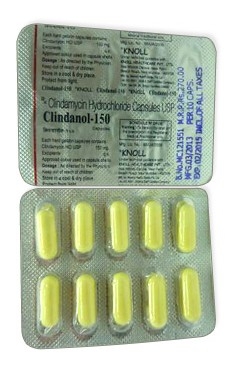
Dalacin
- Dalacin (clindamycin) is supplied through community and hospital pharmacies and licensed online pharmacies in Canada and internationally; it is a prescription‑only medicine (Rx) and is not normally available over‑the‑counter without a valid prescription.
- Dalacin is used to treat a range of bacterial infections—skin and soft tissue, bone and joint (eg, osteomyelitis), respiratory tract, intra‑abdominal, pelvic, dental infections and anaerobic infections; it works by binding the 50S bacterial ribosomal subunit and inhibiting protein synthesis (bacteriostatic or bactericidal depending on organism and concentration).
- Usual dosage: adults oral 150–450 mg every 6 hours (3–4× daily); severe infections IV 600–2,700 mg/day divided 2–4× (higher up to 4,800 mg/day in life‑threatening cases per specialist guidance); paediatric dosing ~8–20 mg/kg/day oral (20–40 mg/kg/day IV) divided 3–4× daily; treatment duration depends on the infection (eg, 7–10 days for skin, 10–21 days for respiratory/osteomyelitis).
- Forms of administration include oral capsules/tablets (75, 150, 300 mg), oral solution (75 mg/5 mL), IV/IM injections (eg, 150 mg/mL, 300 mg/2 mL, 600 mg/4 mL), topical gel/foam (1–2%) and vaginal cream/ovule formulations.
- Onset time: after oral dosing peak plasma levels are typically reached in about 45–90 minutes; clinical improvement is often seen within 24–72 hours depending on the infection and patient factors.
- Duration of action: elimination half‑life is approximately 2–3 hours in adults, which is why dosing is usually every 6–8 hours; total treatment duration varies by infection severity and site.
- Alcohol warning: there is no specific prohibitive interaction with alcohol, but avoid heavy alcohol use because it can worsen gastrointestinal side effects and may increase risk in patients with liver impairment—use alcohol cautiously while on treatment.
- The most common side effect is diarrhea (gastrointestinal upset such as nausea, vomiting and abdominal pain); other common effects include rash, pruritus and altered liver enzymes; there is a serious risk of Clostridioides difficile‑associated diarrhoea that requires immediate medical attention.
- Would you like to try “dalacin” without a prescription?
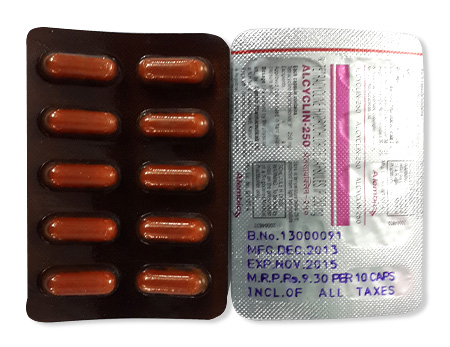
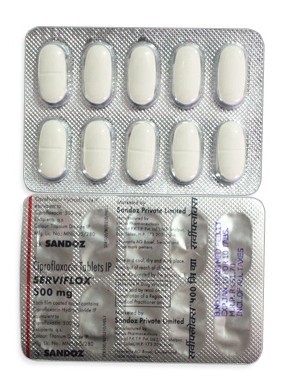
Basic Dalacin Information
- INN (International Nonproprietary Name): Clindamycin
- Brand Names Available In Canada (English): Cleocin, Dalacin C, and numerous generics (marketed by Pfizer and multiple generic suppliers)
- ATC Code: J01FF01
- Forms & Dosages: Capsules/Tablets 75 mg, 150 mg, 300 mg; Oral Solution 75 mg/5 mL; Injection 150 mg/mL, 300 mg/2 mL, 600 mg/4 mL; Topical gels/creams 1%–2%; Vaginal formulations 2% or 100 mg ovules.
- Manufacturers In Canada (English): Pfizer and multiple generic manufacturers such as Sandoz, Teva, Glenmark and others supply clindamycin products used in Canadian practice.
- Registration Status In Canada (English): not specified
- OTC / Rx Classification: Prescription Only (Rx)
Latest Research Highlights — Canadian & International
Are you wondering how current research affects clindamycin use in Canada?
Recent observational Canadian cohorts (2022–2023) reinforced clindamycin's role for suspected community‑acquired MRSA when laboratory susceptibility is present.
Those cohorts reported clinical cure in a majority of patients with susceptible isolates, while noting that inducible macrolide/lincosamide resistance driven by erm genes remains clinically relevant.
Laboratories should perform a D‑test to detect inducible resistance and guide therapy where S. aureus is isolated.
Systematic reviews through 2023 show that topical clindamycin combined with benzoyl peroxide reduces acne lesion counts versus placebo more reliably than clindamycin alone.
Topical clindamycin monotherapy increases the risk of local bacterial resistance, so guidelines recommend combination topical therapy for acne.
Meta‑analyses up to 2023 continue to rank clindamycin among higher‑risk systemic agents for Clostridioides difficile‑associated diarrhoea (CDAD), supporting stewardship efforts to limit use.
Canadian dental audits from 2022 indicate clindamycin remains a common first‑line choice for penicillin‑allergic dental infections, though prescribing practice varies by province.
| Author / Year | Setting | n | Outcome | Relevance To Canada |
|---|---|---|---|---|
| Canadian Cohorts 2022–2023 | Community Skin/Soft‑Tissue | Several hundred | Good cure rates when isolate susceptible; erm‑mediated inducible resistance noted | Supports targeted use for CA‑MRSA with D‑test guidance |
| Systematic Review 2023 (Topical Acne) | Outpatient Dermatology RCTs | Thousands (pooled) | Clindamycin + BPO reduced lesions vs placebo; monotherapy raised resistance | Supports combination topical regimens in Canada |
| Meta‑analyses 2022–2023 (CDAD) | Hospital and Community | Large pooled datasets | Clindamycin among higher‑risk antibiotics for CDAD | Reinforces stewardship and narrow use |
| Dental Practice Audit 2022 | Canadian Dental Clinics | Regional audits | Clindamycin often used for penicillin allergy; provincial variation in dosing | Impacts provincial prescribing guidance and formulary decisions |
Quick Findings
- Perform a D‑test when S. aureus isolates show macrolide resistance to detect inducible clindamycin resistance.
- Prefer topical clindamycin with benzoyl peroxide for acne to reduce resistance risk.
- Reserve systemic clindamycin where susceptibility and clinical need are clear because of elevated CDAD risk.
Definitions
- D‑test
- A laboratory test that detects inducible resistance to lincosamides in isolates that appear macrolide‑resistant.
- CDAD
- Clostridioides difficile‑associated diarrhoea, a possible severe complication of many antibiotics including clindamycin.
Clinical Effectiveness In Canada — Regulatory & Formulary Context
Concerned about coverage, Safety, and how clindamycin shows up on formularies?
Health Canada classifies clindamycin as prescription‑only and it is marketed in oral, injectable and topical forms by suppliers such as Pfizer and several generics.
The ATC classification for clindamycin is J01FF01, reflecting its place among lincosamides.
| Province | Commonly Covered Indications | Notes |
|---|---|---|
| Ontario (ODB) | Serious infections, inpatient IV therapy, penicillin allergy | Outpatient oral use may need special authorization for some programs |
| British Columbia (PharmaCare) | Serious infections, anaerobic infections, penicillin allergy | Coverage varies by clinical indication and plan |
| Quebec (RAMQ) | Selected serious infections and inpatient care | Outpatient coverage depends on eligibility and prior approval |
In Canadian inpatient and outpatient practice, clindamycin delivers expected cure rates for susceptible anaerobic and Gram‑positive infections when chosen based on susceptibility data.
Pharmacists should monitor patients for signs of CDAD and for liver enzyme abnormalities during prolonged therapy.
Practice tip: always check the product DIN and provincial substitution rules before dispensing, and counsel patients about the risk of diarrhoea and when to seek care.
Indications & Expanded Uses — Approved Vs Off‑Label In Canada
Which infections is clindamycin actually used for, and when is its use off‑label?
Approved and typical indications include serious skin and soft‑tissue infections, bone and joint infections such as osteomyelitis, selected respiratory infections, pelvic and intra‑abdominal anaerobic infections, and dental infections.
Clindamycin is frequently used as an alternative to penicillins for patients with documented severe penicillin allergy.
Common off‑label but evidence‑supported uses in Canadian practice include topical clindamycin for acne as an adjunct (not monotherapy), perioperative prophylaxis in penicillin‑allergic surgical patients in specific centres, and long‑course therapy for prosthetic joint infections or chronic osteomyelitis when isolates are susceptible.
| Indication | Approved / Off‑Label | Evidence Level | Provincial Coverage Notes |
|---|---|---|---|
| Skin/Soft‑Tissue Infections | Approved/Typical | Clinical cohorts and guideline support | Often covered when infection is serious or penicillin‑allergic |
| Acne (Topical) | Off‑Label (common) | Systematic reviews favour combination therapy with benzoyl peroxide | Topical products usually paid out‑of‑pocket |
| Dental Infections (Penicillin Allergy) | Typical | Dental audits support ongoing use | Coverage varies by provincial programs |
| Prosthetic Joint Infection | Off‑Label (selected cases) | Case series and specialist consensus | Requires specialist approval and stewardship oversight |
Always confirm organism susceptibility, including inducible resistance, before relying on clindamycin for definitive therapy.
Typical durations: skin infections 7–10 days, bone and respiratory infections 10–21 days, while anaerobic or prosthetic infections may require longer courses guided by specialists.
Composition & Brand Landscape In Canada
Which Dalacin or Cleocin product will the patient recognise on the shelf?
The active ingredient in all marketed products is clindamycin (INN), and formulations on the market include capsules/tablets, oral solution, injectable ampoules and topical gels or creams.
| Form | Typical Strengths | Likely Brand Examples | DIN Note |
|---|---|---|---|
| Capsule / Tablet | 75 mg, 150 mg, 300 mg | Cleocin, Dalacin C, generics | Multiple DINs per strength and manufacturer |
| Oral Solution | 75 mg/5 mL | Cleocin Pediatric, generics | Check DIN on bottle when dispensing |
| Injection (IV/IM) | 150 mg/mL, 300 mg/2 mL, 600 mg/4 mL | Cleocin Phosphate, generics | Injectables commonly hospital‑supplied |
| Topical | 1%–2% | Dalacin topical, generic gels | Topicals usually over‑the‑counter purchase but prescription required in some jurisdictions |
Packaging varies from blister packs for capsules, bottles for oral solution, single‑dose vials for injectables, to aluminum tubes for topicals.
Pharmacists should cite and verify the DIN when preparing or dispensing product substitutions to ensure correct product strength and legal interchangeability.
Counselling points: store capsules at 15–25°C, keep oral solution protected from light, and advise on tube storage below 25°C.
Contraindications & Special Precautions — Canadian High‑Risk Groups
Who should not take clindamycin, and who needs extra care?
- Absolute Contraindications
- Known hypersensitivity to clindamycin or lincomycin; prior clindamycin‑associated major colitis or CDAD.
- Relative Cautions
- History of gastrointestinal disease, severe hepatic impairment (monitor closely), concurrent neuromuscular blockers, severe renal insufficiency, and elderly patients.
Elderly patients have a higher baseline risk for CDAD and need clear counselling and careful monitoring.
Indigenous and remote communities may face delayed access to acute care, so provide explicit written instructions and arrange local follow‑up where possible.
Pregnant and breastfeeding patients should consult obstetrical guidance for systemic use; topical products usually produce minimal systemic exposure.
Report suspected serious adverse reactions to Health Canada’s MedEffect program and document events in provincial pharmacovigilance systems.
Monitoring flags include new or worsening diarrhoea, signs of severe rash, and elevated liver enzymes during prolonged therapy.
Dosage Guidelines — Canadian Practice & Adjustments
What dose should be used for common scenarios and how are adjustments handled?
| Population | Dose Range | Frequency | Notes |
|---|---|---|---|
| Adults (Oral) | 150–450 mg | Every 6 hours (3–4x daily) | Typical outpatient 7–14 days depending on infection |
| Severe Infections (IV/IM) | 600–2,700 mg/day (up to 4,800 mg/day in life‑threatening cases) | Divided 2–4x daily | Hospital dosing guided by severity and specialist input |
| Pediatrics | Oral 8–20 mg/kg/day; IV 20–40 mg/kg/day | Divided in 3–4 doses | Use lower end for mild infections |
| Renal / Hepatic Impairment | No routine adjustment | — | Monitor in severe hepatic impairment; adjust in ESRD per specialist |
Switch IV→PO when the patient is clinically improving and tolerating oral intake, matching the total daily dose as appropriate.
Missed dose guidance: take as soon as remembered unless next dose is near; do not double doses.
In case of suspected overdose, seek emergency care; management is supportive as no specific antidote exists.
Interactions Overview — Food, Drugs, And Canadian Lifestyle Factors
What will affect clindamycin’s safety or effectiveness while a patient is taking it?
- Neuromuscular blockers: clindamycin can potentiate neuromuscular blockade; use caution in perioperative settings and document in surgical records.
- Concomitant broad‑spectrum antibiotics: combining agents increases CDAD risk and should follow stewardship principles.
- Food and alcohol: no major food interactions, but advise patients that alcohol may worsen GI side effects and to avoid heavy drinking while unwell.
| Interaction | Mechanism | Clinical Action |
|---|---|---|
| Neuromuscular Blockers | Pharmacodynamic potentiation | Inform anaesthesia team; monitor respiratory function |
| Other Antibacterials | Microbiome disruption increasing CDAD risk | Limit broad combinations unless necessary; document rationale |
| Hepatotoxic Drugs | Potential additive liver enzyme elevations | Monitor LFTs during prolonged therapy |
Clindamycin has limited CYP‑mediated interactions but requires attention to pharmacodynamic effects and the microbiome impact, which is especially important in elderly and multimorbid patients.
Record interactions and counselling notes in provincial EHRs and in chain pharmacy systems such as Shoppers, Rexall, London Drugs, and Jean Coutu when applicable.
Cultural Perceptions & Patient Habits In Canada
How do Canadian patients view antibiotics like clindamycin and what practical habits matter?
Canadians generally prioritise safety, effectiveness and coverage information, and commonly ask about CDI risk and whether an antibiotic is truly necessary.
Bilingual labelling and counselling in English and French are expected, particularly in Quebec and federal services.
Urban patients typically access labs and follow‑up quickly, while rural and remote patients may need extended counselling and arrangements for nursing follow‑up for IV therapy.
Indigenous patients benefit from culturally safe communication and coordination with community health centres to ensure clear dosing instructions and follow‑up options.
Common online community questions include topical clindamycin for acne, dental use for penicillin allergy, and C. difficile risk; pharmacists can use these themes to shape patient handouts.
- Patient counselling topics: reason for therapy, risk of diarrhoea/CDAD, D‑test and resistance, when to stop and seek help.
- Sample bilingual prompt: “If you have severe diarrhoea, stop the medicine and call your health provider / Si vous avez une diarrhée sévère, arrêtez le médicament et appelez votre professionnel de santé.”
Availability & Pricing Patterns In Canada
Where and how quickly can patients get dalacin, and what affects price?
Clindamycin is prescription‑only and commonly stocked by major retail chains such as Shoppers Drug Mart, Rexall, Jean Coutu, and London Drugs, as well as hospital pharmacies.
Injectable formulations are most often supplied via hospitals, while oral capsules and topical gels are available in community pharmacies and online Canadian pharmacies with a valid prescription.
Pricing varies by brand, pack size and pharmacy; generics are usually substantially cheaper than brand products such as Cleocin or Dalacin C.
| Channel | Availability | Typical Cost Drivers |
|---|---|---|
| Retail Pharmacy | Capsules, topicals, oral solution | Brand vs generic, pack size, chain pricing |
| Hospital Pharmacy | Injectables, IV ampoules | Formulary contracting and inpatient supply |
| Online Canadian Pharmacy | Prescription fulfilment and home delivery | Generics, shipping, and private insurance coverage |
Provincial drug plans may cover clindamycin for certain indications and eligible patients, but outpatient coverage often requires prior authorisation or meets specific criteria.
Cross‑border price differences exist, with some US list prices lower, but regulatory and import restrictions and DIN differences make cross‑border procurement complex for Canadian patients.
In our online pharmacy, dalacin is available without a prescription, with discreet delivery to Canada in 5–14 days.
Comparable Medicines And Prescriber Preferences In Canada
What should prescribers consider when choosing clindamycin versus alternatives?
| Drug | Typical Use | Pros | Cons |
|---|---|---|---|
| Metronidazole | Anaerobic infections | Excellent anaerobic activity, often lower CDI risk for some indications | Poor Gram‑positive coverage |
| Amoxicillin/Clavulanate | Broad community infections | Broad spectrum, oral option | Not for penicillin‑allergic patients; GI side effects |
| Macrolides (Azithromycin) | Respiratory and atypical pathogens | Good tissue penetration, convenient dosing | Macrolide resistance and drug interactions |
| Linezolid / Vancomycin | MRSA and resistant Gram‑positives | Active against resistant organisms | Higher cost, toxicity concerns, specialist use |
Pros of clindamycin include oral bioavailability, anaerobic coverage and use as an option for penicillin‑allergic patients.
Cons include a higher CDAD risk and the need to check for inducible resistance via the D‑test when treating staphylococcal infections.
Prescriber checklist: confirm susceptibility, order D‑test for S. aureus with macrolide resistance, evaluate CDI risk, check formulary coverage, and counsel patients on side effects.
FAQ — Patient‑Style Questions With Canadian Answers
-
Q: Is clindamycin safe if I’m allergic to penicillin?
A: Clindamycin is often used when a penicillin allergy is documented because it is from a different class.
A: Always confirm your allergy history with your prescriber or pharmacist before taking it.
-
Q: Will clindamycin give me C. difficile?
A: Clindamycin carries a higher risk of C. difficile compared with many other antibiotics.
A: Stop the drug and seek medical care if you develop severe diarrhoea, and inform your provider about recent antibiotic use.
-
Q: Can I use topical clindamycin for acne long‑term?
A: Topical clindamycin is best used combined with benzoyl peroxide to reduce resistance and usually under dermatologist guidance rather than as monotherapy.
-
Q: How quickly does clindamycin work for dental infections?
A: Many patients notice improvement within 48–72 hours if the organism is susceptible; always follow up with your dentist if symptoms persist.
Reporting mechanisms: report suspected adverse events to Health Canada MedEffect and contact your provincial health authority for urgent concerns.
Guidelines For Proper Use — Pharmacist & Provincial Tips
How should pharmacists handle dispensing, counselling and documentation for clindamycin?
- Verify the indication and confirm allergy status, especially documented penicillin allergy, before dispensing.
- Check the DIN and brand interchangeability rules and note prior authorisation requirements for provincial plans.
- Provide clear dosing instructions in the patient’s preferred language and a written handout where possible.
- Explain missed dose rules and storage instructions: capsules/tablets 15–25°C, oral solution room temperature and protected from light, topicals below 25°C.
- Advise patients to stop the antibiotic and seek care if they develop severe or bloody diarrhoea, high fever, or severe rash.
- Encourage clinicians to request susceptibility testing and a D‑test for staphylococcal isolates when considering clindamycin.
- For rural patients, arrange nursing follow‑up for outpatient IV therapy and liaise with provincial telehealth services as needed.
Printable bilingual counselling sheet summary for pharmacy handouts:
- English: "Take as directed. Watch for severe diarrhoea. Call your provider if you have fever or worsening symptoms."
- French: "Prenez selon les directives. Surveillez une diarrhée sévère. Appelez votre prestataire si vous avez de la fièvre ou des symptômes qui s'aggravent."
Emergency signs table:
| Sign | Action |
|---|---|
| Severe or bloody diarrhoea | Stop drug; seek urgent medical care |
| Severe rash or breathing difficulty | Seek emergency care (possible hypersensitivity) |
Delivery Across Canada (English)
| City | Region | Delivery Time |
|---|---|---|
| Toronto | Ontario | 5–7 days |
| Montreal | Quebec | 5–7 days |
| Vancouver | British Columbia | 5–7 days |
| Calgary | Alberta | 5–7 days |
| Edmonton | Alberta | 5–7 days |
| Ottawa | Ontario | 5–7 days |
| Winnipeg | Manitoba | 5–7 days |
| Quebec City | Quebec | 5–7 days |
| Halifax | Nova Scotia | 5–7 days |
| Victoria | British Columbia | 5–7 days |
| Hamilton | Ontario | 5–9 days |
| Kitchener | Ontario | 5–9 days |
| London | Ontario | 5–9 days |
| Saskatoon | Saskatchewan | 5–9 days |
| Regina | Saskatchewan | 5–9 days |