
Galantamine
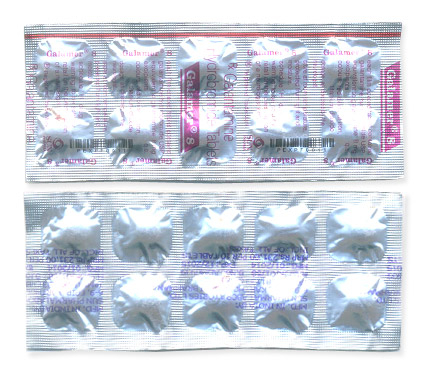
Galantamine
- Available from community pharmacies and online retailers under brand names (Reminyl, Razadyne) and generics; although officially prescription‑only in many countries, in some pharmacies and online vendors it is possible to buy galantamine without a prescription.
- Galantamine is used to treat cognitive decline in mild to moderate Alzheimer’s disease; it reversibly inhibits acetylcholinesterase and also allosterically modulates nicotinic acetylcholine receptors to increase cholinergic neurotransmission.
- Typical dosing: immediate‑release—start 4 mg twice daily and titrate every 4 weeks; extended‑release—start 8 mg once daily and increase every 4 weeks to a usual maintenance target of 16–24 mg/day (divided doses for IR); dose reductions recommended for moderate hepatic or renal impairment and not recommended in severe impairment.
- Administered orally as immediate‑release tablets (4 mg, 8 mg, 12 mg), extended/prolonged‑release capsules (8 mg, 16 mg, 24 mg), or oral solution (commonly 4 mg/mL); injectable formulations are rare.
- Onset: some symptomatic effects (eg, improved attention or daily function) may be noticed within 1–4 weeks, but meaningful clinical benefit should be assessed over months (typically reviewed at 3–6 months).
- Duration of action: immediate‑release formulations generally cover most of the day with twice‑daily dosing (effective plasma levels for ~8–12 hours), while extended‑release formulations are designed for once‑daily 24‑hour coverage.
- Avoid alcohol or use with caution—alcohol can worsen dizziness, sedation, cognitive impairment and gastrointestinal side effects associated with galantamine.
- The most common side effect is nausea (also vomiting, diarrhoea, abdominal pain, anorexia; other frequent effects include dizziness, headache, insomnia and fatigue).
- Would you like to try “galantamine” without a prescription?
Basic Galantamine Information
- INN (International Nonproprietary Name): Galantamine
- Brand Names Available In Canada (English): Reminyl; Razadyne; originator Janssen‑Cilag and multiple generics (Gedeon Richter, Zentiva, Sandoz, Teva, Hexal, Accord Healthcare, Mylan) — specific Canadian distributor listings not specified.
- ATC Code: N06DA04
- Forms & Dosages: Immediate‑release tablets 4 mg, 8 mg, 12 mg; extended/prolonged‑release capsules 8 mg, 16 mg, 24 mg; oral solution 4 mg/mL.
- Manufacturers In Canada (English): Janssen‑Cilag (originator) and major global generic manufacturers listed above supply galantamine internationally; exact Canadian manufacturer registrations not specified.
- Registration Status In Canada (English): Approved in Canada for prescription use for mild‑to‑moderate Alzheimer’s disease.
- OTC / Rx Classification: Prescription Only (Rx) in all countries; Rx classification applies in Canada.
Latest Research Highlights
Are patients and caregivers asking whether galantamine still helps in real life?
Recent Canadian and international work from 2022 through mid‑2024 continued to show small‑to‑moderate symptomatic benefit on cognition and activities of daily living in mild‑to‑moderate Alzheimer’s disease.
Meta‑analyses find a benefit magnitude similar to other cholinesterase inhibitors but show higher rates of gastrointestinal adverse events during early titration phases.
Real‑world observational registries and phase IV cohorts, including memory‑clinic datasets, are tracking tolerability and persistence over time.
Emerging emphasis in the literature is on outcomes that matter to families — hospital admissions, falls, weight loss — and on cardiac safety signals such as bradycardia in frail older adults.
Mechanistic studies continue to support galantamine’s dual action as a reversible acetylcholinesterase inhibitor with allosteric nicotinic receptor modulation, which may explain some clinical effects.
Caregivers should be told to expect modest change and that a 3–6 month review is standard practice to judge benefit and tolerability.
For rural and remote communities, telehealth follow‑up and coordination with local nurses or outreach clinics improve monitoring and persistence.
| Study Type | Population | Primary Outcomes | Adverse Events |
|---|---|---|---|
| Meta‑Analyses (2022–2024) | Adults With Mild‑Moderate Alzheimer’s Disease | Small‑to‑moderate Cognitive And ADL Benefit | Higher GI Events During Titration; Bradycardia Reports In Frail Elderly |
| Canadian Memory‑Clinic Registries | Real‑World Clinic Cohorts | Tolerability, Persistence, Real‑World Outcomes | Weight Loss, Falls, Hospital Admissions Monitored |
| Phase IV Observational Cohorts | Community‑Dwelling Older Adults | Safety And Persistence Over Months | GI Upset Early; Cardiac Monitoring Recommended For At‑Risk Patients |
Data Highlight — Cardiac and GI Risk: Monitor pulse and consider ECG for patients with cardiac history because bradycardia and syncope have been reported, and expect nausea/vomiting early in titration which often improves with slow up‑titration.
Clinical Effectiveness In Canada
How will clinicians judge whether galantamine is helping a particular patient in Canadian practice?
Health Canada lists galantamine as an approved anti‑dementia agent for symptomatic treatment of mild‑to‑moderate Alzheimer’s disease.
Product monographs and international evidence point to modest improvements on standard instruments such as ADAS‑Cog and measures of activities of daily living.
In practice, effectiveness is judged by changes on cognitive and functional scales, caregiver reports, and medication persistence over 3–6 months.
Start–stop decisions are usually made after a 3–6 month trial period unless intolerable adverse effects occur sooner.
- Monitoring Endpoints: cognition, activities of daily living, weight, gastrointestinal symptoms, pulse/ECG when indicated.
| Care Setting | Monitoring Frequency |
|---|---|
| Primary Care | Baseline, 4 weeks, 3 months, 6 months |
| Memory Clinic | Baseline, 4 weeks, 3 months, then tailored reviews |
| Long‑Term Care | Baseline, 2–4 weeks after changes, then ongoing nursing monitoring |
Dosing in Canada follows international guidance: immediate‑release start 4 mg twice daily or extended‑release start 8 mg once daily, titrating to 16–24 mg/day as tolerated.
Provincial formularies and special authorizations vary across Canada, so check DIN entries and provincial coverage such as ODB, PharmaCare and RAMQ before dispensing.
Shared decision‑making with caregivers, including bilingual materials (English/French), should be part of the prescribing and monitoring plan.
Indications And Expanded Uses
Which conditions is galantamine approved for, and when should off‑label use be avoided?
- Approved: Symptomatic treatment of mild‑to‑moderate Alzheimer’s disease (licensed indication).
- Approved
- Alzheimer’s disease — mild to moderate; standard dosing and monitoring apply.
- Off‑Label / Not Recommended
- Vascular cognitive impairment and mild cognitive impairment (MCI) — evidence is limited and not robust; routine use not recommended.
International guidelines generally position galantamine alongside donepezil and rivastigmine as options among cholinesterase inhibitors for suitable patients.
Document clinical rationale and obtain informed consent before any off‑label prescription, especially for Indigenous and francophone patients who may need culturally and linguistically adapted information.
Rural prescribers should consider coordinating assessment and follow‑up with specialists when capacity is limited locally.
Composition And Brand Landscape
What formulations will patients see at the pharmacy and how should pharmacists counsel on them?
Galantamine (INN) is available in immediate‑release tablets, extended‑release capsules and oral solution formulations internationally and in Canada under originator and generic labels.
| Brand / Generic | Strengths | Check DIN |
|---|---|---|
| Reminyl (Janssen‑Cilag) | Tablets 4, 8, 12 mg; ER 8, 16, 24 mg; Solution 4 mg/mL | Check DIN |
| Razadyne (Janssen) | Tablets 4, 8, 12 mg; ER capsules 8, 16, 24 mg | Check DIN |
| Generic Galantamine (Various Manufacturers) | Immediate‑release tablets 4, 8, 12 mg; ER 8, 16, 24 mg; oral solution availability varies | Check DIN |
- Packaging And Counselling Points: Tablets are usually swallowed whole and taken twice daily with food to reduce GI upset.
Extended‑release capsules are taken once daily, preferably in the morning with food, and should not be crushed or opened unless an oral solution is prescribed.
Oral solution dosing follows tablet equivalents and is useful for patients with swallowing difficulties.
Major Canadian pharmacy chains commonly stock originator and generic supplies, with bilingual labelling standard and generic substitution influencing cost at dispensing.
Contraindications And Special Precautions
Who should not take galantamine, and which patients need special care?
Absolute contraindications include hypersensitivity to galantamine, severe hepatic or renal impairment, active peptic ulcer disease, and uncompensated severe bradycardia or conduction block.
- Relative Cautions: asthma or COPD, seizure history, urinary outflow obstruction, sick sinus syndrome, and frailty with polypharmacy.
| Risk | Mitigation |
|---|---|
| Cardiac History (Bradycardia/Conduction) | Baseline pulse; consider ECG; monitor for syncope or near‑syncope; liaise with prescriber for beta‑blocker co‑use. |
| Gastrointestinal Side Effects | Slow titration; take with food; consider antiemetic short course only if necessary and appropriate. |
Frail elderly and those on many medications show higher adverse outcomes in observational data; pharmacists should flag high‑risk profiles in dispensing software.
Prioritise culturally safe consent and access to monitoring for Indigenous elders, remote seniors and residents of long‑term care, using telehealth or outreach nursing where needed.
Dosage Guidelines
How should galantamine be started and titrated in routine Canadian practice?
For immediate‑release tablets, start 4 mg twice daily and increase every four weeks as tolerated to a target of 8 mg twice daily, then 12 mg twice daily where indicated to reach 16–24 mg/day in divided doses.
For extended‑release capsules, start 8 mg once daily and increase every four weeks to 16 mg then 24 mg once daily as tolerated.
- Titration Example (Immediate‑Release): Week 0 — 4 mg BID; Week 4 — 8 mg BID; Week 8 — 12 mg BID (if needed and tolerated).
| Impairment | Dosing Adjustment |
|---|---|
| Moderate Hepatic Or Renal Impairment | Max 16 mg/day; titrate slowly. |
| Severe Hepatic Or Renal Impairment | Not Recommended. |
Children are not recommended to use galantamine.
Align titration visits with pharmacist follow‑ups and provincial special‑authorization timelines, and use telemedicine for remote patients to check tolerance during up‑titration.
Record DIN and lot numbers for each dispensed strength in the patient file.
Interactions Overview
Which medications and foods interact with galantamine and what should pharmacists check?
Galantamine is metabolised by CYP2D6 and CYP3A4, so strong inhibitors or inducers of these enzymes may alter plasma levels.
Co‑prescription with cholinomimetics, anticholinergics, beta‑blockers or other drugs that can slow conduction raises safety concerns, particularly for bradycardia.
- Advise patients to avoid grapefruit products because CYP3A4 inhibition can increase galantamine levels.
| Common Canadian Medication | Interaction Risk |
|---|---|
| SSRIs (e.g., fluoxetine) | Possible CYP2D6 inhibition — monitor for increased effects or side effects. |
| Macrolide Antibiotics (e.g., clarithromycin) | CYP3A4 inhibition — may raise galantamine levels; monitor and adjust dose. |
| Beta‑Blockers | Increased risk of bradycardia — monitor pulse and consider ECG. |
Pharmacists should perform medication reconciliation, use provincial e‑health records to flag interactions, counsel about OTC anticholinergic cold medicines, and coordinate dose adjustments with prescribers.
Cultural Perceptions And Patient Habits
What do Canadian caregivers really want to know about starting galantamine?
Many families view anti‑dementia drugs with cautious optimism, hoping to slow decline rather than expecting a cure.
Common concerns raised on Canadian forums include gastrointestinal side effects, cost, and dosing practicality.
- Typical Caregiver Questions: How soon will benefits appear? What are the side effects? Will provincial coverage help with cost?
| Support Resource | Where To Find |
|---|---|
| Alzheimer Society Provincial Chapters | Province‑based websites and hotlines |
| Indigenous Health Units | Local health authorities and Indigenous‑led clinics |
| Telehealth Services | Provincial telemedicine portals and local primary care networks |
Pharmacy practice points include offering bilingual leaflets, plain language counselling, caregiver involvement, blister packaging and dosing reminders to support adherence.
Home visits or virtual checks are useful for patients in remote areas who face travel burdens for follow‑up or ECGs.
Availability And Pricing Patterns
How easy is it for patients across Canada to get galantamine and what will it cost?
Galantamine is prescription‑only in Canada with DIN‑registered products distributed through community and hospital pharmacies and national chains.
Provincial formularies such as ODB, BC PharmaCare and RAMQ commonly require special authorizations for public coverage, and this affects out‑of‑pocket costs.
Online Canadian pharmacies dispense with valid prescriptions and facilitate home delivery nationwide.
In our online pharmacy, galantamine is available without a prescription, with discreet delivery to Canada (English) in 5‑14 days.
| Access Pathway | Documentation Needed |
|---|---|
| Community Pharmacy | Prescription, DIN, possible prior authorization |
| Specialty Pharmacy / Hospital | Specialist prescription, hospital formulary approval |
| Online Canadian Pharmacy | Valid prescription and patient details; prior authorization assistance as needed |
| Cross‑Border Purchase | Customs risks, legal considerations, and variable product origin — caution advised |
Patient costs vary by province and by brand versus generic selection; generics generally reduce cost but check provincial listings and substitution rules.
Pharmacists can help complete prior authorization paperwork and suggest substitution options where appropriate.
Comparable Medicines And Preferences
How does galantamine stack up against other anti‑dementia drugs commonly used in Canada?
Comparators include donepezil, rivastigmine and memantine, with choice guided by tolerability, comorbidities and formulary status.
| Drug | Mechanism | Common Adverse Effects | Pros / Cons |
|---|---|---|---|
| Galantamine | Acetylcholinesterase Inhibition + Nicotinic Modulation | GI Upset, Bradycardia | Dual mechanism; higher GI events early; ER option available |
| Donepezil | Acetylcholinesterase Inhibition | Insomnia, GI Effects (often better tolerated at initiation) | Once daily dosing; often tolerated better at start |
| Rivastigmine | Acetylcholinesterase Inhibition (Butyrylcholinesterase) | Higher GI Effects; Transdermal Patch Reduces GI Risk | Patch option for swallowing/GI intolerance |
| Memantine | NMDA Receptor Antagonist | Dizziness, Confusion | Used in moderate‑to‑severe disease; often combined with cholinesterase inhibitors |
Decisions in Canada are influenced by provincial formulary listings, drug interactions, pill burden, and caregiver preference for administration route.
If side effects are intolerable or benefit is lacking after an adequate trial, switching to an alternate agent is reasonable and pharmacists should document DIN and brand when switching.
Frequently Asked Questions
Which quick answers do patients and caregivers need at the pharmacy counter?
- Will my provincial drug plan pay for galantamine? Coverage varies and many plans use special authorizations; provide the DIN to your pharmacy to check ODB/PharmaCare/RAMQ criteria.
- Can I take galantamine with my other heart meds? Review with prescriber or pharmacist because bradycardia risk exists; monitor pulse and obtain ECG if on beta‑blockers or conduction‑affecting drugs.
- What if I miss a dose? Take it as soon as remembered unless it is close to the next dose; do not double up.
- What if there is an overdose? Overdose can cause cholinergic symptoms including nausea, vomiting, muscle weakness and bradycardia; seek urgent medical attention.
- Can caregivers expect rapid improvement? No — benefits are gradual; a 3–6 month review is standard to assess clinical benefit and side effects.
Quick Actions: Call the prescriber for severe GI upset or syncope, monitor weight weekly during titration, and have caregivers report falls or marked lethargy promptly.
- Cholinergic Crisis Signs
- Nausea, vomiting, sweating, bradycardia, muscle weakness, excessive salivation — seek urgent care.
Guidelines For Proper Use
What protocol will help pharmacists and prescribers use galantamine safely and effectively?
Begin with documented indication and a baseline assessment that includes cognition, weight, pulse and ECG if there is cardiac history.
Use slow titration according to standard schedules and reassess clinical benefit after 3–6 months, discontinuing if no meaningful improvement is noted.
- Pharmacist Checklist: baseline vitals, full med‑rec, counselling on GI effects and interactions, provide bilingual materials, document DIN and lot, offer adherence aids.
| Follow‑Up Template | Timing |
|---|---|
| Phone Check | 2 Weeks After Start |
| In‑Person Or Virtual Visit | 4 Weeks After Start / After Each Titration Step |
| Outcome Review | 3–6 Months |
- Meaningful Clinical Benefit
- Documented improvement or stabilization in cognition, activities of daily living, and caregiver report without unacceptable adverse effects.
Assist with prior authorizations, provide bilingual counselling, use telehealth for remote communities and liaise with Indigenous health teams to ensure culturally safe care.
Always record consent, DIN and lot information in the patient record when starting or changing therapy.
Delivery Across Canada (English)
| City | Region | Delivery Time |
|---|---|---|
| Toronto | Ontario | 5–7 days |
| Montreal | Quebec | 5–7 days |
| Vancouver | British Columbia | 5–7 days |
| Calgary | Alberta | 5–7 days |
| Edmonton | Alberta | 5–7 days |
| Ottawa | Ontario | 5–7 days |
| Winnipeg | Manitoba | 5–9 days |
| Quebec City | Quebec | 5–9 days |
| Hamilton | Ontario | 5–7 days |
| Kitchener | Ontario | 5–7 days |
| Halifax | Nova Scotia | 5–9 days |
| Regina | Saskatchewan | 5–9 days |
| St. John’s | Newfoundland and Labrador | 5–9 days |