
Latisse
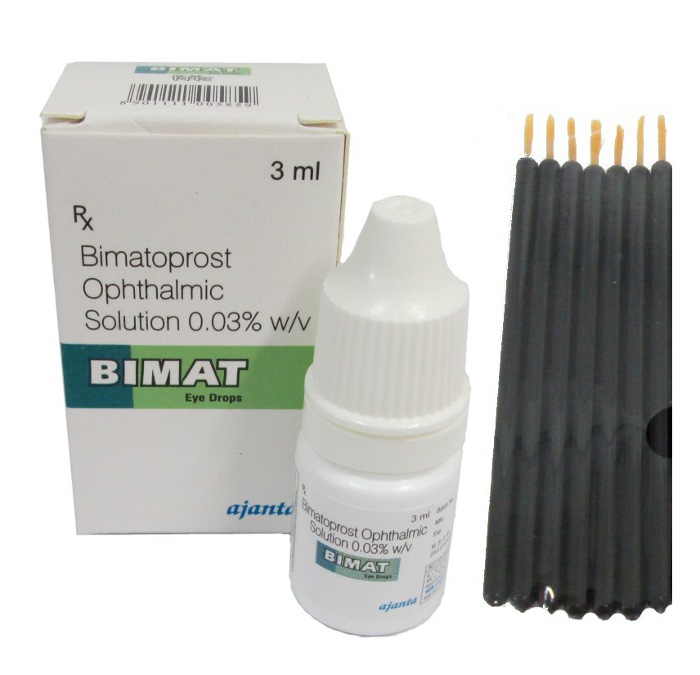
Latisse
- In many pharmacies and online retailers Latisse is officially a prescription-only product (including Canada and the USA), but some pharmacies and e‑shops may supply Latisse or bimatoprost-containing serums without checking a prescription or receipt — availability and legality vary by seller and jurisdiction.
- Latisse (bimatoprost) is used to treat eyelash hypotrichosis (and bimatoprost formulations are used to lower intraocular pressure in glaucoma); it is a prostamide/prostaglandin analogue that lengthens the anagen (growth) phase of hair follicles and increases pigment production in lashes, and in glaucoma increases uveoscleral outflow to reduce IOP.
- The usual dose for eyelash growth is 0.03% solution applied once nightly: one drop to a sterile applicator, then brushed along the upper eyelid margin of each eye; for glaucoma/ocular hypertension the usual dose is one drop into the affected eye(s) once daily.
- Form of administration: topical ophthalmic solution (eye drops) applied to the upper eyelid margin for lashes or instilled into the eye for glaucoma; products are supplied in small bottles (commonly 3 mL or 5 mL) and usually include single‑use sterile applicators.
- Onset time: eyelash effects usually begin to appear after about 4 weeks with optimal results by ~16 weeks; for glaucoma, IOP reduction can begin within hours with maximal effect typically over 2–4 weeks.
- Duration of action: eyelash lengthening/thickening/darkening is maintained only with continued use (effects may regress after stopping); for glaucoma bimatoprost must be continued long‑term with regular ophthalmic monitoring; note iris pigmentation darkening may be permanent.
- Alcohol warning: there is no specific alcohol prohibition with topical bimatoprost, but avoid excessive alcohol if it increases eye irritation or delays wound/healing and follow product instructions and your clinician’s advice.
- The most common side effect is eye or eyelid irritation and redness (other common effects include itching, increased lash pigmentation or misdirection, and possible darkening of eyelid skin or iris).
- Would you like to try latisse without a prescription?
Basic Latisse Information
- INN (International Nonproprietary Name): Bimatoprost
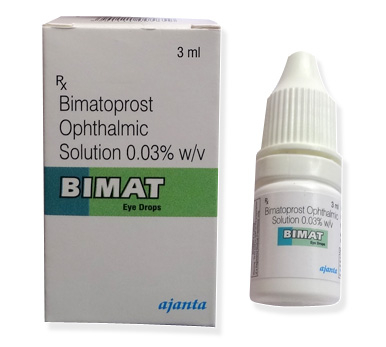
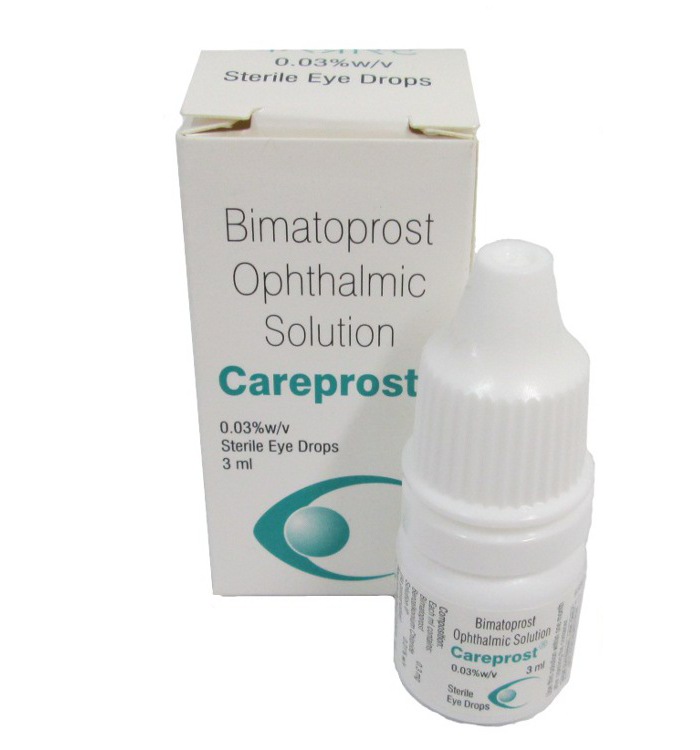
- Brand Names Available In Canada (English): Latisse (0.03% ophthalmic solution), Lumigan (0.01% and 0.03% ophthalmic solutions) and other generics marketed internationally such as Careprost and Bimat; packaging often includes single‑use sterile applicators and may be labelled as “Eyelash Growth Serum” or “Glaucoma Drops”.
- ATC Code: S01EE03
- Forms & Dosages: Latisse 0.03% ophthalmic solution (3 mL, 5 mL with applicators); Lumigan 0.01%/0.03% ophthalmic solution (2.5–9 mL); generics such as Careprost/Bimat commonly available as 0.03% 3 mL or 5 mL with applicators.
- Manufacturers In Canada (English): not specified
- Registration Status In Canada (English): not specified
- OTC / Rx Classification: Prescription Only (Rx)
Latest Research Highlights — Canadian & International
Patients ask whether evidence supports prescription eyelash serums and what harms to expect.
Randomised controlled trials and systematic reviews published and summarised between 2022 and 2025 continued to support bimatoprost for eyelash hypotrichosis, showing measurable increases in eyelash length, thickness and darkness compared with vehicle.
Onset of visible change is often reported at about four weeks with maximal change by around 16 weeks when used nightly as a 0.03% ophthalmic solution such as Latisse.
Canadian-specific randomized trials remain limited and Health Canada safety reviews reference international RCTs and post-marketing surveillance when assessing ocular adverse events.
Real-world observational series from 2022–2025 report consistent cosmetic effectiveness but repeatedly highlight the risk of periocular and iris hyperpigmentation and local irritation.
| Region | Number Of Participants (n) | Design | Primary Outcome | Follow-Up | Main Safety Signals |
|---|---|---|---|---|---|
| International (Multicountry) | Not specified | Randomised Controlled Trial Versus Vehicle | Change In Eyelash Length/Density | 16 Weeks | Periocular Irritation, Eyelid Redness, Pigmentation |
| United States | Not specified | Systematic Review / Meta‑Analysis | Effect Size For Lash Growth Vs Control | Up To 16 Weeks (Trial Data) | Post‑Marketing Iris Pigmentation Reports |
| Real World Observational Series | Varied | Prospective/Retrospective Cohorts | Patient‑Reported Cosmetic Benefit | Up To 12 Months | Local Irritation, Occasional Permanent Pigmentation |
Data highlights include average time‑to‑effect around four weeks, peak cosmetic change by approximately 16 weeks, and the need for ongoing use to maintain results.
Pigmentation of the iris and periocular skin is a documented risk and is reported in some cases to be long-lasting or permanent even after discontinuation.
Canadian patients commonly value clear bilingual benefit–risk counselling before a cosmetic prescription and prefer take‑home information in both English and French.
- Evidence Grading: RCTs — High
- Evidence Grading: Observational Series — Moderate
- Evidence Grading: Case Reports — Low
Clinical Effectiveness In Canada
People want to know if Latisse works the same here as elsewhere.
Health Canada evaluates bimatoprost using international randomized controlled data and post‑market safety reports rather than a large domestic trial program.
The 0.03% ophthalmic solution is the standard formulation for eyelash hypotrichosis, while glaucoma products such as Lumigan are available in 0.01% and 0.03% strengths for intraocular pressure lowering.
Dermatologists and ophthalmologists in Canadian practice report predictable cosmetic outcomes when patients follow the nightly upper‑eyelid‑margin application protocol.
Provincial formularies more commonly list bimatoprost with DINs for glaucoma indications rather than for cosmetic eyelash use, so coverage differs by indication.
- Strengths: Good evidence for increases in lash length, density and darkening when used as directed.
- Limitations: Few Canada-only randomized controlled trials and limited long-term local safety registries.
| Province | Glaucoma Products Listed (DIN) | Cosmetic Latisse Listed |
|---|---|---|
| Ontario | Yes (Glaucoma DINs available) | No (Cosmetic use not typically listed) |
| British Columbia | Yes (Glaucoma DINs available) | No (Cosmetic use not typically listed) |
| Quebec | Yes (Glaucoma DINs available) | No (Cosmetic use not typically listed) |
Patients usually need a prescription from an eye‑care specialist or primary‑care provider to access branded Latisse or generic bimatoprost products in Canada.
Provincial coverage generally applies to glaucoma indications but not to cosmetic eyelash use, so expect out‑of‑pocket payment for Latisse when used for aesthetics.
Indications And Expanded Uses
Many patients ask whether bimatoprost is only for lashes or also for eye disease.
Approved standard indications include eyelash hypotrichosis at 0.03% applied nightly to the upper eyelid margin and glaucoma or ocular hypertension at 0.01%–0.03% dosed once daily into the eye.
In Canada bimatoprost products are prescription‑only and labels distinguish glaucoma/DIN‑listed products from eyelash hypotrichosis marketing for cosmetic use.
Off‑label uses seen in practice include eyebrow enhancement and higher concentration compounding, but these approaches generally lack robust regulatory approval and evidence from RCTs.
- Approved Indication
- Glaucoma / Ocular Hypertension (DIN status varies by product and indication).
- Cosmetic Prescription
- Eyelash Hypotrichosis — product‑specific marketing such as Latisse 0.03%.
- Off‑Label
- Eyebrow enhancement, altered dosing regimens, and compounded higher concentrations.
Clinical cautions include counselling patients that off‑label cosmetic use introduces additional medico‑legal and safety considerations and that some effects such as iris pigmentation may be permanent.
Composition And Brand Landscape
Patients want a quick run‑down of brand names, what the bottle contains and whether generics are equivalent.
The International Nonproprietary Name is Bimatoprost and the ATC classification is S01EE03 for prostaglandin analogues used in ophthalmology.
Latisse is commonly sold in Canada, the United States and the EU as a 0.03% ophthalmic solution in 3 mL or 5 mL bottles with a supply of sterile single‑use applicators.
Lumigan is marketed internationally for glaucoma at 0.01% and 0.03% in a variety of bottle sizes and is usually DIN‑listed for intraocular pressure lowering rather than eyelash growth.
Generics such as Careprost, Bimat and regionally branded bimatoprost products are common in international e‑shops and are often supplied as 0.03% solution with applicators in some markets.
| Brand/Generic | Concentration | Form | Pack Sizes |
|---|---|---|---|
| Latisse | 0.03% | Ophthalmic Solution | 3 mL, 5 mL with ~60+ applicators |
| Lumigan | 0.01%, 0.03% | Ophthalmic Solution | 2.5–9 mL bottles |
| Careprost / Bimat | 0.03% | Ophthalmic Solution | 3 mL, 5 mL (common) |
Manufacturers referenced in international supply chains include AbbVie (originator Allergan), Mylan and Sandoz for generics, and several Indian and European generic manufacturers such as Sun Pharma and Ajanta.
Packaging and labelling may list the product purpose either as an eyelash growth serum or as glaucoma drops, so confirm the intended indication when prescribing or dispensing.
Patients often weigh branded versus generic cost and perceived quality, and bilingual labelling requirements in Canada should be considered when advising patients.
Contraindications And Special Precautions
People commonly worry about whether they are safe to use Latisse if they have eye disease or allergies.
Absolute contraindications include known hypersensitivity to bimatoprost or any excipients such as benzalkonium chloride and active ocular infections or inflammatory conditions.
Relative contraindications include uveitis, macular oedema, aphakia or pseudophakia with a torn posterior lens capsule and a history of severe intraocular inflammatory disease.
- Absolute Contraindications: Hypersensitivity to bimatoprost or excipients; active ocular infection or inflammation.
- Relative Contraindications: Uveitis, macular oedema, aphakia/pseudophakia with torn capsule, prior severe intraocular inflammation.
- Common Mild Adverse Effects: Local irritation, redness, itching, dry or watery eyes.
Darkening of the iris and periocular skin is a known safety signal and can be permanent in some patients, so this risk must be discussed before starting therapy.
High‑risk groups in Canada include the elderly with polypharmacy, patients in remote or Indigenous communities who may face barriers to specialist follow‑up, and those with pre‑existing ocular inflammatory disease.
| Monitoring Item | Suggested Baseline / Follow‑Up |
|---|---|
| Baseline IOP And Ocular Exam | At Start |
| Iris Colour Documentation (Photo If Possible) | At Start And If Changes Noted |
| Follow‑Up For Local Irritation Or Visual Symptoms | 4–12 Weeks Initially, Then As Required |
Dosage Guidelines
Patients routinely ask how to apply Latisse and what to do if they miss a dose.
For eyelash hypotrichosis the recommended adult dosing is one drop of 0.03% solution applied to the upper eyelid margin once nightly using a sterile single‑use applicator per eye.
For glaucoma or ocular hypertension the typical adult dose is one drop into the affected eye(s) once daily, either morning or evening but not both.
Treatment onset is commonly around four weeks with optimal change at approximately 16 weeks and ongoing use required to maintain lash results.
- Stepwise Nightly Application: Wash hands, apply one drop to applicator, draw along upper eyelid margin, discard applicator.
- Applicator Disposal: Use single‑use sterile applicators; do not share or reuse applicators to reduce infection risk.
- Missed Dose: Apply the next dose at the usual time; do not double dose.
| Indication | Dosing | Expected Timeline |
|---|---|---|
| Eyelash Hypotrichosis | 0.03% Once Nightly To Upper Eyelid Margin | Effect ~4 Weeks; Optimal ~16 Weeks; Continued Use Required |
| Glaucoma / OHT | 1 Drop Into Affected Eye(s) Once Daily | Indefinite With Regular Monitoring |
Pediatric safety for cosmetic eyelash use is not established and elderly patients should be monitored without formal dose adjustment.
Interactions Overview
Patients often ask whether morning coffee or other medications will affect Latisse.
No clinically significant food or drink interactions are known with topical bimatoprost and lifestyle items like coffee or alcohol do not alter its local ocular efficacy.
Interactions of clinical concern are primarily ocular and relate to co‑administration with other topical prostaglandin analogues or multiple ocular hypotensive drops, which may increase local adverse effects.
The preservative benzalkonium chloride can interact with contact lenses, so remove lenses prior to instillation and wait about 15 minutes before reinserting lenses.
- Key Interactions: Other ocular prostaglandin analogues, combinations of multiple eye drops increasing irritation, preservatives and contact lenses.
- Practical Tips: Space instillations, inform prescriber about all eye drops, remove contact lenses before application and wait ~15 minutes.
Health Canada safety guidance recommends monitoring for additive ocular irritation and a possible increased risk of anterior uveitis when prostaglandin analogues are used in inflammatory eye disease.
Cultural Perceptions And Patient Habits
Many Canadians hesitate to pay out‑of‑pocket for cosmetic Rx products when basic health care is publicly funded.
Cosmetic prescriptions such as Latisse straddle a cultural expectation of evidence‑based care and a reluctance to pay for elective aesthetic treatments.
Bilingual labelling and counselling in English and French matter to patients in Quebec and to many who expect information in both official languages.
Social media and Canadian forums frequently discuss DIY sourcing, cross‑border purchasing and the perceived value of generics versus the branded product.
Urban patients in Toronto, Vancouver and Montreal usually have ready access to ophthalmologists and dermatologists, while rural and remote patients often rely on primary care prescribers and may face supply delays.
- Common Patient Concerns: Cost, safety, permanence of pigmentation, authenticity of online products.
- Pharmacist Approach: Assess motivation, document informed consent, provide bilingual take‑home counselling sheets.
Availability And Pricing Patterns
Where patients buy Latisse and how much they pay matters to adherence.
Major Canadian pharmacy chains such as Shoppers Drug Mart, Rexall, Jean Coutu and London Drugs stock bimatoprost brands or can order them, and licensed online Canadian pharmacies will dispense Rx brands with a valid prescription.
Provincial drug plans like Ontario Drug Benefit, BC PharmaCare and RAMQ typically reimburse bimatoprost for glaucoma indications, not for cosmetic eyelash use.
Some Canadians consider cross‑border purchase because US pricing for Latisse and generics can be lower, but import rules and legality should be checked before ordering.
In our online pharmacy, latisse is available without a prescription, with discreet delivery to Canada (English) in 5-14 days.
| Retailer Type | Likely Cost Band | Prescription Requirement | Provincial Coverage |
|---|---|---|---|
| National Chain Pharmacy | Medium | Yes | Glaucoma Only |
| Online Canadian Pharmacy | Low–Medium | Yes | Glaucoma Only |
| US E‑Pharmacy / Cross‑Border | Low | Yes (Varies By Site) | Varies / Check Import Rules |
- Saving Tips: Ask about generic bimatoprost alternatives, manufacturer coupons for Latisse, or discuss therapeutic alternatives if cost is limiting.
- Regulatory Caution: Importing medication for cosmetic use may breach Health Canada rules; patients should confirm legality before buying from foreign sellers.
Comparable Medicines And Preferences
Patients want to know if there are safer or cheaper options that still work.
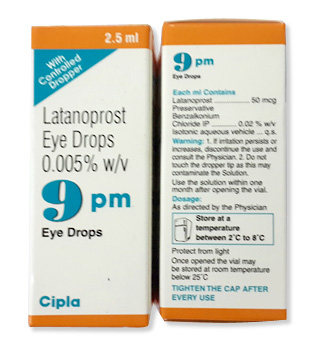
Other prostaglandin analogues used for glaucoma, such as latanoprost, travoprost and tafluprost, can produce lash‑growth as an unintended side effect but are primarily licensed for IOP lowering.
Over‑the‑counter eyelash serums that are peptide‑based or botanical are widely available but do not have the robust randomized trial evidence that bimatoprost has for eyelash hypotrichosis.
- Bimatoprost Pros/Cons: Proven efficacy for lashes; risks include pigmentation and Rx cost.
- Latanoprost / Travoprost: May cause lash changes as a side effect; limited data for cosmetic use.
- OTC Serums: No prescription required but limited quality evidence for cosmetic effectiveness.
| Product | Efficacy Evidence | Approval In Canada | Common Adverse Effects |
|---|---|---|---|
| Bimatoprost (Latisse) | High (RCTs vs Vehicle) | Available; product/indication labels vary | Irritation, Pigmentation |
| Latanoprost / Travoprost | Moderate (Glaucoma RCTs; lash changes reported) | Licensed For Glaucoma | Local Irritation, Pigmentation Possible |
| OTC Eyelash Serums | Low (Limited RCT Evidence) | Cosmetic Market | Variable; irritation or allergic reactions |
When choosing, Canadian patients value clear clinical proof, safety profile and bilingual product information alongside cost considerations.
FAQ — Canadian Patient Q&A
Q: Will Latisse Be Covered By My Provincial Plan?
A: Typically only when prescribed for glaucoma; cosmetic eyelash use is usually not covered by provincial drug plans such as Ontario Drug Benefit, BC PharmaCare and RAMQ.
Q: How Soon Will I See Results And Are They Permanent?
A: Expect early change around four weeks and optimal results at about 16 weeks; continued use is necessary to maintain results and some side effects, such as iris darkening, can be permanent.
Q: Can I Use Latisse With Contact Lenses?
A: Remove contact lenses before application and wait approximately 15 minutes to reinsert them; benzalkonium chloride preservative can interact with lenses.
Q: Is It Safe To Buy Generic Bimatoprost Online?
A: Exercise caution; ensure there is a valid prescription and that the seller is a reputable licensed pharmacy, because counterfeit products and poor applicator hygiene increase infection risk.
Q: Who Should I Ask For A Prescription?
A: An ophthalmologist, an optometrist where the scope allows, or a family physician can issue a prescription; ask for bilingual counselling and documented informed consent when the product is for cosmetic use.
Guidelines For Proper Use — Pharmacist And Clinic Checklist
Clinicians and pharmacists need a simple checklist to ensure safe dispensing and follow‑up.
Confirm indication clearly as cosmetic versus glaucoma and obtain documented informed consent that includes discussion of potential permanent pigmentation risk.
Review the patient’s ocular history, including uveitis, macular oedema and recent intraocular surgery, and document findings.
- Application Checklist: Wash hands, apply nightly to the upper eyelid margin only with a single‑use sterile applicator, discard the applicator after each use, avoid getting the solution directly into the eye, remove contact lenses before application and store the product at 2–25°C.
- Safety Rules: Do not reuse applicators, do not share applicators, and do not use if the solution discolours.
Monitoring Plan: Baseline ocular exam including IOP and corneal status, photo documentation of iris colour if feasible, first follow‑up at 4–12 weeks and ongoing review every 6–12 months for long‑term users.
| Adverse Sign | Action |
|---|---|
| Severe Irritation Or Pain | Stop Product And Arrange Same‑Day Review |
| Vision Change Or Signs Of Infection | Urgent Ophthalmology Review |
| New Iris Or Periocular Darkening | Document, Counsel On Potential Permanence, Consider Discontinuation |
Provide patients with a bilingual take‑home handout summarizing dosing, applicator hygiene and warning signs, and advise against sharing applicators or purchasing from unverified importers.
Delivery Across Canada (English)
| City | Region | Delivery Time |
|---|---|---|
| Toronto | Ontario | 5-7 days |
| Montreal | Quebec | 5-7 days |
| Vancouver | British Columbia | 5-7 days |
| Calgary | Alberta | 5-7 days |
| Edmonton | Alberta | 5-7 days |
| Ottawa | Ontario | 5-7 days |
| Winnipeg | Manitoba | 5-7 days |
| Halifax | Nova Scotia | 5-7 days |
| Victoria | British Columbia | 5-7 days |
| Quebec City | Quebec | 5-7 days |
| Hamilton | Ontario | 5-7 days |
| Kitchener | Ontario | 5-9 days |
| London | Ontario | 5-7 days |
| St. John’s | Newfoundland And Labrador | 5-9 days |
| Saskatoon | Saskatchewan | 5-9 days |