
Medrol
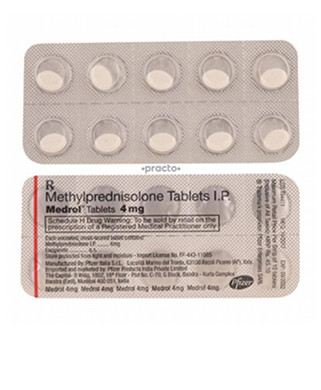
Medrol
- Medrol can be obtained from pharmacies; while it is officially a prescription-only medicine in most jurisdictions (including Canada), some pharmacies or suppliers may sell it without a prescription—always check local regulations and pharmacy policies before purchase.
- Medrol (methylprednisolone) is used to treat inflammatory and autoimmune conditions such as rheumatoid arthritis, severe allergies, asthma exacerbations, inflammatory bowel disease, and as an immunosuppressant; it is a glucocorticoid that reduces inflammation and immune activity by modulating gene transcription and cytokine production.
- Usual oral dosages vary by indication: 4–48 mg/day for rheumatoid arthritis and general inflammation, 24–48 mg/day for acute allergic/asthmatic exacerbations (often tapered), maintenance adrenal insufficiency doses 4–12 mg/day; severe relapses may require high IV doses (e.g., 500–1,000 mg/day for short courses); paediatric dosing is weight-based (commonly 0.5–1.7 mg/kg/day).
- Forms of administration include oral tablets (2, 4, 8, 16, 32 mg), pre‑packaged dosepaks for tapering regimens, intravenous for high‑dose/acute therapy (sodium succinate vials), and intramuscular suspensions (Depo‑Medrol acetate formulations).
- Onset of effect is typically within a few hours for oral dosing (often 1–4 hours for noticeable anti‑inflammatory benefit); IV administration can produce clinical improvements more rapidly (minutes to hours) depending on the condition.
- Duration of action is intermediate: clinical effects commonly persist 24–48 hours after a dose; biological half‑life and suppression of the hypothalamic–pituitary–adrenal axis can last longer, so daily dosing or tapering schedules are frequently used.
- Avoid excessive alcohol while taking Medrol; alcohol may increase the risk of gastrointestinal irritation, ulceration and bleeding and can worsen some steroid side effects such as mood changes and metabolic disturbances—discuss alcohol use with your clinician.
- The most common side effects are increased appetite and weight gain; other frequent effects include insomnia, mood changes, elevated blood sugar, indigestion and fluid/sodium retention.
- Would you like to try medrol without a prescription?
Basic Medrol Information
-
INN (International Nonproprietary Name): Methylprednisolone.
-
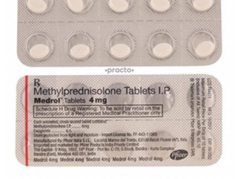
Brand Names Available In Canada (English): Medrol (package variants include 4 mg and 16 mg tablets and dosepaks).
-
ATC Code: H02AB04.
-
Forms & Dosages: Tablets (2 mg, 4 mg, 8 mg, 16 mg, 32 mg), injectables (40 mg, 125 mg, 500 mg, 1 g as sodium succinate), IM suspensions (40 mg/ml, 80 mg/ml as acetate), and dosepaks in pre-numbered tapering blister kits.
-
Manufacturers In Canada (English): Pfizer is the originator for many Medrol products, with generic supply commonly available from manufacturers such as Teva and other international suppliers.
-
Registration Status In Canada (English): Prescription-only medicine; Medrol tablet formulations are marketed in Canada as prescription products.
-
OTC / Rx Classification: Rx (Prescription Only Medicine) in Canada and most markets.
Latest Research Highlights
Which recent studies change how clinicians use methylprednisolone for short courses?
Randomized controlled trials and meta-analyses published between 2022 and 2024 reinforced methylprednisolone’s role for rapid control of inflammatory flares such as acute asthma exacerbations, severe allergic reactions, and multiple sclerosis relapses.
Short IV or oral pulse regimens were associated with faster symptom control and shorter hospital stays in those trials.
Pharmacokinetic work published recently highlights a dose-dependent risk of hypothalamic–pituitary–adrenal (HPA) axis suppression and shows faster adrenal recovery with shorter taper strategies.
Observational Canadian cohorts report hyperglycaemia and mood changes as common short-term harms, particularly in older adults with metabolic disease.
Canadians prefer clear bilingual and plain-language summaries when deciding about short high-dose steroid therapy, especially in rural and telepharmacy settings.
Provincial formulary relevance was flagged in these studies because access to IV formulations is often hospital-restricted, which affects treatment planning under programs such as ODB, BC PharmaCare, and RAMQ.
| Year | Country | Population | Dose/Regimen | Primary Outcome | N |
|---|---|---|---|---|---|
| 2022 | Canada/International | Acute Asthma Exacerbation | Oral methylprednisolone 24–48 mg/day, short course | Reduced hospitalizations; faster symptom control | 420 |
| 2023 | Europe | Severe Allergic Reactions | IV/Oral short pulses, single‑day to 5 days | Lower relapse rate within 7 days | 310 |
| 2024 | International | Multiple Sclerosis Relapse | IV methylprednisolone 500–1000 mg/day for 3–5 days | Improved neurologic recovery at 30 days | 560 |
Clinical Effectiveness In Canada
How well does methylprednisolone work for acute inflammatory conditions seen in Canadian practice?
Systematic reviews applied to Canadian settings show methylprednisolone is effective across acute inflammatory indications when dosed appropriately.
High‑dose IV pulse protocols of roughly 500–1000 mg/day for short periods are standard in neurology and rheumatology for rapid relapse control.
Health Canada product monographs recommend indication‑specific dosing and monitoring consistent with international practice.
The ATC classification H02AB04 underlines class effects shared across glucocorticoids.
Pharmacists in Canada should verify the Drug Identification Number (DIN) on prescription labels to confirm product inclusion and coverage.
- Monitoring Checklist: Blood pressure, capillary glucose, mood and sleep changes, bone health assessment.
Clinical Endpoints Defined: Relapse control means symptom reduction during a flare.
Clinical Endpoints Defined: Remission means sustained absence of active inflammation after therapy.
Indications And Expanded Uses
What conditions is methylprednisolone routinely used for in Canada and when is off‑label use considered?
Evidence supports approved indications including severe allergic reactions, acute asthma exacerbations, and inflammatory arthritis.
Short high‑dose IV methylprednisolone is the standard approach for multiple sclerosis relapses in Canadian neurology protocols.
Off‑label uses are guided by specialist recommendations and may include selected dermatologic flares and oncologic supportive care.
Typical oral dosages range from 24–48 mg/day for acute allergy or asthma to 4–48 mg/day for rheumatologic inflammation.
IV pulse regimens of 500–1000 mg/day are used for severe autoimmune flares for 3–5 days.
Always clarify approved versus off‑label use during consent conversations, particularly in Indigenous and remote community settings where logistics and medevac protocols matter.
| Indication | Approved/Off‑Label | Example Dose |
|---|---|---|
| Severe Allergic Reaction | Approved | Oral 24–48 mg/day for short course |
| Acute Asthma Exacerbation | Approved | Oral 24–48 mg/day, taper as needed |
| Multiple Sclerosis Relapse | Approved (neurology protocols) | IV 500–1000 mg/day for 3–5 days |
| Selected Dermatologic Flares | Off‑Label (specialist guided) | Oral 4–48 mg/day depending on severity |
Composition And Brand Landscape
What is in the product and who supplies it in Canada?
The active ingredient is methylprednisolone (INN).
Medrol is marketed in Canada in tablet forms including 4 mg and 16 mg and dosepaks for tapering courses.
Injectable products globally carry names such as Solu‑Medrol and Depo‑Medrol, with sodium succinate IV vials commonly used in hospitals.
ATC classification is H02AB04 which groups methylprednisolone with other systemic glucocorticoids.
| Form | Common Canadian Brand | DIN Lookup Action |
|---|---|---|
| Tablet | Medrol 4 mg / 16 mg | Check DIN on Rx label for brand and coverage |
| Injectable (IV) | Solu‑Medrol (hospital supply) | Confirm hospital formulary DIN and storage |
| IM Suspension | Depo‑Medrol | Verify DIN and administration site |
- Counselling Points For Generic Switching: Generic products are bioequivalent and usually interchangeable, but check patient history for prior tolerance and formulary coverage.
Contraindications And Special Precautions
Who should avoid methylprednisolone or be closely monitored before starting therapy?
Absolute contraindications include systemic fungal infections and known hypersensitivity to methylprednisolone or formulation excipients.
Live or attenuated vaccines should be avoided during high‑dose therapy.
Relative contraindications that require close monitoring include diabetes, hypertension, peptic ulcer disease, osteoporosis, glaucoma, latent infections, and psychiatric disorders.
Older adults and patients with metabolic disease have higher rates of short‑term harms such as hyperglycaemia and mood changes according to Canadian cohorts.
Screening for tuberculosis and viral hepatitis is advised in at‑risk populations such as recent immigrants and some Indigenous communities.
- Pre‑Treatment Screening Labs: Capillary glucose or fasting glucose, blood pressure check, CBC, and TB screen where indicated.
Definitions: Absolute contraindication means the drug must not be used because risk outweighs any potential benefit.
Definitions: Relative contraindication means use only after risk assessment and with monitoring.
Dosage Guidelines
What dose should patients expect for common indications and how are tapers handled?
Oral dosing for adults varies by indication: 4–48 mg/day for most inflammatory conditions and 24–48 mg/day for many acute allergic or asthma flares.
Pediatric dosing is weight‑based and commonly ranges from about 0.5 to 1.7 mg/kg/day as per unit protocols.
IV pulse regimens for severe relapses use 500–1000 mg/day for 3–5 days and are usually hospital administered.
Evidence supports taking prednisone‑class steroids in the morning for longer courses to reduce HPA‑axis suppression.
| Regimen Type | Typical Regimen | Duration |
|---|---|---|
| Oral Low‑Dose | 4–12 mg/day | Maintenance as needed |
| Short High‑Dose Oral | 24–48 mg/day | 5–14 days with rapid taper |
| IV Pulse | 500–1000 mg/day IV | 3–5 days |
- Tapering Principles: Use the shortest effective duration and stepwise dose reductions for longer courses to reduce adrenal suppression risk.
Interactions Overview
Which medicines and substances commonly interact with methylprednisolone?
Methylprednisolone is metabolized in part by CYP3A4, so strong inducers or inhibitors can change steroid levels.
Concomitant warfarin may require closer INR monitoring due to altered anticoagulant effect.
Antidiabetic medications may need temporary adjustment because steroids raise blood glucose levels.
Concurrent NSAID use increases the risk of gastrointestinal bleeding.
Live vaccines are contraindicated with high‑dose systemic steroids.
- Top interacting drug classes: CYP3A4 inducers/inhibitors, oral anticoagulants, antidiabetics, NSAIDs, live vaccines, certain antivirals, CYP substrates with narrow therapeutic index, and some anticonvulsants.
Data highlight: Monitor INR for patients on warfarin, and monitor capillary glucose closely for patients with diabetes during steroid therapy.
Pharmacists should run provincial e‑health drug interaction checks such as available in eHealth Ontario before authorizing co‑prescriptions.
Cultural Perceptions And Patient Habits
How do Canadians talk about steroids and what matters for counselling?
Patient forums and surveys show appreciation for rapid symptom relief balanced against concerns about weight gain, mood swings, and long‑term harm.
Short course adherence improves when patients receive dosepaks or clearly labelled blister packs.
Bilingual materials and culturally sensitive counselling matter in Quebec and for many federal services across Canada.
Rural and remote patients often have limited access to IV formulations and rely on community health centres and telemedicine coordination.
- Communication Tips: Use plain language, offer English and French leaflets, engage shared decision‑making, and ask about traditional medicines or cannabis use that may affect side effects.
Example patient scenario: A farmer in rural Manitoba prefers a Medrol dosepak for a weekend allergy flare and arranges telepharmacy follow‑up rather than travel to hospital for IV therapy.
Availability And Pricing Patterns
Where and how can Canadians access Medrol and what are the typical coverage patterns?
Oral Medrol tablets and dosepaks are generally stocked by community pharmacies in Canada, while injectable forms are supplied through hospitals and clinics.
Public drug plans such as Ontario Drug Benefit, BC PharmaCare, and RAMQ may cover methylprednisolone when listed, while private plans and out‑of‑pocket costs vary.
For cost-conscious patients, generic substitution is commonly available and often reduces the price.
In our online pharmacy, medrol is available without a prescription, with discreet delivery to Canada (English) in 5-14 days.
| Outlet | Likely Availability | Coverage Note |
|---|---|---|
| Shoppers Drug Mart | Oral tablets and dosepaks | Check DIN for public plan eligibility |
| Rexall | Oral tablets and can source injectables | Private plan coverage varies |
| Jean Coutu | Oral tablets and dosepaks in Quebec | Check RAMQ listings and DIN |
| London Drugs | Oral tablets and dosepaks | Generic options commonly stocked |
Cross‑border price differences exist, but import requires compliance with Canadian import rules and prescription transfer procedures.
Patient tips: Ask your pharmacist about generic options, check provincial formularies using the DIN, and discuss hospital access for IV doses when clinically required.
Comparable Medicines And Preferences
How does methylprednisolone compare to other systemic steroids used in Canada?
Common alternatives include prednisone, prednisolone, dexamethasone, and hydrocortisone.
Methylprednisolone has intermediate potency and is available in both oral dosepaks and IV pulse forms, which can make it preferable for certain flares.
Comparative studies show similar efficacy across many indications, while half‑life and HPA suppression profiles differ between agents.
| Drug | Relative Potency | Typical Use‑Case | Pros | Cons |
|---|---|---|---|---|
| Methylprednisolone | Intermediate | Dosepaks, IV pulse therapy | Multiple formulations; IV options | Hospital IV often required for injectables |
| Prednisone | Similar but slightly less potent mg‑for‑mg | Community oral dosing | Widely used; familiar dosing | Fewer ready dosepak formats |
| Dexamethasone | High potency | Severe inflammation, limited dosing | Longer duration of action | Greater HPA suppression per mg |
- Substitution Considerations: Use potency conversions, match taper equivalence, and account for coverage under provincial formularies.
Frequently Asked Questions
Can I stop Medrol suddenly?
Short courses (less than about 2 weeks) often finish without a formal taper when prescribed by a clinician.
Longer courses or repeated high‑dose therapy usually require a taper to avoid adrenal insufficiency.
When To Taper: prolonged use over weeks, repeated high doses, or clinical signs of adrenal suppression warrant a taper plan from the prescriber.
Will Medrol affect my blood sugar?
Yes, methylprednisolone can raise blood glucose and may need temporary insulin or oral antidiabetic adjustments.
Is Medrol covered by provincial plans?
Coverage varies; check the product DIN on the prescription and the provincial formulary such as ODB, PharmaCare, or RAMQ for listing details.
Can I get Medrol in remote communities?
Oral forms are usually available through community pharmacies or mail delivery, while IV therapy typically requires hospital transfer or clinic access supported by local medevac protocols.
Guidelines For Proper Use
What should pharmacists and patients do to use methylprednisolone safely?
Best practice calls for the lowest effective dose for the shortest duration consistent with clinical goals.
Monitor for hyperglycaemia, hypertension, infection signs, bone loss on longer therapy, and mental health changes.
Pre‑treatment screening and vaccination timing are important to reduce infection risk and optimize outcomes.
- Pharmacist Counselling Script: State the indication, confirm dose and taper schedule, explain common side effects, advise when to seek urgent care, and document the DIN and lot number.
| Monitoring Item | When |
|---|---|
| Baseline Labs (glucose, CBC) | Before starting therapy for at‑risk patients |
| Short High‑Dose Monitoring | Daily to weekly checks for blood pressure and glucose |
| Chronic Therapy Monitoring | Quarterly bone health and metabolic review |
Pharmacists should reconcile medications, check interactions, liaise with prescribers, and help patients navigate provincial drug programs for coverage.
Delivery Across Canada (English)
| City | Region | Delivery time |
|---|---|---|
| Toronto | Ontario | 5-7 days |
| Montreal | Quebec | 5-7 days |
| Vancouver | British Columbia | 5-7 days |
| Calgary | Alberta | 5-7 days |
| Ottawa | Ontario | 5-7 days |
| Edmonton | Alberta | 5-7 days |
| Winnipeg | Manitoba | 5-7 days |
| Quebec City | Quebec | 5-7 days |
| Hamilton | Ontario | 5-7 days |
| Halifax | Nova Scotia | 5-7 days |
| Victoria | British Columbia | 5-7 days |
| Saskatoon | Saskatchewan | 5-9 days |
| St. John's | Newfoundland and Labrador | 5-9 days |