
Plaquenil
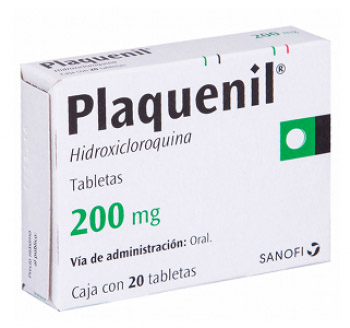
Plaquenil
- Plaquenil (hydroxychloroquine) is generally dispensed through pharmacies and is officially a prescription (Rx) medicine in Canada and most countries; it is most commonly supplied as 200 mg film‑coated tablets. Availability varies by market and some pharmacies or online vendors may offer it without a prescription, but that is not the regulated standard.
- Plaquenil is used to treat and prevent certain types of malaria (not effective in many chloroquine‑resistant areas) and as a disease‑modifying antirheumatic drug for rheumatoid arthritis and for systemic and discoid lupus. Mechanism: an aminoquinoline that raises lysosomal/endosomal pH in host cells and parasites, interferes with antigen presentation and toll‑like receptor signalling, and exerts antiparasitic activity against Plasmodium.
- Usual dosages: malaria prophylaxis 400 mg once weekly; malaria treatment typically 800 mg initially then 400 mg at 6, 24 and 48 hours (weight adjustments apply; total ~2 g max in adults); rheumatoid arthritis and lupus 200–400 mg daily (total daily dose usually ≤400 mg); pediatric dosing is weight‑based (approximately 3–7 mg/kg/day, max ~400 mg).
- Form of administration: oral tablets—most commonly film‑coated 200 mg tablets (scored), with some generics available as 100 mg tablets; packaged in blister packs or prescription bottles.
- Onset time: for autoimmune conditions symptomatic improvement may take 1–2 months; malaria prophylaxis requires 1–2 weeks before protective levels are reached; antimalarial effects during acute treatment begin within hours to days.
- Duration of action: hydroxychloroquine has a very long terminal elimination half‑life (weeks to months, typically reported ~40–50 days), so effects persist after dosing stops; prophylaxis should be continued during exposure and for 4 weeks after travel; autoimmune therapy is often continued for months to years while effective and tolerated.
- Alcohol warning: avoid excessive alcohol consumption — alcohol can increase liver strain and gastrointestinal side effects and may worsen overall tolerance; discuss alcohol use with a prescriber if you have liver disease or are on long‑term therapy.
- The most common side effec are gastrointestinal symptoms (nausea, vomiting, abdominal cramps, diarrhea), headache and skin rash; long‑term use carries risk of retinal toxicity (regular eye exams required) and rare but serious cardiac arrhythmias (risk increases with other QT‑prolonging drugs).
- Would you like to try plaquenil without a prescription?
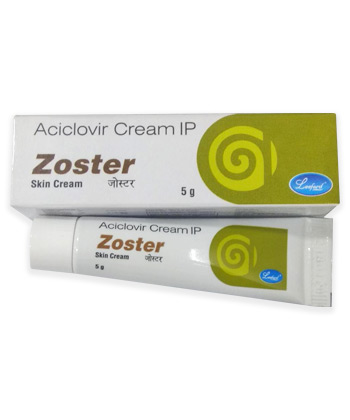
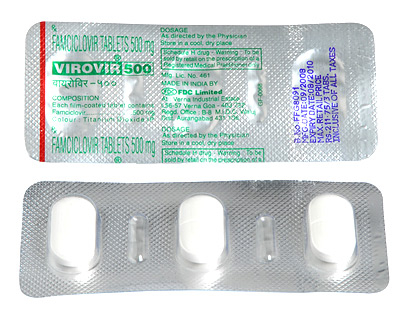
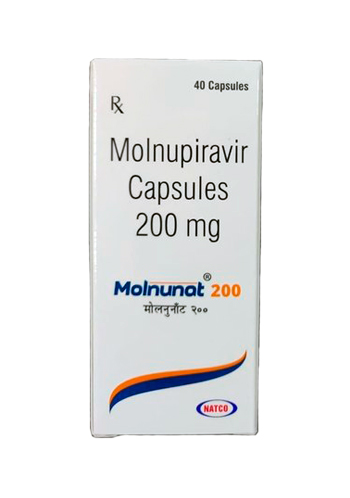
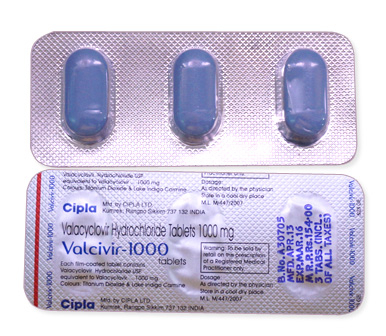
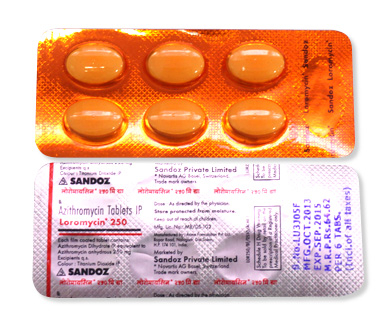
Basic Plaquenil Information
- INN (International Nonproprietary Name): Hydroxychloroquine
- Brand Names Available In Canada (English): Plaquenil; generics labelled Hydroxychloroquine Sulfate or hydroxychloroquine 200 mg are widely available.
- ATC Code: P01BA02
- Forms & Dosages: Film-coated tablet 200 mg commonly in blister packs of 30 or 60 or bottles of 60/100; 100 mg tablets are rare and not commonly used in Canada.
- Manufacturers In Canada (English): Sanofi supplies Plaquenil globally and Apotex supplies generic hydroxychloroquine in Canada.
- Registration Status In Canada (English): Prescription-only and regulated by Health Canada.
- OTC / Rx Classification: Rx only (prescription required).
Latest Research Highlights
Canadians want clear answers about whether plaquenil works for autoimmune disease and whether it helped for COVID-19.
Since 2022, international randomised controlled trials and Canadian pharmacovigilance have reinforced hydroxychloroquine's role as a disease-modifying antirheumatic drug for rheumatoid arthritis and as a standard therapy for systemic and discoid lupus.
Large COVID-19 RCTs showed no convincing benefit for treatment or prevention, and Canadian and international regulators advised against off-label COVID-19 prescribing.
Canadian post‑pandemic surveillance emphasised careful safety monitoring, especially for cardiac QT risks when combined with macrolides and cumulative retinal risk with long‑term high dosing.
Health Canada communications align with international agencies: continue labelled uses such as malaria prophylaxis and RA/SLE treatment, and avoid off‑label COVID‑19 use.
- Hydroxychloroquine remains effective as a DMARD for RA and SLE when used with ophthalmologic monitoring.
- No trial-supported role for hydroxychloroquine in COVID-19 treatment or prophylaxis from 2022–2025 evidence.
- Safety signals focus on QT prolongation with co-prescribed macrolides and cumulative retinal toxicity at higher cumulative doses.
| Indication | Trial Type | N | Primary Outcome | Conclusion |
|---|---|---|---|---|
| Rheumatoid Arthritis / SLE | International RCTs / Long-Term Cohorts | Not specified | Symptom control and flare reduction | Supportive evidence for DMARD effectiveness |
| COVID-19 Treatment / Prophylaxis | Large International RCTs | Not specified | Clinical outcomes vs usual care | No convincing benefit; not recommended |
| Malaria Prophylaxis | Clinical Guidance / Pharmacology | Not specified | Prevention in sensitive regions | Effective where chloroquine-sensitive |
Canadian adverse-event reporting through 2020–2024 highlighted retinal events related to cumulative dose and rare cardiac events linked to interacting QT drugs.
When counselling, flag patients at higher risk such as the elderly and those with polypharmacy for shared decision-making about hydroxychloroquine and Plaquenil 200 mg tablets.
Clinical Effectiveness In Canada
Patients commonly ask how quickly plaquenil helps and what Canadian labels require.
Health Canada recognises hydroxychloroquine for treatment and prevention of malaria, rheumatoid arthritis, and lupus, with an Rx‑only classification and product monographs advising eye monitoring and cardiac caution.
Plaquenil 200 mg film-coated tablets and generics such as hydroxychloroquine sulfate are dispensed across Canadian pharmacies, including chain stores and independents.
- DIN
- Drug Identification Number assigned to marketed preparations in Canada for reimbursement and dispensing clarity.
- Monograph
- Official product information from manufacturer and Health Canada detailing indications, dosing, and safety.
- Formulary Entry
- Provincial listing status that determines coverage and prior-authorisation rules for ODB, PharmaCare, or RAMQ.
Onset of measurable benefit for RA or SLE often takes one to two months, supported by long-term observational data and clinical practice in Canada.
Document a baseline retinal exam and consider ECG where cardiac risk factors exist before starting therapy.
Record the DIN on prescriptions to ensure correct dispensing at chains such as Shoppers Drug Mart, Rexall, and London Drugs.
Indications And Expanded Uses
Patients want to know when hydroxychloroquine is appropriate and when it is not.
Approved indications in Canada include treatment and prevention of specific malaria strains, rheumatoid arthritis as a DMARD, and systemic and discoid lupus.
Off‑label use is seen in specialist clinics for certain dermatologic autoimmune conditions but requires documented rationale and informed consent from the prescriber.
- Approved Uses: Malaria prophylaxis and treatment in sensitive areas, rheumatoid arthritis, systemic and discoid lupus.
- Common Off‑Label Uses: Selected dermatologic autoimmune disorders when standard therapies are unsuitable; COVID‑19 use is not supported by RCT evidence and was discouraged by provincial authorities.
Pediatric dosing is weight-based at approximately 3–7 mg/kg/day up to a maximum of 400 mg and requires stricter ophthalmic follow-up.
For travel medicine, malaria prophylaxis dosing is typically 400 mg weekly, starting 1–2 weeks prior to travel and continuing 4 weeks after return, confirming destination resistance patterns before prescribing.
Tailored counselling and bilingual (EN/FR) materials improve adherence in Indigenous and remote communities where access to pharmacy and ophthalmology may be limited.
Composition And Brand Landscape
Patients often notice differences in tablet appearance when brands change.
The active ingredient is hydroxychloroquine, commonly presented as hydroxychloroquine sulfate in generic products and as Plaquenil 200 mg in brand packaging.
- Plaquenil is typically dispensed as 200 mg film-coated tablets in blister packs or bottles.
- Post-pandemic, generic hydroxychloroquine sulfate products from suppliers such as Apotex are more common in Canada.
- Manufacturers supplying products include Sanofi for Plaquenil and Apotex and international suppliers for generics.
- Packaging is commonly blister packs of 30 or 60 or bottles of 60/100 tablets — check the DIN at purchase.
- When switching brands, confirm tablet appearance and DIN to avoid confusion.
| Brand/Generic | Manufacturer | Typical Packaging | Example DIN |
|---|---|---|---|
| Plaquenil (200 mg) | Sanofi | Blister 30/60; Bottle 60/100 | Not specified |
| Hydroxychloroquine Sulfate (Generic) | Apotex / International Suppliers | Blister 30/60; Bottle 60/100 | Not specified |
Contraindications And Special Precautions
People worry about who should not take plaquenil and what monitoring is required.
Absolute contraindications include known hypersensitivity to hydroxychloroquine or other 4‑aminoquinolines and pre-existing retinopathy.
Full-strength tablets are not suitable for very young children under approximately six years due to overdose risk.
- Absolute Contraindications: Hypersensitivity to hydroxychloroquine or 4-aminoquinolines; pre-existing maculopathy or retinopathy; children too young for full tablets.
- Relative Contraindications: Cardiac conduction disorders, significant liver or kidney impairment, G6PD deficiency concerns, psoriasis, porphyria, and careful use in pregnancy and lactation depending on risk–benefit.
Health Canada and other agencies flag QT prolongation risk when hydroxychloroquine is combined with QT‑prolonging agents such as azithromycin.
Monitoring actions include a baseline eye exam, periodic retinal screening depending on cumulative exposure, ECG when cardiac risk or interacting medications are present, and liver and renal function tests where impairment exists.
Rates of retinopathy relate to cumulative dose and duration of use, increasing with higher total exposure over several years.
Dosage Guidelines
Patients routinely ask what dose of plaquenil they should take for their condition.
For RA and SLE in adults, typical dosing is 200–400 mg daily, given once daily or divided, with attention to ideal body weight to limit retinal risk.
Malaria prophylaxis dosing is commonly 400 mg weekly, starting 1–2 weeks before travel and continuing 4 weeks after return.
| Indication | Typical Dose | Duration | Monitoring Interval |
|---|---|---|---|
| Rheumatoid Arthritis / SLE | 200–400 mg daily | Often long-term | Baseline eye exam; periodic checks based on cumulative dose |
| Malaria Prophylaxis | 400 mg weekly | Start 1–2 weeks before travel; continue 4 weeks after | Assess for side effects before and after travel |
| Pediatrics | 3–7 mg/kg/day (max 400 mg) | Per specialist guidance | Strict ophthalmology follow-up |
- Adjust doses downward for significant hepatic or renal impairment and consider lower cumulative exposure in elderly patients.
- Take with food to reduce gastrointestinal upset.
- If a dose is missed, take it as soon as remembered unless it is near the next dose; do not double the next dose.
Interactions Overview
Patients often ask whether plaquenil mixes safely with their other medicines.
Key interaction concerns are cardiac and metabolic: hydroxychloroquine can prolong the QT interval and increases risk when combined with other QT‑prolonging drugs such as azithromycin and some antipsychotics.
Hydroxychloroquine should not be combined with other 4‑aminoquinolines due to additive toxicity.
- Interaction Severity Categories
- High: Combinations with known QT-prolonging drugs that increase arrhythmia risk.
- Moderate: Drugs that affect hepatic metabolism that may alter hydroxychloroquine levels.
- Low: Agents with minimal clinical interaction but warrant routine monitoring.
- High-Risk Drug Classes: Macrolide antibiotics (eg, azithromycin), certain antiarrhythmics, some antidepressants, and other antimalarials.
- Pharmacy Workflow Note: Canadian pharmacists should check e-health interaction alerts and counsel patients on OTC and herbal products that may alter risk.
Advise spacing antacid or mineral supplements if absorption concerns arise and counsel patients about alcohol moderation where liver disease is present.
Cultural Perceptions And Patient Habits
Many Canadians remember the intense public debate about hydroxychloroquine during the pandemic.
Trust in evidence-based guidance from Health Canada and provincial health authorities remains important to restore confidence around plaquequil prescribing.
Online forums retain interest in hydroxychloroquine for autoimmune control, but clinicians and pharmacists often encounter misinformation that needs correction in a respectful way.
- Common Patient Beliefs: Effective for lupus and RA; worry about eye damage; confusion about pandemic-era claims.
- Clinician Responses: Reiterate approved indications, monitoring requirements, and evidence for safety and efficacy when monitored.
- Access Differences: Urban patients usually have easier ophthalmology access; remote and Indigenous communities face travel and access barriers and benefit from telepharmacy and bilingual materials.
Provincial surveys show a notable percentage of patients expressing concern about retinal effects, making clear counselling and printed bilingual leaflets important in Canadian practice.
Availability And Pricing Patterns
Patients ask whether plaquenil is affordable and where to buy it in Canada.
Plaquenil and generic hydroxychloroquine sulfate are stocked in major Canadian chains such as Shoppers Drug Mart, Rexall, Jean Coutu, and London Drugs as well as many independent pharmacies.
Post-pandemic increases in generic supply lowered domestic prices, but coverage and out-of-pocket cost vary by province and by whether the patient has public or private insurance.
| Store/Channel | Availability | Price Pattern |
|---|---|---|
| Shoppers Drug Mart / Rexall / London Drugs | Brand and generics stocked | Pricing varies; check DIN and provincial coverage |
| Independent Pharmacies | Commonly available | May have varying stock and price |
| Mail-Order / Specialty Programs | Useful for remote patients | May lower access barriers |
Cross-border purchases from the United States can appear cheaper but carry legal, import, and product-equivalence risks, so consult your Canadian prescriber and pharmacist before considering that option.
In our online pharmacy, plaquenil is available without a prescription, with discreet delivery to Canada (English) in 5-14 days.
- Access Tips: Verify DIN at pickup, ask about provincial reimbursement pathways, and request bilingual counselling where needed.
Comparable Medicines And Preferences
When plaquenil is not suitable, prescribers consider alternatives based on the condition and patient factors.
For RA and SLE, alternatives include methotrexate, sulfasalazine, leflunomide, and biologic agents; these have different monitoring burdens and efficacy profiles compared with hydroxychloroquine.
For malaria, chloroquine may be used in sensitive regions and artemisinin-based therapies are preferred where resistance is present.
| Medicine | Monitoring | Cost | Onset Of Action |
|---|---|---|---|
| Methotrexate | Regular bloodwork and monitoring | Variable; often covered for RA | Weeks to months |
| Sulfasalazine | Baseline bloodwork and monitoring | Generally low cost | Weeks to months |
| Biologics | Specialist monitoring and access programs | High cost; formulary and prior auth common | Faster symptom control for many |
- Hydroxychloroquine Advantages: Oral dosing, tolerability for many, steroid-sparing effect in autoimmune disease.
- Hydroxychloroquine Disadvantages: Cumulative retinal risk, QT interactions, and slower onset than some biologics.
Provincial formularies and step-therapy rules may influence which agent is chosen first in public plans.
FAQ
Is Plaquenil Safe For Long-Term Lupus Treatment?
Yes for many patients when monitored with baseline and periodic eye exams, since benefits often outweigh risks under supervision.
Will My Provincial Plan (ODB/PharmaCare/RAMQ) Pay?
Coverage varies by province and by indication; provide the DIN to your pharmacist and check prior-authorisation rules for public plans.
Can I Buy Cheaper Plaquenil In The US?
Cross-border purchase may seem cheaper but watch prescription legality, import rules, tablet equivalence, and consult your Canadian prescriber before proceeding.
What If I Miss A Dose?
Take the missed dose as soon as you remember unless it is close to the next dose; do not double up.
Do I Need An ECG?
Obtain an ECG if there is a cardiac history or if other QT‑prolonging drugs are being prescribed; pharmacists and prescribers coordinate testing where indicated.
- DIN
- Drug Identification Number to provide to your pharmacist for coverage checks.
- Prior Authorization
- Provincial approval required for some formulary-covered treatments.
- When To Seek Emergency Care: sudden vision changes, chest pain, fainting, severe shortness of breath, or signs of severe allergic reaction.
Guidelines For Proper Use
Pharmacists follow a simple workflow to keep patients safe when dispensing plaquenil.
Confirm indication and the DIN on the prescription, counsel on 200–400 mg/day dosing typical for autoimmune indications, and document a baseline ophthalmology referral when starting long-term therapy.
Check interactions with e-health drug interaction tools and document counselling in the pharmacy record for continuity of care.
Provincial Tips: verify formulary criteria for ODB, PharmaCare, or RAMQ and initiate prior authorisation when required.
Suggested Monitoring Schedule: baseline eye exam within the first year, then annually after five years or sooner with high cumulative dose; obtain ECG if cardiac risk or interacting medications are present.
- Dispense Counselling Checklist: dosing and missed-dose guidance, need for baseline eye exam, signs of cardiac or visual side effects, store at room temperature, and keep out of reach of children.
- Storage And Safety: store at 15–30°C, protect from moisture, and warn about overdose toxicity—seek immediate care for suspected overdose.
Provide written EN/FR instructions, involve family caregivers where helpful, and use telepharmacy supports for remote communities to improve adherence and monitoring access.
Delivery Across Canada (English)
| City | Region | Delivery Time |
|---|---|---|
| Toronto | Ontario | 5-7 days |
| Montreal | Quebec | 5-7 days |
| Vancouver | British Columbia | 5-7 days |
| Calgary | Alberta | 5-7 days |
| Edmonton | Alberta | 5-7 days |
| Ottawa | Ontario | 5-7 days |
| Winnipeg | Manitoba | 5-7 days |
| Halifax | Nova Scotia | 5-7 days |
| Victoria | British Columbia | 5-7 days |
| St. John's | Newfoundland and Labrador | 5-9 days |
| Saskatoon | Saskatchewan | 5-9 days |
| Regina | Saskatchewan | 5-9 days |
| Charlottetown | Prince Edward Island | 5-9 days |
| Thunder Bay | Ontario | 5-9 days |