
Pletal
Pletal
- Pletal (cilostazol) is officially a prescription-only medicine in Canada and most countries and is supplied through community pharmacies and licensed online pharmacies; note that some online vendors or local outlets may offer it without requiring a prescription, though that practice is not consistent with regulatory rules.
- Pletal is used to treat intermittent claudication secondary to peripheral arterial disease; it is a phosphodiesterase III inhibitor that raises intracellular cAMP, producing vasodilation and inhibiting platelet aggregation.
- The usual dose is 100 mg taken orally twice daily, typically 30 minutes before or 2 hours after meals; treatment is assessed after 2–4 weeks and may be continued up to 12 weeks for full effect, with consideration to stop if no benefit after about 3 months.
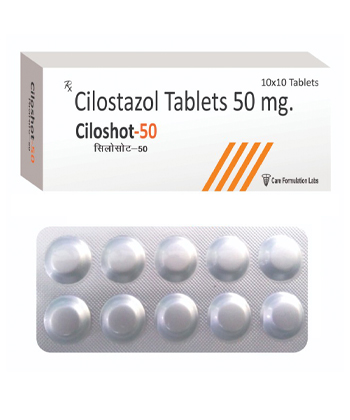
- Administration is by oral tablet (commonly 100 mg tablets; 50 mg tablets are rare in some regions).
- Initial symptomatic improvement may be noticed within 2–4 weeks, while full clinical effect can take up to 12 weeks of continuous therapy.
- The duration of action of each dose is roughly 12 hours (cilostazol has an elimination half-life in the order of ~11–13 hours), which supports twice-daily dosing.
- Avoid excessive alcohol while taking Pletal — alcohol can worsen side effects such as dizziness, low blood pressure and palpitations.
- The most common side effect is headache; other frequent adverse effects include diarrhea, palpitations/tachycardia, dizziness and peripheral oedema.
- Would you like to try pletal without a prescription?

Latest Research Highlights
Basic Pletal Information
- INN (International Nonproprietary Name): Cilostazol
- Brand Names Available In Canada (English): Pletal — 100 mg tablets (bottles)
- ATC Code: B01AC23
- Forms & Dosages: Tablet 100 mg (round) packaged as 20, 30, 56 per box; 50 mg form exists but is rare and seen mainly in Asia.
- Manufacturers In Canada (English): Otsuka Pharmaceutical Co., Japan (market authorisation holder in Canada)
- Registration Status In Canada (English): Approved by Health Canada; brand and generics available.
- OTC / Rx Classification: Prescription Only Medicine (Rx).
What do the latest trials tell Canadians about cilostazol and walking distance?
Randomized trials and meta-analyses from 2022–2025 continue to show a modest but consistent benefit of cilostazol for intermittent claudication compared with placebo.
These pooled studies report improvements in pain-free walking time and show signals of benefit in ankle‑brachial index in some cohorts.
Canadian investigators contributed registry-level data indicating a safety profile similar to international cohorts but with under‑representation of Indigenous and rural patients.
Pharmacovigilance updates remain active because cilostazol is a PDE‑III class drug with historical cardiovascular concerns.
Health Canada periodic safety reviews reiterate the absolute contraindication in heart failure.
Comparative analyses still place cilostazol ahead of pentoxifylline for functional gains in walking distance.
For patient-centred care, bilingual (English/French) materials and awareness of longer wait times in rural or remote communities are important to maintain access.
Cost and provincial coverage variability across Canada affect persistence and adherence in routine practice.
- Trial Summary Suggestion: consider a short table listing country, year, N and primary outcome when publishing trial data.
- Data Highlights: effect sizes are modest; safety alerts focus on cardiovascular monitoring and contraindication screening.
Clinical Effectiveness In Canada
Is cilostazol licensed in Canada and how well does it work?
Health Canada has approved cilostazol marketed as Pletal for intermittent claudication secondary to peripheral arterial disease.
Clinical monographs describe improved pain‑free and maximal walking distances with typical onset within 2–12 weeks of continuous use.
Generics of cilostazol are available in Canada and often dispensed as interchangeable products following provincial rules.
Real‑world Canadian data show that adherence can be affected by side effects such as headache, diarrhoea and palpitations, and by drug cost.
Provincial coverage varies and that variability affects which patients can start and continue therapy.
- Definitions: DIN = Drug Identification Number used to verify product and formulary listings.
- Health Canada Approval: Pletal approved; check product label and DIN for the marketed presentation in Canada.
Indications & Expanded Uses
What is cilostazol officially used for in Canada?
The approved indication is intermittent claudication due to peripheral arterial disease.
Evidence supports symptomatic improvement in walking distance with a usual dosing of 100 mg twice daily.
Off‑label or exploratory uses appear in international literature, such as microvascular disease or post‑revascularization rehabilitation, but high‑quality evidence for these is limited.
In Canadian practice, physicians generally reserve cilostazol for patients who remain symptomatic after supervised exercise therapy and risk‑factor optimisation.
Shared decision‑making is standard, balancing functional goals, side effects and potential out‑of‑pocket costs under provincial plans.
- Approved Use: Intermittent claudication — strength of evidence: moderate (symptomatic walking improvement).
- Off‑Label Possibilities: Post‑revascularization rehabilitation, microvascular indications — strength of evidence: limited; use cautiously.
Composition & Brand Landscape
What is inside a Pletal tablet and how is the market organised in Canada?
The active ingredient is cilostazol (INN cilostazol).
In Canada the product is marketed as Pletal 100 mg tablets in bottles, and generics are available from multiple manufacturers internationally.
Tablet strengths are primarily 100 mg; 50 mg tablets exist but are rare and mainly seen in Asian markets.
Packaging in Canada typically features bilingual English/French labelling and the DIN for reimbursement verification.
- Brand Vs Generic: Otsuka is the original manufacturer; generics and other market authorisation holders supply cilostazol globally.
- Key Dispensing Tip: Pharmacists should confirm the DIN and check provincial substitution rules before assuming interchangeability.
Contraindications & Special Precautions
Who should not take cilostazol in Canada?
Any degree of heart failure (NYHA classes I–IV) is an absolute contraindication because PDE‑III inhibitors have been associated with increased mortality in heart‑failure patients.
Severe hepatic impairment is a contraindication and cilostazol should not be used in that setting.
Known hypersensitivity to cilostazol or any excipient is an absolute contraindication.
Caution is required in severe renal impairment, in patients with bleeding disorders, and with active peptic ulcer disease.
Prescribers and pharmacists should screen for heart failure before initiating cilostazol, especially where echo access is delayed in rural clinics.
- Absolute Contraindications: Any heart failure, severe hepatic impairment, hypersensitivity.
- Relative Cautions: Bleeding risk, severe renal impairment, concomitant strong CYP3A4/CYP2C19 inhibitors.
Practical prescriber checklist: baseline history for heart failure, ECG if indicated, liver function tests and renal function assessment before starting.
Dosage Guidelines
How should Pletal be taken to get the best results?
The standard adult dose is 100 mg orally twice daily, taken 30 minutes before or 2 hours after meals.
Clinical benefit typically appears between 2 and 12 weeks; if there is no improvement after about 3 months, discontinuation is recommended.
There is no established paediatric dosing and cilostazol is not recommended for children.
Elderly patients require monitoring for dizziness, tachycardia and other side effects but do not routinely require a dose reduction.
- Missed Dose: Take as soon as remembered unless the next dose is near; do not double up.
- Overdose Signs: Severe headache, diarrhoea, hypotension, arrhythmias — seek emergency care.
Pharmacists should counsel on meal timing and document a follow‑up to review benefit at about 4–12 weeks.
Interactions Overview
Which drugs and foods affect cilostazol levels or safety?
Cilostazol is metabolised mainly by CYP3A4 and CYP2C19, so strong inhibitors of these enzymes can increase plasma levels and the risk of adverse events.
Examples to watch for include certain azole antifungals, some macrolide antibiotics and strong protease inhibitors.
Concomitant antiplatelet or anticoagulant therapy raises the potential for bleeding and should be reviewed carefully.
Grapefruit juice can inhibit CYP3A4 and should be avoided while taking cilostazol.
- High‑Risk Interactions: Strong CYP3A4 or CYP2C19 inhibitors — consider alternatives or dose review.
- OTC Interactions: Avoid St. John’s wort because induction may reduce cilostazol effectiveness.
Smoking accelerates vascular disease progression and is an important lifestyle factor to address during counselling.
Cultural Perceptions & Patient Habits
What do Canadian patients say about Pletal online and in clinics?
Patient discussions on Canadian forums focus on practical outcomes like walking distance, side‑effect tradeoffs and cost concerns.
Many patients report common trial side effects such as headache and palpitations but may not always report contraindication screening.
Patients under universal healthcare expect provincial coverage and can be surprised by prior authorisation or restricted listings.
Rural patients may face longer waits for vascular assessment and rely more on local pharmacists for counselling and follow‑up.
- Urban Example: A patient in Toronto may get rapid vascular assessment and start Pletal within weeks under specialist guidance.
- Rural Example: A patient in northern Ontario may wait for an e‑consult and depend on pharmacist monitoring while awaiting specialist review.
Culturally safe counselling and bilingual materials (English/French) improve engagement, especially for Indigenous and francophone patients.
Availability & Pricing Patterns
Where can patients in Canada obtain Pletal and what does it cost?
Pletal 100 mg tablets are stocked by major chains such as Shoppers Drug Mart, Rexall, Jean Coutu and London Drugs, and by many independent pharmacies.
Generics are commonly available and may reduce patient cost, but provincial formularies differ on coverage and may require prior authorisation.
Online Canadian pharmacies list cilostazol but a prescription is required in Canada; verify the pharmacy credentials before ordering.
In our online pharmacy, pletal is available without a prescription, with discreet delivery to Canada (English) in 5-14 days.
- Cross‑Border Note: US generics may be less expensive, but importation rules and regulatory differences should be considered.
- Practical Tip: Ask your pharmacist to check provincial benefit lists, DIN entries and possible manufacturer coupons.
Comparable Medicines And Preferences
What are the alternative drug choices for intermittent claudication in Canada?
Pentoxifylline and naftidrofuryl are alternative pharmacologic options, but availability varies by country and by formulary listing.
Evidence generally favours cilostazol for improvements in walking distance compared with pentoxifylline.
Side‑effect profiles differ — cilostazol commonly causes headache and palpitations while pentoxifylline has a different tolerability spectrum.
Canadian clinicians prioritise supervised exercise therapy and risk modification before starting pharmacotherapy.
- Decision Factors: Comorbid heart failure rules out cilostazol and may guide clinicians toward alternatives.
- Formulary Note: Provincial listing of alternatives changes over time; always verify via the DIN-linked formulary search.
FAQ Section
Is Pletal covered by provincial drug plans?
Coverage varies by province and program; check Ontario Drug Benefit (ODB), BC PharmaCare, RAMQ and other provincial formularies for eligibility details.
Can I take cilostazol with blood thinners?
Concomitant use with antiplatelet agents or anticoagulants increases bleeding risk and should be discussed with your prescriber and pharmacist.
What if I have heart failure?
Cilostazol is contraindicated in any degree of heart failure and alternatives should be considered.
How long before I notice benefit from Pletal?
Expect symptom improvement within 2–12 weeks; if there is no benefit after about 3 months, treatment can be stopped.
Can I buy cilostazol online?
A prescription is required in Canada, so verify that any online pharmacy is licensed and follows Canadian regulations before ordering.
Guidelines For Proper Use
What should pharmacists and prescribers check before and after starting cilostazol?
Baseline screening should include a targeted heart‑failure history, review of hepatic and renal function and a full medication review for CYP interactions.
Documented checklists improve safety and reduce missed contraindications, especially in busy or remote practices.
Pharmacists should verify the DIN, counsel on meal timing, advise against grapefruit and monitor for palpitations, headache and diarrhoea.
Follow‑up assessments at about 4 weeks and again at 12 weeks help judge benefit and tolerability.
- Pharmacist Checklist: Confirm DIN, screen for heart failure, review interacting drugs, counsel on meals and grapefruit avoidance.
- Monitoring Timeline: Baseline review, 4‑week check for early adverse events, 12‑week efficacy assessment and decision to continue.
Delivery Across Canada (English)
| City | Region | Delivery Time |
|---|---|---|
| Toronto | Ontario | 5-7 days |
| Montreal | Quebec | 5-7 days |
| Vancouver | British Columbia | 5-7 days |
| Calgary | Alberta | 5-7 days |
| Edmonton | Alberta | 5-7 days |
| Ottawa | Ontario | 5-7 days |
| Winnipeg | Manitoba | 5-7 days |
| Quebec City | Quebec | 5-7 days |
| Halifax | Nova Scotia | 5-7 days |
| Victoria | British Columbia | 5-7 days |
| Saskatoon | Saskatchewan | 5-9 days |
| Regina | Saskatchewan | 5-9 days |
| St. John's | Newfoundland and Labrador | 5-9 days |
| London | Ontario | 5-9 days |