
Protopic
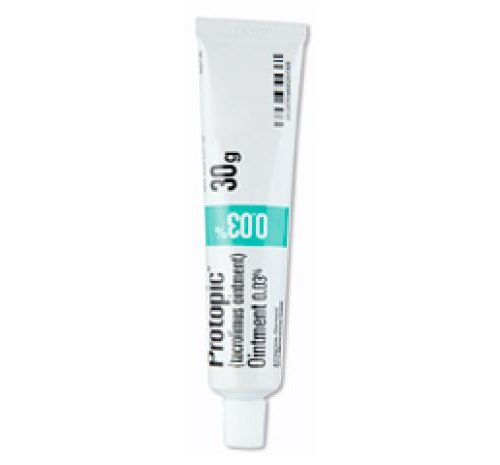
Protopic
- Available from community pharmacies and online e‑pharmacies; tacrolimus ointment (Protopic) is prescription‑only (Rx) in virtually all countries, though availability and enforcement vary and some online sellers or pharmacies may offer it without a prescription or receipt.
- Protopic (tacrolimus) is used to treat moderate‑to‑severe atopic dermatitis (eczema); it is a topical calcineurin inhibitor that reduces T‑cell activation and inflammatory mediator release in the skin.
- Usual dosing: apply a thin layer to affected areas twice daily until symptoms clear; 0.03% formulation for children (≥2 years) and adults, 0.1% formulation for adults and adolescents (≥16 years); follow prescriber instructions for duration.
- Form of administration: topical ointment (apply to intact skin; do not apply to mucous membranes, open wounds or under occlusive dressings).
- Onset time: some symptomatic relief (eg, reduced itching) can occur within days, with clearer improvement often seen within 1–3 weeks of treatment for flares.
- Duration of action: used twice daily during flares until cleared; for maintenance or relapse prevention, once or twice weekly application to previously affected areas is commonly used—clinical benefit can be sustained with intermittent long‑term use.
- Alcohol warning: systemic alcohol use is not prohibited, but some patients report flushing or sensitivity after application; avoid excessive alcohol if you notice skin flushing or increased irritation after applying the ointment.
- The most common side effects are local and transient: burning/stinging, itching, redness (erythema) and skin tingling; less commonly folliculitis or viral skin infections may occur.
- Would you like to try “protopic” without a prescription?
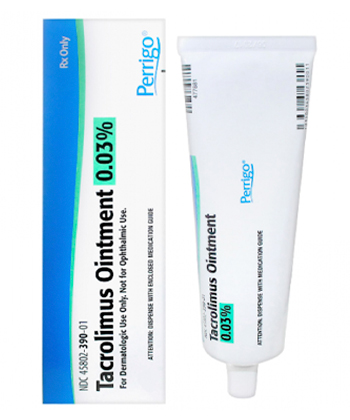
Basic Protopic Information
- INN (International Nonproprietary Name): Tacrolimus.
- Brand Names Available In Canada (English): Protopic; Tacrolimus Sandoz; Talimus; other generics depending on supplier and market availability.
- ATC Code: D11AH01 – Tacrolimus (Topical calcineurin inhibitors).
- Forms & Dosages: Ointment 0.03% (for children ≥2 years and adults) and ointment 0.1% (for adults and adolescents ≥16 years); common tube sizes include 30 g and 60 g depending on market.
- Manufacturers In Canada (English): Astellas Pharma (originator) and multiple global generic manufacturers such as Sandoz, Glenmark, Intas, Cipla, Emcure; exact Canadian suppliers vary by distributor and provincial listing.
- Registration Status In Canada (English): Not specified in the provided data; check Health Canada and provincial formularies for current local registration details.
- OTC / Rx Classification: Prescription only (Rx) in virtually all markets; not over‑the‑counter.
Latest Research Highlights
Patients ask whether topical tacrolimus works long term and how safe it is compared with steroids.
Recent studies from 2022–2024 continue to support topical tacrolimus as an effective steroid‑sparing option for moderate‑to‑severe atopic dermatitis.
Evidence shows faster symptom relief than emollients and comparable flare control to low‑potency corticosteroids in sensitive areas such as the face and eyelids.
Longitudinal cohort data and regulatory summaries report that maintenance regimens using once‑to‑twice‑weekly application reduce relapse rates.
Selected trials and follow‑ups include safety data on intermittent use extending up to four years in some cohorts.
Most safety signals remain local and transient, typically burning, stinging and erythema at the application site.
Systemic absorption is generally minimal unless the ointment is applied to widespread, broken or occluded skin.
| Country | Year | Population | Primary Outcome | Safety |
|---|---|---|---|---|
| EU/International | 2022 | Adults/adolescents with moderate‑to‑severe AD | Maintenance dosing reduced relapse rates | Local irritation; minimal systemic absorption |
| Japan/Global | 2023 | Children ≥2 years with facial/intertriginous AD | Rapid symptom relief vs emollient | Transient burning; no systemic toxicity reported |
| Multi‑country cohort | 2024 | Intermittent long‑term users | Maintenance once‑weekly lowered flare frequency | Up to 4 years intermittent use with acceptable safety |
Data Highlight: Selected studies report safety data for intermittent topical tacrolimus use up to four years.
Canadian trials are fewer than international studies, so clinicians commonly extrapolate from EMA and FDA summaries when counselling patients.
Research gaps include underrepresentation of Indigenous and rural populations in trial populations.
- Research Priorities: paediatric subgroups, pregnancy outcomes, long‑term surveillance in diverse populations.
Clinical Effectiveness In Canada
Clinicians want to know how Health Canada classification and provincial formularies affect use.
Health Canada classifies topical tacrolimus as prescription‑only for atopic dermatitis and clinicians follow product monographs and international summaries of product characteristics for dosing and monitoring.
Product labelling supports 0.03% for children aged two years and older and 0.1% for adults and adolescents aged 16 years and older.
Provincial formularies such as Ontario Drug Benefit, BC PharmaCare and RAMQ have variable listing criteria and may require prior authorization or documentation of moderate‑to‑severe disease or steroid intolerance.
Limited Canada‑specific randomized controlled trials exist, so many provincial guideline decisions rely on international approvals and EMA/FDA evidence.
When Canadian prescribers choose tacrolimus they commonly do so for sensitive sites, steroid side‑effects or maintenance therapy to reduce steroid exposure.
- Regulatory Terms: Health Canada approval vs provincial formulary listing—approval allows prescribing but formulary listing determines public reimbursement.
Use Protopic ointment and tacrolimus topical information to confirm DIN and age‑appropriate strength before dispensing.
Indications And Expanded Uses
Patients frequently ask whether tacrolimus can be used beyond classic atopic dermatitis.
Approved indications in most jurisdictions cover moderate‑to‑severe atopic dermatitis in specified age groups consistent with product monographs.
Off‑label uses in Canadian dermatology practice include localized steroid‑refractory eczema variants, perioral dermatitis and selected inflammatory dermatoses where evidence is mixed.
Off‑label prescribing should be explained, documented and aligned with patient values, especially for Indigenous, elderly or pregnant patients.
| Use | Approved | Strength Of Evidence |
|---|---|---|
| Moderate‑to‑severe Atopic Dermatitis | Yes (per product monograph) | Strong |
| Perioral Dermatitis | No (off‑label) | Moderate / Mixed |
| Vitiligo Adjunct | No (off‑label) | Limited |
- Approval Boundaries: 0.03% ≥2 years; 0.1% ≥16 years.
- Off‑Label Caution Areas: mucosal application, open wounds, immunocompromised patients.
Clinicians should consult the Health Canada monograph and local formulary rules before pursuing reimbursement for off‑label use.
Composition And Brand Landscape
Patients ask what’s inside the tube and which brand to pick.
Tacrolimus topical ointment contains tacrolimus as the active ingredient and is sold primarily as Protopic and various generic equivalents.
Common brands listed in international supplier data include Protopic (Astellas), Tacrolimus Sandoz and Talimus, with packaging usually in 30 g or 60 g tubes for 0.03% and 0.1% ointments.
| Brand | Manufacturer | Strengths | Typical Tube Sizes | Canadian Availability (DIN) |
|---|---|---|---|---|
| Protopic | Astellas Pharma | 0.03%, 0.1% | 30 g, 60 g | Not specified — confirm on tube |
| Tacrolimus Sandoz | Sandoz | 0.03%, 0.1% | 30 g | Not specified — confirm on tube |
| Talimus | Various (India) | 0.03%, 0.1% | Various | Not specified — confirm on tube |
Check the tube for the Drug Identification Number (DIN) to confirm exact Canadian product registration and supplier details.
- Excipients To Screen: mineral oil, paraffin; check the product leaflet for full excipient lists in case of allergy.
Pharmacies in major chains and independent stores stock brand or generic options variably, and rural pharmacies may need inter‑pharmacy ordering.
Packaging and patient leaflets in Canada must meet bilingual labelling requirements where applicable.
Contraindications And Special Precautions
Patients often worry about who should never use tacrolimus and when special caution is needed.
Absolute contraindications include known hypersensitivity to tacrolimus or ointment excipients and active skin infections such as herpes simplex or varicella.
Products advise caution in severely immunocompromised patients, for example those post‑transplant or on systemic immunosuppression.
Relative cautions include a personal or family history of skin cancer, extensive broken skin, heavy UV exposure, and concurrent systemic immunosuppression.
- Red Flags Requiring Specialist Review: unexplained skin lesions, persistent ulceration, rapidly spreading infection, new systemic symptoms while on therapy.
- Contraindication
- Known hypersensitivity to tacrolimus or excipients; active viral or bacterial skin infection.
- Precaution
- History of skin cancer, extensive broken/occluded skin, concurrent immunosuppression.
- Monitoring
- Watch for persistent local irritation, secondary infection, and counsel about sun protection.
Systemic toxicity from topical use is rare, but theoretical risks informed labelled warnings and monitoring practices.
Document baseline skin cancer risk and immunosuppressive status, especially in elderly and Indigenous patients who may have greater comorbidity burdens.
Dosage Guidelines
People want clear, practical advice on how much to use and how often.
Standard dosing is to apply a thin layer of ointment twice daily to affected areas until lesions clear, then discontinue.
Maintenance regimens commonly use once‑to‑twice‑weekly application to previously affected sites to reduce recurrence.
| Patient Group | Strength | Frequency |
|---|---|---|
| Children ≥2 Years | 0.03% | Thin layer twice daily during flares; maintenance once‑twice weekly |
| Adolescents ≥16 Years | 0.1% or 0.03% | Thin layer twice daily during flares; maintenance once‑twice weekly |
| Adults | 0.03% or 0.1% | Thin layer twice daily during flares; maintenance once‑twice weekly |
- Practical Dosing Tips: use pea‑sized amounts for sensitive areas like the face and eyelids, avoid mucous membranes, do not occlude the treated area.
No routine dose changes are required for hepatic or renal impairment because systemic absorption is minimal, but exercise caution on very thin or extensively damaged skin.
Confirm the patient’s age and product strength and document any provincial formulary requirements before dispensing.
Long‑term intermittent use up to four years has been reported in selected studies with acceptable safety.
Interactions Overview
Patients frequently ask whether tacrolimus ointment interacts with other medicines or foods.
Topical tacrolimus generally has minimal systemic interactions because systemic absorption is usually negligible when used as directed.
Concurrent systemic immunosuppressants may increase infection or malignancy risk, so co‑ordination with specialist care is advised.
- Potential Interactions: systemic immunosuppressants, live vaccines, and topical medicated dressings.
Avoid using potent topical corticosteroids on the same area at the same time without clinical guidance.
No routine food interactions are expected because of the topical route, though some patients report transient flushing with alcohol after application.
Pharmacists should review the patient’s medication list in provincial e‑health records where available and advise against occlusive dressings that can increase absorption.
Cultural Perceptions And Patient Habits
Many patients worry about steroid side effects and prefer non‑steroidal alternatives for sensitive areas.
Tacrolimus carries a strong “steroid‑sparing” message that resonates with parents and steroid‑averse patients, especially for facial or eyelid eczema.
Online patient forums report mixed experiences: rapid relief for some and initial burning or stinging for others.
Rural users commonly report limited local stock and longer waits for repeat prescriptions at weekends.
- Patient Concerns: stinging on application, theoretical cancer worries, coverage and cost.
- Steroid‑Sparing
- Using tacrolimus avoids the skin‑thinning risks associated with topical corticosteroids on sensitive areas.
- Immunosuppressant
- Topical tacrolimus modulates local immune response but systemic immunosuppression is minimal with correct use.
Bilingual counselling and patient leaflets improve adherence in Quebec and other bilingual communities.
In Indigenous health contexts, culturally safe counselling and shared decision‑making are essential because of access issues and historical mistrust.
Availability And Pricing Patterns
Access and coverage questions come up a lot at the pharmacy counter.
Tacrolimus ointment is prescription‑only and available through major Canadian chains and community pharmacies, with brand vs generic availability varying regionally.
Provincial drug plans have different listing criteria and may require documentation or prior authorization for coverage.
Cross‑border pricing can appear lower in US retail markets, but importation is subject to Canadian regulations, DIN requirements and valid prescriptions.
| Province | Where To Check Coverage | Common Prior‑Auth Requirement |
|---|---|---|
| Ontario | Ontario Drug Benefit | Documentation of severity or steroid intolerance |
| British Columbia | BC PharmaCare | Prior authorization for moderate‑to‑severe cases |
| Quebec | RAMQ | Case‑by‑case review; documentation recommended |
- Confirm the DIN on the product tube.
- Check the provincial plan or private insurance for coverage rules.
- Compare pharmacy pricing and ask about manufacturer patient support programs.
Pharmacies in remote communities may require ordering time; telepharmacy and virtual prescriptions help bridge access gaps.
In our online pharmacy, protopic is available without a prescription, with discreet delivery to Canada in 5‑14 days.
Comparable Medicines And Preferences
Patients and prescribers often ask how tacrolimus compares with other topical options.
Key comparators in Canada include pimecrolimus (Elidel®), topical corticosteroids of varying potencies, and the non‑steroidal PDE4 inhibitor crisaborole (Eucrisa).
| Medicine | Pros | Cons |
|---|---|---|
| Pimecrolimus (Elidel) | Good for mild‑to‑moderate sensitive areas, steroid‑sparing | May be less potent for some moderate flares |
| Topical Corticosteroids | Rapid control of severe flares | Risk of skin atrophy with prolonged use on face/eyelids |
| Crisaborole (Eucrisa) | Non‑steroidal, good for mild‑to‑moderate eczema | Cost and formulary coverage may limit use |
- Clinician Decision Factors: treatment site, patient age, prior steroid response, formulary coverage and patient preference for ointment texture.
Choose tacrolimus for steroid‑sensitive sites and maintenance therapy, and favour corticosteroids for rapid control of widespread severe flares when not contraindicated.
Frequently Asked Questions
Q: Can children use Protopic?
A: Yes — 0.03% tacrolimus ointment is approved for children aged two years and older; check the tube strength and counsel on correct application.
Q: Is tacrolimus covered by provincial drug plans?
A: Coverage varies across provinces; check Ontario Drug Benefit, BC PharmaCare and RAMQ for specific criteria and possible prior authorization steps.
Q: Can I use it on my face or eyelids?
A: Yes — tacrolimus is commonly used on the face and eyelids because it avoids steroid‑induced atrophy; expect possible transient burning or stinging.
Q: Is there a cancer risk?
A: Product labels include theoretical warnings; systemic exposure from topical use is minimal, but discuss individual risks such as prior skin cancer or immunosuppression with the prescriber.
Q: Can I import Protopic from the United States?
A: Importation may be possible but is subject to Canadian regulations, DIN equivalence and a valid prescription.
Data Highlight: Routine systemic absorption is minimal with proper topical use.
Guidelines For Proper Use (Pharmacist Advice)
Pharmacists need a concise counselling checklist for safe dispensing and patient education.
Confirm the patient’s diagnosis and age and verify the correct strength (0.03% vs 0.1%) and DIN before dispensing.
Instruct application of a thin layer twice daily to affected areas until clear, then switch to maintenance once‑or‑twice‑weekly as appropriate.
- Application Steps: clean and dry skin, apply pea‑sized amount, rub in gently, avoid eyes and mucous membranes, do not cover with occlusive dressings.
| Storage | Transport |
|---|---|
| Store below 25°C; do not freeze; protect from light. | Keep tube sealed; check expiry; mail parcels with temperature considerations in extreme weather. |
Advise patients about common side effects such as burning or erythema and to seek care for signs of secondary infection or severe persistent irritation.
Check provincial e‑health records for concurrent systemic immunosuppressives and document counselling for formulary claims.
Offer bilingual instructions and mail‑order options for rural or remote patients and signpost manufacturer patient support programs to help with affordability.
Delivery Across Canada (English)
| City | Region | Delivery Time |
|---|---|---|
| Toronto | Ontario | 5–7 days |
| Vancouver | British Columbia | 5–7 days |
| Montreal | Quebec | 5–7 days |
| Calgary | Alberta | 5–7 days |
| Ottawa | Ontario | 5–7 days |
| Edmonton | Alberta | 5–7 days |
| Winnipeg | Manitoba | 5–7 days |
| Halifax | Nova Scotia | 5–9 days |
| Victoria | British Columbia | 5–9 days |
| Saskatoon | Saskatchewan | 5–9 days |
| Regina | Saskatchewan | 5–9 days |
| St. John’s | Newfoundland and Labrador | 5–9 days |
| Charlottetown | Prince Edward Island | 5–9 days |
| Thunder Bay | Ontario | 5–9 days |