{{ __('Your cart') }}0
0,00 $
0
items
0,00 $
Allergies affect millions of Canadians each year, causing uncomfortable symptoms that can significantly impact daily life. When your immune system reacts to a harmless substance like pollen, dust, or pet dander, it releases histamine, triggering symptoms such as sneezing, itching, watery eyes, and nasal congestion. Antiallergic medications work by blocking these histamine reactions or reducing inflammation in your body.
There are several types of allergies including seasonal allergies, year-round allergies, food allergies, and skin allergies. Understanding what triggers your symptoms is the first step toward finding the right treatment. Many Canadians experience multiple allergy types throughout the year, requiring different approaches depending on the season and severity of their symptoms.
Antiallergic medications are designed to provide relief from these bothersome symptoms and help you maintain your quality of life. Whether you experience mild occasional sneezing or severe allergic reactions, there are antiallergic options available to suit your needs.
Antihistamines are the most commonly used antiallergic medications in Canada and work by blocking histamine receptors in your body. They are available in two main generations: first-generation and second-generation antihistamines, each with different characteristics and uses.
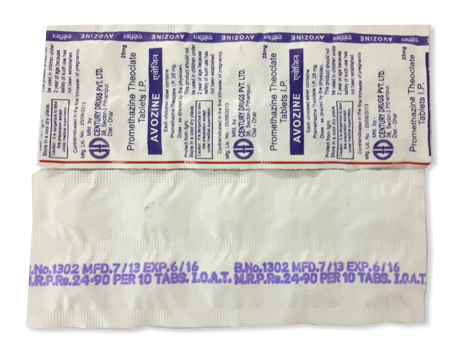
First-generation antihistamines include medications like diphenhydramine and chlorpheniramine. These medications cross the blood-brain barrier more easily, which can cause drowsiness. However, they work quickly and are effectively used for severe allergic reactions. Many Canadians use first-generation antihistamines for nighttime allergy relief when drowsiness is less problematic.
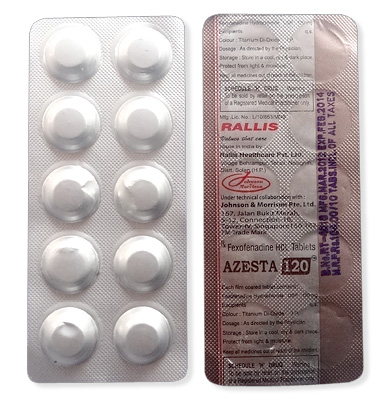
Second-generation antihistamines such as cetirizine, loratadine, and fexofenadine have become increasingly popular because they cause minimal drowsiness. Cetirizine is available under brand names like Reactine and is widely available in Canadian pharmacies. Loratadine, sold as Claritin, provides 24-hour relief and doesn't require frequent dosing. Fexofenadine, available as Allegra, is another excellent non-drowsy option.
These medications are available in various forms including tablets, liquid formulations, and chewables, making them suitable for different age groups and preferences across Canada.
Nasal antiallergic sprays provide targeted relief directly to the source of congestion and are excellent for localized nasal symptoms. Corticosteroid nasal sprays like fluticasone and mometasone are among the most effective options available in Canadian pharmacies. Brands such as Flonase and Nasonex deliver medication directly to nasal passages, reducing inflammation and congestion within hours.
Antihistamine nasal sprays like azelastine offer fast-acting relief for sneezing and nasal itching. These sprays work locally in your nose and typically cause minimal systemic side effects. Many Canadians prefer nasal sprays because they provide relief concentrated where symptoms occur without affecting the entire body.
Decongestant sprays containing phenylephrine or oxymetazoline provide quick relief from severe congestion. However, these should not be used for extended periods as they can lead to rebound congestion. Most Canadian healthcare providers recommend limiting decongestant spray use to three to five days maximum.
Saline nasal sprays are also available and provide gentle, natural relief without medication. These are suitable for daily use and can be used alongside other antiallergic medications without concerns about interactions.
Many Canadians experience allergic reactions on their skin or eyes, requiring topical antiallergic treatments. Eye drops containing antihistamines like ketotifen provide quick relief from itchy, watery eyes caused by allergies. These drops work within minutes and can be used multiple times daily as needed.
Topical corticosteroid creams and ointments help reduce itching and inflammation associated with allergic skin reactions like eczema or contact dermatitis. Hydrocortisone cream is available over-the-counter in Canadian pharmacies and provides effective relief for mild to moderate skin allergies. Stronger prescription options are available when needed.
Calamine lotion and other soothing topical treatments offer non-medicated relief from itching and irritation. Many Canadians find these products helpful for temporary comfort while waiting for antiallergic medications to take effect. Emollients and fragrance-free moisturizers help protect sensitive skin from allergens and reduce irritation. Using these alongside antiallergic medications provides comprehensive skin allergy management.
For individuals with severe or persistent allergies, combination treatments offer enhanced relief. Many Canadian pharmacies stock combination products that include antihistamines with decongestants, providing comprehensive symptom management in a single medication.
Prescription antiallergic medications like desloratadine and levocetirizine offer stronger antihistamine effects for those who don't respond adequately to over-the-counter options. These medications are available through Canadian pharmacies with a valid prescription from your healthcare provider.
Montelukast, sold as Singulair in Canada, works differently from antihistamines by blocking leukotriene receptors. This medication is particularly useful for individuals with allergic asthma or exercise-induced allergies. It can be used alone or in combination with antihistamines for enhanced relief.
Immunotherapy options, while not medications, represent another approach to allergy management. Some Canadian healthcare providers offer allergy shots or sublingual immunotherapy to help build tolerance to specific allergens over time. These treatments work alongside antiallergic medications to provide long-term relief.
Selecting the appropriate antiallergic medication depends on several factors. Consider the following when determining which option is best for you:
If you experience seasonal allergies, different medications may be appropriate for summer versus winter allergy seasons across Canada's varied climate regions. Mild symptoms like occasional sneezing may respond well to over-the-counter antihistamines, while year-round severe symptoms might require prescription strength options. Some Canadians benefit from preventative use of nasal sprays starting before allergy season begins, reducing symptom severity throughout the season.
Individual sensitivity varies significantly, so what works for one person may not be ideal for another. Some people find second-generation antihistamines provide sufficient relief without drowsiness, while others prefer first-generation options for nighttime use or severe reactions. Trial and adjustment with your healthcare provider helps identify optimal treatment.
Always consult with Canadian pharmacists or healthcare providers about potential interactions with other medications you take. They can recommend the most suitable antiallergic medications based on your specific allergies, health conditions, and medication history. Regular communication with your healthcare team ensures your antiallergic treatment remains effective and safe throughout changing seasons and circumstances.