Allegra
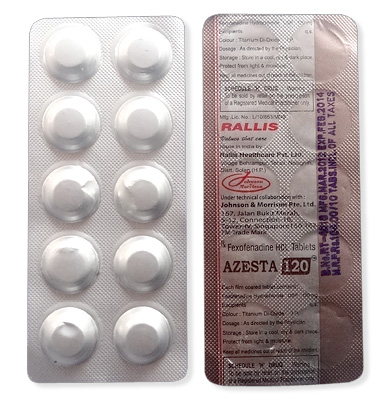
Allegra
- In many pharmacies and online e-pharmacies across Canada you can buy allegra (fexofenadine) without a prescription; available OTC in retail stores and by delivery with discreet packaging.
- Allegra is used for seasonal and perennial allergic rhinitis (hay fever) and chronic idiopathic urticaria; it is a second‑generation antihistamine that selectively blocks peripheral histamine H1 receptors, reducing sneezing, itching, runny nose and hives with minimal central sedation.
- The usual dose for adults and teens ≥12 years is 60 mg twice daily or 120–180 mg once daily; children 6–11 years commonly take 30 mg twice daily (use ODT or suspension as directed), and pediatric dosing for younger children follows the product label.
- The form of administration is oral: film‑coated tablets (30, 60, 120, 180 mg), oral disintegrating tablets (30 mg) and oral suspension (30 mg/5 mL).
- Onset of action is typically within about 1 hour, with many people experiencing relief within the first hour.
- Duration of action is generally around 24 hours for once‑daily doses (or approximately 12 hours with 60 mg twice‑daily regimens).
- Avoid or limit alcohol while taking allegra; although it is less sedating than first‑generation antihistamines, alcohol can increase drowsiness and impair alertness.
- The most common side effect is headache.
- Would you like to try “allegra” without a prescription?
Research Findings (Canadian & International, 2022–2025) — Evidence Summary
Basic Allegra Information
- INN (International Nonproprietary Name): Fexofenadine (fexofenadine hydrochloride).
- Brand Names Available In Canada (English): Allegra and multiple generics labeled as fexofenadine HCl (brand availability varies by supplier and pharmacy).
- ATC Code: R06AX26.
- Forms & Dosages: Film-coated tablets (30, 60, 120, 180 mg); oral suspension (30 mg/5 mL); oral disintegrating tablets (30 mg) used for pediatrics.
- Manufacturers In Canada (English): not specified.
- Registration Status In Canada (English): not specified.
- OTC / Rx Classification: Varies by form and strength; most Allegra 60 mg and 120 mg formulations and many generics are sold OTC in many markets, while some pediatric or higher-dose products may be Rx in certain jurisdictions.
What did the recent trials show and why does it matter to Canadian patients?
Recent Canadian and international randomized controlled trials and meta-analyses from 2022–2025 reinforced fexofenadine’s role for seasonal allergic rhinitis and chronic idiopathic urticaria with consistent safety findings.
These data show symptom reduction comparable to loratadine in many studies, and superior daytime wakefulness when compared with first‑generation antihistamines.
Some trials reported a faster onset of action versus loratadine in selected populations, and urticaria trials found comparable control with 60 mg twice daily and 180 mg once daily regimens.
Canadian cohort data highlighted prescribing peaks during pollen season, particularly in Prairie provinces and Ontario, and adherence barriers in rural or remote regions due to occasional stockouts at smaller community pharmacies.
Pharmacokinetic updates confirm minimal central nervous system penetration and primarily renal elimination, consistent with earlier monographs and supporting the non‑sedating profile.
Key reproducible findings that clinicians can rely on include reduced sedation rates compared with older antihistamines and similar efficacy across commonly used dosing strategies for urticaria.
Where useful, present trial data in a brief table so clinicians can scan trial name, population, dose, and primary outcome alongside Canada-specific cohort notes.
- Practical evidence highlight: faster onset vs loratadine in some trials; lower sedation than first‑generation antihistamines.
Clinical Effectiveness In Canada — Health Canada, DINs & Formularies
Patients commonly ask whether Allegra is approved and covered here in Canada.
Health Canada has approved fexofenadine formulations for allergic rhinitis and chronic idiopathic urticaria, with product monographs noting a non‑sedating profile and primary renal excretion.
Availability as OTC or Rx varies by formulation and strength, and local DINs determine exact presentation in pharmacy systems.
Provincial formularies treat fexofenadine inconsistently; many formularies prioritise older, lower‑cost agents such as cetirizine and loratadine for routine reimbursement.
Ontario Drug Benefit and BC PharmaCare typically list cetirizine or loratadine ahead of fexofenadine, so Allegra or its generics often require exceptional authorization or a specialist recommendation for coverage.
RAMQ and other provincial programs may list specific DINs for hospital use or special access processes rather than routine outpatient coverage.
Below is a short definition list and a compact mapping to help pharmacists and prescribers navigate common labels seen in Canada.
- Health Canada Status: Approved for allergic rhinitis and chronic idiopathic urticaria (see product monographs for details).
- DIN: Drug Identification Numbers vary by brand and strength; check provincial drug databases for exact DINs when filling prescriptions or creating claims.
- Provincial Formulary Examples: Ontario and BC generally favour cetirizine/loratadine on general formularies; exceptional access or specialist notes often required for Allegra reimbursement.
Table: Common Canadian Brand/Generic Mapping (placeholders — confirm live DINs in your dispensing software).
| Brand/Generic | Common Forms | Likely DIN Placeholder |
|---|---|---|
| Allegra (Sanofi) | Tablets 30–180 mg, ODT, Suspension | not specified |
| Generic Fexofenadine | Tablets 30–180 mg, Suspension | not specified |
Patient-centred note: pharmacists in bilingual provinces such as Quebec must offer French labelling and counselling, and rural patients may rely on mail-order pharmacies or cross‑border purchases when local stock is limited.
Indications & Expanded Uses — Approved Vs Off‑Label In Canada
One common question is "What conditions can Allegra treat?"
Approved indications in product monographs are seasonal and perennial allergic rhinitis and chronic idiopathic urticaria.
Off‑label uses reported in Canadian practice include topical pruritus from dermatologic conditions and adjunctive therapy in selected mast cell disorders, although evidence is limited and specialist input is advised.
Pediatric use commonly utilises oral disintegrating tablets or suspension for easier dosing in young children, with age‑ and weight‑based dosing per product monographs.
- Approved Indications: Seasonal/perennial allergic rhinitis; chronic idiopathic urticaria.
- Common Off‑Label Uses: Pruritus in dermatologic conditions; adjunctive use in certain mast cell disorders (specialist recommended).
| Age Group | Typical Dose |
|---|---|
| Adults and Teens ≥12 Years | 60 mg twice daily or 120–180 mg once daily |
| Children 6–11 Years | 30 mg twice daily (suspension or ODT) |
| Children 2–5 Years | Use oral suspension or ODT per product recommendations; consult monograph |
Clinical tip: for chronic urticaria many clinicians use either 60 mg twice daily or 180 mg once daily depending on patient preference and adherence.
Cultural note: clinicians in Indigenous and remote communities often rely on telehealth for specialist advice on off‑label prescribing and should document shared decision making carefully.
Composition & Brand Landscape In Canada
Patients often ask what's inside the tablet and whether generics are the same as Allegra.
The active ingredient is fexofenadine hydrochloride (INN: fexofenadine).
Allegra is the innovator brand produced by Sanofi, and multiple generics from international manufacturers are listed by wholesalers and e‑pharmacies.
Forms sold relevant to Canada include film‑coated tablets in 30, 60, 120 and 180 mg strengths, an oral suspension at 30 mg/5 mL, and 30 mg oral disintegrating tablets for paediatrics.
When comparing products, check excipients if the patient has known sensitivities to dyes, lactose, or preservatives in suspensions.
- Common Forms & Dosages: Tablets 30–180 mg; ODT 30 mg; Suspension 30 mg/5 mL.
- Brand/Generic Considerations: Generics from global suppliers are widely used and reduce cost, though some patients prefer the brand name.
Practical tip: compare pack sizes and prices at major Canadian outlets such as Shoppers Drug Mart, London Drugs, and online Canadian pharmacies before recommending a switch for cost reasons.
Patient-centred note: older Canadians sometimes equate brand presence with quality and may request Allegra specifically, while many younger patients accept generics for lower price.
Contraindications & Special Precautions — Canadian Risk Groups
People commonly worry whether Allegra is safe for kidney disease, pregnancy, or seniors.
Absolute contraindication is known hypersensitivity to fexofenadine or any excipient listed in the product monograph.
Relative precautions include severe renal impairment where dose reduction and monitoring are advised because fexofenadine is primarily renally eliminated.
Pregnancy and lactation are relative indications for caution; use only if clearly needed and follow product monograph guidance and provincial teratology resources for counselling.
There are rare reports of cardiac arrhythmia; review cardiac history if patients are on other QT‑prolonging drugs.
- Absolute Contraindications: Hypersensitivity to fexofenadine or excipients.
- Relative Precautions: Severe renal impairment, history of arrhythmia, pregnancy/lactation (use with caution).
Special-risk Canadian populations include elderly residents in long‑term care, people with multiple comorbidities, and Indigenous populations with limited primary care access where renal monitoring may be harder to obtain.
Patient counselling should be bilingual where required and culturally sensitive when working with Indigenous and immigrant communities about risk versus benefit.
Dosage Guidelines & Adjustments (Canadian Guidance)
Patients ask "How should I take Allegra and what if I have kidney problems?"
Standard dosing: adults and teens 12 years and older 60 mg twice daily or 120–180 mg once daily depending on symptom control and preference.
Children 6–11 years: typically 30 mg twice daily using suspension or ODT as appropriate.
For chronic urticaria many prescribers favour 60 mg twice daily or 180 mg once daily for ease of adherence.
No routine hepatic dose change is required because fexofenadine is minimally metabolized by the liver.
Reduce dose in severe renal impairment and use the lowest effective dose while monitoring for adverse effects.
- Administration Tips: Avoid taking fexofenadine with fruit juices such as apple, orange or grapefruit because these reduce absorption — separate dosing by 2–4 hours where practical.
- Missed Dose: Take when remembered unless close to the next dose; do not double doses.
| Age Group | Formulation | Recommended Dose |
|---|---|---|
| Adults/Teens ≥12 Years | Tablets | 60 mg BID or 120–180 mg QD |
| Children 6–11 Years | ODT or Suspension | 30 mg BID |
Provincial practice note: pharmacists in Ontario and BC may follow formulary guidance for allowable substitutions and can advise on renewals within their scope of practice.
Interactions Overview — Food, Drugs & Canadian Lifestyle Factors
Patients frequently ask about food interactions and other medicines.
The most important interaction to counsel on is fruit juices — apple, orange and grapefruit can reduce fexofenadine absorption and should be avoided around dosing times.
Separate fruit juice intake and antacid administration from fexofenadine by 2–4 hours when possible to preserve absorption.
Fexofenadine has minimal hepatic metabolism so classic CYP drug interactions are uncommon, but polyvalent cation antacids and fruit juices can lower bioavailability.
Health Canada product information alerts clinicians to exercise caution when co‑prescribing with other QT‑prolonging agents, though clear interactions are rare.
- Common Interactions To Check: Fruit juices (reduced absorption), antacids with aluminium or magnesium (reduced absorption), and concurrent sedating agents even though fexofenadine is non‑sedating for most users.
Practical Canadian context: check OTC cough and cold products sold at major chains for additive anticholinergic or sedative effects, and provide French counselling in Quebec when required.
Cultural Perceptions & Patient Habits In Canada
Many patients wonder if Allegra will keep them alert during work or driving.
Canadian patient forums and pharmacy feedback show a strong preference for "non‑drowsy" options, and Allegra ranks well among urban professionals and people who drive for work.
Rural patients report stock variability and occasionally cross the border to the United States for lower prices when conveniently located near a border crossing.
Indigenous communities frequently face access barriers and rely on nurse‑practitioners or telehealth for prescriptions and follow‑up care.
- Patient Concerns: Cost, sedation risk, availability, and bilingual counselling in Quebec.
Clinicians should document concurrent use of traditional remedies when patients combine them with antihistamines and be respectful of cultural preferences while advising on evidence‑based care.
Availability & Pricing Patterns In Canada
One practical question is "Where can I buy Allegra and how much will it cost me?"
Allegra and generic fexofenadine are sold in major Canadian chains including Shoppers Drug Mart, Rexall, Jean Coutu, and London Drugs, as well as via licensed online pharmacies in Canada.
Pack sizes typically range from blister packs of 10 to 30 tablets depending on the retailer and product.
Brand Allegra commonly costs more than generics, and Canadians living near the U.S. border sometimes purchase in the U.S. for price reasons, subject to customs and import limits.
Some provincial drug plans do not routinely cover Allegra and may require exceptional authorization.
In our online pharmacy, allegra is available without a prescription, with discreet delivery to Canada (English) in 5-14 days.
| Retail Context | Typical Canadian Price Pattern |
|---|---|
| Allegra Brand | Higher than generics; available at major chains and online |
| Generic Fexofenadine | Lower cost; widely available from multiple manufacturers |
For rural access, recommend mail-order, provincial pharmacy networks, or larger chain deliveries and always verify bilingual packaging requirements for Quebec shipments.
Comparable Medicines & Patient Preferences
Patients often ask which allergy pill is "best" for them.
Common alternatives in Canada include cetirizine, loratadine, desloratadine and levocetirizine, each with trade‑offs in sedation, onset and formulary placement.
Cetirizine can cause more sedation in some people, while loratadine offers once‑daily convenience and desloratadine is sometimes used when first‑line agents fail.
- Pros/Cons Checklist: Choose based on sedation risk, dosing frequency, cost and personal response.
| Drug | Onset | Sedation Risk | Typical Dose | Formulary Status |
|---|---|---|---|---|
| Fexofenadine | Fast in many trials | Low | 60 mg BID or 120–180 mg QD | Varies; often not first-line on formularies |
| Loratadine | Moderate | Low | 10 mg QD | Widely reimbursed |
| Cetirizine | Fast | Moderate | 5–10 mg QD | Widely reimbursed |
Pharmacists should trial one agent at a time for a season, document patient response, and engage provincial formularies when a switch is needed for cost or coverage reasons.
FAQ — Canadian Patient Questions And Concise Answers
Q: Can I buy Allegra OTC in Canada?
A: Many fexofenadine formulations are available OTC, but some strengths or pediatric forms may require a prescription depending on the product and provincial rules.
Q: Is Allegra safe for seniors?
A: Generally yes; monitor renal function and polypharmacy, and adjust dose in severe renal impairment if needed.
Q: Can I take Allegra with fruit juice?
A: No — avoid apple, orange and grapefruit near dosing times because these juices can reduce absorption.
Q: What if I miss a dose?
A: Take the dose when remembered unless it is close to the next scheduled dose; do not double up.
Q: Is Allegra covered by provincial drug plans?
A: Coverage varies; Ontario Drug Benefit, BC PharmaCare and RAMQ have different listings — check specific provincial formularies or request exceptional access when required.
| Question | Short Answer |
|---|---|
| OTC Availability | Often OTC for many formulations |
| Use In Seniors | Generally safe; monitor kidneys and interactions |
Patient-centred tip: in Quebec provide common Q&A in French as well, and remind remote patients about mail-order pharmacy options.
Guidelines For Proper Use — Pharmacist & Provincial Tips
What should a pharmacist check before dispensing Allegra?
Verify the indication and ensure the formulation and dose match the patient’s age and renal function.
Review concomitant medications for potential reduced absorption from fruit juices or antacids and check for additive sedative agents even though fexofenadine is low risk for drowsiness.
Document baseline renal function for elderly or multimorbid patients and schedule a follow‑up to review effectiveness and side effects.
- Pharmacist Checklist: Confirm indication, check renal function in elderly, counsel to avoid fruit juices near dosing, and review OTCs for interactions.
Definition list: missed dose — take when remembered unless near the next dose; overdose — seek medical help for dizziness, drowsiness or dry mouth; storage — keep at 20–25°C in original packaging away from moisture.
Dispensing advice: provide bilingual leaflets in Quebec, offer mail delivery to remote communities, and flag patients who drive or operate machinery about the small chance of drowsiness.
System-level recommendation: consider including fexofenadine DINs on clinic formularies in regions with high seasonal allergy burden to improve timely access during peak pollen periods.
Delivery Across Canada (English)
| City | Region | Delivery Time |
|---|---|---|
| Toronto | Ontario | 5–7 days |
| Montreal | Quebec | 5–7 days |
| Vancouver | British Columbia | 5–7 days |
| Calgary | Alberta | 5–7 days |
| Edmonton | Alberta | 5–7 days |
| Ottawa | Ontario | 5–7 days |
| Winnipeg | Manitoba | 5–7 days |
| Quebec City | Quebec | 5–7 days |
| Hamilton | Ontario | 5–7 days |
| Halifax | Nova Scotia | 5–9 days |
| Victoria | British Columbia | 5–9 days |
| Saskatoon | Saskatchewan | 5–9 days |
| Regina | Saskatchewan | 5–9 days |
| St. John's | Newfoundland and Labrador | 5–9 days |
Final Practical Notes
Allegra does not cross the blood‑brain barrier significantly and therefore has a lower risk of sedation compared with first‑generation antihistamines.
Avoid fruit juices around dosing to preserve absorption and advise patients to separate drinks or antacids by a couple of hours.
For children use the recommended ODT or suspension formulations when appropriate and always verify age‑specific dosing.
When cost is a concern, suggest generic fexofenadine options and check provincial formularies for reimbursement or exceptional access pathways.
Document responses and adverse effects, especially in elderly patients or those with renal impairment, and follow up during peak allergy seasons to reassess therapy effectiveness.