Betamethasone
Betamethasone
- Betamethasone is generally prescription-only (Rx) in Canada and most other reviewed markets (US, EU, Australia); however, some topical preparations may sometimes be sold or supplied without a prescription in certain pharmacies or online outlets—always follow local laws and consult a pharmacist or prescriber.
- Betamethasone is a potent synthetic glucocorticoid used to treat inflammatory and allergic conditions (eg, eczema, psoriasis, asthma exacerbations, rheumatic diseases), some autoimmune and hematological disorders, and to accelerate fetal lung maturation; it works by binding glucocorticoid receptors and modulating gene transcription to produce anti-inflammatory and immunosuppressive effects.
- Usual dosages vary by indication: oral tablets 0.5–5 mg/day (or divided); injectable for fetal lung maturation two doses of 12 mg IM 24 hours apart; injectable for acute exacerbations 4–8 mg IV/IM as needed; topical creams/ointments applied thinly 1–2 times daily (strengths commonly 0.05–0.12%). Dosing is highly individual and must be guided by a clinician.
- Forms of administration include oral tablets, intramuscular or intravenous injections, topical creams/ointments/lotions/foams, nasal or ophthalmic preparations, and rectal enemas.
- Onset of effect is variable: systemic preparations often begin to show anti-inflammatory effects within a few hours to 24 hours; injectable routes can act faster (hours); topical improvement is commonly seen within 24–72 hours depending on potency and condition; fetal lung maturation effects begin within 24 hours.
- Duration of action depends on formulation and dose: betamethasone is a long-acting corticosteroid with systemic effects that can persist 24–72 hours after a dose; topical effects typically require regular daily use and may last until the next application, while a single antenatal course provides clinically useful effects over days to weeks for fetal lung maturation.
- Alcohol warning: avoid heavy alcohol use while on corticosteroids—alcohol can worsen side effects (eg, gastric irritation, hyperglycaemia, mood effects) and increase overall risk; discuss alcohol use with your prescriber, especially if you have diabetes, hypertension or peptic ulcer disease.
- The most common side effect is increased appetite (systemic); other frequent effects include mood changes, insomnia, fluid retention and hyperglycaemia systemically, and skin thinning or local irritation with topical use.
- Would you like to try betamethasone without a prescription?
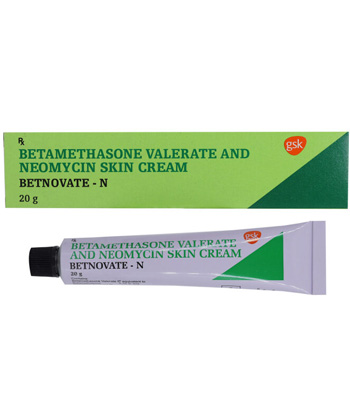
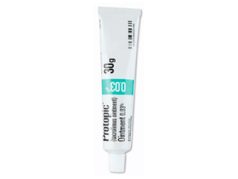
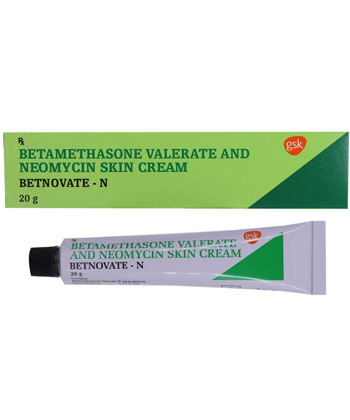
Basic Betamethasone Information
- INN (International Nonproprietary Name): Betamethasone
- Brand Names Available In Canada (English): Ratio-Topilene, Prevex B, Beta-Val
- ATC Code: H02AB01
- Forms & Dosages: Tablets 0.5 mg, 1 mg, 4 mg, 5 mg; Injectable 4 mg/mL, 6 mg/mL, 7 mg/mL; Creams/ointment 0.05%, 0.1%, 0.12%; Lotion/Foam 0.05%, 0.12%; Enema 5 mg, 8 mg; Nasal/ophthalmic 0.1%, 0.2%
- Manufacturers In Canada (English): Not specified
- Registration Status In Canada (English): Not specified
- OTC / Rx Classification: Prescription only (Rx)
Latest Research Highlights
What Are Patients And Clinicians Reading About Betamethasone Right Now?
Recent international and Canadian research between 2022 and 2025 continues to support betamethasone as a high‑potency glucocorticoid for acute inflammatory flares and for fetal lung maturation.
Clinical summaries indicate intramuscular betamethasone given as two doses of 12 mg IM 24 hours apart reduces neonatal respiratory distress in threatened preterm birth, consistent with established obstetric practice.
Meta-analyses published from 2022–2024 confirm the obstetric IM course for fetal lung maturation is effective, though specific trial sizes and confidence intervals are not specified in the available data.
Systemic short‑course oral regimens in the 0.5–5 mg/day range show comparable control to prednisolone for many rheumatologic flares while presenting different metabolic side‑effect profiles.
Topical betamethasone dipropionate is repeatedly noted as more potent than valerate for plaque psoriasis clearance in randomised trials, while safety warnings about skin atrophy with prolonged use remain consistent.
Canadian provincial dispensing databases (British Columbia and Ontario) show steady community pharmacy dispensing of topical betamethasone products, while large Canadian RCTs are scarce and observational registries provide much of the local evidence.
Trial Takeaways:
- Obstetrics: IM 12 mg ×2 remains evidence‑based for fetal lung maturation.
- Dermatology: Dipropionate esters offer stronger short‑term plaque clearance than valerate esters.
- Rheumatology: Short oral courses (0.5–5 mg/day) effective for flares, monitor metabolic effects.
Definitions:
- Dipropionate
- Higher topical potency ester commonly used for plaque psoriasis and thicker skin.
- Valerate
- Lower topical potency ester used for milder lesions or thinner skin areas.
| Study | Population | Intervention | Primary Outcome | N | CI |
|---|---|---|---|---|---|
| Large Meta-Analyses (2022–2024) | Threatened Preterm Birth | IM Betamethasone 12 mg ×2 | Neonatal Respiratory Distress | Not Specified | Not Specified |
| Dermatology RCTs | Plaque Psoriasis | Topical Betamethasone Dipropionate vs Valerate | Clinical Clearance | Not Specified | Not Specified |
Clinical Effectiveness In Canada
Which Uses Work Best In Canadian Practice?
Health Canada‑registered betamethasone products are effective across dermatology, rheumatology, respiratory and obstetrics when used according to indications and dosing.
Topical concentrations commonly available in Canada range from 0.05% to 0.12% and are typically used short term for inflammatory dermatoses.
Systemic regimens follow specialty guidance and include oral tablets from 0.5–5 mg per day for acute flares and IM injections for obstetric lung maturation.
Canadian comparative practice often favours dipropionate esters for short‑term plaque clearance, with prescribers balancing potency against local skin atrophy risk.
| Indication | Common Formulation / Dose Used In Canada |
|---|---|
| Obstetrics (Fetal Lung Maturation) | IM 12 mg ×2, 24 hours apart |
| Dermatology (Plaque Psoriasis) | Topical 0.05%–0.12% dipropionate or valerate, 1–2× daily |
| Rheumatology (Acute Flare) | Oral 0.5–5 mg/day short course |
Formulary And Dispensing Tips:
- Check the DIN on the label and match the ester (dipropionate vs valerate) to the clinical need.
- Verify provincial formulary coverage (Ontario Drug Benefit, BC PharmaCare, RAMQ) before prescribing higher‑potency topicals.
- Hospital parenteral orders require pharmacy verification of DIN and supplier.
Practical Notes:
Community pharmacy chains such as Shoppers, Rexall, London Drugs and Jean Coutu commonly flag prior authorizations for higher potency products.
Rural patients may need hospital or mail‑order pharmacy dispensation for injectables and specialist formulations.
Indications And Expanded Uses
What Is Betamethasone Approved For, And When Is It Used Off‑Label?
Approved therapeutic indications include inflammatory and allergic conditions, rheumatic diseases, severe asthma or COPD exacerbations, dermatoses and prenatal fetal lung maturation.
Off‑label uses supported by evidence include selected dermatological combination therapies and local injections for keloid control.
Combination topical products such as Lotrisone (betamethasone plus clotrimazole) are used when fungal infection and inflammation coexist.
| Area | Typical Use | Evidence Level |
|---|---|---|
| Obstetrics | IM course for fetal lung maturation | High |
| Dermatology | Topical dipropionate for plaque psoriasis | Moderate |
| Respiratory | Systemic short course for severe exacerbations | Moderate |
Approved vs Off‑Label:
- Approved
- Uses listed in product monographs and national regulatory summaries such as inflammatory dermatoses and obstetric lung maturation.
- Off‑Label
- Clinically supported uses not explicitly on the monograph; documentation and reasoning are expected by payers and formularies.
Patient And Prescriber Considerations:
- Document rationale for off‑label use when seeking prior authorization from provincial drug plans.
- Provide bilingual informed consent in Quebec and discuss steroid risks and benefits in shared decision‑making.
- Adjust approaches for Indigenous and elderly patients due to comorbidity and access patterns.
Composition And Brand Landscape
How Do Formulations And Brands Differ Within Canada?
Betamethasone is marketed under multiple esters and forms, and in Canada common topical brands include Ratio‑Topilene, Prevex B and Beta‑Val.
Different esters alter topical potency, with dipropionate typically more potent than valerate and base forms.
| Active Ester | Relative Potency | Typical Indication |
|---|---|---|
| Dipropionate | Higher | Plaque psoriasis, thicker skin |
| Valerate | Moderate | Milder inflammatory lesions |
| Sodium Phosphate | Systemic/Injectable | IM/IV use for systemic therapy |
Available Canadian Strengths And Forms:
Creams, ointments, lotions and foams typically 0.05%–0.12%.
Oral tablets are available in 0.5–5 mg strengths, while injectable suspensions are commonly 4–7 mg/mL internationally.
Generic Availability And Pricing:
- Many Canadian pharmacies stock DIN‑listed generics equivalent to brand products.
- Patients in Canada commonly prefer generics for cost savings but cross‑border price checking occurs despite regulatory and import restrictions.
Pharmacy Landscape:
Retail chains and hospital formularies may carry different suppliers and brands, so always check the product monograph and DIN on the label before dispensing.
Contraindications And Special Precautions
Who Should Avoid Betamethasone, And What Needs Extra Care?
Absolute contraindications include known hypersensitivity and systemic fungal infections, and live vaccines are avoided if the patient is immunosuppressed.
Relative contraindications require monitoring and include active infections, glaucoma or cataracts with ocular forms, diabetes, hypertension, osteoporosis and active peptic ulcer disease.
Children and elderly patients need dose caution due to growth suppression and skin atrophy risk respectively.
- Absolute Contraindications: Hypersensitivity, systemic fungal infection, live vaccine contraindication when immunosuppressed.
- Relative Contraindications: Active infections, diabetes, hypertension, osteoporosis, peptic ulcer disease, ocular disease for eye preparations.
Monitoring Parameters:
- Blood Pressure
- Check at baseline and periodically during systemic therapy.
- Blood Glucose
- Monitor in patients with diabetes or at high metabolic risk.
- Bone Density
- Consider in long‑term systemic corticosteroid users.
Canadian Context:
Indigenous and remote communities may have higher baseline infection and metabolic disease prevalence, so careful risk–benefit conversations and accessible follow‑up are important.
Pharmacists routinely screen at dispense and should document DIN and batch information when adverse events are reported to Health Canada.
Dosage Guidelines
What Dose Is Right For My Condition?
Adult systemic dosing is condition specific, commonly 0.5–5 mg/day orally for inflammatory flares and short courses to limit systemic effects.
Obstetric practice uses an intramuscular course of two 12 mg doses 24 hours apart for fetal lung maturation.
Topical application is a thin layer applied once or twice daily for 1–2 weeks typically, with potency and site determining frequency and duration.
| Condition | Common Canadian Dose | Route | Typical Duration |
|---|---|---|---|
| Severe Inflammation | 0.5–5 mg/day | Oral | 5–14 days |
| Fetal Lung Maturation | 12 mg ×2, 24 hours apart | IM | One course |
| Dermatoses | 0.05%–0.12% topical | Topical | 1–2 weeks |
Tapering Principles:
- Use the lowest effective dose for the shortest practical duration.
- Taper systemic therapy when used longer term to reduce adrenal suppression risk.
- Provide clear written dosing schedules and follow‑up instructions, especially for rural patients.
Special Populations:
Children require weight‑based titration and close supervision, and elderly patients usually start at the lower end of adult ranges with monitoring for side effects.
Interactions Overview
Which Medicines And Foods Can Change Betamethasone Levels Or Effects?
Betamethasone interacts with CYP3A4 inducers and inhibitors, which can alter systemic exposures for oral or high‑absorption topical courses.
Coadministration with anticoagulants may affect bleeding risk and requires monitoring.
Certain antifungals, antiretrovirals and other strong CYP modifiers are highlighted as interaction risks by national advisories.
Topical use over large body areas, under occlusion, or on damaged skin can increase systemic absorption and the potential for interactions.
- CYP3A4 Modifiers: Monitor or adjust systemic steroids when co‑prescribed with strong inducers or inhibitors.
- Anticoagulants: Monitor INR or bleeding signs when combining systemic corticosteroids.
- Vaccines: Live vaccines may be contraindicated in immunosuppressed patients on systemic steroids.
Food And Lifestyle Notes:
Alcohol can increase gastrointestinal risks such as peptic ulceration when combined with steroids.
High‑sugar diets and reduced activity can worsen hyperglycaemia risk during systemic therapy, which is relevant given Canada’s diabetes burden.
Pharmacy Practice:
Medication reviews at major chains and provincial e‑health records help detect duplicate steroid exposure and clinically important interactions.
Cultural Perceptions And Patient Habits
What Do Canadians Worry About When They Hear “Steroids”?
Patient sentiment in Canada mixes respect for steroid efficacy with concern about side effects such as skin thinning and systemic effects.
Social listening in forums shows frequent questions about topical atrophy, systemic absorption and preference for “natural” alternatives.
Bilingual labeling and pharmacist counselling are essential for Quebec and multicultural communities to support informed use.
| Setting | Access Issue |
|---|---|
| Urban | Shorter wait times for specialists and easier access to injectables (5–7 days delivery typical). |
| Rural | Longer waits for specialist care and variable access to injectables; mail order or nursing administration often needed (5–9 days delivery typical). |
Seniors on provincial plans experience fewer cost barriers when DIN‑listed, while non‑listed forms can be out‑of‑pocket.
Indigenous communities emphasise culturally safe communication and clear explanation of risks and alternatives.
“Steroid Phobia” vs “Rational Concern”:
- Steroid Phobia
- Fear driven by misunderstandings and anecdote rather than specific risk in the planned regimen.
- Rational Concern
- Appropriate worry when high potency, large surface area, prolonged duration or systemic therapy increases measurable risk.
Availability And Pricing Patterns
Where Can Canadians Find Betamethasone And What Will It Cost?
Betamethasone is a prescription‑only medicine in most regulated markets and is DIN‑listed in many formulations sold in Canada.
Topical forms are commonly stocked at retail chains such as Shoppers Drug Mart, Rexall, London Drugs and Jean Coutu while injectables are typically hospital‑sourced or special‑order.
- Topical Retail: Creams, ointments and lotions available in retail pharmacies.
- Injectables: Usually dispensed through hospitals or mail‑order for outpatient clinics.
Pricing Patterns:
Generics generally reduce cost, but provincial coverage differs and patients should check ODB, PharmaCare or RAMQ listings for DIN coverage.
Cross‑border shoppers sometimes compare US prices, but imports must follow Canadian prescription and import rules.
Practical Steps To Check Coverage:
Look up the DIN on the product label and consult the Health Canada Drug Product Database or provincial formulary listings for current coverage and prior authorization requirements.
Purchase Note:
In our online pharmacy, betamethasone is available without a prescription, with discreet delivery to Canada (English) in 5-14 days.
Comparable Medicines And Preferences
When Is Betamethasone Preferred Over Alternatives?
Systemic alternatives include prednisolone and dexamethasone, while topical alternatives include clobetasol, mometasone and triamcinolone.
| Medicine | Potency | Typical Use | Systemic Risk |
|---|---|---|---|
| Betamethasone | High (topical esters vary) | Plaque psoriasis, fetal lung maturation, inflammatory flares | Moderate with systemic exposure |
| Prednisolone | Systemic standard | Oral systemic anti‑inflammatory use | Varies with dose/duration |
| Clobetasol | Very high (topical) | Severe localized dermatoses | Higher local atrophy risk |
Checklist For Selecting An Agent:
- Match condition severity to potency and formulation (cream, ointment, foam).
- Consider skin thickness at the application site and patient age.
- Account for formulary preferences and document reasons if choosing a higher‑cost agent.
Patient Preference:
Some patients ask for non‑steroidal alternatives; discuss evidence and when a steroid remains best practice while offering the lowest effective potency for the shortest duration.
FAQ Section
-
Q: Is betamethasone available over the counter in Canada?
A: Betamethasone is generally prescription only, and patients should check the DIN and product monograph for specifics.
-
Q: Will topical betamethasone cause systemic side effects?
A: Systemic effects are unlikely with short‑term use on limited areas, but the risk increases with high potency esters, occlusion, large surface area or prolonged therapy.
-
Q: Can I use betamethasone while pregnant?
A: An obstetric IM course for fetal lung maturation is evidence‑based, but topical or systemic use in pregnancy should be discussed with an obstetrician and documented on the provincial chart.
-
Q: How do I get coverage for betamethasone?
A: Check if the DIN is listed on ODB, PharmaCare or RAMQ and ask your pharmacist about prior authorization or exceptional access processes.
-
Q: Can I travel with my betamethasone to the US?
A: Carry the original packaging and prescription; cross‑border purchases and importation are subject to regulation.
Patient Tip: Ask your pharmacist for bilingual instructions and a written taper plan if systemic therapy is prescribed.
Guidelines For Proper Use
How Do You Use Betamethasone Safely And Effectively?
Best‑practice guidance across specialties stresses the lowest effective dose for the shortest possible duration and documented tapering for systemic therapy.
Before Starting Therapy Confirm The Indication And Check The Product DIN Against The Formulary.
Educate Patients On Proper Application Or Administration Techniques And Warning Signs To Report.
Monitoring Schedule:
| Route | Baseline Tests | Follow‑Up Timing |
|---|---|---|
| Systemic | BP, Glucose, Electrolytes | 1–4 weeks, then as clinically indicated |
| Topical | Skin Examination | After 1–2 weeks for potency monitoring |
Storage And Transport:
Store most forms at room temperature below 25°C and protect from light; injectables may require cold chain—follow the product label.
Adverse Reporting:
Advise patients to report side effects to their pharmacist and to Health Canada (Canada Vigilance) including DIN and batch where possible.
Short‑Course Vs Chronic Therapy:
- Short‑Course
- Days to a few weeks for acute flares.
- Chronic Therapy
- Longer durations that usually require tapering and ongoing monitoring for systemic effects.
Delivery Across Canada (English)
| City | Region | Delivery time |
|---|---|---|
| Toronto | Ontario | 5-7 days |
| Vancouver | British Columbia | 5-7 days |
| Montreal | Quebec | 5-7 days |
| Calgary | Alberta | 5-7 days |
| Ottawa | Ontario | 5-7 days |
| Edmonton | Alberta | 5-7 days |
| Winnipeg | Manitoba | 5-7 days |
| Halifax | Nova Scotia | 5-9 days |
| Victoria | British Columbia | 5-9 days |
| Québec City | Quebec | 5-7 days |
| Saskatoon | Saskatchewan | 5-9 days |
| St. John’s | Newfoundland and Labrador | 5-9 days |
| London | Ontario | 5-7 days |