Cilostazol
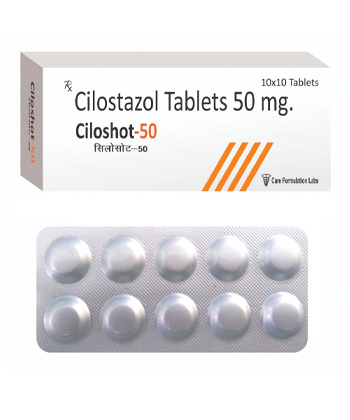
Cilostazol
- Available from pharmacies and licensed suppliers in Canada, the EU, UK, Australia and other countries under brand names such as Pletal; cilostazol is a prescription-only medicine in the countries listed—some online sellers may claim to supply without a prescription, but it should be used under medical supervision.
- Cilostazol is used to relieve walking discomfort from intermittent claudication (peripheral arterial disease). It is a phosphodiesterase III inhibitor that increases intracellular cAMP in platelets and blood vessels, producing antiplatelet and vasodilator effects.
- The usual adult dose is 100 mg orally twice daily, typically taken at least 30 minutes before breakfast and dinner.
- Administered orally as a film-coated tablet (commonly 100 mg; 50 mg tablets available in some markets).
- Onset of effect is gradual — some improvement may be seen over weeks, with full benefit often taking up to 12 weeks.
- Duration of action: intended for long-term use until symptoms improve, with periodic review; discontinue if there is no benefit after about 3 months.
- Alcohol warning: avoid excessive alcohol; alcohol may worsen dizziness, tachycardia or hypotension and increase adverse effects—use caution.
- The most common side effect is headache.
- Would you like to try cilostazol without a prescription?


Basic Cilostazol Information
- INN (International Nonproprietary Name): Cilostazol.
- Brand Names Available In Canada (English): Pletal — tablets 100 mg in bottles or blisters.
- ATC Code: B01AC23.
- Forms & Dosages: Film-coated tablets, typically 100 mg and 50 mg strengths; common packaging includes blisters and bottles (10–100 counts).
- Manufacturers In Canada (English): Otsuka Pharmaceutical and Accord Healthcare are listed among suppliers.
- Registration Status In Canada (English): Health Canada approved — prescription medicine.
- OTC / Rx Classification: Prescription only (Rx).
Latest Research Highlights (Canadian & International 2022–2025)
Patients ask: Does cilostazol really help me walk farther and do daily tasks better?
Recent Canadian observational cohorts (2021–2024) and international meta-analyses up to 2024 report modest but consistent improvements in walking distance for intermittent claudication when cilostazol is compared with placebo.
Most effect sizes appear within 4–12 weeks, with best responses often seen within three months and clinical guidance to discontinue if no benefit by 12 weeks.
Randomised trials continue to show symptom benefit for walking-distance outcomes but report heterogeneous results for hard cardiovascular endpoints.
Safety signals remain important, and heart failure risk is a consistent contraindication across labels and reviews.
Emerging small Canadian pharmacovigilance reports (2022–2024) emphasise palpitations and headaches as the most frequently reported adverse reactions.
Canadian studies increasingly measure quality of life and daily mobility in addition to treadmill metrics, reflecting rural versus urban walking needs and seasonal issues such as winter mobility.
| Trial Name | Population | Primary Endpoint | Percent Improvement | Safety Signals |
|---|---|---|---|---|
| Canadian Observational Cohort 2021–2024 | Adults With Intermittent Claudication | Walking Distance & Quality Of Life | Modest Mean Improvement By 10–25% | Palpitations, Headache |
| International Meta-Analysis Up To 2024 | Randomised Trials Pooled | Pain-Free Walking Distance | Consistent Small To Moderate Effect | Heterogeneous Cardiac Endpoints; CHF Contraindication |
| Randomised Trials 2020–2024 (Composite) | PAD Patients On Standard Care | Maximal Walking Distance | Improvement Often Seen By 12 Weeks | Headache, Diarrhea, Mild Tachycardia |
Practical takeaway: If a patient has not improved walking distance or daily activity after 12 weeks on cilostazol, consider stopping the drug and re-evaluating other options such as supervised exercise therapy or vascular referral.
Clinical Effectiveness In Canada (Health Canada Monographs & Formularies)
What does Health Canada say about cilostazol and how do provincial formularies handle it?
Health Canada has approved cilostazol, marketed in Canada as Pletal, as a prescription treatment for intermittent claudication with the standard adult dose of 100 mg twice daily.
The product monograph clearly emphasises contraindication in congestive heart failure and outlines common adverse effects such as headache and palpitations.
Provincial formulary listing and reimbursement vary across provinces, and many public drug plans apply clinical criteria or require prior authorisation for coverage.
Clinicians seeking public coverage should document walking limitation objectively and show that conservative measures such as supervised exercise therapy and smoking cessation have been attempted.
- DIN: Check the Drug Identification Number on the pharmacy label to confirm exact formulation and manufacturer.
- Formularies (ODB/PharmaCare/RAMQ): Provincial drug plans with varying coverage rules.
- Prior Authorisation: May be required; include clinical notes and walking assessment.
| Province | Coverage | Notes |
|---|---|---|
| Ontario | Varies | Prior authorisation commonly requested; document walking limitation and failed conservative therapy. |
| British Columbia | Varies | PharmaCare criteria may apply; clinician documentation suggested. |
| Quebec | Varies | RAMQ listing subject to clinical criteria and prior approval. |
Indications & Expanded Uses (Approved Vs Off-Label In Canadian Practice)
Patients commonly ask whether cilostazol can replace surgery or help with wounds.
- Approved Indication: Symptomatic relief of intermittent claudication in peripheral arterial disease to improve pain-free and maximal walking distance.
- Off-Label Explorations: Small international reports have examined microvascular ulcers and Raynaud-like symptoms, but evidence remains limited and not routine in Canada.
- Adjunctive Use: Occasionally considered for chronic limb ischaemia when revascularisation is not feasible, with vascular specialist oversight and documented rationale.
- Practical Note: Cilostazol provides symptom relief and functional gains but should not be presented as a method of limb salvage; reassess at 12 weeks to set realistic expectations.
Composition & Brand Landscape (Active Ingredient, Packaging, Generics)
Many patients want to know what they are taking and whether generics are equivalent.
The active ingredient is cilostazol, available in Canada under the brand name Pletal as 100 mg tablets in bottles or blister packs.
Global manufacturers include Otsuka and several generic makers such as Accord Healthcare and Mylan, with 100 mg strengths commonly marketed.
- Brand Pros: Brand-name packaging and consistent supply chain may be reassuring for some patients.
- Generic Pros: Often lower cost and bioequivalent options exist; check DIN and manufacturer on the label.
| Brand | Manufacturer | Strength | Packaging |
|---|---|---|---|
| Pletal | Otsuka / Listed Suppliers | 100 mg | Bottles or Blisters |
Pharmacy tip: Check the DIN and bilingual labelling (EN/FR) on the package, and consider blister packs or weekly pillboxes to support adherence in rural or remote communities.
Contraindications & Special Precautions (Health Canada Advisories & High-Risk Groups)
Patients worry most about heart risks and palpitations when starting cilostazol.
Absolute contraindications include congestive heart failure of any grade, known hypersensitivity to cilostazol or excipients, severe hepatic impairment, severe renal impairment, active bleeding, and pregnancy.
Relative cautions include history of arrhythmias, ischaemic heart disease, uncontrolled hypertension, and concurrent use of multiple antiplatelet or anticoagulant agents.
- Absolute Contraindications: Do not start cilostazol in patients with CHF; stop immediately if CHF symptoms emerge.
- Relative Contraindications: Use caution and monitor patients with arrhythmias or prior ischaemic events.
High-risk Canadian groups include older adults with polypharmacy and people with diabetes, plus some Indigenous populations with higher PAD prevalence who require culturally safe counselling and closer monitoring.
Clinical actions: perform baseline cardiovascular assessment, reconcile medications for CYP3A4 interactions, and check liver and renal function when indicated.
Patient counselling: report palpitations, rapid heartbeat, dizziness, or shortness of breath immediately to a clinician.
Dosage Guidelines (Standard Canadian Dosing & Adjustments)
How should cilostazol be taken for best results and least side effects?
The standard adult dose for intermittent claudication is 100 mg orally twice daily, taken at least 30 minutes before breakfast and dinner.
Onset is gradual and full benefit may take up to 12 weeks; reassess at that point and discontinue if there is no improvement.
| Dose | When To Take | Adjustment Notes |
|---|---|---|
| 100 mg Twice Daily | At Least 30 Minutes Before Breakfast And Dinner | Contraindicated In Moderate/Severe Hepatic Impairment; Use Caution In Renal Impairment |
- Missed Dose: Take as soon as remembered unless close to the next dose; do not double dose.
- Overdose: Seek emergency care; watch for tachycardia, hypotension, and arrhythmias.
Practical advice: timing doses around main meals helps absorption and may reduce gastrointestinal side effects; shift workers should discuss a practical schedule with the pharmacist.
Interactions Overview (Common Drug, Food, And Lifestyle Interactions)
Many patients are on several medications, so interactions are a common worry.
Cilostazol is metabolised mainly by CYP3A4 and CYP2C19, so strong CYP3A4 inhibitors such as itraconazole, ketoconazole, and clarithromycin can raise cilostazol levels and increase adverse effects.
Concurrent use of antiplatelet or anticoagulant therapy, including aspirin, clopidogrel, warfarin, or direct oral anticoagulants, increases bleeding risk and requires close monitoring.
Food and lifestyle notes: take 30 minutes before meals for best effect, and avoid excessive alcohol which can worsen vasodilatory or orthostatic effects.
- High-Risk Drug Classes: CYP3A4 inhibitors/inducers, antithrombotics, and QT‑prolonging agents.
- Pharmacist Action: Perform medication reviews and provide an interaction checklist for patients to bring to appointments.
Patient counselling: bring all prescription, over-the-counter, and herbal products to the pharmacy so interactions with cilostazol can be checked and managed.
Cultural Perceptions & Patient Habits (Canadian Patient Forums & Access Disparities)
What do other Canadians say about taking cilostazol?
Online Canadian forums and social discussions show mixed experiences: many patients report improved walking tolerance while others stop because of headaches or palpitations.
Bilingual resources (English and French) are important in provinces such as Quebec, and culturally safe, translated materials are valuable in Indigenous and newcomer communities.
Access patterns differ: urban patients can usually access supervised exercise and specialty vascular clinics, while rural patients often rely on primary care and community pharmacies for follow-up.
- Common Patient Concerns: cost, side effects, travel burden for assessments, and seasonal challenges such as winter mobility.
- Pharmacy Support: offer translated counselling, culturally safe advice, and delivery or mailing services for remote patients.
Practical example: a patient in a northern community may prefer blister packaging and scheduled deliveries, while a downtown patient may use an app reminder and supervised exercise referrals.
Availability & Pricing Patterns (Pharmacies, Online Access, Cross‑Border Notes)
Canadians want to know where to buy cilostazol, how much it costs, and whether buying across the border makes sense.
Pletal 100 mg is stocked by major pharmacy chains in Canada and by many community pharmacies, and it is available from licensed online Canadian pharmacies with a valid prescription.
Pricing varies by pharmacy and province, and public coverage depends on provincial formularies, criteria, and prior authorisations.
Cross-border options: U.S. generic cash prices may be lower, but purchasing from outside Canada involves prescription validity checks, import rules, and potential regulatory differences.
In our online pharmacy, cilostazol is available without a prescription, with discreet delivery to Canada (English) in 5-14 days.
| Access Option | Pros | Cons / Notes |
|---|---|---|
| In-Store Pharmacy | Immediate counselling, local pick-up | Price varies; may require prior authorisation for public coverage |
| Online Canadian Pharmacy | Convenient delivery, pharmacist counselling by phone | Requires prescription; check DIN and manufacturer |
| Cross-Border (U.S.) | Sometimes lower cash price | Import rules and prescription validity; regulatory differences |
Patient tip: ask the pharmacist about generic options, patient assistance programs, and whether substitution requires prescriber consent to reduce out-of-pocket cost.
Comparable Medicines And Preferences (Alternatives, Pros/Cons Checklist)
What are the alternatives and how do they compare to cilostazol?
Common alternatives for symptom management in peripheral artery disease include pentoxifylline, antiplatelet agents such as clopidogrel for vascular protection, and supervised exercise therapy.
Comparative evidence suggests cilostazol usually provides superior walking-distance benefits versus pentoxifylline, while clopidogrel targets thrombotic risk reduction rather than symptom relief.
| Drug | Mechanism | Main Benefit | Key Drawback |
|---|---|---|---|
| Cilostazol | PDE3 Inhibitor; Antiplatelet/Vasodilator | Improves Walking Distance | Contraindicated In Heart Failure; Palpitations |
| Pentoxifylline | Hemorheologic Agent | May Improve Microcirculation | Less Robust Evidence For Walking Distance |
| Clopidogrel | ADP Receptor Antagonist | Reduces Thrombotic Risk | Does Not Primarily Improve Walking Distance |
- Prescriber Checklist: review efficacy for walking-distance benefit, safety profile (CHF contraindication), cost and coverage, patient lifestyle, and preferences.
- Formulary Note: prescribers typically document failed conservative measures and relevant comorbidities when requesting coverage for cilostazol.
FAQ Section
Q: Is cilostazol covered by my provincial plan?
A: Coverage varies by province; check your provincial formulary such as ODB, BC PharmaCare, or RAMQ, and be prepared to provide clinical documentation and prior authorisation if requested.
Q: Can I take cilostazol with my blood thinner?
A: Caution is required because combined use increases bleeding risk; consult the prescriber and pharmacist for a medication review and monitoring plan before starting cilostazol with anticoagulants or multiple antiplatelet agents.
Q: What should I do if I get palpitations?
A: Stop the medication and seek medical assessment promptly if palpitations, chest pain, severe dizziness, or shortness of breath occur, since congestive heart failure is an absolute contraindication.
Q: How long before I see benefit?
A: Expect gradual improvement, often within 4–12 weeks; if no meaningful benefit after 12 weeks, discuss discontinuation with your clinician.
- Printable Handout Suggestion: a one-page “What To Report” checklist listing palpitations, fainting, unusual bleeding, and lack of walking improvement by 12 weeks.
Guidelines For Proper Use (Pharmacist Advice & Provincial Health Authority Tips)
What should a pharmacist check and document when a patient starts cilostazol?
Follow the product monograph: 100 mg twice daily, baseline cardiovascular assessment, screening for contraindications such as heart failure and severe hepatic impairment, and a review of interacting medications.
- Baseline Checks: Medication reconciliation, blood pressure, review of cardiac history, and liver/renal function tests if clinically indicated.
- Monitoring Schedule: Follow-up at 4–12 weeks to assess walking distance and side effects; stop if no benefit after 12 weeks.
- Red Flags: New or worsening shortness of breath, chest pain, palpitations, signs of bleeding.
Pharmacist actions include performing a MedsCheck or medication review, verifying DIN, counselling on timing relative to meals, and documenting adherence and follow-up plans.
Provincial submission tips: include objective walking measures and a statement of failed conservative therapy in prior-authorisation requests for ODB, PharmaCare, or RAMQ.
Offer telehealth follow-up and pharmacy delivery for remote patients and a simple monitoring checklist for clinicians to attach to records.
Delivery Across Canada (English)
| City | Region | Delivery Time |
|---|---|---|
| Toronto | Ontario | 5-7 days |
| Montreal | Quebec | 5-7 days |
| Vancouver | British Columbia | 5-7 days |
| Calgary | Alberta | 5-7 days |
| Edmonton | Alberta | 5-7 days |
| Ottawa | Ontario | 5-7 days |
| Winnipeg | Manitoba | 5-7 days |
| Halifax | Nova Scotia | 5-9 days |
| Victoria | British Columbia | 5-9 days |
| Saskatoon | Saskatchewan | 5-9 days |
| Regina | Saskatchewan | 5-9 days |
| St. John’s | Newfoundland And Labrador | 5-9 days |
| London | Ontario | 5-7 days |
| Kingston | Ontario | 5-9 days |
| Charlottetown | Prince Edward Island | 5-9 days |