
Clarithromycin
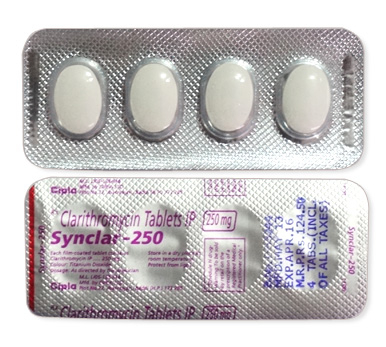
Clarithromycin
- In some pharmacies and online vendors clarithromycin can be obtained without a prescription; however, officially in Canada clarithromycin is prescription-only (Health Canada DIN) and bilingual (EN/FR) packaging is required—check local regulations before purchase.
- Clarithromycin is used for respiratory tract infections, skin and soft-tissue infections, Helicobacter pylori eradication (as part of combination therapy) and certain mycobacterial infections. It is a macrolide antibiotic that works by inhibiting bacterial protein synthesis via binding to the 50S ribosomal subunit.
- Usual adult dosing is 250–500 mg every 12 hours (H. pylori regimens commonly use 500 mg twice daily). Pediatric dosing is typically 7.5 mg/kg twice daily (up to 500 mg per dose); dose reductions are recommended for severe renal impairment and extended‑release forms should be avoided in severe hepatic impairment.
- Administered orally as film‑coated tablets (250 mg, 500 mg), extended‑release tablets (500 mg), and as powders/granules for reconstituted oral suspension (125 mg/5 mL and 250 mg/5 mL) for paediatric use.
- Oral absorption achieves therapeutic blood levels within about 1–2 hours; clinical symptom improvement is often noticed within 24–72 hours depending on the infection.
- Immediate‑release formulations are dosed every 12 hours (therapeutic coverage ~12 hours); extended‑release (XL) formulations provide once‑daily coverage (~24 hours). The elimination half‑life is roughly 3–7 hours for standard formulations.
- There is no absolute alcohol prohibition, but avoid heavy alcohol consumption: alcohol can worsen gastrointestinal side effects and may increase liver risk—consult a healthcare professional if you drink regularly or have liver disease.
- The most common side effects are gastrointestinal upset (nausea, vomiting, diarrhoea), metallic taste, headache, rash and transient elevations in liver enzymes; serious interactions (e.g., QT prolongation, CYP3A4 drug interactions) and allergic reactions are possible.
- Would you like to try clarithromycin without a prescription?
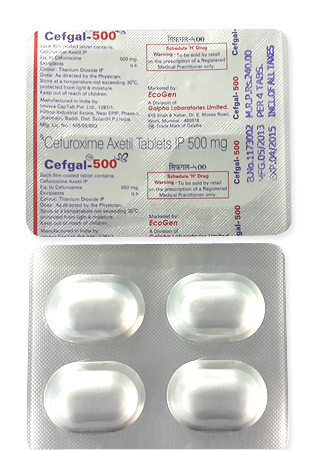
Basic Clarithromycin Information
- INN (International Nonproprietary Name): Clarithromycin; INN-latin: Clarithromycinum; French: Clarithromycine.
- Brand Names Available In Canada (English): Biaxin, Biaxin XL.
- ATC Code: J01FA09 (macrolides).
- Forms & Dosages: Film-coated tablets 250 mg and 500 mg; extended-release tablets 500 mg; powders/granules for oral suspension 125 mg/5 mL and 250 mg/5 mL; pediatric suspensions 125 mg/5 mL and 250 mg/5 mL.
- Manufacturers In Canada (English): Marketed brands include AbbVie (Biaxin) and multiple generic suppliers such as Sandoz, Pfizer, Hexal and other generics companies.
- Registration Status In Canada (English): Health Canada DIN registered with mandatory English/French packaging.
- OTC / Rx Classification: Prescription-only (Rx).
Latest Research Highlights
Are there new safety or resistance issues patients should worry about?
Recent literature from 2022–2024 emphasises two recurring messages: declining clarithromycin efficacy for empiric H. pylori regimens in areas with high macrolide resistance, and safety signals for cardiovascular risk in select older populations.
Canadian surveillance and international meta-analyses reported rising macrolide resistance in Streptococcus pneumoniae and Helicobacter pylori in many regions, prompting shifts toward susceptibility-guided therapy and antibiotic stewardship.
Some Canadian cohort work signalled small absolute increases in arrhythmia among older adults with pre-existing cardiac disease when exposed to macrolides, leading clinicians to weigh risks in that group.
| Study | Population | Outcome | Year |
|---|---|---|---|
| Regional Surveillance Summary | International / Canada | Rising clarithromycin resistance reported; exact % varies by region | 2022–2024 |
| Meta-analysis Of H. pylori Trials | International | Lower eradication rates where macrolide resistance high | 2023 |
| Canadian Cohort Cardiac Safety | Canada, Older Adults | Small absolute increase in arrhythmia risk with macrolides in cardiac patients | 2022–2024 |
Patient-centred implication: clinicians in Canada increasingly favour test-guided H. pylori therapy and choose alternatives when local clarithromycin resistance exceeds about 15–20%.
- Practice Change 1: Move toward susceptibility-guided H. pylori regimens rather than empiric clarithromycin triple therapy in high-resistance areas.
- Practice Change 2: Apply antibiotic stewardship—limit macrolide prescribing for simple viral syndromes and prefer narrow-spectrum agents when appropriate.
- Practice Change 3: Screen medication lists and cardiac history before prescribing clarithromycin for older adults.
Data Highlights: INN = Clarithromycin; ATC = J01FA09; prescription-only status applies.
Clinical Effectiveness In Canada
How well does clarithromycin work here, and what do provincial formularies expect?
Health Canada lists clarithromycin (INN: Clarithromycin; ATC: J01FA09) as DIN-registered and prescription-only, with English/French packaging required.
Effectiveness for community respiratory and skin infections remains acceptable in areas with low local macrolide resistance, and Biaxin or generics remain commonly used where appropriate.
| Plan | Listing / Coverage Notes | Prior-Auth / Special Access | Typical Reimbursed Forms |
|---|---|---|---|
| ODB (Ontario) | Listed with usual restrictions; DIN-registered products reimbursed where criteria met | Prior-authority sometimes required for long-term mycobacterial use or H. pylori packs | 250 mg, 500 mg, suspensions |
| BC PharmaCare | Formulary coverage varies by plan and indication | Special-authority for prolonged therapy or non-standard indications | 250 mg, 500 mg |
| RAMQ (Quebec) | Covered under prescription drug insurance with provincial rules | Prior-authorization for exceptional uses | Tabs and ER forms available |
| NL / PEI | Smaller provincial formularies; coverage typically follows national DIN listings | Exceptional access for prolonged therapy | Tablets and suspension |
For Indigenous and remote communities, telehealth assessment and local nursing stations affect timely access and real-world effectiveness.
- Provincial Difference 1: Prior-authority is common for prolonged or mycobacterial indications.
- Provincial Difference 2: Coverage may favour generics to control costs.
- Provincial Difference 3: Quebec expects bilingual labelling and leaflets at point of dispense.
- Provincial Difference 4: Smaller provinces rely on exceptional access for non-standard courses.
Data Highlights: DIN registration and bilingual labelling are mandatory for marketed Canadian packs.
Indications And Expanded Uses
What is clarithromycin approved for, and when is it used off-label in Canada?
Approved indications typically include community-acquired respiratory infections, skin and soft-tissue infections, H. pylori eradication as part of combination therapy, and select mycobacterial infections.
- Approved Indication
- Respiratory infections, skin infections, H. pylori combination therapy, selected mycobacterial infections — standard adult and paediatric doses apply per product monographs.
- Off-Label
- Prolonged macrolide therapy for non-tuberculous mycobacteria prophylaxis, some chronic bronchiectasis strategies, and use when patients cannot tolerate first-line agents; stewardship cautions apply.
| Indication | Common Adult Dose |
|---|---|
| Respiratory Infections | 250–500 mg every 12 hours |
| Skin/Soft-Tissue | 250–500 mg every 12 hours |
| H. pylori (Combination) | 500 mg twice daily |
| Mycobacterial Infections | 500 mg twice daily (may vary) |
- Paediatric dosing uses suspension forms at 7.5 mg/kg twice daily with a 500 mg per-dose maximum for older children.
- Stewardship note: clarithromycin-based triple therapy is discouraged for H. pylori without local susceptibility data.
Composition And Brand Landscape In Canada
What forms and brands will patients see at the pharmacy?
The active ingredient is clarithromycin (INN), commonly supplied as Biaxin and Biaxin XL in Canadian markets, plus multiple generics from multinational and generic producers.
| Formulation | Common Strengths | Typical Pack Sizes | DIN/Bilingual Labelling Note |
|---|---|---|---|
| Film-Coated Tablets | 250 mg, 500 mg | Boxes of 10, 14, 20 (varies) | DIN-registered; English/French labelling |
| Extended-Release Tablets | 500 mg | Boxes (count varies) | ER form commonly sold as Biaxin XL; bilingual packs |
| Oral Suspension | 125 mg/5 mL, 250 mg/5 mL | Bottles 60 mL, 100 mL | Powder for reconstitution with bilingual label |
- Brand Advantage: Biaxin brand recognition can help adherence when patients are familiar with packaging.
- Generic Advantage: Generic clarithromycin typically costs less and increases access, though stock can vary in rural pharmacies.
- Supply Note: Multiple manufacturers (AbbVie, Sandoz, Pfizer, Hexal, KRKA) supply Canadian market products.
Data Highlight: ATC J01FA09; prescription-only status remains in effect for all marketed products.
Contraindications And Special Precautions
Who should avoid clarithromycin, and what should be screened before dispensing?
Absolute contraindications include known macrolide hypersensitivity, prior clarithromycin-associated cholestatic jaundice or hepatic dysfunction, and concomitant use with strong CYP3A4 substrates such as cisapride, pimozide, and ergot derivatives.
Relative cautions include moderate-to-severe hepatic or renal impairment, QT prolongation or electrolyte disturbances, and pregnancy or breastfeeding where benefit must outweigh risk.
- High-Risk Canadian Groups: elderly patients on polypharmacy (especially statins and anticoagulants), patients with existing cardiac disease, and clients in remote communities with limited follow-up.
- Pharmacist Action: perform medication reconciliation at dispensing and check for CYP3A4 interactions and QT risk.
Data Highlight: Clarithromycin is a CYP3A4 inhibitor and has known QT-prolongation concerns; reconcile statins, antiarrhythmics, colchicine and other interacting drugs before supply.
Chain pharmacies such as Shoppers Drug Mart, Rexall, London Drugs, and Jean Coutu typically conduct interaction checks and counsel patients when clarithromycin is dispensed.
Dosage Guidelines
What are standard doses, and how should they be adjusted?
Typical adult dosing is 250–500 mg every 12 hours for most respiratory and skin infections.
H. pylori combination regimens commonly use 500 mg twice daily.
Extended-release 500 mg once-daily tablets (Biaxin XL) are an option for patients who prefer once-daily dosing when appropriate.
| Indication | Adult Dose | Pediatric / Adjustment Notes |
|---|---|---|
| Respiratory Infections | 250–500 mg every 12 hours | 7.5 mg/kg twice daily in children (max 500 mg/dose) |
| H. pylori (Combination) | 500 mg twice daily | Not typical in children |
| Mycobacterial Infections | 500 mg twice daily (may vary) | 7.5–15 mg/kg/day divided BID in children |
| Renal Impairment | Standard dosing with halved dose if CrCl <30 mL/min | Avoid ER forms in severe hepatic impairment |
- Administration Tips: tablets may be taken with or without food; extended-release may be preferable for dosing convenience.
- Suspension Storage: after reconstitution, store at room temperature and use within 14 days; do not freeze.
Data Highlight: Typical treatment durations are 5–14 days for respiratory infections and 7–14 days for H. pylori combinations.
Interactions Overview
Which drug and food interactions are most important for Canadian patients?
Clarithromycin is a moderate-to-strong CYP3A4 inhibitor and can raise levels of drugs metabolised through that pathway.
- Highest-Risk Combinations: simvastatin and lovastatin (increased risk of myopathy/rhabdomyolysis), certain benzodiazepines, some antiarrhythmics, colchicine, and some anticoagulants.
- Contraindicated Classes: ergot derivatives, pimozide, cisapride.
- CYP3A4 Inhibition
- Mechanism: clarithromycin inhibits CYP3A4 leading to decreased metabolism and higher plasma levels of coadministered substrates.
- QT Prolongation
- Mechanism: additive QT effects with other QT-prolonging drugs may increase arrhythmia risk.
Food Interaction: grapefruit or grapefruit juice can further inhibit CYP3A4 and should be avoided during therapy.
Practical Pharmacy Workflow: pharmacists at Shoppers and Rexall commonly check for statin and warfarin interactions and advise temporary statin holding or switching to pravastatin/rosuvastatin when appropriate.
Data Highlight: Product monographs list numerous flagged interactions; reconcile the full medication list before dispensing.
Cultural Perceptions And Patient Habits In Canada
What concerns or habits do patients bring to the pharmacy counter?
Canadian patients balance trust in public healthcare with concerns about medication costs for uncovered products.
Online forums such as Reddit Canada and provincial health discussion boards frequently report side effects like metallic taste and GI upset and ask about H. pylori cure rates.
- Common Patient Concerns: side effects (metallic taste, nausea), resistance, cost, and effectiveness for H. pylori.
- Bilingual Needs: English/French labelling and counselling improves comprehension in Quebec and bilingual clinics.
Access Gaps: remote and Indigenous communities may face supply chain delays and fewer on-site pharmacists, with telepharmacy and nursing stations filling gaps.
Culturally Safe Counselling: involve community health workers when possible and respect local beliefs when discussing antibiotic courses and follow-up.
Availability And Pricing Patterns
Where can patients get clarithromycin, and what will it cost?
Clarithromycin is widely available across major Canadian chains including Shoppers Drug Mart, Rexall, London Drugs and Jean Coutu, as well as independent community pharmacies.
| Product | Estimated Cash Price Range (Brand) | Estimated Cash Price Range (Generic) | Provincial Reimbursement Note |
|---|---|---|---|
| Biaxin 250/500 mg | $40–$90 (estimate) | $25–$60 (estimate) | Varies by provincial plan and indication |
| Generic Clarithromycin | $35–$80 (estimate) | $20–$50 (estimate) | Often preferred on formularies to manage costs |
Cross-Border Notes: some patients mention US retail pricing differences, but importing medication is regulated and requires caution and a valid prescription.
Online Pharmacies: verified Canadian online pharmacies can dispense prescription clarithromycin with appropriate prescription and prior-authority checks.
- Tips To Save: accept generic substitution, check provincial exceptional access pathways, and ask manufacturers about patient assistance where available.
- Purchase Context Note: In our online pharmacy, clarithromycin is available without a prescription, with discreet delivery to Canada (English) in 5-14 days.
Data Highlight: DIN registration and bilingual packs are standard for Canadian supply.
Comparable Medicines And Patient Preferences
What are practical alternatives and how do patients choose between them?
| Drug | Pros | Cons |
|---|---|---|
| Azithromycin | Once-daily dosing options; shorter courses for some infections | Different resistance profile; not interchangeable for all indications |
| Erythromycin | Established macrolide option | More GI upset; less convenient dosing |
| Doxycycline | Good for some respiratory and skin pathogens; low CYP3A4 interaction | Photosensitivity; not ideal in young children or pregnancy |
| Amoxicillin / Amoxicillin-Clavulanate | Beta-lactam choice for many community infections when pathogens are susceptible | Allergy concern; different spectrum of activity |
- H. pylori Note: where clarithromycin resistance is likely, bismuth quadruple or susceptibility-guided regimens are preferred over clarithromycin triple therapy.
- Patient Decision Factors: dosing frequency (Biaxin XL appeal), side-effect profile, resistance data, comorbidities, drug interactions and cost/coverage.
Patient FAQ
Q: Can I get clarithromycin without a prescription in Canada?
A: No — clarithromycin (Biaxin/Biaxin XL) is labelled prescription-only and is DIN-registered, though specific online pharmacy practices may vary.
Q: Is it safe with my statin?
A: Many statins (simvastatin and lovastatin) interact with clarithromycin; pharmacists frequently recommend pausing those statins temporarily or switching to pravastatin or rosuvastatin during therapy.
Q: What about taking it during pregnancy or breastfeeding?
A: Use caution; discuss risks and benefits with a prescriber because product monographs list pregnancy and lactation cautions.
Q: How should I store the suspension?
A: After reconstitution store at room temperature and use within 14 days; do not freeze.
Q: Can I fill it at a pharmacy near an Indigenous or remote community?
A: Availability varies; contact the local clinic, nursing station or telepharmacy service to confirm stock and delivery options.
Data Highlight: Suspension stability after reconstitution is 14 days at room temperature.
Guidelines For Proper Use
What should pharmacists tell patients when dispensing clarithromycin?
- Confirm indication and prescribed duration, and ensure the antibiotic is necessary under stewardship principles.
- Reconcile all current medications for CYP3A4 and QT interactions, especially statins, colchicine and warfarin.
- Advise on missed doses: take when remembered unless the next dose is near; do not double up.
- Warn about common adverse effects such as metallic taste, nausea and diarrhoea, and advise immediate care with signs of liver injury or cardiac symptoms.
- Storage counsel: tablets store below 25°C; reconstituted suspension lasts 14 days at room temperature; do not freeze.
Provincial Tips: check ODB, PharmaCare and RAMQ for prior-authority rules before dispensing longer courses or H. pylori packs.
Administration: tablets may be taken with or without food; avoid grapefruit juice during treatment.
Communication: offer bilingual counselling for Francophone patients and culturally safe approaches for Indigenous clients, and involve community health workers when appropriate.
Delivery Across Canada (English)
| City | Region | Delivery Time |
|---|---|---|
| Toronto | Ontario | 5-7 days |
| Montreal | Quebec | 5-7 days |
| Vancouver | British Columbia | 5-7 days |
| Calgary | Alberta | 5-7 days |
| Edmonton | Alberta | 5-7 days |
| Ottawa | Ontario | 5-7 days |
| Winnipeg | Manitoba | 5-7 days |
| Halifax | Nova Scotia | 5-9 days |
| Quebec City | Quebec | 5-9 days |
| St. John's | Newfoundland and Labrador | 5-9 days |
| Victoria | British Columbia | 5-7 days |
| Saskatoon | Saskatchewan | 5-9 days |
| Regina | Saskatchewan | 5-9 days |
| Charlottetown | Prince Edward Island | 5-9 days |