Detrol
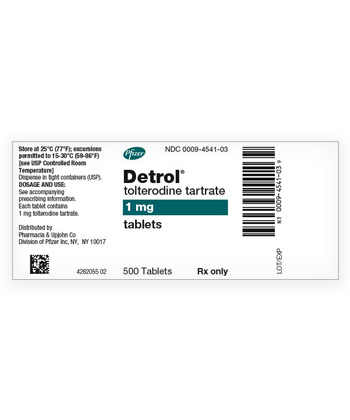
Detrol
- At our pharmacy, you can buy Detrol without a prescription, with delivery available throughout Canada in discreet packaging.
- Detrol (tolterodine) is used to treat overactive bladder, including urge urinary incontinence, urinary urgency, and frequent urination. It works as an antimuscarinic (anticholinergic) medicine by relaxing the bladder muscle and reducing involuntary bladder contractions.
- The usual adult dose is 2 mg twice daily for Detrol IR, or 4 mg once daily for Detrol LA. Depending on tolerability or certain health conditions, the dose may be reduced to 1 mg twice daily or 2 mg once daily.
- It is taken by mouth as immediate-release tablets or extended-release capsules.
- It usually starts working within a few hours, but the full benefit may take 2 to 4 weeks of regular use.
- The effect lasts about 12 hours for immediate-release tablets and about 24 hours for extended-release capsules.
- Avoid alcohol, as it may increase dizziness, drowsiness, and the risk of side effects.
- The most common side effect is dry mouth. Other common side effects include headache, constipation, dizziness, blurred vision, stomach pain, and fatigue.
- Would you like to try Detrol without a prescription?

Basic Detrol Information
- INN (International Nonproprietary Name): Tolterodine
- Brand names available in Canada (English): Detrol, Detrol LA, generic tolterodine
- ATC Code: G04BD07
- Forms & dosages: Oral immediate-release tablet 1 mg, 2 mg; oral extended-release capsule 2 mg, 4 mg
- Manufacturers in Canada (English): Pfizer and licensed partners; multiple generic suppliers
- Registration status in Canada (English): Detrol, Detrol LA, and generics widely available
- OTC / Rx classification: Prescription-only medication (Rx) in all territories
Latest Research Highlights On Tolterodine And Detrol In Canada And Internationally
Wondering whether Detrol still has a place when there are newer bladder medicines on the shelf?
Yes, because the research keeps pointing to the same practical reality: tolterodine remains a well-studied option for overactive bladder, especially for urgency, frequency, and urge urinary incontinence.
International evidence published through 2022 to 2025 continues to support symptom reduction, while also showing the trade-offs that Canadian patients hear about most often in the pharmacy: dry mouth, constipation, dizziness, and stopping the drug early because side effects outweigh the benefit.
Once-daily extended-release tolterodine is still favoured in many studies for convenience and persistence, even though it does not eliminate anticholinergic effects.
That matters in Canada because OAB treatment is often shaped by provincial coverage, generic substitution, and the need to match treatment with daily routines.
For older adults, the discussion now includes cognitive risk and total anticholinergic burden, not just symptom control.
Canadian practice usually follows the monograph and class evidence rather than relying on a large domestic trial base, so the message is steady rather than flashy: tolterodine works for many patients, but it must be used thoughtfully.
| Evidence theme | What the studies tend to show | Practical takeaway in Canada |
|---|---|---|
| Symptom improvement | Fewer urgency episodes, fewer trips to the bathroom, and fewer accidents | Reasonable option after lifestyle steps are not enough |
| Tolerability | Dry mouth remains the most common reason for concern | Counselling at the start can reduce early discontinuation |
| Adherence | Extended-release products often fit routines better than immediate-release tablets | Once-daily Detrol LA may be easier for many patients |
| Older-adult considerations | Anticholinergic burden and cognition are key discussion points | Use the lowest effective dose and reassess regularly |
Data highlight: Efficacy is typically judged by meaningful symptom reduction rather than complete cure, and discontinuation is still commonly driven by dry mouth and other anticholinergic effects.
For patients comparing Detrol research with newer OAB treatment options, the main message is simple: the medicine is established, but it is not a set-and-forget prescription.
Clinical Effectiveness In Canada: What Health Canada And Formularies Emphasise
What does success look like when a Canadian patient starts tolterodine?
Usually it means fewer urgent trips to the washroom, fewer leaks on the way to the toilet, and less disruption at work, in the car, or during the night.
Health Canada-approved use is centred on overactive bladder with urgency, frequency, and urge incontinence.
In real practice, tolterodine tartrate is considered when bladder training, fluid timing, and other non-drug measures have not been enough.
- Fewer bathroom trips during the day and night.
- Fewer urgency episodes that feel hard to control.
- Less urge urinary incontinence and fewer accidents.
- Better confidence during travel, errands, and work shifts.
- A once-daily option with Detrol LA for patients who prefer simpler routines.
Canadian formulary coverage can affect which product is chosen, because generic tolterodine may be listed differently from brand Detrol or Detrol LA under plans such as Ontario Drug Benefit, BC PharmaCare, or RAMQ in Quebec.
That can influence whether a person stays on the same manufacturer or sees a switch at refill time.
Data highlight: The approved adult dose is usually Detrol IR 2 mg twice daily or Detrol LA 4 mg once daily, with lower doses used when tolerability or patient factors call for it.
Benefit may start within a few weeks, but it should be reassessed after 2 to 4 weeks if there is little improvement.
For safety, tolterodine should not be used for acute urinary retention.
Indications And Expanded Uses In Canadian Practice
Is this medicine only for overactive bladder, or do people also ask about bladder spasms and urgency symptoms?
In Canada, the approved use for Detrol and Detrol LA is straightforward.
The drug is meant for overactive bladder, including urge urinary incontinence, urinary urgency, and urinary frequency.
- Approved use
- Overactive bladder symptom control.
- Common clinical discussion
- Bladder spasm symptoms linked to urgency and frequency patterns.
- Not appropriate for
- Acute urinary retention or symptoms that have not been assessed first.
- Off-label interest
- Some specialists may discuss broader bladder symptom management, but that should be handled cautiously and case by case.
People often search for a urinary antispasmodic or bladder spasm medication when what they really want is relief from OAB symptoms.
That is why a pharmacy page should connect those everyday terms without blurring the clinical boundaries.
Persistent urinary symptoms can also point to infection, diabetes, pelvic floor issues, prostate enlargement, or side effects from another medication.
In smaller communities and rural areas, embarrassment and access barriers often delay care, so a clear explanation of what Detrol does and does not treat matters just as much as the prescription itself.
Composition And Brand Landscape: Detrol, Detrol LA, And Generics
Is generic tolterodine the same as Detrol, and why do the packages sometimes look different?
The active ingredient is tolterodine, usually listed as tolterodine tartrate.
Detrol, Detrol LA, and generic tolterodine are all part of the same treatment family, but the packaging, manufacturer name, and tablet or capsule appearance may differ.
| Product | Form | Typical Strengths | Canadian label reality |
|---|---|---|---|
| Detrol | Immediate-release tablet | 1 mg, 2 mg | Brand name or substituted generic |
| Detrol LA | Extended-release capsule | 2 mg, 4 mg | Once-daily long-acting tolterodine |
| Generic tolterodine | Tablet or capsule | 1 mg, 2 mg IR; 2 mg, 4 mg ER | DIN-based product may vary by supplier |
In Canada, the Drug Identification Number, or DIN, helps identify an approved product, and pharmacy software uses it when checking coverage and substitution.
That is often the reason a patient sees a new box at refill time even though the medicine itself is the same active ingredient.
Detrol is widely available in Canada, usually through prescription pharmacies rather than direct retail.
Pack sizes commonly include 28, 30, 60, or 90 tablets or capsules, which is useful when planning refills.
For patients ordering online, our online pharmacy offers detrol without a prescription, with discreet delivery to Canada (English) in 5-14 days.
Contraindications And Special Precautions For Canadian Patients
Could this medicine be a bad fit for someone with glaucoma, urinary retention, or a long history of constipation?
It can be, which is why screening matters before anyone starts tolterodine.
- Do not use if: there is known hypersensitivity to tolterodine or a similar drug, urinary retention, gastric retention or GI obstruction, or uncontrolled narrow-angle glaucoma.
- Use caution if: there is hepatic impairment, severe renal impairment, myasthenia gravis, urinary outflow obstruction, a history of Long QT syndrome, arrhythmias, or use of potent CYP3A4 inhibitors such as ketoconazole.
Canadian pharmacists also pay attention to anticholinergic burden in older adults, especially when there are multiple prescriptions on the profile.
That is particularly important for patients taking allergy, sleep, nausea, or depression medicines that can add to dry mouth, constipation, blurred vision, or confusion.
Data highlight: Dose reduction is needed in moderate hepatic impairment and severe renal impairment, and severe hepatic impairment is a contraindication.
In practical terms, a patient who becomes confused, notices palpitations, develops severe constipation, or has trouble passing urine should be assessed promptly.
For rural and remote care, where follow-up may not be immediate, early counselling and conservative dosing are especially important.
Dosage Guidelines In Canada: Standard Use, Adjustments, And Reassessment
What is the usual dose, and when should someone come back to reassess?
For Canadian adults, Detrol IR is typically 2 mg twice a day, while Detrol LA is typically 4 mg once daily.
If the medicine is not tolerated well, lower doses may be used, including 1 mg twice daily for IR or 2 mg once daily for ER.
| Patient group | Usual adjustment | Why it matters |
|---|---|---|
| Adults with good tolerance | Detrol IR 2 mg twice daily or Detrol LA 4 mg once daily | Standard starting schedule |
| Lower-tolerance patients | IR 1 mg twice daily or ER 2 mg once daily | Helps reduce side effects |
| Moderate hepatic impairment | Halve the starting dose | Reduces exposure |
| Severe renal impairment | Halve the usual dose | Prevents accumulation |
| Children | Not approved | Detrol LA was not effective in clinical trials |
Forgetting a dose is common, especially with busy workdays or caregiving routines.
If a dose is missed, take it when remembered unless the next dose is close; do not double up.
Effectiveness should be reviewed after 2 to 4 weeks, and long-term use should be periodically reassessed rather than continued automatically.
Data highlight: In Canadian practice, the lowest effective dose is preferred, especially in older adults and in patients with liver or kidney impairment.
Interactions Overview: Foods, Drinks, And Drug Conflicts Relevant In Canada
Could coffee, wine, or another prescription medicine make Detrol harder to tolerate?
Yes, and that is where a good pharmacy check really pays off.
Tolterodine has important interactions with potent CYP3A4 inhibitors, which can raise drug levels.
It can also add to anticholinergic effects when combined with other medicines that dry the mouth, slow the gut, or cause drowsiness.
| Interaction type | Example | Practical advice |
|---|---|---|
| Prescription inhibitor | Ketoconazole | May increase tolterodine levels; review the combination |
| Alcohol | Beer, wine, spirits | May worsen dizziness or sleepiness |
| Additive anticholinergic burden | Allergy, sleep, nausea, or depression medicines | May increase dry mouth, constipation, blurred vision, or confusion |
Caffeine can also make urgency harder to judge, which is one reason many patients try coffee reduction before or alongside treatment.
That kind of counselling happens every day in Canadian pharmacy practice, whether the prescription is filled at a large chain or an independent store.
Patients should also be warned that tolterodine may impair alertness, especially when treatment is first started or the dose is changed.
Cultural Perceptions And Patient Habits In Canada
What do Canadian patients actually worry about when they pick up an overactive bladder medicine?
Usually it is not the diagnosis itself, but how the treatment fits everyday life.
- Whether the medicine will fit work, driving, caregiving, and access to washrooms.
- Whether dry mouth and constipation will be manageable.
- Whether the generic tolterodine will work the same as the brand.
- Whether coverage will change at the next refill.
- Whether the packaging is discreet enough for family or workplace privacy.
In urban centres, people may have more follow-up options and easier pharmacy access, while rural and remote residents may need to plan refills more carefully.
That often makes once-daily Detrol LA attractive for patients who want fewer daily decisions.
Francophone patients and bilingual communities may also appreciate bilingual labelling, especially when a medication is used long term.
Data highlight: Adherence tends to be better when the regimen fits the patient’s routine, but side effects still drive many early stops.
Family caregivers are often involved for older adults, especially when reminder systems are needed for daily dosing.
Bladder symptoms can carry stigma, so a respectful and practical conversation can make the difference between taking the medicine consistently and giving up after a few days.
Availability And Pricing Patterns Across Canadian Pharmacies
Where do most Canadians actually get Detrol, and what affects the price?
Detrol, Detrol LA, and generic tolterodine are generally available through prescription pharmacies such as Shoppers Drug Mart, Rexall, Jean Coutu, and London Drugs.
Availability can vary by province, chain, and current inventory, and some rural patients may need to order ahead or use mail-order services.
| Channel | Access notes | Common concern | Coverage example |
|---|---|---|---|
| Retail chain pharmacy | Usually stocked or ordered quickly | Manufacturer switching | Provincial plans and private insurance |
| Independent pharmacy | Often flexible with special orders | Refill timing | Plan adjudication by DIN |
| Online Canadian pharmacy | Prescription required | Delivery timing | Coverage and dispensing fees |
Because tolterodine is prescription-only, Canadian online pharmacies normally require a valid prescription before dispensing.
Patients comparing Canadian and U.S. pricing often notice that the final cost depends more on formularies, generics, and dispensing fees than on the brand name alone.
Refill planning matters too, because pack sizes of 28, 30, 60, or 90 can change how often a person needs to come back.
If affordability is a concern, asking about the generic version is a reasonable first step.
Comparable Medicines And Canadian Preferences: Alternatives To Detrol
Is tolterodine the only bladder medicine that Canadian patients can consider?
Not at all.
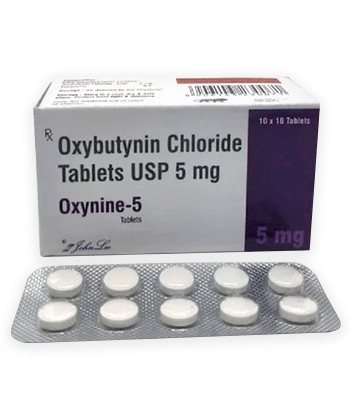
People often compare Detrol with oxybutynin, solifenacin, fesoterodine, and trospium, since they are all used for overactive bladder but differ in dosing, tolerability, and likely CNS effects.
| Drug | Usual advantage | Common drawback | Typical patient fit |
|---|---|---|---|
| Oxybutynin | Established OAB option | Can be harder to tolerate | Patients who have used it before |
| Solifenacin | Once-daily dosing | Still anticholinergic | People wanting simple dosing |
| Fesoterodine | Chemically related to tolterodine | May be limited by coverage | Patients who need another antimuscarinic |
| Trospium | Less CNS penetration | Not always first choice on formularies | Some older adults or higher-risk patients |
A simple pros and cons checklist usually helps: once-daily convenience, dry mouth risk, cost, and age-related suitability.
That is the kind of individualized decision Canadian prescribers and pharmacists make together with the patient.
No single medicine is best for everyone, especially when cognition risk, constipation, and multiple prescriptions are part of the picture.
Canadian Patient Questions About Detrol
People usually want the short version first, so here it is.
Is Detrol available in Canada, and do I need a prescription? Yes, it is available in Canada and it is prescription-only.
What is the difference between Detrol and Detrol LA? Detrol is usually immediate-release and taken twice daily, while Detrol LA is extended-release and taken once daily.
How long does tolterodine take to work? Response is often checked after a few weeks, and ongoing benefit should be reassessed regularly.
Can I drink coffee or alcohol while taking it? Coffee may worsen urgency, and alcohol may worsen dizziness or sleepiness, so both should be reviewed with the pharmacist.
Is generic tolterodine the same as Detrol? The active ingredient is the same, but the packaging, appearance, and manufacturer may differ.
Guidelines For Proper Use: Canadian Pharmacist Advice And Practical Counselling
How can someone get the best result and avoid stopping too early?
The main point is consistency.
- Take tolterodine exactly as prescribed and at the same time each day.
- Do not double a dose after a missed one.
- Avoid driving or operating machinery if dizziness or sleepiness appears.
- Limit alcohol if it worsens side effects.
- Reassess after 2 to 4 weeks if benefit is unclear.
Dry mouth is common, so water, sugar-free gum, and good oral hygiene can make a real difference.
Constipation prevention should also be discussed early, because patients often stop the medicine when bowel changes become bothersome.
- Trouble urinating
- Get checked promptly, because tolterodine is not for acute urinary retention.
- Severe eye pain
- Seek urgent care, especially with glaucoma symptoms.
- Fast heartbeat or confusion
- Contact a clinician quickly, as these may be warning signs of toxicity or excess anticholinergic effect.
- Allergic reaction
- Stop the medicine and get emergency help if swelling, rash, or breathing trouble appears.
Pharmacists at major chains and independent pharmacies can help with substitution questions, refill timing, and provincial plan issues.
Delivery Across Canada (English)
| City | Region | Delivery time |
|---|---|---|
| Toronto | Ontario | 5-7 days |
| Ottawa | Ontario | 5-7 days |
| Mississauga | Ontario | 5-7 days |
| Hamilton | Ontario | 5-7 days |
| London | Ontario | 5-7 days |
| Montreal | Quebec | 5-7 days |
| Quebec City | Quebec | 5-7 days |
| Calgary | Alberta | 5-7 days |
| Edmonton | Alberta | 5-7 days |
| Vancouver | British Columbia | 5-7 days |
| Surrey | British Columbia | 5-9 days |
| Winnipeg | Manitoba | 5-7 days |
| Halifax | Nova Scotia | 5-7 days |
| St. John's | Newfoundland and Labrador | 5-9 days |
| Saskatoon | Saskatchewan | 5-9 days |