
Hydroquinone
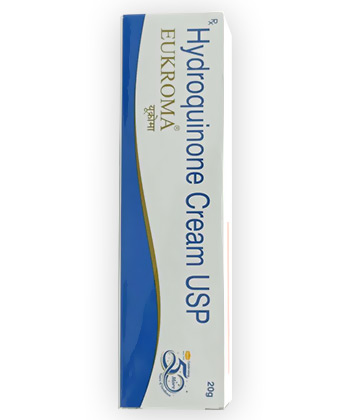
Hydroquinone
- In our pharmacy, hydroquinone may be available without a prescription in some regions, while in many regulated markets it is prescription-only for strengths above 2%. Availability depends on local laws and current regulatory status in Canada and other countries.
- Hydroquinone is used to treat melasma, hyperpigmentation, lentigines, age spots, and post-inflammatory hyperpigmentation. It works by inhibiting tyrosinase, a key enzyme in melanin production, which helps lighten darkened skin areas.
- The usual dose is to apply a thin layer of 2% to 4% cream once or twice daily to the affected area, for up to 2 to 4 months, depending on the condition and response.
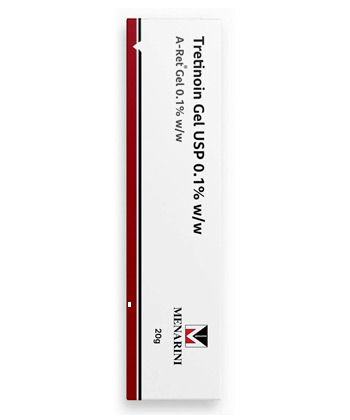
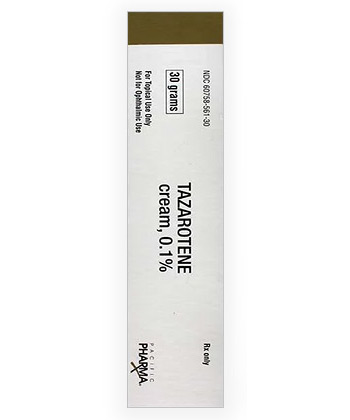
- The form of administration is topical, most commonly as a cream; it may also be found as a gel or lotion, and sometimes in combination creams with tretinoin or corticosteroids.
- The effect usually begins gradually, often within 4 to 8 weeks of consistent use.
- The duration of action lasts as long as the product is used regularly; treatment is typically limited to 2 to 6 months to reduce the risk of irritation and long-term side effects.
- Avoid heavy alcohol use if your skin is irritated, because alcohol can worsen dryness, stinging, and skin sensitivity. Topical hydroquinone itself has no major direct alcohol interaction, but alcohol may aggravate side effects.
- The most common side effect is mild skin irritation, such as redness, burning, stinging, dryness, or peeling.
- Would you like to try hydroquinone without a prescription?
Latest Research Highlights On Hydroquinone
For melasma, post-inflammatory hyperpigmentation, and solar lentigines, hydroquinone still sits near the top of dermatology treatment discussions in 2022 to 2025 studies.
That matters in Canadian practice because topical hydroquinone remains a benchmark depigmenting agent, even though irritation and exogenous ochronosis limit long-term use.
Recent evidence continues to support topical hydroquinone 4% for epidermal pigmentation, especially when paired with daily sun protection and reassessment after a short course.
At the same time, newer comparisons suggest azelaic acid, tretinoin, and tranexamic acid can offer similar pigment improvement for some patients with better tolerability, especially when sensitive skin is a concern.
| Recent Study Theme | Clinical Takeaway |
|---|---|
| Melasma relapse after summer sun exposure | Hydroquinone remains effective, but sunscreen and short treatment cycles are essential. |
| Post-inflammatory hyperpigmentation after acne | Topical hydroquinone can fade epidermal pigment, but response is slower if inflammation continues. |
| Lentigines and age spots | Improvement is often seen within weeks, with reassessment before prolonged use. |
| Comparative tolerability studies | Azelaic acid and tranexamic acid may be gentler for patients who cannot tolerate hydroquinone. |
Data highlights. Long-term or unsupervised use is discouraged because irritation, allergic contact dermatitis, and rare ochronosis are the main safety concerns.
Data highlights. In Canada, access depends on whether the product is prescription hydroquinone and whether a DIN is assigned, which can differ from the US where low-strength products have historically been easier to obtain in some settings.
Data highlights. For Canadian dermatology and pharmacy counselling, the practical message is simple: use hydroquinone for a limited duration, monitor the skin closely, and reassess rather than continuing indefinitely.
Basic Hydroquinone Information
- INN (International Nonproprietary Name): Hydroquinone
- Brand names available in Canada (English): Eldoquin, Lustra, Melanex, Melquin
- ATC Code: D11AX11
- Forms & dosages: Cream 2%, 4%, 5%; gel 2%, 4%; lotion 2%, 4%; combination products with tretinoin, corticosteroids, or sunscreen
- Manufacturers in Canada (English): Valeant, Brinton, Obagi
- Registration status in Canada (English): Prescription status and DIN-based access vary by product and province; availability can differ by formulation and local pharmacy sourcing
- OTC / Rx classification: Prescription in most regulated markets for 2% to 4% strengths and higher; OTC status for 2% or less in some regions
Clinical Effectiveness In Canada
People often ask whether hydroquinone cream actually works, especially after seeing fast promises online.
In Canadian dermatology-led care, the answer is that it works best for epidermal pigment, not deeper dermal staining.
Melasma, post-inflammatory hyperpigmentation, and age spots can all respond, but results depend on regular use, strict sun protection, and stopping the trigger for new pigment.
Patients usually notice early change in colour within several weeks, with fuller fading taking longer when the patch is darker or the skin keeps getting UV exposure.
In practice, a hydroquinone prescription is often paired with a sunscreen plan, because no depigmenting agent does well when summer sun, reflected light, or tanning continues.
- Works best: Epidermal melasma, acne-related dark marks, and discrete lentigines.
- Works less well: Deep dermal pigmentation, inconsistent use, and ongoing sun exposure.
- Works poorly: Inflamed, broken, or irritated skin where treatment has to be paused.
| Province-related access consideration | Practical note |
|---|---|
| Ontario Drug Benefit | Coverage may depend on indication and product listing. |
| BC PharmaCare | Some products may need special review or may not be routinely covered. |
| RAMQ | Coverage rules can be strict and indication-specific. |
| Private pay | Common when the request is cosmetic rather than medically documented. |
For patients who have seen US content and ask for “hydroquinone cream 4%,” the Canadian answer is usually more regulated and more pharmacist-involved.
Indications & Expanded Uses
What is hydroquinone for in a real Canadian prescription, beyond social media skin-lightening talk?
Its main role is medical management of pigment problems under supervision.
- Melasma
- Used for facial hyperpigmentation that often worsens with sun exposure and hormonal shifts.
- Post-inflammatory hyperpigmentation
- Used for dark marks left after acne, eczema, or other inflammation.
- Lentigines
- Used for sun-related age spots and other localized brown patches.
- Uneven skin tone under medical supervision
- Used when a clinician judges that depigmenting treatment is appropriate.
Common regimens use 2 to 4 percent cream once or twice daily, usually with reassessment after 2 to 4 months.
Combination therapy may include tretinoin and a corticosteroid in refractory cases, but that approach is not the first stop for most patients.
- Off-label use should stay within dermatology supervision.
- Cosmetic skin lightening raises ethical and safety concerns.
- Post-inflammatory hyperpigmentation from acne scarring often improves faster when acne control is also addressed.
Composition & Brand Landscape
Patients often think the brand matters more than the active ingredient, but the chemistry is the same.
Hydroquinone, also known as benzene-1,4-diol, is the active ingredient, and its ATC code is D11AX11.
Depending on source and packaging, Canadians may see cream, hydroquinone gel, lotion, or a combination product.
Brand names and packaging can vary by supplier, and bilingual labelling is common enough to matter for safe use and clear directions.
| Brand | Form | Common Strength | Notes |
|---|---|---|---|
| Eldoquin | Cream | 2%, 4% | Common global brand example. |
| Lustra | Cream | 2%, 4% | Used in North American markets. |
| Melanex | Cream | 2%, 4% | May appear in imported supply chains. |
| HQderm | Cream | 2%, 4%, 5% | Regional market example. |
Data highlights. The most common strengths are hydroquinone cream 2% and hydroquinone 4%, with 5% appearing in some markets.
Data highlights. Patients can ask a pharmacy to verify the DIN when one is assigned, which helps confirm the exact product being dispensed.
Contraindications & Special Precautions
Before starting hydroquinone, the skin has to be ready for it.
That sounds simple, but it matters because broken, sunburned, or eczema-prone skin is much more likely to react badly.
- Known allergy or hypersensitivity to hydroquinone or excipients.
- Eczema, broken skin, or recent sunburn on the treatment area.
- Pregnancy or breastfeeding unless a specialist directs treatment.
- Chronic inflammatory skin disease near the application site, such as psoriasis or atopic dermatitis.
- Previous allergic reaction to similar topical agents such as phenols or resorcinol.
- History of vitiligo, because depigmentation may worsen.
| Absolute | Relative |
|---|---|
| Allergy, broken skin, recent sunburn, pregnancy or breastfeeding without specialist oversight | Sensitive skin, inflammatory skin disease, prior reaction to similar agents, vitiligo history |
Canadian patients in rural or remote areas may have fewer follow-up visits available, so the risk of prolonged unsupervised use is higher.
That is especially important in communities where access barriers can delay dermatology review and where hydroquinone safety counselling has to be very clear from the start.
Safety reminder. Exogenous ochronosis is rare, but it is the reason long-term, high-strength use is not a casual decision.
Dosage Guidelines
How do patients actually use hydroquinone cream without overdoing it?
The usual approach is simple, but precision matters.
| Condition | Typical Strength | Frequency | Duration |
|---|---|---|---|
| Melasma, hyperpigmentation | 2% to 4% cream | 1 to 2 times daily | 2 to 4 months, then review |
| Lentigines, age spots | 2% to 4% cream | Once daily | Until fading, maximum 3 months |
| Post-inflammatory hyperpigmentation | 2% to 4% cream | 1 to 2 times daily | 2 to 6 months, reassess efficacy |
- Cleanse and dry the affected area.
- Apply a thin layer only to the darkened skin.
- Avoid the eyes, lips, and mucous membranes.
- Use SPF 30+ every day during and after treatment.
- If a dose is missed, apply it when remembered unless the next dose is near.
Use in children under 12 years has not been established, and older adults may be more sensitive even without a formal dose change.
There is no formal dose adjustment for liver or kidney impairment, but caution is sensible and dermatology input may be needed.
Data highlights. If too much is applied, wash off the excess and watch for irritation.
Data highlights. If hydroquinone is swallowed or used over a very large skin area inappropriately, urgent medical help is needed because serious toxicity can occur.
Interactions Overview
Most interaction problems with hydroquinone are skin-related, not food-related.
That is good news for patients, but it also means the real risks are often hiding in the skincare drawer.
- Topical retinoids can increase dryness and irritation.
- Acids, exfoliants, and scrubs can worsen irritant dermatitis.
- Shaving and waxing can make skin sting more after application.
- Other depigmenting creams may lead to unnecessary overlap and more side effects.
- Eye or mucous membrane exposure must be avoided, so handwashing matters after each use.
Data highlight. There are no major food interactions, but winter dryness, indoor heating, and alcohol-related dehydration can make irritation worse.
Pharmacists often spot product overlap with tretinoin, corticosteroids, and acne regimens during medication review, which can prevent a lot of avoidable redness and peeling.
Cultural Perceptions & Patient Habits
Canadian patients often describe hydroquinone as “stronger” or “more medical” than brightening serums bought over the counter.
That perception is partly true, because prescription hydroquinone is a more direct depigmenting agent and is not meant to be used casually.
People also worry about skin bleaching, cancer warnings, and whether slow progress means the product is failing.
- “Will it bleach my whole face?”
- “Why is my skin still patchy after two weeks?”
- “Is the warning label the same as a proven cancer risk?”
- “Can I order the same product I saw on a US site?”
Urban patients usually have easier access to dermatology clinics and larger pharmacy chains, while rural and northern patients may wait longer for a prescriber appointment.
In Quebec and other bilingual settings, label comprehension matters, so pharmacy counselling is often the difference between correct use and early dropout.
Patients also compare Canadian access with US online prices, but cross-border purchasing can raise authenticity and importation concerns.
For shoppers who want a discreet Canadian option, our online pharmacy carries hydroquinone without a prescription, with discreet delivery to Canada in 5 to 14 days.
Expectation vs reality. Fast results are possible, but the treatment still needs patience, sunscreen, and a clear stop date.
Availability & Pricing Patterns
Where can hydroquinone be found in Canada, and why does the answer change from one city to another?
Availability depends on Rx status, DIN assignment, and whether the product is stocked as a branded item, a generic, or a compounded preparation.
| Channel | Typical Access | Notes |
|---|---|---|
| Shoppers Drug Mart | Variable by location | Often depends on prescription and store supply. |
| Rexall | Variable by location | May require ordering or transfer from another branch. |
| Jean Coutu | Variable by province | Provincial and product-specific availability can differ. |
| London Drugs | Variable by location | Urban centres are more likely to carry or source it. |
| Online Canadian pharmacy | Broad access | Often used when local stock is limited. |
| Compounding pharmacy | Custom access | Useful when a specific strength or base is needed. |
Canadian pricing is often out of pocket when the request is cosmetic rather than medically documented.
That is different from some US situations where low-strength products may be easier to obtain, although importation rules and safety issues still matter.
For buyers searching terms like buy hydroquinone ointment online, the practical Canadian advice is to confirm the source, check the product details, and avoid questionable cross-border listings.
Comparable Medicines And Preferences
Not every patient wants hydroquinone, and not every skin type tolerates it well.
That is where alternatives come in.
| Option | Strengths | Limitations | Common Use |
|---|---|---|---|
| Azelaic acid | Often gentler, useful for acne-related pigment | May work more slowly | Melasma and post-inflammatory hyperpigmentation |
| Tretinoin | Helps cell turnover and acne | Can irritate dry or sensitive skin | Combination regimens |
| Kojic acid | Brightening option in some routines | Variable tolerability | Uneven tone |
| Arbutin creams | Familiar to patients seeking a milder option | Often slower or less predictable | Cosmetic brightening |
| Tranexamic acid | Useful in hormonally driven melasma | Needs appropriate patient selection | Melasma care |
- Choose hydroquinone when speed and evidence matter most.
- Choose azelaic acid when tolerability is the priority.
- Choose tranexamic acid when melasma seems hormonally driven and follow-up is available.
- Choose combination therapy when a clinician wants a stronger response in refractory cases.
For pregnancy, skin sensitivity, or poor access to follow-up, the gentler option is often the safer one.
Frequently Asked Questions
Is hydroquinone available in Canada without a prescription?
Availability depends on the exact product, strength, and whether it has a DIN and local regulatory status.
Many patients still need pharmacist and prescriber oversight for hydroquinone cream 4%.
How long can hydroquinone cream 4% be used?
Typical use is limited to 2 to 4 months for melasma and up to 3 months for lentigines unless a clinician reviews progress sooner.
Can hydroquinone be used during pregnancy?
It is generally avoided in pregnancy and breastfeeding unless a specialist directs treatment because controlled safety data are lacking.
Why is sunscreen needed with hydroquinone?
Without sunscreen, new pigment can keep forming and the cream may appear to “stop working.”
Is it the same as products sold in the US?
Not always.
Canadian product status, strength, packaging, and DIN assignment can differ from what US websites show.
Guidelines For Proper Use
What does safe hydroquinone use look like at the counter or in a pharmacist call?
It starts with the basics and ends with a clear stop point.
- Use only on intact skin.
- Apply a thin layer to the darkened area only.
- Wash hands after application.
- Avoid the eyes, lips, and mucous membranes.
- Use sunscreen with SPF 30 or higher every day.
- Stop and seek advice if a rash, severe irritation, or worsening discoloration develops.
- Do not continue prolonged use beyond 4 to 6 months without supervision.
Canadian patients often wait weeks for dermatology appointments, so pharmacists can help bridge that gap by reinforcing short-term use, expected response time, and warning signs.
Data highlight. Store below 25°C, protect from light and moisture, do not freeze, and keep the product in its original tightly sealed container.
Data highlight. If a DIN is available, it can be checked against the product packaging or pharmacy record for verification.
Data highlight. Stop use promptly if the skin becomes markedly inflamed, because persistent irritation raises the risk of poor tolerance and chronic problems such as ochronosis.
Delivery Across Canada (English)
| City | Region | Delivery time |
|---|---|---|
| Toronto | Ontario | 5-7 days |
| Ottawa | Ontario | 5-7 days |
| Hamilton | Ontario | 5-7 days |
| London | Ontario | 5-7 days |
| Montreal | Quebec | 5-7 days |
| Quebec City | Quebec | 5-7 days |
| Calgary | Alberta | 5-7 days |
| Edmonton | Alberta | 5-7 days |
| Winnipeg | Manitoba | 5-7 days |
| Vancouver | British Columbia | 5-7 days |
| Victoria | British Columbia | 5-7 days |
| Halifax | Nova Scotia | 5-7 days |
| Saskatoon | Saskatchewan | 5-9 days |
| St. John's | Newfoundland and Labrador | 5-9 days |
| Charlottetown | Prince Edward Island | 5-9 days |