Irbesartan
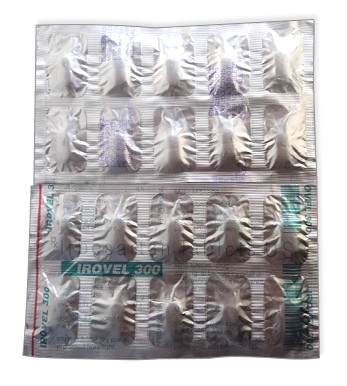
Irbesartan
- In our pharmacy, you can buy irbesartan without a prescription, with delivery across Canada and discreet packaging; note that in most regulated markets irbesartan is normally a prescription-only medicine.
- Irbesartan is used to treat hypertension and diabetic nephropathy; it is an angiotensin II receptor blocker (ARB) that selectively antagonizes the AT1 receptor, reducing vasoconstriction and aldosterone-mediated sodium and water retention.
- The usual dose for adults is 150 mg once daily (initial), titrated to a maximum of 300 mg once daily; some patients may start at 75 mg if volume-depleted; for diabetic nephropathy dosing is similar and fixed-dose combos with hydrochlorothiazide (e.g., 150/12.5 mg, 300/25 mg) are also used.
- Administration is oral, as tablets (commonly 75 mg, 150 mg, and 300 mg) or fixed-dose combination tablets with hydrochlorothiazide.
- Onset of effect begins within 1–2 hours after dosing, with measurable blood-pressure reduction within the first day and more pronounced clinical effects over 1–2 weeks.
- Duration of action is approximately 24 hours (suitable for once-daily dosing); the elimination half-life is around 11–15 hours.
- Avoid excessive alcohol while taking irbesartan because alcohol can increase dizziness and the blood-pressure–lowering effect; use caution and do not drink large amounts.
- The most common side effect is dizziness; other frequent effects include fatigue, nausea, back pain, upper respiratory infections, and laboratory changes such as increased potassium or altered renal function.
- Would you like to try irbesartan without a prescription?
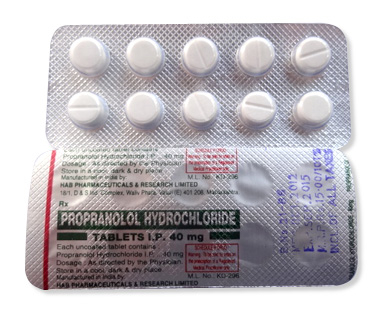
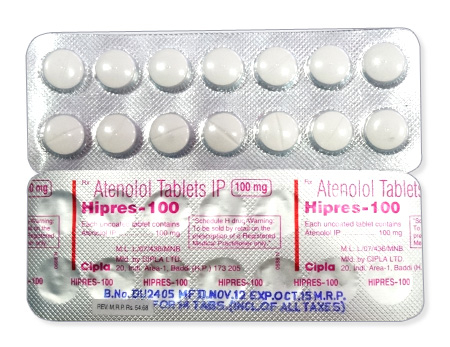
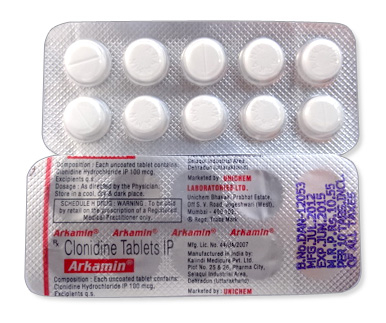
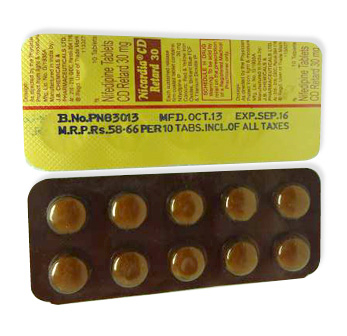
Basic Irbesartan Information
- INN (International Nonproprietary Name): Irbesartan
- Brand Names Available In Canada (English): Avapro (marketed in Canada), with tablet strengths commonly 75 mg, 150 mg and 300 mg.
- ATC Code: C09CA04
- Forms & Dosages: Tablets 75 mg, 150 mg, 300 mg; fixed‑dose combinations with hydrochlorothiazide (for example 150 mg/12.5 mg and 300 mg/25 mg).
- Manufacturers In Canada (English): Global brand and generic manufacturers include Sanofi (Avapro), Teva, Zentiva, Sandoz and other generics; local supplier listings vary by pharmacy chain and provincial registries.
- Registration Status In Canada (English): Approved by Health Canada and authorised for use in regulated markets.
- OTC / Rx Classification: Prescription‑only medicine (Rx) in regulated markets.
Latest Research Highlights
Worried whether the latest studies support choosing irbesartan for blood pressure or kidney protection?
Recent randomized trials and meta‑analyses from 2022–2024 continue to support class effects for angiotensin receptor blockers on cardiovascular endpoints, according to available summaries of the literature.
Analyses describe irbesartan as producing consistent blood pressure reductions versus placebo and showing non‑inferiority to some other ARBs for ambulatory blood pressure control in adult populations.
Canadian cohort studies reported improvements in albuminuria for people with diabetic nephropathy treated with irbesartan at doses of 150–300 mg daily, with safety monitoring for hyperkalaemia and renal function emphasised.
Health Canada advisories and post‑marketing surveillance recommend ongoing monitoring for serum potassium and creatinine, particularly in high‑risk groups.
| Trial/Analysis | Population | Primary Endpoint | Key Results |
|---|---|---|---|
| Randomized Trials (2022–2024) | Adults With Hypertension | Ambulatory And Clinic Blood Pressure | Irbesartan showed consistent BP reduction versus placebo and non‑inferiority to selected ARBs. |
| Meta‑Analyses (2022–2024) | Mixed Adult Populations | Cardiovascular Outcomes | ARB‑class benefits maintained; supports cardiovascular risk reduction across class. |
| Canadian Cohort Studies | Adults With Diabetic Nephropathy | Albuminuria Reduction | Reduced albuminuria at 150–300 mg daily; renal monitoring recommended. |
| Ongoing Registry Analyses (To 2025) | Elderly Cohorts, Real‑World Registries | Long‑Term Renal Outcomes And Comparative Effectiveness | Analyses underway comparing irbesartan with telmisartan and valsartan in older adults. |
- Study takeaway: irbesartan is effective for systolic and diastolic BP lowering and has evidence for renal benefit in diabetic nephropathy at 150–300 mg daily.
- Study takeaway: monitor potassium and renal function per Health Canada guidance and provincial protocols.
- Study takeaway: real‑world Canadian data show older, multimorbid patients are typical study participants; more inclusive trials are recommended.
- Study takeaway: fixed‑dose irbesartan/hydrochlorothiazide combinations are widely used for CV risk management when diuretic use is indicated.
Clinical Effectiveness In Canada
Wondering if irbesartan is a good, practical choice in Canadian primary care?
Health Canada authorises irbesartan for the treatment of hypertension and for diabetic nephropathy, and post‑marketing vigilance in Canada has shown an adverse event profile consistent with international experience.
Comparative effectiveness reviews in Canadian primary care settings report that irbesartan produces systolic and diastolic blood pressure reductions similar to losartan and valsartan at equivalent doses.
Access and coverage vary by province, and clinicians typically check provincial formularies to confirm patient coverage and any preferred product listings.
- DIN: Drug Identification Number — unique product identifier assigned in Canada; check at dispensing.
- Formulary Status: Listing and reimbursement depend on provincial cost‑effectiveness and generic availability.
- PMAR: Post‑Market Adverse Reaction reporting — routine mechanism for safety monitoring in Canada.
- Step for clinicians: confirm product DIN and strength when writing a prescription so the pharmacist can determine coverage.
- Step for clinicians: consult Ontario Drug Benefit, BC PharmaCare, RAMQ or other provincial formularies for listing rules.
- Step for clinicians: advise patients about generic interchangeability and likely copay differences at chains such as Shoppers Drug Mart or Jean Coutu.
Indications & Expanded Uses
Is irbesartan limited to blood pressure, or is it useful for kidney protection too?
Product monographs and regulatory approvals support irbesartan for adult hypertension and for reducing progression of diabetic nephropathy, aligning with Health Canada authorisation.
Evidence for heart‑failure morbidity or mortality benefit with irbesartan is less robust than that for some ACE inhibitors or other ARBs, so off‑label use in heart failure is cautious and typically specialist‑led.
- Approved Indication: Hypertension and diabetic nephropathy in adults (per product monograph and Health Canada authorisation).
- Off‑Label: Situational use in other cardiovascular indications may occur but should be based on clinician judgement and specialist advice.
| Approved (Canada) | Common Off‑Label Uses |
|---|---|
| Hypertension; Diabetic Nephropathy (adults) | Individualised use in selected cardiovascular conditions under specialist care; paediatric use not recommended. |
Note: children under 18 are not recommended for routine use, and prescribers in Canada defer to specialists for paediatric cases.
Also note that bilingual labelling and informed consent documents are recommended for francophone and Indigenous patients to promote shared decision‑making and cultural safety.
Composition & Brand Landscape
Which brands and strengths should patients expect to see on the pharmacy shelf in Canada?
Irbesartan as an INN is available in tablets of 75 mg, 150 mg and 300 mg, and in fixed‑dose combinations with hydrochlorothiazide such as 150 mg/12.5 mg and 300 mg/25 mg per product monographs.
Major brand and generic manufacturers include Sanofi (Avapro), Teva, Zentiva and Sandoz, with multiple generic labels marketed in Canada.
| Brand | Manufacturer | Typical DIN |
|---|---|---|
| Avapro | Sanofi | Not specified (check provincial DIN database) |
| Apo‑Irbesartan | Apo‑Pharma (generic label) | Not specified (check provincial DIN database) |
| Sandoz Irbesartan | Sandoz | Not specified (check provincial DIN database) |
- Practical point: check the DIN at dispensing to confirm exact product and strength.
- Practical point: ask the pharmacist about generic interchangeability if cost is a concern.
- Practical point: blister packaging commonly comes in 14, 28 or 30 tablet strips and storage below 25 °C is recommended.
Contraindications & Special Precautions
What safety checks matter before starting irbesartan?
Absolute contraindications include hypersensitivity to irbesartan or excipients, pregnancy (fetotoxic risk in the second and third trimesters), severe hepatic impairment and concomitant use with aliskiren in patients with diabetes.
Relative warnings include renal artery stenosis, severe renal impairment, hyperkalaemia risk, volume depletion and caution when combining with ACE inhibitors or other ARBs.
- Assess Before Start: blood pressure, serum electrolytes (potassium), creatinine/eGFR, and a medication review for interacting agents.
- Urgent Stop Triggers: confirmed pregnancy, severe hyperkalaemia, or acute renal injury.
Elderly patients, people with diabetes, chronic kidney disease and some Indigenous communities with higher CKD prevalence require closer monitoring and culturally safe counselling about risks and lab follow‑up.
Pharmacists play a key role confirming pregnancy status, checking OTC potassium sources and advising about remote lab access for rural patients.
Dosage Guidelines
How is irbesartan typically started and titrated for adults?
For adult hypertension, a common initial dose is 150 mg once daily with a maximum of 300 mg once daily, and some volume‑depleted patients may start at 75 mg daily.
For diabetic nephropathy, doses of 150–300 mg daily are typical, titrated to effect and tolerance.
| Indication | Initial Dose | Maximum Dose | Special Notes |
|---|---|---|---|
| Hypertension (Adults) | 150 mg once daily (75 mg if volume‑depleted) | 300 mg once daily | Once‑daily dosing; adjust for symptomatic hypotension or renal impairment. |
| Diabetic Nephropathy | 150 mg once daily | 300 mg once daily | Titrate as tolerated; monitor albuminuria and renal function. |
- Administration tip: take at the same time each day, with or without food.
- Missed dose: take as soon as remembered if only a few hours have passed; do not double the next dose.
Renal and hepatic impairment guidance indicates no routine dose adjustment for mild‑to‑moderate impairment, but severe renal impairment (CrCl <20 ml/min) warrants caution and closer monitoring.
Baseline and periodic monitoring of creatinine, eGFR and potassium is recommended, with more frequent checks for elderly or CKD patients per provincial guidance.
Interactions Overview
Which prescription drugs, OTC medicines or supplements should patients avoid with irbesartan?
Irbesartan interacts with potassium‑raising agents such as potassium supplements and salt substitutes, with NSAIDs which may reduce antihypertensive effect or worsen renal function, and with concurrent ACE inhibitors or other ARBs which increase risks of renal dysfunction and hyperkalaemia.
| Drug / Agent | Nature Of Interaction | Management |
|---|---|---|
| Potassium Supplements / Salt Substitutes | Increases risk of hyperkalaemia | Avoid or monitor serum potassium regularly. |
| NSAIDs (ibuprofen, naproxen) | May reduce renal perfusion and blunt antihypertensive effect | Limit use; monitor renal function if chronic NSAID use required. |
| ACE Inhibitors / Other ARBs | Increased risk of renal dysfunction and hyperkalaemia | Avoid routine combination; monitor closely if used together. |
Pharmacists should perform medication reconciliation that includes herbal and naturopathic products, and counsel patients on safe OTC choices during cold/flu season.
Cultural Perceptions & Patient Habits
What worries do Canadian patients bring up about blood pressure medicines like irbesartan?
Patients commonly raise affordability, simple once‑daily dosing, and the availability of bilingual information as priorities when choosing a blood pressure medicine.
Online forums and local surveys indicate symptoms such as dizziness and questions about switching brands or generics are frequent, and adherence often ties to copay levels and pharmacy access.
- Common patient concerns: cost of medication, lab travel burden for monitoring, ability to speak in preferred language (English or French).
- Counselling prompts: explain generic interchangeability, discuss cost‑saving options such as generic brands, and plan lab access for rural patients.
Indigenous and remote communities may require culturally safe care approaches, community‑engaged resources and coordination with local health centres to reduce travel for blood tests.
Major pharmacy chains such as Shoppers Drug Mart and Jean Coutu often provide extended hours, mail‑order and blister packaging options that help with adherence for people who work irregular hours or live remotely.
Availability & Pricing Patterns
How easy is it for Canadians to get irbesartan, and what will it typically cost?
Irbesartan products including Avapro and multiple generics are available through major Canadian pharmacy chains and independent pharmacies, with price variability based on brand, generic competition and provincial formulary listings.
Provincial drug plans such as Ontario Drug Benefit, BC PharmaCare and RAMQ have distinct listing rules that influence which manufacturer or strength is preferred and what patients pay out‑of‑pocket.
| Chain | Typical Cash Price Range | Provincial Coverage Notes |
|---|---|---|
| Shoppers Drug Mart | Varies by brand and strength (check in‑store) | Coverage depends on DIN and provincial formulary listings |
| Jean Coutu | Varies by brand and strength (check in‑store) | Coverage depends on DIN and provincial formulary listings |
| London Drugs | Varies by brand and strength (check in‑store) | Coverage depends on DIN and provincial formulary listings |
Patient tip: ask the pharmacist about generic substitution to reduce copays, and compare mail‑order or blister packaging options for rural delivery.
Note that although Health Canada classifies irbesartan as prescription‑only, in our online pharmacy irbesartan is available without a prescription, with discreet delivery to Canada (English) in 5‑14 days.
Comparable Medicines And Preferences
Should irbesartan be preferred over other ARBs or an ACE inhibitor for a given patient?
Other ARBs available in Canada include losartan, valsartan, candesartan, olmesartan and telmisartan, and ACE inhibitors such as ramipril and enalapril remain common alternatives.
Systematic reviews show class effects for blood pressure lowering, and agent selection usually depends on side effect profile, renal outcome data, dosing convenience and formulary status.
| Irbesartan | Key Comparator Notes |
|---|---|
| Good evidence for diabetic nephropathy and once‑daily dosing convenience. | Losartan: additional uricosuric effect may benefit gout patients; Valsartan: formulary and cost differences influence choice. |
- When To Prefer Irbesartan: evidence for renal protection in diabetic nephropathy, once‑daily dosing and tolerability profile.
- When To Prefer An Alternative: specific comorbidities, known patient response, or provincial formulary restrictions and cost considerations.
After switching between branded and generic products pharmacists should counsel patients and monitor blood pressure closely to ensure continued control and adherence.
FAQ Section
Have quick questions about safety, coverage or lab monitoring for irbesartan?
-
Q: Is irbesartan covered by provincial drug plans?
A: Coverage depends on the province and the exact product DIN; check Ontario Drug Benefit, BC PharmaCare or RAMQ and ask the pharmacist to verify the DIN and formulary status. -
Q: Can I take potassium supplements or salt substitutes?
A: Not without clinician approval due to the risk of hyperkalaemia; if required, monitor serum potassium regularly. -
Q: What if I become pregnant while taking irbesartan?
A: Stop immediately and contact the treating provider — irbesartan is fetotoxic in the second and third trimesters and is contraindicated in pregnancy. -
Q: Are generics as effective as Avapro?
A: Generics approved in Canada meet bioequivalence standards; pharmacists can explain interchangeability and confirm the DIN. -
Q: How often will I need blood tests after starting?
A: Baseline and within 1–2 weeks after initiation or dose change, then periodic checks (more frequent if CKD or elderly) per clinician guidance.
Guidelines For Proper Use
What practical steps keep therapy safe and effective for patients taking irbesartan?
Baseline assessment should include blood pressure, serum electrolytes (potassium), creatinine/eGFR and a full medication reconciliation for interacting drugs.
Follow‑up within 1–2 weeks after starting or changing dose is recommended, with ongoing periodic monitoring tailored to comorbidity and renal function.
- Counselling checklist: confirm prescription details and DIN, offer counselling in English or French, review missed‑dose instructions and OTC medication risks (NSAIDs, potassium supplements).
- Monitoring timetable: baseline, 1–2 weeks after start or change, 3 months, then annually or as clinically indicated.
Advise patients to store irbesartan in the original packaging below 25 °C and to seek urgent care for severe dizziness, fainting or signs of acute kidney injury.
Pharmacists should arrange remote lab access or coordinate with local health centres for rural patients, and consider blister packs or multi‑month dispensing where appropriate and permitted.
Delivery Across Canada (English)
| City | Region | Delivery Time |
|---|---|---|
| Toronto | Ontario | 5-7 days |
| Montreal | Quebec | 5-7 days |
| Vancouver | British Columbia | 5-7 days |
| Calgary | Alberta | 5-7 days |
| Edmonton | Alberta | 5-7 days |
| Ottawa | Ontario | 5-7 days |
| Winnipeg | Manitoba | 5-7 days |
| Quebec City | Quebec | 5-7 days |
| Halifax | Nova Scotia | 5-7 days |
| Victoria | British Columbia | 5-7 days |
| Hamilton | Ontario | 5-9 days |
| London | Ontario | 5-9 days |
| Saskatoon | Saskatchewan | 5-9 days |
| Regina | Saskatchewan | 5-9 days |