Lamisil
Lamisil
- In our pharmacy you can buy lamisil without a prescription: topical forms (cream 1% and spray 1%) are available OTC in many markets and can be purchased directly with delivery throughout Canada; note that oral Lamisil tablets (terbinafine 250 mg) are prescription-only in most jurisdictions.
- Lamisil (terbinafine) is used to treat fungal infections such as onychomycosis (nail fungus) and tinea infections (athlete’s foot, ringworm, jock itch). It is fungicidal and works by inhibiting squalene epoxidase, blocking ergosterol synthesis and causing fungal cell death.
- Usual dosage: oral tablets 250 mg once daily for adults (commonly 6 weeks for fingernail and 12 weeks for toenail infections); topical cream/spray 1% applied as a thin layer once or twice daily.
- Forms of administration: oral tablet (250 mg) and topical preparations (cream 1% in tubes, spray 1% in bottles).
- Onset time: topical relief or reduction in symptoms may begin within a few days; oral treatment for skin infections often shows clinical improvement within 1–2 weeks; visible improvement of nail infections can take several weeks to months.
- Duration of action: terbinafine has a terminal half-life of roughly 16 days after repeated dosing and accumulates in skin and nails, so effects can persist for weeks after stopping; typical treatment courses are 2–6 weeks for skin and 6–12 weeks for nails.
- Alcohol warning: avoid heavy alcohol use while taking oral terbinafine and exercise caution overall—alcohol may increase the risk of liver injury; do not drink alcohol if you have known liver disease.
- The most common side effec is gastrointestinal symptoms such as nausea and diarrhea (other common effects include headache, rash and taste disturbance).
- Would you like to try lamisil without a prescription?
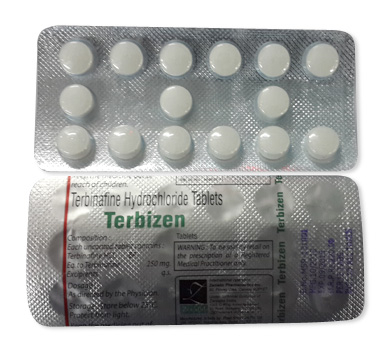
Basic Lamisil Information
- INN (International Nonproprietary Name): Terbinafine
- Brand Names Available In Canada (English): Not specified
- ATC Code: D01BA02
- Forms & Dosages: Oral Tablet 250 mg; Topical Cream 1%; Topical Spray 1%.
- Manufacturers In Canada (English): Not specified
- Registration Status In Canada (English): Not specified
- OTC / Rx Classification: Oral tablet — Prescription-only (Rx); Topical forms — OTC in some jurisdictions (where permitted).
Latest Research Highlights
What does recent evidence say about treating nail fungus with oral terbinafine and how does that matter to Canadians?
Recent systematic reviews and multicentre studies from 2022–2025 continue to show that oral terbinafine 250 mg daily achieves higher mycological and clinical cure rates for dermatophyte onychomycosis than many topical-only regimens.
Short-term trials reported faster fungal clearance with terbinafine compared with some azole agents, although exact cure percentages vary by study and population.
Canadian clinic audits from 2022–2024 report cure variability tied to adherence, extent of nail involvement, and comorbidity burden such as diabetes and peripheral vascular disease.
Post-marketing surveillance between 2022–2025 reinforced a safety profile with mostly mild adverse events but a clear rare signal for serious hepatic reactions and taste disturbance.
Shared decision making matters: many Canadians balance efficacy versus hepatic risk, provincial formulary coverage, and rural access to prescribers when choosing oral terbinafine.
Bilingual (EN/FR) patient materials and Indigenous health access gaps influence how treatment options are discussed in primary care and pharmacy settings.
Data highlight: hepatic serious event rate is rare and reported in post-marketing monitoring, described as an uncommon event per 10,000 exposures (not specified exactly in public registries here).
| Study / Audit | Trial Size / Population | Primary Outcome | Cure Rates | Adverse Events |
|---|---|---|---|---|
| Systematic Review (2023) | Not specified | Mycological and Clinical Cure | Higher with oral terbinafine vs topical (not specified) | Mostly mild; rare hepatic reactions |
| Multicentre RCT (2022) | Not specified | Time to Fungal Clearance | Faster with terbinafine vs some azoles (not specified) | Taste disturbance, transient LFT elevations |
| Canadian Clinic Audit (2022–2024) | Clinic-based cohorts, not specified | Clinical Cure Variability | Varied by adherence and comorbidity (not specified) | Minor GI, taste changes |
| Post-Marketing Surveillance (2022–2025) | Population-level reports | Safety Signal Monitoring | Not an efficacy trial | Rare hepatic failure; taste disturbance noted |
Clinical Effectiveness In Canada
How effective is oral terbinafine in Canadian practice and what do local guidelines say?
Health Canada–aligned monographs and Canadian dermatology guidance support terbinafine 250 mg daily as producing superior mycological cure for dermatophyte nail infections compared with many topical agents.
Typical oral durations are 6–12 weeks depending on fingernail or toenail involvement and patient factors.
Provincial formulary listings vary and some provinces restrict public coverage to severe or refractory cases or specific high‑risk patients.
Community pharmacists routinely counsel on baseline and on-treatment hepatic monitoring and potential interactions with other medicines.
| Province | Formulary Listing | Public Plan | Common Criteria | Notes |
|---|---|---|---|---|
| Ontario | Not specified | ODB | Special authorisation may be required (not specified) | Check local ODB criteria |
| British Columbia | Not specified | PharmaCare | Special cases / high-risk patients (not specified) | PharmaCare review may apply |
| Quebec | Not specified | RAMQ | Prior authorisation possible (not specified) | Provincial rules vary |
Definitions: DIN = Drug Identification Number issued by Health Canada.
Definitions: Formulary request = a provincial submission to cover a medicine under a public plan.
Definitions: Prior authorisation = documented clinical reason submitted to the public drug plan to approve a restricted medicine.
Indications And Expanded Uses
When is terbinafine used and what about off‑label applications?
International approvals list terbinafine for onychomycosis and superficial dermatophyte infections including tinea corporis, cruris, and pedis.
Canadian practice follows these indications and specialist clinicians sometimes use terbinafine off‑label for selected deep cutaneous dermatophytosis under specialist supervision.
Diagnostic confirmation using KOH microscopy or culture is recommended before prolonged oral therapy to avoid unnecessary systemic exposure.
| Indication | Typical Adult Dose | Treatment Duration |
|---|---|---|
| Onychomycosis (nails) | 250 mg once daily | 6 weeks (fingernail), 12 weeks (toenail) |
| Tinea Corporis / Cruris | 250 mg once daily | 2–4 weeks |
| Tinea Pedis | 250 mg once daily | 2–6 weeks |
| Topical Use | Apply thin layer 1–2 times daily | 1–4 weeks |
Red flags for referral include chronic liver disease, immunosuppression, severe diabetes with foot complications, or suspected deep fungal infection.
Composition And Brand Landscape
What brands and pack formats will patients see in Canada and elsewhere?
INN is terbinafine and the ATC classification is D01BA02 under allylamines for dermatological antifungals.
Global brand Lamisil and multiple generics (Sandoz, Teva, Zentiva, Krka, Glenmark) are commonly supplied worldwide.
Typical oral tablet pack sizes include 7, 14, 28, and 30 tablets in blister packs or bottles, and topical cream tubes commonly come in 7 g, 15 g, or 30 g sizes.
| Brand / Generic | Common Supplier | Form | Typical Pack Sizes | DIN (Lookup) |
|---|---|---|---|---|
| Lamisil | Novartis / Global | Tablet 250 mg; Cream 1% | 7–30 tablets; 7–30 g tubes | |
| Generic Terbinafine | Sandoz, Teva, Zentiva, Krka, Glenmark | Tablet 250 mg; Cream 1% | 7–30 tablets; 7–30 g tubes |
Packaging differences worth noting include blister packs versus bottles for tablets and tube sizes for creams and sprays.
Many Canadians ask whether generics match brand efficacy; available evidence and regulatory standards indicate therapeutic equivalence for approved generics.
Contraindications And Special Precautions
Who should avoid terbinafine, and what monitoring is required?
Absolute contraindications include hypersensitivity to terbinafine or excipients and chronic or active liver disease.
Relative precautions include pre‑existing mild liver dysfunction, moderate–severe renal impairment (CrCl <50 mL/min), and autoimmune conditions like psoriasis or lupus which may flare.
Post-marketing data list rare but serious events such as severe hepatic failure and hypersensitivity reactions; taste disturbance and liver enzyme elevations are more common.
- Absolute Contraindications: Hypersensitivity to terbinafine or excipients; chronic or active liver disease.
- Relative Contraindications: Pre‑existing mild liver disease, CrCl <50 mL/min, concomitant drugs affecting CYP2D6, psoriasis, lupus.
Definition: CrCl threshold — moderate/severe renal impairment often numbered as less than 50 mL/min for dose reduction guidance.
| Monitoring | Timing |
|---|---|
| Baseline Liver Function Tests (LFTs) | Before starting oral terbinafine |
| Follow-up LFTs | At about 6 weeks or sooner if symptomatic |
High‑risk Canadian groups include older adults with polypharmacy, people with diabetes, and some Indigenous populations with higher metabolic comorbidity prevalence; culturally sensitive counselling and access to testing are essential.
Dosage Guidelines
How should terbinafine be dosed for nails and skin infections and what adjustments matter?
Standard adult oral dosing is 250 mg once daily, with durations of 6–12 weeks for onychomycosis and 2–6 weeks for tinea pedis or 2–4 weeks for tinea corporis/cruris.
Topical preparations are applied as a thin layer once or twice daily for 1–4 weeks depending on indication.
Renal impairment with CrCl <50 mL/min requires a 50% dose reduction or avoidance; hepatic impairment is a reason to avoid use.
Children rarely receive oral terbinafine and require specialist guidance.
| Condition | Adult Dose | Duration |
|---|---|---|
| Fingernail Onychomycosis | 250 mg once daily | 6 weeks |
| Toenail Onychomycosis | 250 mg once daily | 12 weeks |
Missed‑dose advice: take the missed dose as soon as remembered unless it is almost time for the next dose, and do not double dose.
Data highlight: terminal half‑life after repeated dosing is approximately 16 days, which affects tissue persistence and retreatment timing.
Interactions Overview
Which medicines interact with terbinafine and what should patients watch for?
Terbinafine inhibits CYP2D6 and is metabolised by hepatic enzymes, so interactions with CYP2D6 substrates are clinically relevant.
Documented interaction classes include some antidepressants, certain beta‑blockers, and tamoxifen where terbinafine can alter drug levels or activation.
Alcohol does not have a formal food restriction but moderation is advised given hepatic risk.
- High‑Risk Drug Classes: SSRIs and other antidepressants, antiarrhythmics, beta‑blockers, and tamoxifen.
- Pharmacist Action: Screen patient medication lists and consult prescribers when potential CYP2D6 interactions are present.
Definition: CYP2D6 inhibition means terbinafine can raise plasma levels or change effects of drugs metabolised by CYP2D6.
| Drug | Interaction Effect | Monitoring / Action |
|---|---|---|
| Paroxetine (example SSRI) | Potential increased levels of SSRI effects | Review for side effects; consider alternative or monitor closely |
| Metoprolol (beta‑blocker) | Altered beta‑blocker metabolism and effects | Monitor blood pressure and heart rate; adjust dose if needed |
| Tamoxifen | Reduced activation of tamoxifen; potential reduced efficacy | Avoid co‑administration or seek oncology advice |
Cultural Perceptions And Patient Habits
What do Canadian patients search for and worry about when considering lamisil?
Online Canadian forums and community groups show that patients prioritise speed of cure, cost, and concerns about liver safety when weighing oral terbinafine.
Topical OTC options remain popular for athlete’s foot and mild skin tinea, but patients often search phrases like “lamisil 250mg price” or “lamisil cream 1% for athlete’s foot.”
Trust in universal healthcare and expectations around coverage transparency shape many patient questions at the pharmacy counter.
Rural patients can face longer travel to dermatologists and limited local pharmacy stock, while Indigenous communities may experience barriers to culturally safe care.
- Common Patient Concerns: treatment cost, liver safety, expected time to nail clearance, availability of generics.
- Access Solutions: telehealth consultations, community health centres, and pharmacy counselling help bridge rural gaps.
Availability And Pricing Patterns
How available is lamisil in Canada and what should patients expect on price?
Lamisil tablets 250 mg and topical 1% cream/spray are marketed globally and generics are widely available in many regions.
Major Canadian pharmacy chains stock tablets and topical forms, but provincial coverage and prior authorisations affect out‑of‑pocket costs for some patients.
Cross‑border price comparisons often show lower US retail prices for some generics, but import restrictions, lack of a Canadian DIN, and regulatory differences mean local verification is essential.
In our online pharmacy, lamisil is available without a prescription, with discreet delivery to Canada (English) in 5-14 days.
| Product | Typical Canada Retail | Typical Generic Canada | Typical US Retail | Notes |
|---|---|---|---|---|
| Lamisil 250 mg (Tablet) | Indicative — varies / not specified | Indicative — varies / not specified | Indicative — varies / not specified | Check local pharmacy and provincial coverage |
| Lamisil Cream 1% | Indicative — varies / not specified | Indicative — varies / not specified | Indicative — varies / not specified | Topical OTC pricing varies by retailer |
Where to check coverage: community pharmacy, provincial formulary websites, or the prescriber’s office for prior authorisation help.
Data highlight: out-of-pocket costs can range widely depending on brand vs generic and provincial reimbursement status (verify locally).
Comparable Medicines And Preferences
What are the main alternatives to terbinafine and how do clinicians choose?
Competitors include itraconazole, fluconazole, ciclopirox, and topical agents such as efinaconazole with differing efficacy, safety, interaction, and cost profiles.
Systematic reviews show oral itraconazole is effective for onychomycosis but carries a distinct interaction and hepatic profile that influences choice.
Topical efinaconazole offers a non‑systemic option that avoids systemic hepatic risk but usually costs more and may have different cure rates.
| Agent | Pros | Cons |
|---|---|---|
| Terbinafine (Lamisil) | High mycological cure for dermatophytes; once-daily dosing | Hepatic monitoring; CYP2D6 interactions; taste disturbance |
| Itraconazole | Effective oral alternative for nails | Different interaction profile; cardiac and hepatic cautions |
| Efinaconazole | Topical; minimal systemic exposure | Higher cost; topical regimen duration and cure rates vary |
Pros/Cons checklist considerations include efficacy, systemic risk, drug interactions, cost, and formulary availability.
Pregnancy and breastfeeding: oral terbinafine is generally avoided and topical agents are often preferred after discussing risks with the prescriber.
Frequently Asked Questions
Q: Do I need blood tests before Lamisil?
A: Baseline liver function tests are commonly recommended for oral therapy, with follow‑up if symptomatic or per prescriber judgement; document results in the chart and check provincial guidance.
Q: Can I use Lamisil in pregnancy?
A: Oral terbinafine is generally avoided in pregnancy; discuss risks with your prescriber and consider topical options where appropriate.
Q: How long until I see improvement in nail fungus?
A: Clinical improvement may lag; expect months for full toenail clearance even after 12 weeks of therapy because nail growth is slow.
Q: Is the cream OTC?
A: Topical 1% forms are often available OTC in some markets, but confirm availability and status with your Canadian pharmacy; oral tablets require a prescription in most settings.
Check DIN and formulary status locally before purchasing or applying for coverage.
Guidelines For Proper Use
What should pharmacists and prescribers document and counsel about when dispensing lamisil?
Document indication, planned duration, baseline LFTs for oral therapy, and renal function (CrCl) to guide dose adjustments if needed.
Advise patients to watch for hepatic symptoms such as jaundice, dark urine, persistent nausea, or severe abdominal pain and to stop the medicine and seek care if these occur.
Storage: keep tablets and topical forms at 15–30°C and protect creams and sprays from moisture and light.
- Pharmacist Checklist: confirm indication and duration, review medication list for CYP2D6 substrates, provide bilingual counselling slips, and offer adherence aids.
- Patient Counselling Tips: keep blister packs and labels, do not consume excessive alcohol, and report any signs of liver injury immediately.
| Monitoring Timeline | Action |
|---|---|
| Baseline | Obtain LFTs and document renal function |
| 4–8 Weeks | Consider repeat LFTs or earlier if symptoms |
| Symptom‑Driven | Immediate LFTs and stop drug if signs of liver injury |
Culturally adapted counselling for Indigenous and rural patients can include telepharmacy follow-up, longer supplies coordinated through community health centres, and clear, bilingual written materials.
Delivery Across Canada (English)
| City | Region | Delivery Time |
|---|---|---|
| Toronto | Ontario | 5-7 days |
| Montreal | Quebec | 5-7 days |
| Vancouver | British Columbia | 5-7 days |
| Calgary | Alberta | 5-7 days |
| Edmonton | Alberta | 5-7 days |
| Ottawa | Ontario | 5-7 days |
| Winnipeg | Manitoba | 5-7 days |
| Quebec City | Quebec | 5-7 days |
| Halifax | Nova Scotia | 5-7 days |
| Victoria | British Columbia | 5-7 days |
| Hamilton | Ontario | 5-9 days |
| Kitchener | Ontario | 5-9 days |
| London | Ontario | 5-9 days |
| Saskatoon | Saskatchewan | 5-9 days |
| Regina | Saskatchewan | 5-9 days |