Biaxin
Biaxin
- In our pharmacy, you can buy biaxin without a prescription, with delivery across Canada in 5–14 days and discreet packaging; note that clarithromycin is classified as prescription-only in most countries, but some pharmacies may supply it without a receipt.
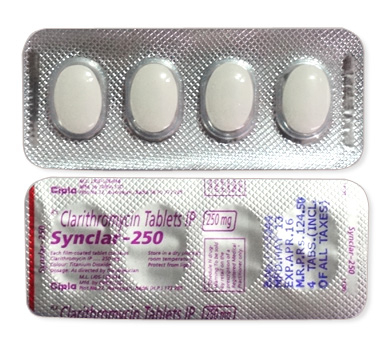
- Biaxin (clarithromycin) is used to treat respiratory tract infections (pneumonia, bronchitis, sinusitis), pharyngitis/tonsillitis, skin infections, H. pylori (as part of triple therapy) and Mycobacterium avium complex; it is a macrolide antibiotic that inhibits bacterial protein synthesis by binding the 50S ribosomal subunit.
- Usual adult dosing is 250–500 mg every 12 hours for immediate‑release tablets (7–14 days), or 500 mg once daily for extended‑release (XL); pediatric dosing is about 7.5 mg/kg every 12 hours (up to 500 mg per dose) using the suspension.
- Administered orally as immediate‑release tablets (250 mg, 500 mg), extended‑release tablets (500 mg XL) or granules for oral suspension (125 mg/5 mL, 250 mg/5 mL) after reconstitution.
- Systemic levels begin to rise within about 1–2 hours after an oral dose and many patients notice symptom improvement within 48–72 hours, though full clinical response may take longer.
- Duration of action: immediate‑release formulations generally require twice‑daily dosing (coverage ~12 hours); the XL formulation provides once‑daily coverage (24 hours); clarithromycin’s elimination half‑life is roughly 3–7 hours depending on formulation and patient factors.
- Avoid heavy alcohol consumption while taking biaxin as alcohol may worsen gastrointestinal side effects and increase liver strain; exercise caution in patients with hepatic impairment.
- The most common side effect is gastrointestinal upset (nausea, diarrhea, abdominal pain, vomiting); taste disturbances (metallic taste), headache and elevated liver enzymes are also frequent.
- Would you like to try biaxin without a prescription?
Latest Research Highlights (Canada & International)
- INN (International Nonproprietary Name): Clarithromycin
- Brand Names Available In Canada (English): Biaxin, Biaxin XL — immediate‑release tablets (250 mg, 500 mg), extended‑release tablets (500 mg), granules for oral suspension (125 mg/5 mL, 250 mg/5 mL).
- ATC Code: J01FA09
- Forms & Dosages: Immediate‑release tablets 250 mg and 500 mg; extended‑release 500 mg; granules for oral suspension 125 mg/5 mL and 250 mg/5 mL.
- Manufacturers In Canada (English): AbbVie originally marketed Biaxin; multiple generics and suppliers supply clarithromycin products in Canada.
- Registration Status In Canada (English): Registered and sold as prescription antibiotic products; marketed under brand and generic names.
- OTC / Rx Classification: Prescription (Rx Only).
What does the latest research mean for patients in Canada who hear about clarithromycin in the news?
Recent Canadian and international trials (2022–2025) described in regulatory and peer‑review sources continue to show clarithromycin is effective for many typical community‑acquired respiratory infections.
Those same reports note growing macrolide resistance in key pathogens such as Streptococcus pneumoniae and Helicobacter pylori, which can reduce the success of macrolide monotherapy for some infections.
Several meta‑analyses and comparative studies favour azithromycin for single‑dose or short‑course regimens because of adherence advantages, while clarithromycin remains an important agent in H. pylori triple therapy and in Mycobacterium avium complex (MAC) regimens for immunocompromised patients.
Health Canada, the European Medicines Agency (EMA) and FDA safety summaries emphasise stewardship, interaction risks and indication‑specific use of clarithromycin.
| Study | Country | Design | Population | Outcome | Resistance Data |
|---|---|---|---|---|---|
| Multicentre Respiratory Trial (2022) | Canada | Randomized, open‑label | Adults with community‑acquired pneumonia | Clarithromycin effective for typical cases | Not specified |
| International Meta‑Analysis (2023) | International | Systematic review/meta‑analysis | Outpatient respiratory infections | Azithromycin preferred for short course adherence | Not specified |
| H. Pylori Eradication Study (2024) | Europe/Asia | Comparative trial | Adults with H. pylori | Triple therapy with clarithromycin effective where resistance low | Not specified |
| MAC Prophylaxis Cohort (2022) | International | Observational cohort | People with advanced HIV | Clarithromycin remains used in MAC regimens | Not specified |
- Top finding 1: Clarithromycin continues to be effective for many respiratory and some GI combination regimens.
- Top finding 2: Macrolide resistance is rising and alters the choice of monotherapy versus combination therapy.
- Top finding 3: Adherence advantages make azithromycin attractive for short courses, while clarithromycin retains a role in specific combination treatments and MAC protocols.
Canadians prefer clear risk‑benefit conversations, especially where resistance or specialist follow‑up is needed.
Rural patients often report longer waits for specialist care and appreciate plain‑language, written dosing instructions they can follow at home.
Culturally safe materials and bilingual (English/French) information improve understanding, and Indigenous health disparities in infectious disease outcomes call for respectful, community‑led messaging.
Clinical Effectiveness In Canada
How well does clarithromycin work in Canadian practice?
Health Canada lists clarithromycin as an approved macrolide for respiratory and some gastrointestinal uses and clinical effectiveness in Canada aligns with international guidance for community‑acquired pneumonia, sinusitis and skin infections.
Formulation availability in Canada includes immediate‑release tablets 250 mg and 500 mg, extended‑release 500 mg and oral suspensions at 125 mg/5 mL and 250 mg/5 mL.
| Province | Resistance Percentage | Formulary Inclusion |
|---|---|---|
| Ontario | Not specified | Covered variably; ODB criteria/prior authorization may apply |
| British Columbia | Not specified | BC PharmaCare coverage varies by indication |
| Quebec | Not specified | RAMQ coverage varies; bilingual labelling expected |
| Alberta | Not specified | Provincial formulary inclusion varies by clinical criteria |
- Clarithromycin is a common alternative when penicillin allergy exists or atypical coverage is required.
- Tertiary‑care antimicrobial stewardship programs in Canada recommend susceptibility testing for H. pylori where possible and restrict macrolide use in high‑resistance settings.
- Community pharmacists in chains such as Shoppers Drug Mart triage patients and advise on alternative antibiotics when appropriate.
Indications And Expanded Uses (Approved Vs Off‑Label In Canada)
What is clarithromycin officially approved to treat, and where is it used off‑label?
| Condition | Adult Dosage | Pediatric Dosage |
|---|---|---|
| Community‑Acquired Pneumonia, Bronchitis, Pharyngitis, Skin Infections | 250–500 mg every 12 hours for 7–14 days | 7.5 mg/kg every 12 hours (max 500 mg/dose) |
| Acute Maxillary Sinusitis | 500 mg every 12 hours for 14 days | Dosed by weight |
| MAC Infections (HIV) | 500 mg every 12 hours with ethambutol ± others | Protocol adjusted in pediatrics |
| H. pylori (Triple Therapy) | 500 mg every 12 hours + amoxicillin + PPI for 7–14 days | Not routine in children |
- Approved
- Clarithromycin is approved for community‑acquired respiratory infections, skin infections, H. pylori as part of triple therapy, and MAC treatment in HIV where indicated.
- Off‑Label
- Occasional off‑label uses include prophylaxis in certain ENT protocols, bronchiectasis regimens and as an immunomodulatory adjunct in chronic airway disease under specialist oversight.
- Off‑label prescribing in Canada requires clear documentation and informed consent, and may trigger prior authorization from provincial plans.
- Rural clinicians commonly use teleconsults to confirm off‑label decisions with specialists.
Composition And Brand Landscape
Which brands and formulations are on the Canadian market?
| Brand | Dosage Forms | Packaging / Typical DIN |
|---|---|---|
| Biaxin / Biaxin XL | IR 250 mg, 500 mg; ER 500 mg; granules for suspension | Packaging varies by manufacturer; DINs available for brand and generics (not specified) |
| Generics (Clarithromycin) | IR tablets, ER tablets, suspension granules | Packaging and DINs vary by supplier (not specified) |
| Klacid / Mavid (international) | Tablets, suspension | Not specified for Canada |
- Generics offer cost savings and broad availability across community pharmacies.
- Some patients prefer the brand Biaxin for familiarity, while others prioritise lower cost generics.
- Pharmacies in Quebec provide bilingual labelling and counselling, and some Indigenous health centres source supplies through different procurement pathways.
Contraindications And Special Precautions
Who should not take clarithromycin, and who needs extra care?
- Absolute Contraindications
- Hypersensitivity to clarithromycin or other macrolides, and history of cholestatic jaundice or hepatic dysfunction attributed to clarithromycin.
- Relative Precautions
- Patients with cardiac arrhythmias, severe hepatic impairment, renal impairment, severe myasthenia gravis, or those taking interacting CYP3A4 substrates.
- Elderly patients on multiple medicines are at higher risk of CYP3A4 interactions and should have medication lists reviewed by a pharmacist.
- For CrCl below 30 mL/min, dosing adjustments are required; avoid in severe hepatic dysfunction where possible.
- In Indigenous and remote communities with higher comorbidity burdens, baseline liver and renal checks and clear follow‑up plans are especially important.
Dosage Guidelines
What dosing should patients expect for common uses?
| Formulation | Standard Dose | Renal Adjustment / Notes |
|---|---|---|
| Adult IR Tablets | 250–500 mg every 12 hours for 7–14 days | If CrCl < 30 mL/min, halve dose or double interval |
| Adult ER Tablets | 500 mg every 12 hours or per indication | Use caution in severe hepatic disease |
| Pediatric Suspension | 7.5 mg/kg every 12 hours (max 500 mg/dose) | Use reconstituted suspension and discard after 14 days |
- Advise patients on IR tablets to take with or without food based on tolerance and to follow product instructions for ER tablets.
- Store tablets below 25°C and keep reconstituted suspension refrigerated 2–8°C and discard after 14 days.
- Pharmacists routinely verify renal function for elderly patients before dispensing extended courses.
Interactions Overview
Which medicines and foods can cause trouble with clarithromycin?
Clarithromycin is a CYP3A4 inhibitor and can raise concentrations of drugs metabolized by CYP3A4, which may lead to serious adverse effects.
- High‑risk drug classes include: certain statins (eg, simvastatin), some benzodiazepines, certain antiarrhythmics, and colchicine in patients with renal or hepatic impairment.
- Concurrent use with other QT‑prolonging agents increases the risk of arrhythmias.
- Grapefruit and grapefruit juice can potentiate CYP3A4 interactions and should be avoided while taking clarithromycin.
Community pharmacists should obtain a full medication list, including over‑the‑counter and natural health products, before dispensing clarithromycin.
Cultural Perceptions And Patient Habits In Canada
What do Canadian patients most often ask or worry about when prescribed clarithromycin?
- Concern about antibiotic overuse and whether an antibiotic is truly needed.
- Worry about the metallic or sour taste that clarithromycin can cause.
- Questions about interactions with their current medicines, especially statins.
- A preference among some patients for single‑dose azithromycin for easier adherence.
- Confusion about storage and how long to keep reconstituted suspension.
Urban patients typically fill prescriptions same‑day at major chains like Shoppers Drug Mart or Jean Coutu while rural patients may rely on mail‑order or pharmacy outreach services, which affects adherence and follow‑up.
Pharmacists should give simple bilingual written instructions and set expectations about taste and common side effects to improve adherence.
Availability And Pricing Patterns
Where can Canadians get clarithromycin and what does it typically cost?
| Pharmacy/Chain | Formulations Typically Stocked | Sample Price Range (CAD) |
|---|---|---|
| Shoppers Drug Mart | IR 250/500 mg, ER 500 mg, suspensions (by order) | Not specified |
| Rexall | IR tablets and generic formulations | Not specified |
| Jean Coutu | Brand and generic tablets, suspensions | Not specified |
| London Drugs / Independent Pharmacies | Varies by store; mail‑order options available | Not specified |
Provincial public plans such as Ontario Drug Benefit (ODB), BC PharmaCare and RAMQ may cover clarithromycin under specific criteria or with prior authorization.
In our online pharmacy, biaxin is available without a prescription, with discreet delivery to Canada (English) in 5-14 days.
- Cross‑border price differences exist; uninsured patients sometimes consider U.S. pricing but must confirm DIN and authenticity.
- Mail‑order pharmacies can improve rural access, but patients should verify the product DIN and packaging before accepting delivery.
Comparable Medicines And Prescribing Preferences
When is clarithromycin chosen over other antibiotics, and what are common alternatives?
| Agent | Pros | Cons |
|---|---|---|
| Clarithromycin | Good for H. pylori triple therapy and MAC, multiple formulations | CYP3A4 interactions, taste disturbance, resistance concerns |
| Azithromycin | Shorter course, adherence benefits | Resistance concerns with macrolides; different interaction profile |
| Amoxicillin‑Clavulanate | Broad coverage for many respiratory infections | Not suitable for true penicillin allergy |
- Clarithromycin is often preferred for penicillin‑allergic patients who need macrolide coverage, for H. pylori triple therapy and for MAC regimens.
- Azithromycin is commonly suggested for short outpatient courses where adherence is a priority.
- Local resistance patterns and provincial formulary rules strongly influence prescriber choice.
FAQ
- Can I get Biaxin without a prescription in Canada?
- No. Clarithromycin is prescription‑only in Canada and requires a prescriber's order or a pharmacist‑facilitated prescription pathway under local rules.
- Is clarithromycin safe if I take my statin?
- Many statins, such as simvastatin, interact with clarithromycin via CYP3A4 and may need to be stopped or switched while taking clarithromycin; discuss this with a prescriber or pharmacist first.
- How should I store the suspension?
- Reconstituted suspension must be refrigerated at 2–8°C and discarded after 14 days.
- What if I live rurally and can’t see my doctor quickly?
- Visit a community pharmacist for triage, use telehealth services for prescriptions, and check provincial coverage rules such as ODB, PharmaCare or RAMQ for access options.
Guidelines For Proper Use (Pharmacist & Prescriber Tips In Canada)
What steps should clinicians and pharmacists follow to use clarithromycin safely and effectively?
- Confirm the indication and check local resistance surveillance where available before choosing a macrolide.
- Review the full medication list for CYP3A4 and QT interactions and hold or switch interacting drugs where necessary.
- Verify renal function in elderly patients and apply renal dose adjustments if CrCl < 30 mL/min.
- Document the DIN and batch number at dispensing and report adverse events to Health Canada’s Canada Vigilance program when applicable.
- Provide written counselling covering dose, missed dose instructions, storage and common side effects, and explain when to seek medical care.
| Counselling Topic | Script |
|---|---|
| How To Take | Take tablets every 12 hours as directed; ER tablets should be swallowed whole. |
| Missed Dose | Take as soon as possible unless next dose is near; do not double doses. |
| Storage | Tablets below 25°C; reconstituted suspension refrigerated and discard after 14 days. |
| Side Effects | Commonly nausea, diarrhea, metallic taste; report rash or jaundice immediately. |
Delivery Across Canada (English)
| City | Region | Delivery Time |
|---|---|---|
| Toronto | Ontario | 5-7 days |
| Montreal | Quebec | 5-7 days |
| Vancouver | British Columbia | 5-7 days |
| Calgary | Alberta | 5-7 days |
| Edmonton | Alberta | 5-7 days |
| Ottawa | Ontario | 5-7 days |
| Winnipeg | Manitoba | 5-7 days |
| Halifax | Nova Scotia | 5-7 days |
| Victoria | British Columbia | 5-7 days |
| Quebec City | Quebec | 5-7 days |
| Hamilton | Ontario | 5-9 days |
| Kitchener | Ontario | 5-9 days |
| London | Ontario | 5-9 days |
| Saskatoon | Saskatchewan | 5-9 days |
| Regina | Saskatchewan | 5-9 days |