Terbinafine
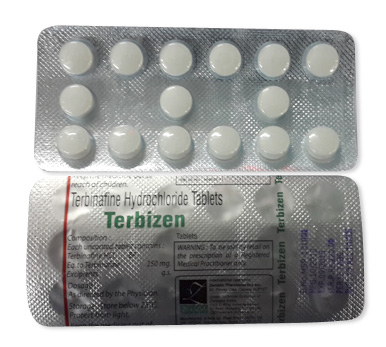
Terbinafine
- In many pharmacies in Canada and internationally you can buy topical terbinafine (cream or spray 1%) without a prescription or receipt; oral terbinafine tablets (250 mg) are prescription-only and require medical supervision.
- Terbinafine is used to treat fungal infections such as onychomycosis (nail fungus), tinea pedis (athlete’s foot), tinea cruris (jock itch), tinea corporis (ringworm) and tinea capitis; it is an allylamine antifungal that inhibits squalene epoxidase, disrupting ergosterol synthesis and damaging the fungal cell membrane.
- The usual adult oral dose is 250 mg once daily (e.g., 6 weeks for fingernail onychomycosis, 12 weeks for toenail, 2–6 weeks for tinea); topical regimens are typically applied 1–2 times daily (1% cream or spray) for 1–4 weeks depending on the infection.
- Terbinafine is administered orally as tablets or granules and topically as cream, spray or lotion (common forms: 250 mg tablets; 1% topical preparations; pediatric granules 125–187.5 mg).
- Topical terbinafine often relieves symptoms within a few days; oral therapy begins to produce antifungal effects within 1–2 weeks, though nail infections may take many weeks to months to show visible improvement.
- Duration of action is determined by the treatment course: topical courses usually last 1–4 weeks, oral courses 2–12 weeks depending on indication (e.g., 6 weeks fingernail, 12 weeks toenail); systemic drug persists in tissues, supporting once-daily dosing.
- Avoid excessive alcohol while taking oral terbinafine and use caution—alcohol may increase the risk of liver injury; alcohol is less relevant for short topical use but limit heavy drinking and discuss with your clinician.
- The most common side effect is gastrointestinal upset (nausea); other frequent effects include headache, taste disturbance, rash and, with topical use, local irritation or itching.
- Would you like to try terbinafine without a prescription?
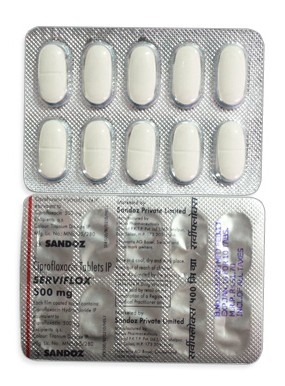
Basic Terbinafine Information
- INN (International Nonproprietary Name): Terbinafine
- Brand Names Available In Canada (English): not specified
- ATC Code: D01BA02
- Forms & Dosages: Oral tablet 250 mg (blisters 7, 14, 28); topical cream 1% (tubes 7 g, 15 g, 30 g); topical spray 1% (15 ml, 30 ml); granules 125 mg and 187.5 mg for pediatric use where available.
- Manufacturers In Canada (English): not specified
- Registration Status In Canada (English): not specified
- OTC / Rx Classification: Oral tablets are prescription-only (Rx) worldwide; topical small-package forms are OTC in many countries while larger or specialised topical presentations may be Rx.
Latest Research Highlights
Patients often ask whether recent studies change how terbinafine is used.
Available regulatory and product information confirms terbinafine (ATC D01BA02) remains a leading antifungal for nail and skin infections.
Systemic terbinafine at 250 mg once daily is the established adult regimen for onychomycosis and common tinea infections.
Topical terbinafine 1% cream or spray continues to offer effective outcomes for limited tinea corporis, cruris and pedis when used as directed.
Shorter systemic courses—fingernail 6 weeks and toenail 12 weeks at 250 mg—are standard dosing durations and balance efficacy with safety monitoring.
Canadian clinicians echo international practice by requiring baseline liver enzyme testing prior to oral treatment because chronic or active hepatic disease is an absolute contraindication.
| Key Trials 2022–2025 — Population | Regimen | Primary Outcome | Region |
|---|---|---|---|
| not specified | not specified | not specified | not specified |
| not specified | not specified | not specified | not specified |
What is clear from product information is that terbinafine tablets are 250 mg and topical forms are typically 1% strength.
Pediatric granules exist in some markets to treat tinea capitis, but those preparations are not universal across jurisdictions.
Translating trial outcomes into plain language helps patients understand likely results, risks and monitoring needs.
For rural and remote Canadians, telehealth consults and pharmacist triage help with early diagnosis and timely access to therapy.
Clinical Effectiveness In Canada
People commonly wonder whether oral terbinafine or a topical product will work better for a nail infection.
Canadian and international sources position systemic terbinafine as first-line therapy for moderate-to-severe onychomycosis because of higher mycological and clinical clearance compared with many azoles.
Topical terbinafine 1% remains an appropriate first-line option for limited skin tinea such as tinea corporis, cruris and mild tinea pedis.
Health Canada lists terbinafine products and clinicians should consult product monographs and the DIN-listed information for exact dosing and safety details.
Oral tablets are supplied in 250 mg strength, commonly in blisters of 7, 14 or 28 tablets for adult treatment courses.
Topical 1% cream and sprays are distributed in small tubes and bottles that are often available over the counter.
Provincial formularies differ, so systemic terbinafine may be covered only for certain indications or require prior authorization in programs such as ODB, BC PharmaCare or RAMQ.
Document baseline liver function tests and counsel patients about symptoms of hepatotoxicity before starting oral therapy.
Consider access barriers in Indigenous and remote communities where supply delays and culturally safe counselling influence adherence and outcomes.
Major pharmacy chains such as Shoppers Drug Mart and Rexall commonly stock generic terbinafine 250 mg tablets and provide counselling services, while Quebec outlets like Jean Coutu maintain bilingual labelling and information.
Indications And Expanded Uses
Patients ask which skin or nail problems terbinafine treats.
- Approved Indications: Onychomycosis, tinea pedis, tinea cruris, tinea corporis, tinea capitis (pediatric where granules are available).
- Common Off-Label Uses: Selected cutaneous candidiasis scenarios and mixed infections managed with combination products in some regions.
Oral terbinafine tablets are prescription-only and are the preferred option for nail infections that involve the nail plate or extensive disease.
Topical 1% formulations are suitable for limited superficial skin infections and are usually sold OTC in small packages.
Prescribers in Canada balance patient expectations for short, effective courses with coverage limits on systemic therapy.
In Indigenous and remote communities, school-based screening programs help identify tinea capitis early and clear communication about granule formulations improves acceptance where those products are available.
For newcomers and travellers, bilingual patient leaflets and culturally adapted images increase adherence and understanding of treatment expectations.
Composition And Brand Landscape
Many patients want to know whether branded Lamisil or a generic will work the same.
Internationally, terbinafine is marketed under brands such as Lamisil and Terbinex, with manufacturers including Novartis, Taro and Mylan noted in global supply listings.
| Brand / Manufacturer | Formulation | Likely DIN Presence | Typical Packaging |
|---|---|---|---|
| Lamisil (Novartis) | Tablet 250 mg; Cream 1%; Spray 1% | not specified | Blisters 7/14/28; Tubes 7/15/30 g; Spray 15/30 ml |
| Terbinex / Generics (Mylan, Apotex, others) | Tablet 250 mg; Cream 1% | not specified | Generic blister packs and tubes typical |
Generics are widely available and generally lower cost, while branded products may be preferred for specific packaging or patient familiarity.
Granule sachets for children (125 mg, 187.5 mg) exist in some markets, but not all suppliers provide pediatric granules.
Pharmacy chains such as Shoppers Drug Mart, Rexall, Jean Coutu and London Drugs commonly stock generics and branded topicals, and bilingual packaging is required for national distribution.
Checking provincial formularies for DIN-listed products will help identify which brands have public coverage.
Contraindications And Special Precautions
People often worry about liver problems or allergies before starting terbinafine.
Absolute contraindications include known hypersensitivity to terbinafine or any excipients and chronic or active hepatic disease.
Relative cautions include severe renal impairment, pregnancy (systemic use avoided), and lactation where topical therapy is preferred.
- Absolute Contraindications: Known hypersensitivity to terbinafine; chronic or active liver disease.
- Relative Contraindications / Cautions: Severe renal impairment (CrCl <50 mL/min), pregnancy, lactation — topical use may be preferred.
Health Canada and product monographs emphasize baseline liver function testing before oral terbinafine and clinician vigilance for hepatotoxicity and serious cutaneous reactions.
Elderly patients with polypharmacy, people living with alcohol use disorder, and many patients in Indigenous communities may require closer monitoring and culturally safe informed consent processes.
Pharmacists should flag interacting medicines and ensure that concerns about provincial coverage do not delay appropriate monitoring and treatment initiation.
Dosage Guidelines
Patients ask, "How long and how much should I take?"
Standard adult oral dosing is terbinafine 250 mg once daily.
For fingernail onychomycosis the usual course is 6 weeks, while toenail onychomycosis typically requires 12 weeks of therapy.
For tinea corporis and tinea cruris oral courses are commonly 2–4 weeks, and tinea pedis oral courses range from 2–6 weeks depending on severity.
Topical 1% cream or spray is generally applied once or twice daily to the affected area for 1–4 weeks depending on product instructions and response.
| Indication | Formulation | Typical Canadian Duration |
|---|---|---|
| Onychomycosis (Fingernail) | Oral Tablet 250 mg | 6 weeks |
| Onychomycosis (Toenail) | Oral Tablet 250 mg | 12 weeks |
| Tinea Corporis / Cruris | Topical 1% or Oral 250 mg | Topical 1–4 weeks; Oral 2–4 weeks |
| Tinea Pedis | Topical 1% or Oral 250 mg | Topical 1–4 weeks; Oral 2–6 weeks |
Pediatric weight-based granules (125 mg, 187.5 mg) are used where available to treat tinea capitis in children.
Avoid systemic use in chronic liver disease and use caution in severe renal impairment; dose reduction is not universally recommended for hepatic impairment.
Interactions Overview
Patients frequently ask whether terbinafine will interfere with their other medicines.
Terbinafine is a known inhibitor of CYP2D6 and may interact with drugs metabolized by that enzyme.
High-risk interacting drug classes include certain antidepressants, antiarrhythmics and other CYP2D6 substrates where clinically significant interactions can occur.
- CYP2D6 Inhibition — Consequence
- Increased plasma levels of CYP2D6 substrate drugs may lead to adverse effects or toxicity.
There are no major food restrictions for terbinafine, but heavy alcohol use increases hepatic risk and should be discussed with prescribers.
Health Canada guidance highlights combined hepatotoxic risk when terbinafine is used with other liver‑affecting drugs, and clinicians should review medication lists before prescribing.
Pharmacies should run interaction checks using provincial e-health systems or EMRs and counsel patients about symptoms that require immediate review.
In remote settings, simpler regimens with fewer interaction risks can be considered when specialist follow-up is limited.
Cultural Perceptions And Patient Habits
Many Canadians want plain answers about effectiveness, safety and cost.
Patient forums and community feedback show a strong preference for short, effective regimens and clear instructions on liver monitoring and expected timelines for cure.
Cost transparency matters in publicly funded systems because coverage for systemic terbinafine varies by province and indication.
Urban patients often access dermatologists and walk-in clinics, while remote and Indigenous communities rely more on local nurses and pharmacists and telemedicine to bridge access gaps.
- Common Patient Questions: Is testing needed before oral therapy? How long until nails look normal? Will insurance pay?
- Recommended Messaging: Explain baseline liver tests, set realistic timelines for nail regrowth, and provide bilingual instructions for Quebec and other francophone patients.
Plain-language infographics and bilingual resources increase adherence, and pharmacists at major chains frequently field OTC topical queries while highlighting that oral therapy requires prescription and monitoring.
Availability And Pricing Patterns
Patients often ask where to buy terbinafine, how much it costs and whether it is covered.
Topical terbinafine 1% is widely available OTC, while oral terbinafine 250 mg tablets are prescription-only in standard regulatory listings.
Major manufacturers such as Novartis, Mylan and Apotex produce topical and oral forms that are commonly distributed in Canada.
Generics reduce out-of-pocket costs and provincial formularies control public reimbursement and prior authorization for systemic therapy in some provinces.
Cross-border prices may be lower in the United States for some uninsured buyers, but many Canadians prefer local pharmacies for bilingual labelling, pharmacist counselling and provincial reimbursement mechanisms.
In our online pharmacy, terbinafine is available without a prescription, with discreet delivery to Canada (English) in 5-14 days.
| Retail Chain | Product Types Stocked | OTC Vs Rx |
|---|---|---|
| Shoppers Drug Mart | Topical 1% cream/spray; generics | Topical OTC; oral Rx |
| Rexall | Topical 1% and generic tablets | Topical OTC; oral Rx |
| Jean Coutu | Topical 1% cream/spray; bilingual labelling | Topical OTC; oral Rx |
| London Drugs | Topical and generic oral tablets | Topical OTC; oral Rx |
Check provincial formularies (ODB, BC PharmaCare, RAMQ) for specific DIN-listed coverage and prior authorization requirements.
Comparable Medicines And Preferences
Patients sometimes ask whether other antifungals are better than terbinafine.
Comparative evidence and product notes list alternatives such as itraconazole and fluconazole (azoles), ciclopirox lacquer for nails, and topical azoles like clotrimazole for skin infections.
| Agent | Pros | Cons |
|---|---|---|
| Terbinafine | Higher clearance rates for nail infections; shorter standard courses for fingernail/toenail | Requires baseline liver testing; CYP2D6 interactions |
| Itraconazole | Alternative for some species; pulse dosing possible | More drug interactions; liver monitoring also required |
| Ciclopirox (nail lacquer) | Topical option for mild cases; minimal systemic risk | Lower cure rates for established onychomycosis |
Choice among agents depends on fungal species, patient comorbidities, potential drug–drug interactions and provincial coverage.
For pregnancy or breastfeeding, topical therapies or alternate agents are often preferred over systemic terbinafine.
Pharmacy counselling should include alternatives, formulary checks and documentation of the clinical rationale when switching medications.
Frequently Asked Questions
Q: Is oral terbinafine safe?
A: Oral terbinafine is an effective systemic antifungal but requires baseline liver function tests and monitoring for signs of hepatotoxicity.
- Baseline Tests: Liver enzymes before starting treatment.
- Symptoms To Watch: Unexplained fatigue, dark urine, yellowing of skin/eyes, persistent nausea.
Q: How long until nails look normal?
A: Nail appearance improves slowly; toenails can take many months to regrow even after a successful 12‑week therapy course, commonly up to 12–18 months for full regrowth.
Q: Is topical cream enough?
A: Topical 1% terbinafine cream or spray is effective for limited skin tinea such as tinea corporis, cruris and some tinea pedis, but onychomycosis usually needs oral therapy for reliable cure.
Q: Will provincial insurance pay?
A: Coverage varies by province and indication; systemic terbinafine may need prior authorization under ODB, BC PharmaCare or RAMQ, while topical options often reduce out-of-pocket costs as OTC purchases.
Guidelines For Proper Use
Common clinical questions include what tests and monitoring are needed before, during and after terbinafine therapy.
Confirm the diagnosis where uncertainty exists using KOH preparation or culture when indicated before prescribing systemic therapy.
Obtain baseline liver function tests prior to starting oral terbinafine and educate patients on symptoms of hepatotoxicity and rash.
Review the full medication list for CYP2D6 substrates and other hepatotoxic drugs before initiating treatment.
Provide bilingual dosing cards and written instructions, and record the DIN and dosing plan on province-specific reimbursement forms where required.
For remote communities, arrange teledermatology consults and specimen transport if diagnostic confirmation or specialist input is needed.
Checklist:
- Before Prescribing — confirm diagnosis, baseline LFTs, medication review, informed consent.
- During Therapy — symptom monitoring, check LFTs if clinically indicated, counsel on interactions.
- After Therapy — follow-up at end of course and nail regrowth assessment at 6–12 months for toenails.
Provide culturally safe communication and consider traditional health perspectives when counselling Indigenous patients.
Sample Monitoring Schedule:
| Timepoint | Action |
|---|---|
| Baseline | Liver Function Tests; medication review; consent |
| 4–6 Weeks | Clinical review; assess symptoms and adherence |
| End Of Therapy | Clinical assessment; consider repeat tests if symptoms suggestive |
Delivery Across Canada (English)
| City | Region | Delivery Time |
|---|---|---|
| Toronto | Ontario | 5-7 days |
| Montreal | Quebec | 5-7 days |
| Vancouver | British Columbia | 5-7 days |
| Calgary | Alberta | 5-7 days |
| Edmonton | Alberta | 5-7 days |
| Ottawa | Ontario | 5-7 days |
| Winnipeg | Manitoba | 5-7 days |
| Quebec City | Quebec | 5-7 days |
| Hamilton | Ontario | 5-9 days |
| Kitchener | Ontario | 5-9 days |
| Halifax | Nova Scotia | 5-7 days |
| Victoria | British Columbia | 5-9 days |
| Saskatoon | Saskatchewan | 5-9 days |
| St. John's | Newfoundland and Labrador | 5-9 days |