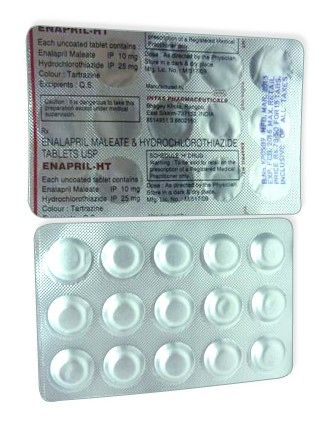
Vasotec
Vasotec
- Vasotec is normally dispensed in community pharmacies and through licensed online suppliers in Canada and internationally; it is officially a prescription (Rx) medicine, though some pharmacies or online vendors may supply it without a prescription — always check and follow local laws and pharmacy policies.
- Vasotec (enalapril) is used for hypertension, heart failure, asymptomatic left ventricular dysfunction and to help protect the kidneys in diabetic nephropathy; it is an ACE inhibitor that blocks angiotensin‑converting enzyme, lowering angiotensin II and aldosterone, causing vasodilation and reduced blood pressure and afterload.
- Usual adult doses vary by indication: hypertension often starts at 5 mg once daily with maintenance of 10–40 mg daily (single or divided); heart failure often starts 2.5 mg once or twice daily with titration up to 20 mg twice daily; pediatric dosing is weight‑based and titrated (eg. ~0.08 mg/kg once daily with a defined maximum).
- Administered orally as tablets (commonly 2.5 mg, 5 mg, 10 mg, 20 mg) and, in some markets, as an oral solution (1 mg/mL) for paediatric use.
- Blood‑pressure lowering effects typically begin within about 1 hour after an oral dose, with peak effects around 4–6 hours.
- The antihypertensive effect generally lasts up to about 24 hours (dosing may be once‑daily for many patients, or twice‑daily in some heart failure regimens).
- Avoid excessive alcohol while taking Vasotec — alcohol can increase dizziness and the risk of symptomatic low blood pressure (orthostatic hypotension).
- The most common side effect is a dry, persistent cough; other frequent effects include dizziness, fatigue, increased serum potassium and creatinine, and taste disturbances.
- Would you like to try vasotec without a prescription?
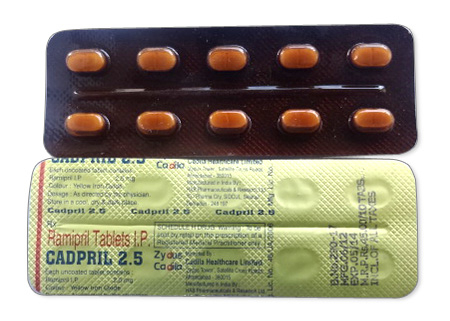
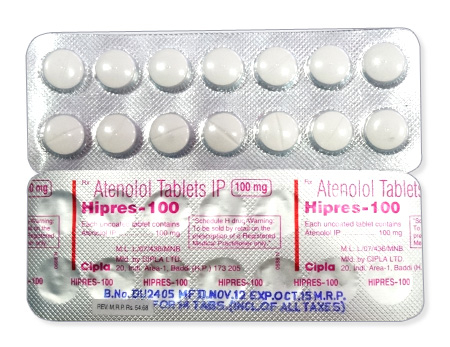
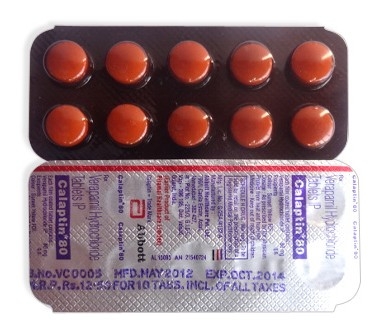
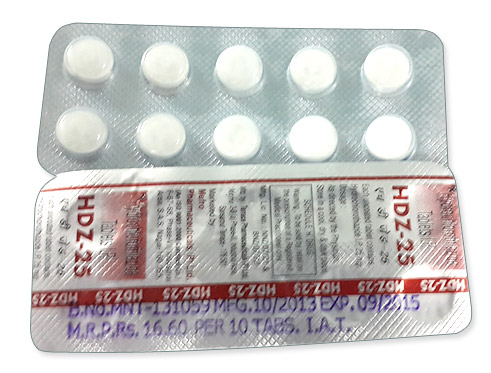
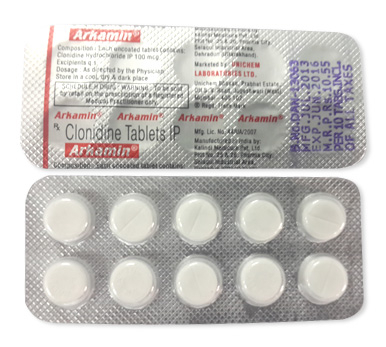
Basic Vasotec Information
- INN (International Nonproprietary Name): Enalapril
- Brand Names Available In Canada (English): Vasotec (US, Canada) — oral tablets 2.5 mg, 5 mg, 10 mg, 20 mg.
- ATC Code: C09AA02
- Forms & Dosages: Oral tablets 2.5 mg, 5 mg, 10 mg, 20 mg; oral solution 1 mg/mL in select markets.
- Manufacturers In Canada (English): not specified
- Registration Status In Canada (English): not specified
- OTC / Rx Classification: Prescription (Rx) only
Latest Research Highlights
Patients and clinicians often ask whether enalapril still matters given newer therapies and recent reviews.
International meta-analyses from 2022–2025 reaffirm ACE inhibitors, including enalapril, reduce morbidity in heart failure and slow diabetic nephropathy progression.
Canadian pharmacoepidemiology dashboards in provinces such as Ontario and British Columbia continue to show persistent ACE inhibitor prescribing among older adults with hypertension and diabetes.
High-quality Canada-only randomized trials isolating enalapril since 2022 are limited, so international pooled evidence remains the main source for direct enalapril outcomes.
Real-world data repeatedly emphasise early monitoring of renal function and serum potassium after initiation or dose changes to detect renal injury or hyperkalaemia.
Health-technology assessments still position ACE inhibitors as cost-effective first-line agents for many patients with systolic heart failure and hypertension when tolerated.
Clinicians increasingly use deprescribing algorithms and shared decision-making for frail older adults, and bilingual resources remain part of standard provincial practice.
| Meta-Analysis Outcome | 2022–2025 Summary |
|---|---|
| Mortality | Reduced morbidity/mortality in systolic heart failure (consistent benefit across ACE inhibitors) |
| Renal Endpoints | Slowed progression of albuminuric diabetic nephropathy when tolerated |
| Cough Incidence | Increased dry cough noted as class effect with ACE inhibitors |
| Province | Prescribing Snapshot |
|---|---|
| Ontario | Persistent ACE inhibitor use among older adults with hypertension and diabetes |
| British Columbia | Continued first-line use with monitoring emphasis |
| Quebec | High use with bilingual patient resources often provided |
Clinical Effectiveness In Canada
Patients want to know whether vasotec delivers reliably in routine Canadian practice.
Health Canada lists enalapril as an approved ACE inhibitor for hypertension, heart failure and renal protection in diabetes in regulatory monographs.
Clinical effectiveness in Canada mirrors international data with solid blood pressure lowering and mortality benefit in systolic heart failure when combined with guideline therapies.
Many provincial formularies list generic enalapril on general benefit lists or as a step-therapy alternative to other ACE inhibitors, so coverage varies by region and DIN.
Pharmacists in Shoppers Drug Mart, Rexall and community pharmacies frequently substitute generic enalapril for brand Vasotec where provincial rules permit.
Rural patients often rely on mail-order or delivery services and should check local coverage before switching brands or DINs to avoid out-of-pocket costs.
For product specifics such as DINs and monographs clinicians should consult the Canadian Drug Product Database and provincial formulary pages before prescribing or dispensing.
- Health Canada Approval → DIN Lookup: Drug Product Database (Health Canada).
- NPN vs DIN: DIN is the required identifier for prescription drugs in Canada; NPN applies to natural health products.
- Provincial Formulary Links: Check Ontario Drug Benefit, BC PharmaCare, RAMQ for coverage details.
Indications And Expanded Uses
People commonly ask what conditions vasotec treats and when it might be used off-label.
Approved indications include essential hypertension, symptomatic and asymptomatic left-ventricular dysfunction, adjunct therapy in chronic heart failure, and diabetic nephropathy for renal protection.
Pediatric approvals permit use in some settings down to infants aged one month, but dosing is weight-based and often requires the oral solution for accurate measurement.
Off-label pragmatic uses in Canada can include outpatient management after stabilising a hypertensive emergency or specialist-guided treatment in certain proteinuric renal diseases.
Pregnancy is an absolute contraindication and enalapril must be discontinued promptly if pregnancy is detected due to fetal risk in the second and third trimesters.
When switching from an ACE inhibitor to sacubitril/valsartan allow a 36-hour washout to reduce angioedema risk.
- Approved Indications: Hypertension, Heart Failure, Asymptomatic LV Dysfunction, Diabetic Nephropathy.
- Off-Label Uses: Stabilised hypertensive emergency outpatient follow-up, adjunct in proteinuric kidney disease (specialist oversight required).
- Pediatric Thresholds: Use from ≥1 month in some approvals; weight-based dosing and oral solution preferred in infants.
- Monitoring Checkpoints: Baseline creatinine/K+, pregnancy test in women of childbearing potential, early follow-up at 1–2 weeks after start.
Composition And Brand Landscape
Patients often ask whether brand or generic enalapril is the same and which is stocked locally.
The active ingredient is enalapril, typically provided as enalapril maleate, an enantioselective prodrug converted to the active metabolite enalaprilat.
In Canada the originator brand Vasotec and multiple generics are available, commonly packaged in blister packs or bottles of 10–30 tablets.
Global brand names include Renitec, Enap, Enalapril-ratiopharm, although in Canadian retail Vasotec and generic enalapril predominate.
Provincial procurement and payer rules often favour DIN-listed generics for cost reasons, while some patients prefer the Vasotec brand for perceived reliability.
Bilingual labelling requirements in Canada mean patient leaflets are provided in English and French when requested, and pharmacists must respect language preferences.
| Brand | Manufacturer (Typical) | Strengths | Packaging |
|---|---|---|---|
| Vasotec | Merck (originator) | 2.5, 5, 10, 20 mg | Blister packs or bottles (10–30 tablets) |
| Generic Enalapril | Multiple manufacturers | 2.5, 5, 10, 20 mg | Blister packs or bottles (10–30 tablets) |
| Oral Solution | Selected suppliers | 1 mg/mL | Amber bottle (paediatric use) |
Contraindications And Special Precautions
People frequently ask what makes enalapril unsafe for some patients.
Absolute contraindications include pregnancy (notably the second and third trimesters) and a history of ACE inhibitor–related angioedema.
Other absolute exclusions are hypersensitivity to enalapril or excipients, concomitant aliskiren in diabetics, and use within 36 hours of sacubitril/valsartan.
Relative cautions include bilateral renal artery stenosis, a single kidney with stenosis, volume depletion, renal impairment, collagen vascular disease, and concurrent potassium supplements or potassium-sparing diuretics.
Pre-treatment screening should include a pregnancy test for women of childbearing potential, baseline creatinine and potassium, and a careful medication review for prior ACE inhibitor reactions.
Patients should be counselled to stop the drug and seek immediate care if they experience facial or airway swelling consistent with angioedema.
- Pre-Treatment Checklist: pregnancy status, baseline creatinine/K+, review of ACE inhibitor history.
- When To Hold Enalapril: acute dehydration, surgery with fluid shifts, severe hyperkalaemia, or symptomatic hypotension.
Dosage Guidelines
Patients and caregivers often want clear starting doses and how to titrate safely.
For adults with hypertension a common starting dose is 5 mg once daily with maintenance between 10–40 mg daily, given once or divided depending on BP control.
Heart failure commonly starts at a lower dose, for example 2.5 mg once or twice daily, with gradual up-titration toward doses up to 20 mg twice daily as tolerated.
Asymptomatic left-ventricular dysfunction typically begins with low doses such as 2.5 mg twice daily, titrated to clinical effect and labs.
Pediatric dosing is weight-based, for example 0.08 mg/kg once daily with specific maximums noted in product monographs; oral solution is preferred for infants.
Renal impairment requires dose reduction and closer monitoring of creatinine and potassium, and older adults should start lower due to fall and renal risk.
| Condition | Initial Dose | Maintenance / Max | Elderly / Renal Notes |
|---|---|---|---|
| Hypertension | 5 mg once daily | 10–40 mg daily | Start low; monitor renal function and BP |
| Heart Failure | 2.5 mg once/twice daily | Up to 20 mg twice daily | Titrate slowly; monitor creatinine/K+ |
| Pediatrics | 0.08 mg/kg once daily | Max 0.58 mg/kg/day or 40 mg/day | Oral solution preferred for infants |
Monitor creatinine and potassium within 1–2 weeks of starting or increasing dose and adjust or hold the drug if renal function or K+ worsens significantly.
If a dose is missed, take it as soon as remembered unless it is close to the next dose; do not double doses.
Interactions Overview
Patients want to know which common medicines or foods can change how enalapril works or increase risk.
Concurrent aliskiren is contraindicated in diabetics and sacubitril/valsartan requires a 36-hour washout before starting an ACE inhibitor.
Combination with potassium supplements, potassium-sparing diuretics like spironolactone, or other RAAS blockers raises the risk of hyperkalaemia.
NSAIDs, including over-the-counter ibuprofen, can blunt the antihypertensive effect and increase renal risk, particularly in elderly or volume-depleted patients.
Potassium-containing salt substitutes and high-potassium diets can raise serum potassium when used with ACE inhibitors and should be reviewed with a pharmacist.
- Major Interaction Pairs: ACE inhibitor + NSAID; ACE inhibitor + potassium-sparing diuretic; ACE inhibitor + aliskiren (contraindicated in diabetics); ACE inhibitor + sacubitril (36-hour washout required).
- Food/Lifestyle Interactions: salt substitutes, high-potassium diets, dehydration from vomiting/diarrhea.
Pharmacists should flag OTC NSAID purchases for patients on enalapril and advise lab checks when new interacting drugs are started.
Cultural Perceptions And Patient Habits
Many Canadians ask whether to choose brand or generic and how monitoring access affects therapy.
Overall, Canadians show solid trust in prescription medicines while balancing cost concerns; many accept generic enalapril for savings while some older patients prefer Vasotec for familiarity.
Bilingual labelling expectations shape counselling, particularly in Quebec and for federally regulated materials, so pharmacists regularly provide English and French leaflets when requested.
Online forums and provincial support groups commonly report cough prompting a switch to ARBs, worry about bloodwork access in remote communities, and cross-border price-shopping for some medications.
Indigenous and remote populations can face barriers to frequent lab monitoring, and clinicians often factor access when choosing agents or arranging lab draws.
- Common Patient Concerns: persistent cough, pregnancy safety, need for routine bloodwork.
- Urban Vs Rural Differences: urban patients have easier lab access; rural patients may rely on mail-order pharmacies.
- Pharmacy Behaviours: automatic generic substitution when allowed, enrolment in adherence packaging programs.
Availability And Pricing Patterns
Patients frequently ask where to buy vasotec and what it typically costs across Canada.
Vasotec and generic enalapril are prescription-only across Canada, and major pharmacy chains stock the common tablet strengths of 2.5, 5, 10 and 20 mg.
Some community pharmacies and provincial programs can supply the oral solution for paediatrics by request from select manufacturers or suppliers.
Pricing depends on provincial procurement, manufacturer rebates and whether the patient is covered under public plans such as Ontario Drug Benefit, BC PharmaCare or RAMQ.
Online Canadian pharmacies may offer home delivery and the pharmacy here can arrange discreet delivery to Canada in 5–14 days with a valid prescription and payer verification.
| Province/Region | Typical Availability | Price Pattern |
|---|---|---|
| Ontario | Widespread (major chains) | Generic substitutions common; provincial coverage reduces out-of-pocket costs |
| British Columbia | Widespread | PharmaCare coverage varies by plan; generics favoured |
| Quebec | Widespread | RAMQ and private plans influence brand vs generic dispensing |
Cross-border importing occurs for pricing reasons, but Canadians should follow federal importation regulations and verify DINs before switching suppliers.
Comparable Medicines And Preferences
Clinicians and patients often compare enalapril with other ACE inhibitors when choosing therapy.
Common alternatives available in Canada include captopril, lisinopril and ramipril, each with different dosing schedules and pharmacologic profiles.
Lisinopril offers once-daily dosing and is not a prodrug, which can aid adherence compared with enalapril in some patients.
Captopril has a shorter half-life and requires more frequent dosing, which may reduce convenience for many patients.
Ramipril is another widely used ACE inhibitor with comparable indications; formulary coverage, tolerability and comorbidity profiles usually guide selection.
| Comparator | Dosing Frequency | Pros | Cons |
|---|---|---|---|
| Captopril (Capoten) | Multiple times daily | Effective, well-known | More frequent dosing |
| Lisinopril (Zestril/Prinivil) | Once daily | Adherence-friendly dosing | Not a prodrug; different pharmacokinetics |
| Ramipril (Altace) | Once daily | Commonly used, familiar to prescribers | Formulary differences by province |
When switching between ACE inhibitors, conservative equivalent dosing and monitoring of blood pressure and renal labs are recommended.
FAQ
Here are quick answers to common questions patients ask about vasotec.
Q1: Can I get Vasotec covered through provincial plans?
A: Coverage depends on the exact DIN and provincial formulary; many provinces cover generic enalapril on standard formularies so pharmacists can verify eligibility.
Q2: Is enalapril safe in pregnancy?
A: No, enalapril is contraindicated in pregnancy, particularly the second and third trimesters; women of childbearing potential should use contraception and notify their prescriber immediately if pregnancy is suspected.
Q3: I have a dry cough — should I stop enalapril?
A: Do not stop abruptly; consult your prescriber who may consider switching to an angiotensin receptor blocker if the cough persists.
Q4: How often should labs be checked?
A: Obtain baseline creatinine and potassium, then recheck within 1–2 weeks after starting or increasing the dose; monitor more frequently if renal impairment or interacting drugs are present.
- Quick Action Steps: call your prescriber for urgent symptoms; bring recent lab results to pharmacy medication reviews; request pharmacy follow-up for new symptoms.
Guidelines For Proper Use
Follow these practical pharmacist and prescriber steps to use vasotec safely and effectively.
Confirm the indication and DIN when dispensing, verify pregnancy status for women of childbearing potential, and arrange baseline labs for creatinine and potassium.
Counsel patients about the ACE-inhibitor cough and the signs of angioedema, and review over-the-counter NSAID use and potassium supplements which can interact.
Storage: store tablets at 15–30°C, protect from moisture and excessive heat; oral solution storage may vary by manufacturer and may require refrigeration.
Missed Dose: take as soon as remembered unless it is near the next scheduled dose and do not double up.
Overdose: may cause significant hypotension and requires urgent medical attention, IV fluids and monitoring — activated charcoal may be used if ingestion is recent.
- When To Seek Emergency Care: sudden facial or throat swelling, fainting, severe shortness of breath, or signs of severe hyperkalaemia.
- Provincial Tips: enrol eligible patients in adherence programs and coordinate lab draws for rural patients to align with medication reviews.
Delivery Across Canada (English)
| City | Region | Delivery Time |
|---|---|---|
| Toronto | Ontario | 5-7 days |
| Montreal | Quebec | 5-7 days |
| Vancouver | British Columbia | 5-7 days |
| Calgary | Alberta | 5-7 days |
| Edmonton | Alberta | 5-7 days |
| Ottawa | Ontario | 5-7 days |
| Winnipeg | Manitoba | 5-9 days |
| Halifax | Nova Scotia | 5-9 days |
| Quebec City | Quebec | 5-7 days |
| Saskatoon | Saskatchewan | 5-9 days |
| Regina | Saskatchewan | 5-9 days |
| St. John's | Newfoundland and Labrador | 5-9 days |
| Victoria | British Columbia | 5-7 days |
| London | Ontario | 5-7 days |
In our online pharmacy, vasotec is available with a valid prescription and can be delivered discreetly across Canada in 5–14 days, subject to provincial coverage and DIN verification.