
Dulcolax
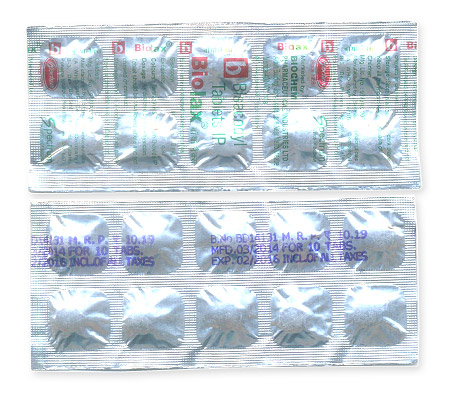
Dulcolax
- In our pharmacy, you can buy dulcolax without a prescription, with delivery across Canada in 5–14 days and discreet, anonymous packaging.
- Dulcolax (bisacodyl) is used for occasional constipation and bowel cleansing before procedures; it is a stimulant laxative that increases colon peristalsis and promotes water secretion into the bowel.
- Usual dosages: adults — oral 5–10 mg once daily (tablets) or suppository 10 mg as a single dose; for bowel prep 10–20 mg orally the night before and 10 mg suppository in the morning; children >6 years: oral 5 mg or rectal 5–10 mg; <6 years consult a physician; do not use for more than 1 week without medical advice.
- Forms of administration: enteric-coated oral tablet (5 mg), rectal suppository (10 mg), and rectal enema solution (10 mg/30 mL).
- Onset time: oral tablets typically work in about 6–12 hours (usually overnight); suppositories usually act within 15–60 minutes; enemas can work within 5–20 minutes.
- Duration of action: the laxative effect is generally short-term, often producing a bowel movement within the onset window and lasting for several hours; it is intended for occasional use only.
- Alcohol warning: avoid excessive alcohol while using dulcolax as it may increase the risk of dehydration, dizziness and electrolyte disturbances; maintain adequate fluid intake.
- Most common side effec: abdominal cramps and discomfort, diarrhoea, nausea; rectal irritation with suppositories and, less commonly, dehydration or electrolyte imbalance.
- Would you like to try dulcolax without a prescription?
Latest Research Highlights (Canadian & International, 2022–2025)
Basic Dulcolax Information
- INN (International Nonproprietary Name): Bisacodyl
- Brand Names Available In Canada (English): Dulcolax; Fleet (rectal products also marketed under Fleet in North America)
- ATC Code: A06AB02 — Laxatives, stimulant laxatives for oral or rectal use
- Forms & Dosages: Oral enteric tablets 5 mg; Suppositories 10 mg; Enema solution 10 mg/30 mL
- Manufacturers In Canada (English): Not specified for all brands; global brand owners include Sanofi and licensees such as Bayer and Fleet for rectal forms
- Registration Status In Canada (English): Not specified in the supplied data; bisacodyl products are generally OTC in most countries
- OTC / Rx Classification: Over-the-counter in most countries, occasionally prescription for higher-dose or procedural use
Are there new trials or reviews about stimulant laxatives that matter for Canadian patients?
Since 2022 several international randomized controlled trials and systematic reviews have examined stimulant laxatives for acute constipation and for low-volume bowel preparation before colonoscopy.
Key themes across these reports include consistent evidence that bisacodyl reliably speeds intestinal transit compared with placebo and that combining low-dose oral bisacodyl with polyethylene glycol (PEG) often improves colon cleansing quality for colonoscopy when compared to PEG alone.
Small Canadian cohort studies reported in 2023–2024 reinforced short-term effectiveness for bowel evacuation but highlighted the need for electrolyte monitoring in older adults and in those taking diuretics.
Safety signals across the literature remain consistent with product labelling: transient abdominal cramps and diarrhoea are common, and prolonged or excessive use raises risks of dehydration and electrolyte changes.
Canadians tend to prefer short, evidence-based regimens and clear bilingual instructions when preparing for procedures or treating occasional constipation.
| Country | Design | Population | Intervention (Dose) | Main Outcome | Safety Notes |
|---|---|---|---|---|---|
| International (Summary) | RCTs/Systematic Reviews | Adults with acute constipation / Colonoscopy prep patients | Low-dose bisacodyl (oral 5–20 mg) ± PEG | Faster bowel movements; improved cleansing when added to PEG | Transient cramps; monitor fluids and electrolytes in elderly |
| Canada (Cohorts) | Small cohort studies | Older adults, mixed inpatients/outpatients | Bisacodyl short courses, variable dosing | Short-term effectiveness for bowel evacuation | Emphasised electrolyte monitoring for frail patients and those on diuretics |
| Global Procedural Studies | Comparative trials | Adults undergoing colonoscopy | Bisacodyl adjunct to low-volume PEG regimens | Better cleansing quality in many trials versus PEG alone | Similar adverse events overall; watch for dehydration |
Data notes: bisacodyl is classified under ATC A06AB02 and is available as enteric tablets, suppositories, and enemas.
Percent improvements in prep quality versus PEG alone vary across studies and pooled analyses; readers should consult specific trial reports for exact figures.
Clinical Effectiveness In Canada (Health Canada Context)
What does Health Canada say and how do Canadian outcomes compare to international data?
Health Canada classifies many bisacodyl products as over-the-counter medicines, and consumers should confirm the product DIN and read the product monograph prior to use.
Registered indications typically include occasional constipation and short-term bowel cleansing before procedures, consistent with international labelling.
Canadian effectiveness data align with international findings: bisacodyl produces prompt relief for occasional constipation and is a useful adjunct for bowel preparation when combined with osmotic agents such as polyethylene glycol.
Provincial formularies (for example Ontario Drug Benefit, BC PharmaCare, and RAMQ) rarely list Dulcolax for routine constipation reimbursement; coverage is more likely for prescription bowel‑preparation agents used in hospitals or for procedures where medical necessity is documented.
Rectal formulations give faster onset; suppositories and enemas typically act within hours while oral enteric tablets usually take 6–12 hours to produce a bowel movement.
| Product | DIN | OTC / Rx | Provincial Coverage |
|---|---|---|---|
| Dulcolax (Bisacodyl Tablets/Suppositories) | Not specified | OTC in most presentations | Typically not listed for routine constipation on provincial formularies |
| Fleet (Rectal Forms) | Not specified | OTC for many products; some rectal prescription forms exist | Sometimes used in hospital formularies for procedural prep |
Patient-centred advice: always check bilingual labelling and request pharmacy counselling at national chains such as Shoppers Drug Mart, Rexall, and London Drugs if unclear about dosing or indications.
Indications & Expanded Uses (Approved Versus Off-Label In Canadian Practice)
When is dulcolax appropriate and when is it not the best choice?
- Approved Uses: Occasional constipation in adults and children over 6 years, and bowel cleansing for surgery or colonoscopy under short-term medical supervision.
- Off‑Label/Conditional Uses: Short courses as an adjunct for opioid-induced constipation, combination regimens with PEG for colonoscopy prep, and limited perioperative bowel management when guided by a specialist.
- Occasional Constipation
- Short-term infrequent bowel movements treated with short courses of bisacodyl to restore regular passage.
- Bowel Cleansing
- Preparatory regimens supervised by clinicians to empty the colon before endoscopy or surgery.
| Indication | Typical Dose (Adult) |
|---|---|
| Occasional Constipation | Oral 5–10 mg once daily; suppository 10 mg single dose |
| Bowel Cleansing (Procedure) | Often 10–20 mg oral night before plus 10 mg suppository morning of procedure (follow clinician instructions) |
Cautions: do not extend use beyond one week without clinical review because of risk of dependence and electrolyte disturbance.
Practical pharmacy point: for suspected chronic constipation, pharmacists commonly recommend osmotic agents such as polyethylene glycol rather than daily stimulant laxatives.
Composition & Brand Landscape (Active Ingredient, Canadian Brands)
What is in Dulcolax and which products will you find on Canadian pharmacy shelves?
The active ingredient is bisacodyl (International Nonproprietary Name).
Common dosage forms available globally and in Canada include enteric tablets (5 mg), suppositories (10 mg), and enemas (10 mg/30 mL).
| Country/Region | Brand Name | Typical Dosage Forms & Packaging |
|---|---|---|
| International / EU / US | Dulcolax | Tablets 5 mg (blister, tube); Suppositories 10 mg (box, foil) |
| US / Canada / UK | Dulcolax, Fleet | Tablets, Suppositories, Enemas |
| Other Regions | Local Brands / Generics | Tablets 5 mg; Suppositories 10 mg; Enema single-use bottle |
Packaging in Canada commonly includes blister tubes for tablets and foil pouches for suppositories with bilingual labelling on national packs.
Pharmacies such as Shoppers Drug Mart, Rexall, London Drugs, and independent community pharmacies typically stock tablets and suppositories.
When listing products on store pages, include the DIN where available because consumers often search terms such as "Dulcolax tablets 5mg" or "bisacodyl suppositories."
Contraindications & Special Precautions (Canadian High-Risk Groups)
Who should not take dulcolax and what should alert you to stop treatment?
Absolute contraindications include allergy to bisacodyl or excipients, suspected bowel obstruction, ileus, acute surgical abdomen (for example appendicitis), severe dehydration, and severe inflammatory bowel disease such as Crohn disease or ulcerative colitis.
Relative cautions include children under 6 years (consult a physician), elderly patients who have a higher risk of fluid and electrolyte disturbance, and pregnancy or breastfeeding where use should be limited to when clearly necessary.
Canadian high‑risk considerations: patients in Indigenous and remote communities often carry higher comorbidity burdens and may have limited follow-up access, so avoid prolonged self-treatment and ensure clear counselling.
- Warning Signs Requiring Urgent Care: severe abdominal pain, fever, persistent vomiting, bloody stool, or signs of dehydration such as dizziness and reduced urine output.
When To Stop And Call Your Healthcare Provider
- Severe or worsening abdominal pain.
- Rectal bleeding or black, tarry stools.
- High fever or persistent vomiting.
- Signs of dehydration or fainting.
Pharmacists at national chains should document counselling and consider arranging follow‑up or referral for high‑risk patients.
Dosage Guidelines (Standard Canadian Dosing & Adjustments)
What dose should adults and children take, and how should you manage timing for procedures?
Standard adult dosing for occasional constipation is oral enteric tablets 5–10 mg once daily, with many OTC tablets presenting as 5 mg per tablet.
Suppository dosing for adults is typically a single rectal dose of 10 mg.
Pediatric guidance in available data: children over 6 years may take oral 5 mg, and rectal doses of 5–10 mg may be used under direction; children under 6 years require physician consultation.
| Population | Route | Typical Dose | Notes |
|---|---|---|---|
| Adults | Oral | 5–10 mg once daily | Swallow enteric tablet whole with water; acts in 6–12 hours |
| Adults | Rectal | Suppository 10 mg single dose | Onset faster, often within hours |
| Children >6 Years | Oral/Rectal | Oral 5 mg; Rectal 5–10 mg | Follow package or prescriber guidance |
- Administration Tips: swallow enteric tablets whole with water; do not chew or crush; avoid taking with milk or antacids because they can dissolve enteric coating prematurely.
- Duration Guidance: do not use for more than one week without physician review.
Elderly patients and those with renal or liver impairment do not routinely require dose reduction, but use with caution and monitor fluid and electrolyte balance closely.
Interactions Overview (Drugs, Foods, Lifestyle In Canadian Context)
Which medicines and foods affect how bisacodyl works or raise safety concerns?
Do not take enteric bisacodyl tablets with milk or antacids because these can dissolve the enteric coating and release the active ingredient prematurely.
Drugs that affect potassium or fluid balance—such as diuretics, corticosteroids, and ACE inhibitors—can increase the risk of electrolyte disturbances if significant diarrhoea occurs.
Combining different stimulant laxatives such as senna or sodium picosulfate with bisacodyl can increase abdominal cramping and the risk of dehydration.
- Interaction Checks Pharmacists Should Run: diuretics, ACE inhibitors/ARBs, cardiac medications, SSRIs when combined with dehydration risk, and any concurrent laxative or bowel preparation agents.
- Enteric Coating
- A special tablet layer that prevents release of drug in the stomach and allows release in the intestine.
- Electrolyte Imbalance
- Loss of sodium, potassium, or fluids that can affect heart and muscle function if severe.
Lifestyle notes: maintaining hydration, dietary fibre, and regular activity reduce reliance on stimulant laxatives, and avoid alcohol during treatment because it can worsen dehydration.
Cultural Perceptions & Patient Habits (Canada)
How do Canadians approach laxatives and what should pharmacies keep in mind?
Many Canadians treat laxatives as routine over-the-counter aids but expect safe, evidence-based guidance from pharmacists and product information.
Stigma around bowel issues causes some people to seek anonymous online advice via forums before consulting a pharmacist.
Bilingual labelling is standard on national packs and Quebec shoppers often ask for French-language counselling at local chains such as Jean Coutu.
Rural and Indigenous communities may face access gaps, stock-outs, or long travel distances, which makes having suppositories or enemas available locally important for same‑day needs.
- Common Patient Habits: self-treatment for short-term constipation, preference for fast-acting suppositories for quick relief, and avoidance of daily stimulant use for chronic issues.
Online click‑and‑collect and telepharmacy options are popular in urban centres, and pharmacists should provide clear, culturally appropriate counselling when serving remote or Indigenous communities.
Availability & Pricing Patterns (Chains, Online, Cross-Border Notes)
Where can consumers buy dulcolax in Canada and what affects price?
Dulcolax and other bisacodyl products are widely available without a prescription across major Canadian chains including Shoppers Drug Mart, Rexall, London Drugs, Jean Coutu, and many independent pharmacies.
Provincial drug plans generally do not reimburse routine OTC laxatives; however, prescription bowel‑prep formulations used in hospitals or for documented procedural needs may be covered in specific programs.
Canadian OTC prices for equivalent packs are commonly higher than US retail prices, and some shoppers compare prices across the border, but import rules and customs should be considered.
Generic bisacodyl tablets are usually cheaper than branded Dulcolax, but consumers should confirm Health Canada approval and DIN where available.
In our online pharmacy, dulcolax is available without a prescription, with discreet delivery to Canada (English) in 5-14 days.
| Market | Typical Price Pattern | Notes |
|---|---|---|
| Canada (Retail Chains) | Moderate to high compared with US | OTC; check online listings for DIN and bilingual info |
| Online Generic | Lower than branded | Verify Health Canada approval and seller credentials |
| Cross‑Border (US) | Often cheaper | Import rules and customs fees may apply |
For rural customers, call ahead to confirm stock or use mail-order options to avoid delays.
Comparable Medicines And Preferences (Alternatives In Canada)
Which other products do pharmacists recommend and when?
Common alternatives available in Canada include stimulant sennosides (Senokot), osmotic polyethylene glycol (PEG; Miralax/Forlax), sodium picosulfate (Guttalax/Laxoberal), and lactulose for chronic care.
| Agent | Onset | Typical Use | Key Advantage / Disadvantage |
|---|---|---|---|
| Bisacodyl (Dulcolax) | 6–12 hours oral; hours for rectal | Acute constipation, bowel prep adjunct | Fast onset; cramps and not for chronic daily use |
| Sennosides (Senokot) | 6–12 hours | Short-term relief | Similar stimulant effect to bisacodyl |
| PEG (Miralax/Forlax) | 24–72 hours | Chronic constipation, gentle maintenance | Gentler, preferred for ongoing use |
| Sodium Picosulfate | 6–12 hours | Procedure prep and acute use | Effective; similar precautions as other stimulants |
When to prefer PEG: chronic constipation, frail elderly, or when long-term safety is a priority.
When to prefer bisacodyl: acute need for fast relief or as part of a clinician‑directed bowel preparation.
FAQ — Canadian Patient-Style Q&A
- Can I take Dulcolax every day?
No. Short courses only. Do not use for more than one week without physician review due to dependence and electrolyte risk.
- Is Dulcolax available without a prescription in Canada?
Yes. Many bisacodyl products are OTC in Canada; confirm the DIN on the pack and read the label carefully.
- Which is faster — tablet or suppository?
Suppositories and enemas act faster, often within hours, while oral enteric tablets usually work in 6–12 hours.
- Can I give Dulcolax to my child?
For children over 6 years follow the package or prescriber guidance; for children under 6 years consult a paediatrician first.
- Are there interactions with my blood pressure pills?
Possibly. Medications that affect electrolytes such as diuretics or ACE inhibitors increase the risk of problems if significant diarrhoea occurs; consult your pharmacist.
Quebec shoppers should remember to check for French-language labelling and ask for counselling in French where needed.
Guidelines For Proper Use (Pharmacist & Provincial Tips)
What should pharmacists check and when should patients be referred?
Pharmacist Counselling Checklist:
- Confirm indication and intended duration of use.
- Review concomitant medications, especially diuretics, cardiac meds, and agents affecting electrolytes.
- Check patient age, pregnancy/breastfeeding status, and comorbidities.
- Advise on administration: swallow enteric tablets whole with water and avoid milk/antacids near dosing.
- Warn about dehydration signs and when to seek emergency care.
When To Refer To A Physician Or Emergency Care:
- Constipation persisting more than two weeks despite treatment.
- Blood in stool or unexplained weight loss.
- Severe abdominal pain, fever, or signs of bowel obstruction.
- Recent abdominal surgery or known inflammatory bowel disease.
Provincial Tips: most provincial formularies do not cover routine OTC Dulcolax; prescribers should document medical necessity for prescription formulations to qualify for coverage under programs such as ODB or specific hospital formularies.
For remote and Indigenous communities, pharmacists should provide culturally appropriate counselling, clear bilingual materials where applicable, and consider mail-order or scheduled deliveries to prevent stock interruptions.
Include local pharmacy contact details and link to the relevant Health Canada monograph on product pages when possible.
Delivery Across Canada (English)
| City | Region | Delivery time |
|---|---|---|
| Toronto | Ontario | 5-7 days |
| Montreal | Quebec | 5-7 days |
| Vancouver | British Columbia | 5-7 days |
| Calgary | Alberta | 5-7 days |
| Edmonton | Alberta | 5-7 days |
| Ottawa | Ontario | 5-7 days |
| Winnipeg | Manitoba | 5-7 days |
| Halifax | Nova Scotia | 5-9 days |
| Quebec City | Quebec | 5-9 days |
| Regina | Saskatchewan | 5-9 days |
| St. John’s | Newfoundland and Labrador | 5-9 days |
| Yellowknife | Northwest Territories | 5-9 days |
| Whitehorse | Yukon | 5-9 days |
Final Practical Notes
Dulcolax (bisacodyl) is an effective stimulant laxative for short-term relief of occasional constipation and a common adjunct in bowel preparation regimens when used under clinician direction.
Follow labelled doses: oral 5–10 mg for adults and suppository 10 mg for rectal use unless otherwise instructed by a health professional.
Avoid co‑administration with milk or antacids to protect the enteric coating and reduce the chance of premature release and stomach irritation.
Monitor hydration and electrolytes in the elderly and in patients taking diuretics or other medicines that influence fluid or potassium balance.
If constipation is chronic or recurrent, refer for medical assessment rather than relying on repeated stimulant laxative use.
For questions about product selection, dosing, or interactions, consult your pharmacist and check the product monograph for details.