Oxybutynin
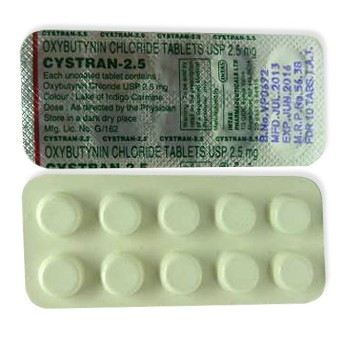
Oxybutynin
- In many countries oxybutynin is a prescription-only medicine, but some formulations (notably transdermal patches like Oxytrol in the US) are available OTC; in our pharmacy you can buy oxybutynin without a prescription, with delivery across Canada in 5–14 days and discreet packaging.
- Oxybutynin is used to treat overactive bladder, urge incontinence and urinary frequency (including neurogenic bladder). It is an anticholinergic/antimuscarinic agent that blocks M3 muscarinic receptors in the bladder detrusor muscle, reducing involuntary contractions.
- Usual adult doses: immediate‑release 5 mg two to three times daily (max ~20 mg/day); extended‑release 5–10 mg once daily (may titrate up to ~30 mg/day); transdermal patch delivers 3.9 mg/24 h (apply twice weekly); topical gel 100 mg (1 sachet) once daily. Pediatric and elderly dosing should be guided by a physician.
- Administration forms include oral immediate‑release tablets and syrup, oral extended‑release tablets, transdermal patch, and topical gel.
- Onset: immediate‑release tablets typically begin to work within 30–60 minutes; extended‑release formulations may show effect within 24 hours to a few days; patch and gel effects may be noticeable within a few days as steady levels are achieved.
- Duration of action: immediate‑release effects last about 6–8 hours; extended‑release provides roughly 24‑hour coverage; the patch delivers continuous drug for 3–4 days between applications; topical gel offers approximately 24 hours of effect after application.
- Avoid or limit alcohol while taking oxybutynin — alcohol can increase drowsiness, dizziness and cognitive impairment associated with anticholinergic drugs and may worsen side effects.
- The most common side effect is dry mouth; other frequent effects include constipation, blurred vision, drowsiness, dizziness and potential urinary retention or tachycardia; patches and gels may cause local skin irritation.
- Would you like to try “oxybutynin” without a prescription?
Latest Research Highlights — Canadian & International
Basic Oxybutynin Information
- INN (International Nonproprietary Name): Oxybutynin.
- Brand Names Available In Canada (English): Ditropan, Ditropan XL, Oxytrol, Gelnique, plus generic and in‑pharmacy Apo‑Oxybutynin equivalents (not specified: full brand list per pharmacy).
- ATC Code: G04BD04.
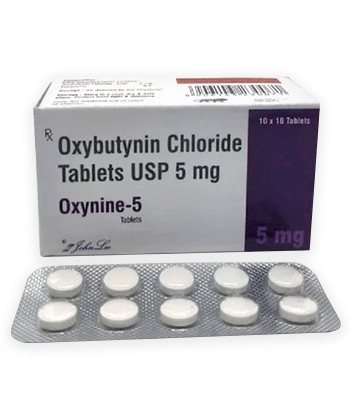
- Forms & Dosages: Immediate‑release tablets 2.5 mg and 5 mg; extended‑release tablets 5 mg, 10 mg, 15 mg; syrup/oral solution 1 mg/mL and 5 mg/5 mL; transdermal patch 3.9 mg/24h; topical gel 10% (100 mg/g).
- Manufacturers In Canada (English): Janssen/Alza are listed as suppliers in North America; generic manufacturers and in‑pharmacy brands are commonly available (not specified: full manufacturer list by product).
- Registration Status In Canada (English): Oxybutynin is approved by Health Canada.
- OTC / Rx Classification: Prescription Only (Rx) in Canada; note Oxytrol is OTC for women in the United States but remains Rx in most countries including Canada.
Are the newest studies changing how oxybutynin is used in Canada and abroad?
Recent Canadian and international evidence from 2022–2024 trial updates and meta‑analyses reinforces oxybutynin’s efficacy for overactive bladder and neurogenic bladder, while emphasising clear differences between formulations.
Immediate‑release oxybutynin tablets improve urgency and frequency but are linked to higher anticholinergic adverse events such as dry mouth and dizziness.
Extended‑release formulations reduce peak plasma fluctuations and tend to improve tolerability versus immediate‑release products.
Transdermal patches delivering 3.9 mg/24h and topical gel at 10% (100 mg) show lower systemic dry‑mouth rates while preserving symptom control in many trials.
Observational cohorts continue to link cumulative anticholinergic burden with cognition decline in older adults, prompting regulators and geriatric societies to urge caution.
Canadian trials also highlight rural and remote access barriers for patch and gel supply, and the need for telehealth follow‑up to maintain safe use.
| Metric | IR Tablets (5 mg 2–3×/day) | XL Tablets (5–10 mg once daily) | Transdermal Patch (3.9 mg/24h) | Topical Gel (10% / 100 mg) |
|---|---|---|---|---|
| Efficacy | Good for urgency and frequency per RCTs. | Comparable efficacy to IR with improved adherence. | Effective for OAB with reduced systemic peaks. | Effective for symptom control; formulation‑dependent evidence. |
| Systemic Dry Mouth & Anticholinergic Effects | Higher rates of dry mouth and anticholinergic AEs. | Lower than IR but present at higher doses. | Lower systemic dry mouth; local skin reactions possible. | Lower systemic dry mouth; local skin irritation possible. |
| Other Common Adverse Effects | Constipation, blurred vision, drowsiness, tachycardia. | Same profile as IR but often better tolerated. | Patch site irritation; less GI upset. | Application site reactions; less GI upset. |
Clinical Effectiveness In Canada — Health Canada & Formularies
Can patients in Canada expect the same benefits reported in trials?
Health Canada has approved oxybutynin and it is classified under ATC code G04BD04 for genitourinary use.
Practical effectiveness in Canada mirrors international trial results where extended‑release Ditropan XL and other XL products are often preferred for once‑daily adherence and stable plasma levels.
Transdermal options such as Oxytrol (patch) and Gelnique (topical gel) reduce oral side effects and are useful alternatives when dry mouth or GI intolerance limit tablet use.
Provincial formularies differ on coverage rules, with some requiring prior authorizations for patches and gel formulations; a provincial formulary matrix should be populated with DINs and pricing at the pharmacy level.
Clinical monographs and provincial formularies recommend titration from a low starting dose and reassessment every three to six months.
Community pharmacists in national chains are key to managing oxybutynin use, checking DINs, counselling on formularies, and supporting adherence.
For seniors covered by the Ontario Drug Benefit and similar plans, anticholinergic monitoring is routine and many geriatric clinics prefer non‑antimuscarinic alternatives when cognitive risk is high.
Indications And Expanded Uses — Approved Versus Off‑Label In Canada
What will oxybutynin actually treat for different patients?
Approved indications include overactive bladder, urge incontinence, urinary frequency, and neurogenic bladder such as in spinal cord injury and multiple sclerosis.
Common off‑label uses encountered in Canadian practice include management of focal hyperhidrosis with Gelnique topical gel and refractory bladder spasms after surgery.
Randomized controlled trials support symptomatic benefit for OAB, but quality‑of‑life gains vary and tend to be formulation dependent.
Prescribers should document shared decision‑making when choosing transdermal versus oral options because access and cost vary across provinces and can affect adherence.
Pediatric use is limited; children aged five and older may use immediate‑release oxybutynin at common doses such as 5 mg twice daily, and consultation with pediatric urology is routine for titration above baseline.
In Indigenous and remote communities where specialist urology follow‑up is limited, primary care clinicians often manage off‑label trials in collaboration with pharmacists and follow strict safety monitoring plans.
Composition And Brand Landscape — Active Ingredient, Brands, Generics
Who makes oxybutynin and which brands will a patient see on the shelf?
The active ingredient is oxybutynin, sold globally under brand names such as Ditropan, Ditropan XL, Oxytrol patch, Gelnique gel, Kentera patch and many generics.
In Canada, Janssen/Alza have a historical presence and generic manufacturers supply tablets, syrup and XL formulations; in‑pharmacy Apo‑Oxybutynin equivalents are commonly dispensed by community pharmacies.
- Key Canadian Brands Vs Generic Equivalents: Ditropan (IR 5 mg), Ditropan XL (5 mg, 10 mg), Oxytrol Patch (3.9 mg/24h), Gelnique Gel (100 mg sachet).
- Packaging Notes: tablets come in blister packs or bottles; patches are foil‑sealed and single use; gel is in pump or single‑dose sachets.
Regulations on pharmacy substitution and bilingual labelling will determine whether a patient receives a brand or generic product at dispensing.
Transdermal options are uniquely useful when reducing systemic anticholinergic exposure is a priority, for example in seniors reporting severe dry mouth on oxybutynin tablets.
Contraindications And Special Precautions — Canadian High‑Risk Groups
Who should not take oxybutynin, and who needs extra monitoring?
Absolute contraindications include narrow‑angle glaucoma, urinary retention, gastric retention or paralytic ileus, and known allergy to oxybutynin or excipients.
- Relative Cautions: elderly patients due to dementia risk, hepatic or renal impairment, myasthenia gravis, severe ulcerative colitis, obstructive uropathy, and patients taking multiple anticholinergic medicines.
Canadian geriatric programs and provincial drug plans frequently screen for cumulative anticholinergic burden and employ stewardship tools for deprescribing.
For patients in remote and Indigenous communities where follow‑up is limited, prescribers should arrange telehealth checks or nurse‑led monitoring to detect cognitive or urinary retention issues early.
Consider a non‑anticholinergic alternative such as mirabegron for patients with high cognitive vulnerability.
Dosage Guidelines — Standard Canadian Dosing And Adjustments
How should oxybutynin be started and adjusted in typical Canadian practice?
Standard adult dosing from Health Canada sources lists immediate‑release 5 mg two to three times daily with a maximum of 20 mg/day.
Extended‑release Ditropan XL is commonly started at 5–10 mg once daily and may be titrated up to 30 mg/day when needed.
Transdermal patches deliver 3.9 mg/24h and are applied twice weekly, and Gelnique topical gel is one 100 mg sachet applied once daily.
- Starting Doses And Titration Steps: start low and slow, reassess within two to four weeks, and follow periodic reassessment every three to six months.
- Special Population Notes: elderly patients should begin at lower doses and titrate carefully; children five years and older often begin at 5 mg twice daily under specialist guidance.
Patient counselling should include how to apply patches, rotate sites, avoid heat sources that can increase absorption, and what to do for missed doses.
Interactions Overview — Drug, Food, Lifestyle Interactions
Which medicines and habits increase risk when taking oxybutynin?
Oxybutynin is an antimuscarinic and has pharmacodynamic interactions with other anticholinergic drugs, producing additive cognitive and urinary retention risk.
High‑risk drug combinations include tricyclic antidepressants, certain antipsychotics, first‑generation antihistamines, and OTC sleep aids or cold medicines that contain anticholinergic agents.
CYP interactions may alter levels of active metabolites, so caution is advised when combining with strong CYP inhibitors.
Alcohol can worsen dizziness and drowsiness, and hot weather or sauna use increases the risk of impaired sweating and hyperthermia in older adults.
Community pharmacists should screen for OTC Oxytrol use in patients who travel to the United States where the patch is available OTC for women, to avoid accidental duplication with prescription oral therapy.
Cultural Perceptions And Patient Habits In Canada
What do Canadian patients worry about—and how do they cope?
Patients commonly report dry mouth with oral tablets and a preference for patches or gel when available and affordable.
Online Canadian forums and Reddit threads often highlight frustration with prior authorizations, the cost of non‑formulary formulations, and access in rural areas.
Top patient concerns include side effects such as dry mouth and constipation, cost and coverage, and difficulty accessing specialist follow‑up in remote communities.
- Practical Coping Tips: stay hydrated, use sugar‑free lozenges for dry mouth, and use pill organizers or blistering services offered by pharmacies for adherence.
- Pharmacy Services: major chains often provide blister packing, generic substitution, price checking, and patient assistance programs.
Bilingual labelling and privacy norms in Quebec shape how pharmacists discuss urinary symptoms, and stigma can delay help‑seeking for bladder problems.
Availability And Pricing Patterns — Pharmacies, Provincial Limits, Cross‑Border Notes
Where can patients get oxybutynin and what should they expect to pay?
Availability varies by chain and province, and transdermal or gel formulations may be restricted or require special authorization under provincial formularies such as Ontario Drug Benefit, BC PharmaCare, and RAMQ.
Pharmacies typically check DINs and product monographs before substitution; cost differences between brand and generic products often drive formulation choice and adherence.
Cross‑border shopping can be tempting because Oxytrol is OTC for women in the United States, but importing prescription products raises legal and safety considerations.
Community pharmacists help patients by checking provincial coverage, arranging prior authorizations, and suggesting generics where appropriate to reduce out‑of‑pocket costs.
In our online pharmacy, oxybutynin is available without a prescription, with discreet delivery to Canada (English) in 5‑14 days.
Comparable Medicines And Patient Preferences — Alternatives In Canada
What are the safe alternatives when oxybutynin is not suitable?
Available comparators include tolterodine, darifenacin, solifenacin, trospium, fesoterodine and mirabegron.
Darifenacin and solifenacin are more selective for M3 receptors and may have fewer central nervous system effects in some patients.
Mirabegron is a β3‑agonist and is non‑anticholinergic, making it an attractive option for patients at risk of cognitive decline.
- Pros And Cons Snapshot: antimuscarinics can cause dry mouth and cognitive effects; mirabegron avoids anticholinergic burden but may affect blood pressure.
- Patient Preference Drivers: route of administration, side‑effect profile, cost, and provincial formulary coverage all strongly influence choice.
Clinicians and pharmacists often prioritise cognitive safety in seniors and advocate for mirabegron when anticholinergic burden is a concern.
FAQ — Canadian Patient Questions And Answers
- Q: Will oxybutynin make me forgetful? A: Anticholinergic drugs are associated with increased cognitive risk, especially in older adults; discuss mirabegron or lower‑exposure formulations such as the patch or gel with your prescriber and monitor with your pharmacist.
- Q: Can I get the Oxytrol patch without a prescription in Canada? A: Oxytrol is prescription only in most Canadian jurisdictions; it is OTC for women in the United States—do not self‑import without checking regulations and DINs.
- Q: Which form causes less dry mouth? A: Transdermal patches delivering 3.9 mg/24h and topical gel (100 mg once daily) typically produce less systemic dry mouth than oral immediate‑release tablets.
- Q: What if I miss a dose? A: Take the missed dose as soon as remembered unless it is near the time for your next dose; do not double up to make up a missed dose.
Guidelines For Proper Use — Pharmacist And Provincial Tips
What checks should a pharmacist perform before dispensing oxybutynin?
Verify the indication against the Health Canada monograph and check the product DIN when available.
Screen for contraindications and cumulative anticholinergic burden, including concurrent antidepressants, antipsychotics, antihistamines, and OTC sleep aids.
- Pre‑Dispense Checklist: confirm age, history of glaucoma or urinary retention, liver or kidney impairment, and concomitant medications.
- Counselling Points: show patients how to apply a patch to clean, dry skin and rotate sites; advise avoiding heat sources; instruct on gel application only to intact skin and hand washing after use.
Follow‑Up Schedule: contact patients two to four weeks after initiation to assess tolerability and effectiveness, then every three to six months for reassessment.
Provincial Tools: use ODB, BC PharmaCare and RAMQ lookup tools for prior‑authorization pathways and consider manufacturer patient support programs where available.
Delivery Across Canada (English)
| City | Region | Delivery Time |
|---|---|---|
| Toronto | Ontario | 5-7 days |
| Montreal | Quebec | 5-7 days |
| Vancouver | British Columbia | 5-7 days |
| Calgary | Alberta | 5-7 days |
| Edmonton | Alberta | 5-7 days |
| Ottawa | Ontario | 5-7 days |
| Winnipeg | Manitoba | 5-7 days |
| Quebec City | Quebec | 5-7 days |
| Halifax | Nova Scotia | 5-7 days |
| Victoria | British Columbia | 5-7 days |
| Regina | Saskatchewan | 5-9 days |
| Saskatoon | Saskatchewan | 5-9 days |
| Kitchener | Ontario | 5-9 days |
| St. John's | Newfoundland and Labrador | 5-9 days |