Omnicef
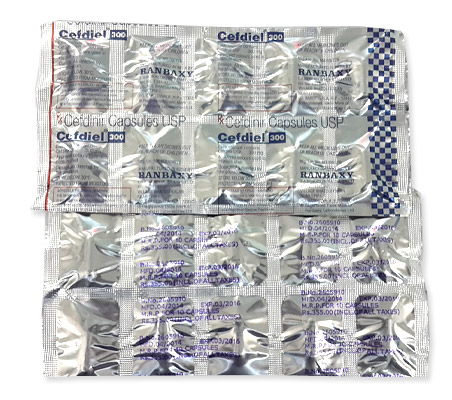
Omnicef
- In some pharmacies and online suppliers it is possible to obtain omnicef (cefdinir) without a prescription and with delivery across Canada; however, omnicef is officially prescription-only in major jurisdictions, so buying or using it without a prescription may be illegal and carries medical and safety risks—verify local regulations and consider consulting a healthcare provider.
- Omnicef (cefdinir) is used to treat bacterial infections such as community-acquired pneumonia, acute sinusitis, pharyngitis/tonsillitis, acute exacerbations of chronic bronchitis and uncomplicated skin/skin-structure infections; it is a third‑generation cephalosporin that works by inhibiting bacterial cell‑wall synthesis through binding to penicillin‑binding proteins, producing bactericidal activity.
- Usual adult dosage is 300 mg every 12 hours for many indications (or 600 mg once daily for some regimens such as certain cases of pharyngitis); pediatric dosing is weight‑based (commonly 14 mg/kg/day divided q12–24h or 7 mg/kg q12h depending on indication) with a maximum pediatric dose of 600 mg/day—adjust dosing in renal impairment (CrCl <30 mL/min often dosed every 24 hours).
- Oral administration only: available as 300 mg capsules and as reconstituted oral suspension 125 mg/5 mL and 250 mg/5 mL; take with or without food according to product instructions.
- Onset: bactericidal activity begins when therapeutic blood levels are reached, and patients commonly notice symptomatic improvement within about 24–72 hours, though some infections may take longer to respond; if symptoms worsen or do not improve within 48–72 hours, seek medical review.
- Duration of action: cefdinir has a relatively short elimination half‑life (approximately 1.7–2.5 hours in adults) but clinical dosing regimens (once or twice daily) provide therapeutic coverage for 12–24 hours; duration of therapy for most infections is 5–10 days (10 days commonly preferred for pneumonia and certain skin infections).
- Alcohol warning: there is no specific disulfiram‑type interaction with cefdinir, but avoid excessive alcohol while unwell because alcohol can worsen side effects (nausea, dizziness) and slow recovery; it is prudent to minimise alcohol intake during antibiotic treatment.
- The most common side effect is gastrointestinal upset, particularly diarrhea (which can be severe); other common reactions include nausea, vomiting, abdominal pain, headache and rash—antibiotic‑associated diarrhea may indicate Clostridioides difficile infection and requires prompt medical attention.
- Would you like to try omnicef without a prescription?
Basic Omnicef Information
- INN (International Nonproprietary Name): Cefdinir.
- Brand Names Available In Canada (English): Omnicef was the original brand; generics of cefdinir are available globally in capsule 300 mg and reconstitutable oral suspensions 125 mg/5 mL and 250 mg/5 mL.
- ATC Code: J01DD15.
- Forms & Dosages: Capsule 300 mg; Oral suspension 125 mg/5 mL and 250 mg/5 mL.
- Manufacturers In Canada (English): Not specified in the provided data; multiple global generic manufacturers include Teva, Aurobindo and Lupin.
- Registration Status In Canada (English): Not specified in the provided data; verify with Health Canada or provincial formularies.
- OTC / Rx Classification: Prescription-only (Rx) in major jurisdictions.
Latest Research Highlights
What does recent surveillance and cohort evidence show about cefdinir?
Canadian and international surveillance from 2022 to 2025 report that cefdinir retains activity against many common respiratory pathogens.
Reports also note variable susceptibility among Enterobacterales and some Haemophilus strains.
Multinational meta-analyses and clinical cohorts describe modest oral third‑generation cephalosporin efficacy for uncomplicated sinusitis, community‑acquired pneumonia and skin infections.
There is growing attention to antimicrobial stewardship that limits routine use of oral third‑generation cephalosporins when narrower agents suffice.
| Study/Region | Year | Design | Main Outcome | Stewardship Implications |
|---|---|---|---|---|
| Canada | 2022–2024 | Surveillance Reports and Clinical Cohorts | Activity retained versus many respiratory pathogens; variable susceptibility among Enterobacterales and some Haemophilus strains. | Encourage targeted therapy and shorter courses where appropriate. |
| United States | 2022–2025 | Multinational Meta-Analyses | Modest clinical cure rates for uncomplicated sinusitis, CAP and skin infections when organisms are susceptible. | Reserve third‑generation oral cephalosporins for selected cases. |
| European Union | 2023–2025 | Antimicrobial Surveillance | Generics available; susceptibility patterns vary by region; no injectable formulation reported. | Local antibiogram-guided prescribing recommended. |
| Asia | 2022–2024 | National Surveillance Programs | Clinical use reported for respiratory and skin infections; regional susceptibility differences noted. | Culture and sensitivity advised before off‑label Gram‑negative use. |
- Packaging and dosage facts from regulatory sources: capsules 300 mg; suspensions 125 mg/5 mL and 250 mg/5 mL; prescription-only.
- Recent Canadian reporting emphasises shorter courses where clinically appropriate and notes that rural access limitations can affect timely follow-up.
Clinical Effectiveness In Canada
How does Health Canada view cefdinir and how effective is it in real practice?
Health Canada classifies cefdinir as a prescription-only oral third‑generation cephalosporin.
Real-world Canadian effectiveness aligns with international data for upper respiratory and uncomplicated skin infections when the pathogen is susceptible.
Clinicians should check DIN listings per formulation before prescribing.
| Regulatory Source | Indication | Dose (Adult) | Duration | Notes |
|---|---|---|---|---|
| Health Canada (Monograph) | Community‑acquired respiratory and skin infections | 300 mg q12h | 5–10 days depending on indication | |
| FDA / PMDA (International Labels) | Similar respiratory and skin indications | 300 mg q12h or 600 mg qd for some indications | 5–10 days depending on indication |
Example adult dosing from product information is 300 mg q12h for pneumonia and sinusitis.
Paediatric suspension options are available for children using weight-based dosing.
Provincial formularies such as Ontario Drug Benefit, BC PharmaCare and RAMQ may list or restrict cefdinir, and prescribers must verify eligibility and prior-authorization criteria.
Pharmacists at major chains routinely confirm DIN and offer alternatives if a particular supplier version is unavailable.
- DIN Lookup Steps: Check the pharmacy system, confirm formulation (capsule vs suspension), verify supplier DIN and expiry.
- Definitions: DIN = Drug Identification Number; Formulary = provincial drug coverage list; Prior Authorization = payer requirement before reimbursement.
Indications And Expanded Uses
What is cefdinir approved for and when is off‑label use considered?
Approved uses generally match international labels and include community‑acquired pneumonia, acute maxillary sinusitis, pharyngitis/tonsillitis, acute exacerbation of chronic bronchitis and uncomplicated skin/skin‑structure infections.
Off‑label uses in practice may include selected outpatient management of certain Gram‑negative urinary infections when culture and susceptibility results support use.
| Indication | Adult Regimen | Paediatric Regimen |
|---|---|---|
| Pneumonia | 300 mg q12h for 10 days | 14 mg/kg/day divided q12–24h for 10 days |
| Acute Maxillary Sinusitis | 300 mg q12h for 10 days | 14 mg/kg/day for 10 days |
| Pharyngitis/Tonsillitis | 300 mg q12h or 600 mg qd for 5–10 days | 7 mg/kg q12h or 14 mg/kg qd for 5–10 days |
| Uncomplicated Skin Infection | 300 mg q12h for 10 days | 7 mg/kg q12h for 10 days |
Stewardship and resistance risks mean cefdinir should not be used for viral illnesses.
- Document informed consent for off‑label use when applicable and arrange follow-up, especially in rural settings where access is limited.
- Do not use cefdinir in patients with recent severe beta‑lactam allergy or prior severe Clostridioides difficile infection.
Composition And Brand Landscape
What is in each product and which brands or generics may you see in Canada?
The active ingredient in all formulations is cefdinir (INN).
Generics have largely replaced the original Omnicef brand in many markets.
| Country/Region | Brand Name | Forms |
|---|---|---|
| United States | Omnicef (discontinued), Generic Cefdinir | Capsules 300 mg, Oral suspension 125 mg/5 mL, 250 mg/5 mL |
| Japan | Cefzon | Tablets, granules, dry syrup (varies by supplier) |
| Europe | Generic Cefdinir | Capsules and suspensions |
| Other Markets | Generics | Regional capsule and suspension variations |
Manufacturers globally include Teva, Aurobindo and Lupin among others.
- Verify DIN for each supplier and formulation before dispensing.
- Expect bilingual labelling (English/French) in Canada and counsel patients when imported generics have differing labelling.
- Suspension shortages may require compounding or substitution; document ingredient equivalence when substituting.
Contraindications And Special Precautions
Who should not take cefdinir and what monitoring is required?
Absolute contraindications include known allergy to cefdinir or other cephalosporins and previous severe hypersensitivity to beta‑lactams.
Relative cautions include a history of penicillin allergy, renal impairment and prior gastrointestinal disease, particularly colitis.
- Allergy Classification (Immediate/Anaphylactic): Prior anaphylaxis to beta‑lactams warrants avoidance.
- Delayed Cutaneous Reactions: Non‑life‑threatening rashes may require specialist assessment before rechallenge.
High‑risk Canadian populations include elderly patients on multiple medications, residents of long‑term care, and Indigenous and remote communities where follow‑up is limited.
- Monitoring steps include baseline renal function assessment when indicated and medication reconciliation for interacting drugs.
- Counsel patients to seek urgent care for severe diarrhoea or signs of anaphylaxis.
- Report severe adverse reactions to Health Canada through the MedEffect system.
Dosage Guidelines
What are standard Canadian dosing recommendations and renal adjustments?
Adults and adolescents aged 13 years and older commonly receive 300 mg every 12 hours for many indications.
Some labels allow 600 mg once daily for pharyngitis/tonsillitis in adults.
Children aged 6 months to 12 years use weight-based dosing of about 14 mg/kg/day divided q12–24h for many indications with a maximum pediatric dose of 600 mg/day.
For creatinine clearance under 30 mL/min, dosing should be adjusted to every 24 hours.
Elderly patients require no routine adjustment unless renal impairment is present.
| Weight Range | Dosing Guideline |
|---|---|
| 6 Months–12 Years (General) | 14 mg/kg/day divided q12–24h; maximum 600 mg/day |
| Adolescents ≥13 Years | 300 mg q12h or 600 mg qd depending on indication |
| Renal Impairment (CrCl <30 mL/min) | Extend dosing interval to every 24 hours |
- Suspension reconstitution instructions should be confirmed from the product monograph and suspensions are discarded after 10 days at 20–25°C.
- Common abbreviations: q12h = every 12 hours; q24h = every 24 hours; mg/kg = milligrams per kilogram.
Interactions Overview
Which drug interactions are important to flag to patients and caregivers?
Oral iron products can interact with cefdinir and cause red‑coloured stools in children due to a non‑harmful iron–drug complex.
Antacids, H2 blockers or proton‑pump inhibitors may affect absorption in some cases.
Concurrent use with nephrotoxic drugs requires renal monitoring.
| Interaction | Effect | Action |
|---|---|---|
| Oral Iron | Red‑coloured stool in children (benign) | Separate iron and cefdinir by 2–3 hours; advise caregivers this is not blood. |
| Antacids / PPIs / H2 Blockers | Potential altered absorption | Check timing and consider separation if clinically relevant. |
| Nephrotoxic Drugs | Increased renal risk | Monitor renal function and adjust dosing if needed. |
- Always check the product monograph and provincial e‑drug interaction resources before combining therapies.
- Provide bilingual counselling materials when possible to explain the red stool phenomenon and avoid unnecessary emergency visits.
Cultural Perceptions And Patient Habits
How do Canadian patients perceive cefdinir and what should pharmacists expect?
Many Canadians expect evidence‑based prescribing and express concern about antibiotic overuse and C. difficile risk.
Bilingual labelling and culturally safe care for Indigenous patients are priorities for acceptance and adherence.
Online forums often raise questions about paediatric suspension taste, cost and cross‑border availability.
Urban patients generally have faster same‑day pharmacy access, while rural and remote communities rely on telemedicine and longer delivery timelines.
- Communicate indication clearly and set expectations on side effects and when to seek care.
- Provide written bilingual instructions and involve community health workers or First Nations nursing stations for follow-up when relevant.
- When suspensions are unavailable locally, discuss mailed doses or compounding options and document the plan.
Availability And Pricing Patterns
Where is cefdinir stocked and what covers the cost in Canada?
Generics are widely available globally while the Omnicef brand has been discontinued in some markets such as the United States.
In Canada, stock varies by supplier and DIN so pharmacists should check inventory systems before promising a specific formulation.
Major chains like Shoppers Drug Mart, Rexall, Jean Coutu and London Drugs typically stock at least one generic cefdinir capsule or suspension.
Provincial drug plans such as ODB, BC PharmaCare and RAMQ influence coverage and co‑payments.
Non‑insured patients may face higher out‑of‑pocket costs, but generic competition can reduce price.
In our online pharmacy, Omnicef is available without a prescription, with discreet delivery to Canada in 5–14 days.
| Outlet Type | Likely Stock | Notes |
|---|---|---|
| Chain Pharmacy | Generic capsules and/or suspension | Confirm DIN and formulation at point of sale. |
| Online Pharmacy | Generics; prescription verification required | May offer discreet delivery and mail-order options. |
| Hospital Pharmacy | Formulary-specific supplies | Use for inpatient or special access needs. |
- Always verify DIN and provincial formulary status before dispensing or advising on coverage.
- Cross‑border price comparisons occur, but prescription import rules and parallel import restrictions apply.
Comparable Medicines And Preferences
Which antibiotics are commonly chosen instead of cefdinir and why?
Alternatives in Canada include cefuroxime, cefixime, amoxicillin/clavulanate and azithromycin, depending on suspected pathogen and patient factors.
| Molecule | Brand Examples | Notes |
|---|---|---|
| Cefuroxime | Ceftin, Zinacef | Second‑generation cephalosporin; narrower spectrum for many respiratory pathogens. |
| Cefixime | Suprax | Oral third‑generation cephalosporin with differing pharmacokinetics. |
| Amoxicillin/Clavulanate | Augmentin | Broad coverage including beta‑lactamase producers; often first‑line for sinusitis or otitis when indicated. |
| Azithromycin | Zithromax | Macrolide option when beta‑lactams are contraindicated; resistance considerations apply. |
- Pros of cefdinir include convenient oral dosing and paediatric suspension options.
- Cons include stewardship concerns about broad third‑generation cephalosporin use and the iron interaction causing red stool.
- Clinical choice depends on local antibiogram, allergy history, adherence likelihood and formulary coverage.
Frequently Asked Questions
- Q: Is Omnicef available without a prescription in Canada? A: No — cefdinir is prescription‑only in major jurisdictions, though some online services may advertise supply; verify local regulations and prescriber requirements.
- Q: Why did my child’s stool turn red? A: The red colour is likely from an interaction between cefdinir and oral iron that forms a harmless red complex; stop iron and consult a pharmacist if concerned.
- Q: Can I substitute cefdinir for Augmentin? A: Not automatically — the choice depends on the suspected pathogen, allergy profile and formulary; consult the prescriber or pharmacist before substituting.
- Q: How should I store the suspension? A: Store the dry powder at room temperature; after reconstitution keep at 20–25°C and discard after 10 days.
Contact provincial poison control for urgent questions and report serious adverse events to Health Canada.
Guidelines For Proper Use
What should prescribers and pharmacists check before and during treatment?
Confirm the indication and obtain culture and susceptibility data where feasible.
Document allergy status, particularly prior beta‑lactam reactions.
Verify DIN and provincial formulary coverage before dispensing.
Select formulation appropriate to age and weight and counsel on adherence and completion of the full course.
- Separate oral iron supplements by at least 2–3 hours and warn caregivers about the red stool phenomenon.
- Missed Dose Guidance: Take as soon as remembered unless the next dose is due soon; do not double doses.
- Overdose Management: Provide supportive care; hemodialysis may assist removal in severe renal impairment.
Provide a pocket card for clinics with dosing bands, renal adjustment guidance and suspension discard schedules.
Include provincial tips such as how to claim on ODB, PharmaCare or RAMQ and ensure bilingual prescription labels for patient safety.
Encourage reporting of adverse events to Health Canada and liaise with local antimicrobial stewardship programs for complex cases.
Delivery Across Canada (English)
| City | Region | Delivery time |
|---|---|---|
| Toronto | Ontario | 5–7 days |
| Montreal | Quebec | 5–7 days |
| Vancouver | British Columbia | 5–7 days |
| Calgary | Alberta | 5–7 days |
| Edmonton | Alberta | 5–7 days |
| Ottawa | Ontario | 5–7 days |
| Winnipeg | Manitoba | 5–7 days |
| Halifax | Nova Scotia | 5–7 days |
| Victoria | British Columbia | 5–7 days |
| Saskatoon | Saskatchewan | 5–9 days |
| Regina | Saskatchewan | 5–9 days |
| St. John’s | Newfoundland and Labrador | 5–9 days |
| Hamilton | Ontario | 5–7 days |
| Kitchener | Ontario | 5–7 days |