
Norfloxacin
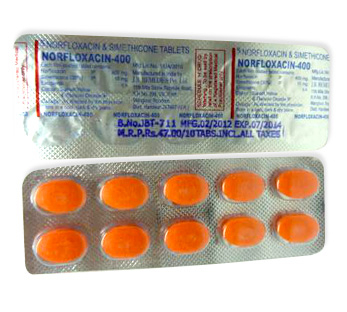
Norfloxacin
- Norfloxacin can be purchased from many international and online pharmacies and is widely stocked by hospital suppliers; while it is legally a prescription-only medicine in most jurisdictions (and withdrawn in the US/Canada), in practice some pharmacies or online vendors may supply norfloxacin without a prescription—purchasing without a valid prescription may be unlawful locally.
- Norfloxacin is an antibiotic used mainly for urinary tract infections, bacterial prostatitis, certain gastrointestinal infections (e.g., shigellosis), and as an alternative for some sexually transmitted infections; it is a fluoroquinolone that works by inhibiting bacterial DNA gyrase and topoisomerase IV, blocking DNA replication and causing bacterial cell death.
- The usual adult dose is 400 mg twice daily for most infections (e.g., uncomplicated UTI 3–7 days; complicated UTI 7–10 days); prostatitis often requires 400 mg twice daily for 4–6 weeks; single 800 mg doses have been used for gonorrhea; reduce to 400 mg once daily if creatinine clearance is <30 mL/min and adjust per clinical situation.
- Administration is primarily oral—film‑coated 400 mg tablets are the standard form; oral suspensions are rare and 0.3% eye drops are available in select markets for local ocular use.
- Antibacterial activity begins soon after therapeutic blood levels are reached; clinical symptom improvement is often seen within 24–48 hours, though full resolution depends on the infection and treatment duration.
- Norfloxacin has a plasma half‑life of roughly 3–4 hours; twice‑daily dosing is used to maintain therapeutic levels, and overall treatment duration varies by indication (from 3 days up to several weeks for chronic prostatitis).
- Avoid excessive alcohol while taking norfloxacin, as alcohol can worsen side effects such as dizziness and gastrointestinal upset and may impede recovery.
- The most common side effects are nausea, abdominal pain, diarrhea, headache and dizziness; other important adverse effects include photosensitivity, tendon pain/tendinitis, CNS effects and rare hepatotoxicity.
- Would you like to try norfloxacin without a prescription?
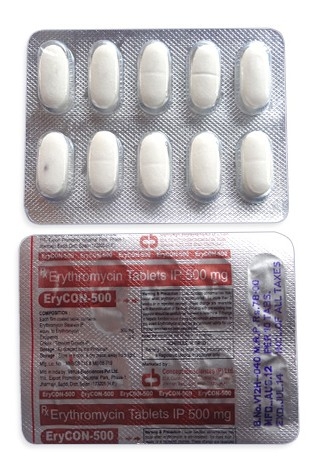
Basic Norfloxacin Information
- INN (International Nonproprietary Name): Norfloxacin
- Brand Names Available In Canada (English): Noroxin was formerly marketed in Canada but was withdrawn (circa 2014); there are no widely marketed norfloxacin brands currently listed with an active DIN in Canada. International brands include Noroxin, Norflox, Nolicin and regional labels such as Norfloxacina EG and Norfloxacino EMS.
- ATC Code: J01MA06 (Fluoroquinolone antibacterial for systemic use; J01 = Antibacterials For Systemic Use; J01MA = Fluoroquinolones).
- Forms & Dosages: Film-coated tablets 400 mg (most common); oral suspensions are rare and not widely available; 0.3% eye drops exist in select markets but are not universally approved.
- Manufacturers In Canada (English): Not specified (major international manufacturers include Cipla, Sun Pharmaceutical, Dr. Reddy’s, EG, Terapia, EMS and others).
- Registration Status In Canada (English): Discontinued — Noroxin was withdrawn from the US/Canada market (as of approximately 2014), and no widely marketed norfloxacin product with an active Canadian DIN is currently listed.
- OTC / Rx Classification: Prescription-only medicine (Rx) in nearly all jurisdictions; sale without a valid prescription is prohibited in most countries.
Latest Research Highlights (Canadian & International, 2022–2025)
What clinicians and public health teams have been watching most closely is the shrinking clinical role of older fluoroquinolones like norfloxacin because of resistance and safety concerns.
Surveillance reports since 2022 highlight rising non‑susceptibility to fluoroquinolones among Enterobacterales—especially E. coli isolates from urinary tract infections in multiple regions.
Regulatory bodies such as the European Medicines Agency and the U.S. Food and Drug Administration have reinforced guidance to restrict fluoroquinolone use to situations where alternatives are unsuitable.
Health Canada has previously withdrawn marketed norfloxacin formulations such as Noroxin and continues to flag class safety risks including tendon and central nervous system adverse events.
Recent clinical research efforts (2022–2025) have emphasized short‑course oral alternatives, stewardship approaches and point‑of‑care urine susceptibility testing rather than new large norfloxacin trials in Canada.
Small Canadian sentinel datasets reflect increases in ciprofloxacin/norfloxacin non‑susceptibility among some community E. coli isolates in select provinces, although published national percentages are not specified.
| Study | Year | Cohort Outcome (Resistance %, Safety Signal) |
|---|---|---|
| ECDC Surveillance Summaries | 2022–2025 | Resistance %: not specified; Safety Signal: tendon and CNS adverse events highlighted |
| WHO GLASS Summaries | 2022–2025 | Resistance %: not specified; Safety Signal: increasing fluoroquinolone non‑susceptibility reported |
| Canadian Sentinel Datasets (Provincial) | 2022–2025 | Resistance %: not specified; Safety Signal: small datasets show increased non‑susceptibility in community E. coli isolates |
Data Highlight: Regulatory trend—restrictive use; Canadian market discontinued.
Patient‑centred implication: confirm culture and sensitivity before prescribing, and arrange follow‑up in remote communities where laboratory access and turnaround may be delayed.
Clinical Effectiveness In Canada
Many clinicians remember norfloxacin as effective for uncomplicated urinary tract infections and for chronic bacterial prostatitis when isolates were susceptible.
Typical dosing from historic labels is 400 mg twice daily for 3–7 days for uncomplicated UTI and 400 mg twice daily for 4–6 weeks for chronic prostatitis.
Because Noroxin was withdrawn and no norfloxacin DIN is widely active in Canada, norfloxacin is rarely a routine domestic option and is used mainly as an academic reference or under special access arrangements.
Prescribers who consider importation or Special Access Program use must document clinical justification and follow Health Canada requirements.
Microbiology remains decisive: culture‑directed therapy based on regional antibiograms from hospital and provincial labs determines likely success.
- Evidence Level — RCTs
- Historic randomized trials supported UTI effectiveness, but no major new Canadian norfloxacin RCTs (2022–2025) were identified in public registries.
- Evidence Level — Observational
- Observational and surveillance data show declining susceptibility in many areas, reducing empirical effectiveness.
- Evidence Level — Stewardship Guidance
- Regulators urge restricting fluoroquinolone use to culture‑proven infections where no safer alternative exists.
Patient note: in remote Indigenous or rural communities where alternatives may be limited, arranging accurate cultures and close follow‑up is essential for safety and effectiveness.
Indications And Expanded Uses (Approved Versus Off‑Label)
Historically, standard indications for norfloxacin included uncomplicated and complicated UTIs, bacterial prostatitis, select cases of infectious gastroenteritis (including shigellosis) and limited use for gonorrhea where resistance permitted.
In Canada, approved domestic use is uncommon due to discontinued marketing; clinicians may consider norfloxacin only when susceptibility data support it and safer, approved alternatives are not available.
Off‑label uses reported internationally include topical ocular formulations (0.3% eye drops in select markets) and prophylactic use in neutropenic patients in specific institutional protocols.
- Approved (Historical/International): Uncomplicated UTI; complicated UTI; chronic bacterial prostatitis; some GI infections; Rx only.
- Off‑Label: Ocular 0.3% drops (select markets); prophylaxis in neutropenia; single high‑dose gonorrhea regimens are discouraged where resistance is common.
| Indication | Typical Dose | Typical Duration |
|---|---|---|
| Uncomplicated UTI | 400 mg twice daily | 3–7 days |
| Complicated UTI | 400 mg twice daily | 7–10 days |
| Bacterial Prostatitis (Chronic) | 400 mg twice daily | 4–6 weeks |
| Infectious Gastroenteritis | 400 mg twice daily | 3–5 days |
Patient caveat: norfloxacin is contraindicated in pregnancy, breastfeeding and generally in children; counsel patients about tendon risk and the need to stop and seek care for tendon pain.
Composition And Brand Landscape
The active ingredient is norfloxacin, a fluoroquinolone antibacterial classified under ATC code J01MA06.
Internationally, norfloxacin is sold under brand names including Noroxin, Norflox and Nolicin, commonly as 400 mg film‑coated tablets in 10–14 tablet blister packs.
Major global manufacturers named in registrations and supply chains include EG, Terapia, EMS, Cipla, Sun Pharmaceutical and Dr. Reddy’s.
In Canada, Noroxin was withdrawn around 2014 and there is currently no widely marketed norfloxacin product with an active DIN, so clinics sourcing norfloxacin may rely on imported generics or hospital stocks in select jurisdictions.
| Brand | Manufacturer | Typical Pack/Strength | Market Availability |
|---|---|---|---|
| Noroxin | Formerly various | 400 mg tablets, 10–14 | Withdrawn in Canada (as of ~2014) |
| Norflox | Cipla / Sun Pharma (examples) | 400 mg tablets | Available internationally; not widely marketed in Canada |
| Norfloksacina (regional) | Terapia / EMS | 400 mg tablets | Registered in select EU and other markets |
Pharmacy context: large Canadian retail chains typically stock Health Canada–approved DIN products and norfloxacin is typically absent from regular catalogues.
Patient note: Canadian labelling expectations include bilingual English/French information and a valid DIN for local safety and reimbursement processes.
Contraindications And Special Precautions
Absolute contraindications are known hypersensitivity to norfloxacin or other fluoroquinolones, pregnancy and lactation, and children/adolescents under 18 except in exceptional specialist cases.
History of tendon disorders related to quinolones is also an absolute contraindication.
Relative cautions include renal insufficiency, advanced age, myasthenia gravis, known QT prolongation, seizure disorder risk and electrolyte disturbances.
In Canada, special‑risk groups include elderly long‑term care residents with polypharmacy and Indigenous populations with higher rates of diabetes or kidney disease where adverse events can be more serious.
Data Highlight: Tendon rupture risk and QT prolongation are key warnings that require prompt patient counselling and monitoring.
- Absolute Contraindications: Hypersensitivity to fluoroquinolones; pregnancy; breastfeeding; children/adolescents <18 years (except specialist use); prior quinolone‑related tendon disorder.
- Relative Contraindications / Monitoring Triggers: CrCl <30 mL/min, elderly, QT‑prolonging drugs, seizure history, G6PD deficiency, myasthenia gravis.
Clinician actions: check baseline renal function, review provincial e‑health medication lists for QT‑prolonging co‑medication and counsel patients on tendon pain, photosensitivity and CNS symptoms.
Dosage Guidelines (Canadian‑Relevant)
Standard adult dosing from product data lists uncomplicated UTI as 400 mg twice daily for 3–7 days, complicated UTI 400 mg twice daily for 7–10 days, and chronic bacterial prostatitis 400 mg twice daily for 4–6 weeks.
Infectious gastroenteritis dosing commonly used is 400 mg twice daily for 3–5 days, and prophylaxis in neutropenic patients is 400 mg once or twice daily depending on risk period.
Renal dosing adjustment: if creatinine clearance is under 30 mL/min, reduce to 400 mg once daily and monitor closely.
| Condition | Dose | Duration | Renal Adjustment |
|---|---|---|---|
| Uncomplicated UTI | 400 mg twice daily | 3–7 days | CrCl <30 mL/min: 400 mg once daily |
| Complicated UTI | 400 mg twice daily | 7–10 days | CrCl <30 mL/min: 400 mg once daily |
| Chronic Bacterial Prostatitis | 400 mg twice daily | 4–6 weeks | CrCl <30 mL/min: 400 mg once daily |
Pharmacist role: verify renal function and current medication list, check provincial formulary restrictions and counsel patients on administration and when to stop the drug.
Dosing pearls: take doses consistently, do not double up after a missed dose and seek care for tendon pain or severe CNS symptoms.
Interactions Overview (Food, Drugs, Lifestyle)
Multivalent cations such as antacids, calcium, magnesium, iron or zinc markedly reduce norfloxacin absorption—separate doses by 2–4 hours.
Other clinically important interactions include QT‑prolonging drugs (for example some antipsychotics and antiarrhythmics), NSAIDs (may increase CNS stimulation and seizure risk) and anticoagulants such as warfarin (monitor INR closely).
Health Canada and product safety data emphasise QT and CNS risks when combining fluoroquinolones with interacting agents.
- Antacid / Calcium / Magnesium
- Practical advice: separate norfloxacin and cation‑containing products by at least 2–4 hours.
- QT‑Prolonging Drugs
- Practical advice: avoid combination where possible and monitor ECG/electrolytes if essential.
- Warfarin
- Practical advice: monitor INR during and shortly after therapy.
High‑priority pharmacy checks: recent ECG/QT history, concurrent anticoagulants, supplements with divalent cations and a history of seizures.
Patient counselling: avoid unnecessary alcohol during an acute infection for comfort and report palpitations, dizziness or tendon pain promptly.
Cultural Perceptions And Patient Habits In Canada
Many Canadian patients have become more conservative about antibiotics due to public antimicrobial resistance campaigns and universal healthcare norms that emphasise stewardship.
Online Canadian forums and provincial health pages often show awareness of fluoroquinolone safety signals such as tendon and CNS risks, which influences patient preference toward alternatives.
Rural and remote communities face access barriers including limited pharmacy stock, longer waits for susceptibility testing and greater reliance on empirical therapy.
Bilingual labelling and culturally safe counselling—especially for Indigenous patients—matter for adherence, adverse‑event recognition and reporting.
Some Canadians compare domestic access with other countries and ask about cross‑border purchases; clinicians should caution against unverified imports and advise on legal and safety implications.
- Patient Beliefs: safety concerns about tendon/CNS effects; desire for safer alternatives.
- Access Barriers: pharmacy hours, geographic distance, lab turnaround time for cultures.
- Counselling Tips: provide bilingual materials and culturally safe explanations about risks and follow‑up.
Availability And Pricing Patterns (Canada Versus International)
Norfloxacin is widely produced around the world—in India, parts of Europe, Brazil and Romania—but it has been discontinued in some markets including the US and Canada.
Major Canadian retail chains generally stock Health Canada–approved DIN products and norfloxacin is typically absent from their regular catalogues.
Patients seeking norfloxacin often encounter international e‑pharmacies or hospital supplies; importing prescription drugs is regulated and personal importation rules and customs apply.
International generics tend to be cheaper in manufacturing countries but come with additional shipping, customs and safety risks if purchased cross‑border.
| Marketplace | Availability In Canada | Typical Price Range (Intl) | Notes On Import / Special Access |
|---|---|---|---|
| Major Canadian Retail Pharmacies | Typically not stocked | Not applicable | Require Health Canada‑approved DIN products |
| International Online Pharmacies | Accessible via import | Often lower per‑unit prices internationally | Customs, safety and authenticity risks; regulatory limits apply |
| Hospital / Institutional Supply | Occasionally available in some hospitals | Variable | Use restricted to institutional protocols and stewardship guidance |
Provincial formulary coverage (for example ODB, BC PharmaCare, RAMQ) is unlikely without special‑authority codes or documented special access.
In our online pharmacy, norfloxacin is available without a prescription, with discreet delivery to Canada (English) in 5–14 days.
Comparable Medicines And Prescriber Preferences
For gram‑negative UTIs clinicians commonly choose ciprofloxacin, and for many uncomplicated lower UTIs nitrofurantoin or trimethoprim‑sulfamethoxazole are preferred depending on local resistance.
Ciprofloxacin has a similar fluoroquinolone spectrum and remains more commonly used globally, while levofloxacin is often used for respiratory pathogens rather than UTI.
Prescribers in Canada tend to favour agents with favourable resistance profiles and provincial formulary support; this influences initial empirical choices.
- Considerations: local antibiogram, pregnancy status, renal function and potential drug interactions.
- Pro/Con checklist versus alternatives: norfloxacin offers good urinary and prostate penetration but lacks current Canadian DIN support and shares fluoroquinolone safety risks.
Patient approach: discuss alternative options and the relative side‑effect risks when making a shared prescribing decision.
Frequently Asked Questions (Patient‑Style Q&A)
Q: Is norfloxacin available at Canadian pharmacies?
A: Not routinely—Noroxin was withdrawn and norfloxacin is not widely marketed in Canada; alternatives or special access/importation may be required.
Q: Can I take norfloxacin with milk or antacids?
A: No—separate norfloxacin by 2–4 hours from calcium, magnesium, iron, or antacid products to maintain absorption.
Q: What should I do if I get tendon pain?
A: Stop the drug immediately and seek urgent medical assessment because fluoroquinolones can cause tendinitis and tendon rupture.
Q: Are there cheaper options cross‑border?
A: International generics are often cheaper but carry import, customs and safety risks; discuss options with your pharmacist.
Q: Can I use norfloxacin for a child?
A: Generally contraindicated for patients under 18 years and only considered in exceptional specialist situations.
- Quick Actions: stop medication for severe reactions, seek medical care, check for interactions with current meds.
Guidelines For Proper Use — Pharmacist And Provincial Tips
Pharmacist checklist: verify prescription legitimacy and indication, confirm renal function and current medications, and screen for QT‑prolonging agents and seizure history.
Counsel patients on separating norfloxacin from antacids and dairy products, warning signs for tendon and CNS adverse events and the need for prompt assessment if they occur.
Document informed consent when prescribing off‑label or importing norfloxacin and follow provincial special‑authority or Health Canada Special Access procedures.
For remote and Indigenous care settings, arrange expedited culture shipping when possible or deploy point‑of‑care testing to guide therapy and reduce empirical broad‑spectrum use.
| Pharmacist Action | Rationale | Provincial Resource Link |
|---|---|---|
| Verify Renal Function | Adjust dosing and prevent toxicity | Check provincial lab access and e‑health records |
| Screen For Interactions | Avoid QT/CNS and anticoagulant complications | Use provincial formulary and interaction tools |
| Document Special Access Justification | Required for off‑label or imported use | Follow Health Canada Special Access Program guidance |
Disposal and travel note: advise patients to return unused antibiotics to pharmacy take‑back programs and caution about carrying foreign‑sourced antibiotics without proper documentation.
Final practice point: favour culture‑directed therapy, use short courses where evidence supports them and document stewardship rationale in the patient record.
Delivery Across Canada (English)
| City | Region | Delivery Time |
|---|---|---|
| Toronto | Ontario | 5–7 days |
| Vancouver | British Columbia | 5–7 days |
| Montreal | Quebec | 5–7 days |
| Ottawa | Ontario | 5–7 days |
| Calgary | Alberta | 5–7 days |
| Edmonton | Alberta | 5–7 days |
| Winnipeg | Manitoba | 5–7 days |
| Halifax | Nova Scotia | 5–9 days |
| Victoria | British Columbia | 5–9 days |
| Saskatoon | Saskatchewan | 5–9 days |
| Regina | Saskatchewan | 5–9 days |
| St. John’s | Newfoundland and Labrador | 5–9 days |
| Charlottetown | Prince Edward Island | 5–9 days |
| Whitehorse | Yukon | 5–9 days |
| Yellowknife | Northwest Territories | 5–9 days |