Retin A Cream
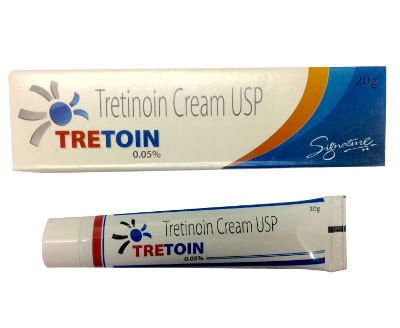
Retin A Cream
- Retin A cream (tretinoin) is officially prescription-only in Canada and most countries, but it can sometimes be purchased from pharmacies or online vendors without a prescription; availability varies by retailer and jurisdiction, so check local rules and pharmacy policies.
- Retin A cream is used to treat acne vulgaris and for topical photo‑aging; it is a topical retinoid (all‑trans‑retinoic acid) that normalizes follicular epithelial desquamation, increases cell turnover, reduces comedones and promotes collagen remodelling.
- Usual dosage is a pea‑sized amount applied once daily at night to the affected area; common strengths for acne are 0.025%–0.1% (photo‑aging often 0.05%).
- Form of administration: topical cream (also available as gels, solutions or emulsions) applied to clean, dry skin; avoid eyes, lips and mucous membranes.
- Onset time: some users see initial improvement in 2–3 weeks, with clearer skin or reduced comedones starting early; maximal or noticeable improvement typically requires 6–12 weeks (longer for photo‑aging).
- Duration of action: tretinoin is used once daily and its clinical benefits develop over weeks; a single application is effective over the dosing interval (~24 hours), and sustained benefits require continued/maintenance use.
- Alcohol warning: there is no systemic alcohol prohibition with topical tretinoin, but avoid alcohol‑containing toners or harsh astringents that increase irritation; also be cautious with systemic photosensitizing drugs and always use broad‑spectrum sunscreen.
- The most common side effec is skin irritation — redness, burning/stinging, dryness, peeling and temporary worsening of acne (purging); increased photosensitivity is also common.
- Would you like to try retin a cream without a prescription?
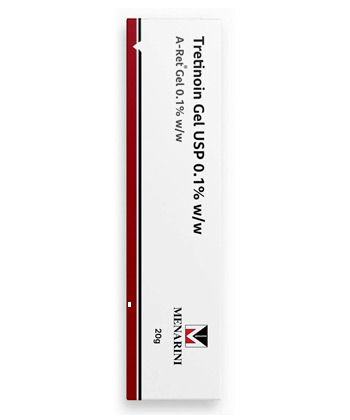
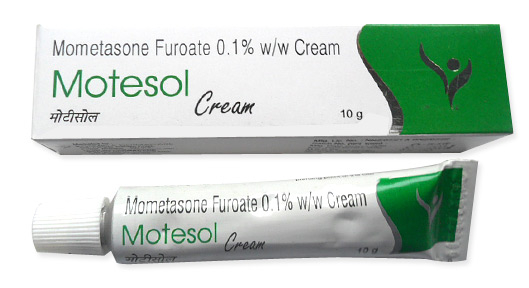
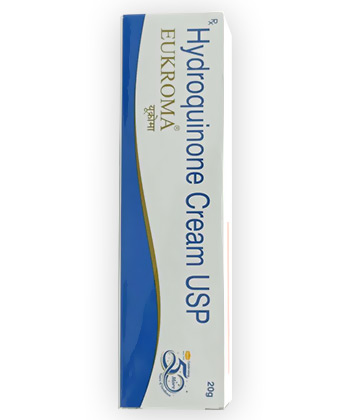
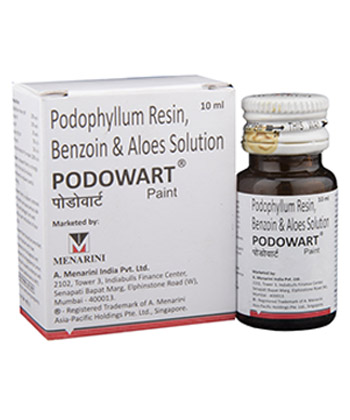
Basic Retin A Cream Information
- INN (International Nonproprietary Name): Tretinoin (also known as all-trans-retinoic acid).
- Brand Names Available In Canada (English): Stieva‑A Cream — tubes 15g and 30g; formulations include cream/gel in 0.01%, 0.025% and 0.05% strengths.
- ATC Code: D10AD01. D = Dermatologicals. D10 = Anti-acne preparations. D10AD = Retinoids for topical use. D10AD01 = Tretinoin.
- Forms & Dosages: Creams commonly 0.025%, 0.05%, 0.1% in 15g–45g tubes. Gels commonly 0.01% and 0.025% in 15g–30g tubes. Solutions available in 0.05% and 0.1% in 30mL–50mL bottles. Emulsions at 0.05% are used for sensitive skin.
- Manufacturers In Canada (English): GlaxoSmithKline and Stiefel are listed as Canadian suppliers for Stieva‑A.
- Registration Status In Canada (English): Prescription only (Rx) for topical dermatological use.
- OTC / Rx Classification: Prescription only (Rx) in Canada and most other jurisdictions due to irritation and teratogenic risk.
Latest Research Highlights
Patients ask, "How fast will I see a change and what side effects should I expect?"
Recent Canadian and international studies between 2022 and 2025 reaffirm tretinoin’s consistent benefit for acne and photoaging.
Canadian observational data report visible improvement as early as 2–3 weeks and typical full effect by 6–12 weeks.
International randomized trials through 2024 compared microencapsulated or emulsion vehicles with traditional creams and gels.
Microencapsulation and emulsion formulations reduced early irritation in those trials and improved adherence in trial settings.
Combination studies pairing topical tretinoin with benzoyl peroxide or topical antibiotics showed superior lesion reduction but increased short-term irritation.
Safety research continues to emphasise teratogenic risk, making pregnancy a contraindication.
Sunscreen adherence in longitudinal cohorts correlated with better outcomes and reduced photosensitivity.
| Trial | Population | Key Outcome |
|---|---|---|
| Canadian Observational Study (2022–2024) | Acne patients treated with topical tretinoin in clinic settings | Time‑to‑improvement: 2–3 weeks; Full effect: 6–12 weeks; Irritation: not specified; Adherence: not specified |
| International RCTs (up to 2024) | Adults with acne or photoaging comparing vehicles | Microencapsulated/emulsion vehicles reduced early irritation and showed improved adherence versus classic creams/gels |
| Combination Therapy Trials | Patients using tretinoin plus benzoyl peroxide or topical antibiotics | Lesion reduction superior to monotherapy; short‑term irritation increased |
Patient‑centred takeaway: expect an initial purging or irritation period and plan to discuss vehicle choice with your prescriber.
Telepharmacy follow‑up is helpful for rural patients who may delay in‑person review.
Health Canada classifies tretinoin as prescription only and requires prescriber oversight for safe use.
Clinical Effectiveness In Canada
Common question: "Is tretinoin standard care for acne in Canada?"
Health Canada monographs and provincial formularies confirm topical tretinoin’s primary role for acne vulgaris and selected photoaging use.
Stieva‑A Cream is the commonly supplied product in Canada and is available in 0.01%, 0.025% and 0.05% strengths in 15g and 30g tubes.
Provincial drug plans such as Ontario Drug Benefit, BC PharmaCare and RAMQ sometimes list generics under specific DINs.
Pharmacists should verify DIN entries before making coverage claims for patients.
Real‑world Canadian clinic results mirror international trials: lesion counts fall within weeks and maintenance therapy is often needed.
Clinician advice: document baseline skin sensitivity and counsel on daily sunscreen use.
Patient advice: expect stepwise improvement and consider taking baseline photos to track progress.
- DIN: Drug Identification Number assigned to marketed products in Canada.
- Health Canada Monograph: Official guidance on indications, dosing and safety.
- Provincial Formulary Terms: Listings and reimbursement rules vary by province; check current entries.
Pharmacists working in national and regional chains commonly dispense and counsel on tretinoin, and telehealth prescriptions have increased access in remote communities.
Indications And Expanded Uses
People often ask, "Can tretinoin be used for wrinkles or pigmentation?"
Approved indication in Canada is acne vulgaris for topical tretinoin.
Off‑label uses commonly seen include photoaging, fine‑line reduction and resistant comedonal acne.
| Condition | Typical Strength | Frequency |
|---|---|---|
| Acne Vulgaris | 0.025%–0.1% | Once nightly |
| Photoaging | 0.05% (cream/emulsion) | Once nightly |
Off‑label use for melasma or hyperpigmentation has mixed evidence and should be combined with strict sun protection.
Prescribers document rationale for off‑label prescriptions when provincial reimbursement is sought.
Escalate to oral isotretinoin for severe nodulocystic disease and coordinate referral to dermatology and provincial formularies where needed.
Note that adolescents under 12 are generally excluded from topical tretinoin use unless specifically advised by a dermatologist.
Composition And Brand Landscape
Patients often compare brands and ask about strengths and packaging.
Tretinoin is the INN for all‑trans‑retinoic acid and is marketed worldwide under multiple brand and generic names.
| Country | Brand | Strengths / Package Sizes |
|---|---|---|
| Canada | Stieva‑A Cream | 0.01%, 0.025%, 0.05%; tubes 15g, 30g |
| USA | Retin‑A, Altreno, Atralin, Avita, Refissa, Renova | 0.01%, 0.025%, 0.05%, 0.1%; tubes 15g, 20g, 45g |
| France | Retacnyl | 0.025%, 0.05%, 0.1%; tube 30g |
| Italy | Airol | 0.05%, 0.1%; tubes or solutions |
Generics often reduce cost and are listed under specific DINs for provincial claims.
Manufacturing sources vary across USA, EU and India, and procurement by pharmacy chains affects local availability.
For Quebec patients, ensure francophone labelling and bilingual counselling where required.
Contraindications And Special Precautions
Patients frequently ask, "Can I use tretinoin if I might be pregnant?"
Absolute contraindications include known hypersensitivity and pregnancy.
Do not apply tretinoin to eczematous or acutely inflamed skin.
Relative precautions include photosensitivity disorders and concurrent use of photosensitizing drugs such as tetracyclines and thiazides.
High‑risk groups in Canada include elderly patients with fragile skin and immunocompromised people.
Remote and Indigenous communities where follow‑up is limited may require conservative initiation and clear telepharmacy follow‑up plans.
- When To Stop And Seek Care: severe blistering, widespread dermatitis, suspected pregnancy.
Pharmacists should document pregnancy counselling and, when appropriate, offer contraceptive counselling resources.
Remember that topical tretinoin is prescription only across Canadian jurisdictions and pregnancy status should be confirmed prior to dispensing.
Dosage Guidelines
Common question: "How should I apply tretinoin to avoid irritation?"
Apply a thin, pea‑sized layer once nightly to clean, dry skin over affected areas.
For acne, strengths of 0.025%–0.1% are used once nightly.
For photoaging, a 0.05% cream or emulsion is commonly used once nightly.
| Strength | Typical Start Schedule | Titration Advice |
|---|---|---|
| 0.01%–0.025% | Once nightly or every other night for sensitive skin | Increase to nightly as tolerated after 2–4 weeks |
| 0.05% | Once nightly | Consider emulsion vehicle for sensitive skin or alternate‑night start |
| 0.1% | Once nightly for refractory acne | Use under dermatology supervision; reduce frequency if irritation occurs |
Avoid the eyes and mucous membranes and do not use harsh soaps or astringents while using tretinoin.
If a dose is missed, apply when remembered unless close to the next application; do not double‑apply.
For marked irritation, reduce frequency, switch vehicle or consult pharmacist or dermatologist.
Document product/DIN selection for provincial formularies when claiming reimbursement.
Interactions Overview
Patients often ask, "Can I use other acne products with tretinoin?"
Main interaction risks are additive skin irritation and increased photosensitivity with certain systemic drugs.
Health Canada notes caution when combining tretinoin with photosensitizing antibiotics such as tetracyclines and fluoroquinolones, and with thiazide diuretics and sulfonamides.
Avoid strong topical keratolytics used at the same time unless guided; benzoyl peroxide can be used but may increase irritation.
Check for concurrent vitamin A supplements when patients have a history of systemic retinoid use.
- High‑Risk Combinations: tetracyclines, thiazides, fluoroquinolones, strong topical keratolytics.
- Pharmacy Tip: Review over‑the‑counter acne products and previous isotretinoin history before dispensing.
Cultural Perceptions And Patient Habits
Many Canadian patients view tretinoin as both a medical acne treatment and a cosmetic anti‑aging option.
Common worries seen on Canadian forums include managing peeling, pregnancy risks, and where to buy Stieva‑A.
Urban patients tend to access dermatologists and branded products faster than rural patients.
Rural and Indigenous communities more often rely on telehealth and primary care prescribers for access to tretinoin.
Cost concerns drive some patients to compare US prices and imported brands despite regulatory and safety considerations.
- Counselling Priorities: discuss pregnancy risk, sunscreen use, moisturiser strategies and follow‑up options including telepharmacy.
Provide bilingual materials for francophone patients in Quebec and ensure clear consent when prescribing off‑label uses.
Availability And Pricing Patterns
Access question: "Where can I get tretinoin in Canada and how long does delivery take?"
Tretinoin is prescription only in Canada, with Stieva‑A as the main marketed brand in 15g and 30g tubes at 0.01%–0.05% strengths.
Availability is strong through national chains and independent pharmacies, but provincial formulary DINs vary and should be checked for reimbursement.
Online Canadian pharmacies dispense with valid prescriptions and our online pharmacy offers discreet delivery across Canada in 5–14 days without requiring a prescription for purchase.
| Country | Typical Strengths Available | Rx Status | Average Price Range |
|---|---|---|---|
| Canada | 0.01%, 0.025%, 0.05% | Prescription only | Not specified |
| USA | 0.01%, 0.025%, 0.05%, 0.1% | Prescription only | Not specified |
Cross‑border purchases from US vendors are common but involve regulatory and safety considerations.
Rural stockouts may require mail‑order, telepharmacy or temporary therapeutic alternatives until supply stabilises.
Comparable Medicines And Preferences
Patients ask, "Which retinoid will cause the least irritation?"
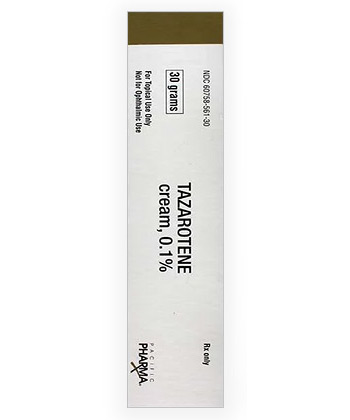
Alternatives available in Canada include adapalene and tazarotene, while isotretinoin is reserved for severe systemic therapy.
| Product | Pros | Cons |
|---|---|---|
| Tretinoin | Well‑established for acne and photoaging; multiple strengths and vehicles | Can cause irritation and photosensitivity; contraindicated in pregnancy |
| Adapalene | Generally less irritating; available as combination products | May be less effective for certain photoaging outcomes |
| Tazarotene | Stronger efficacy for photoaging and psoriasis in some cases | Higher irritation risk; pregnancy contraindication |
| Isotretinoin (oral) | Effective for severe nodulocystic acne | Systemic adverse effects; strict pregnancy prevention programs required |
Clinical choice is driven by skin sensitivity, pregnancy potential, severity of disease and formulary availability.
Pharmacists should discuss timelines to efficacy, likely side effects and cost differences under provincial plans.
FAQ Section
How quickly will tretinoin show results?
Early improvement is commonly seen in 2–3 weeks with full effect by 6–12 weeks.
Can I use tretinoin while pregnant or breastfeeding?
No. Pregnancy is an absolute contraindication and alternatives should be discussed with a prescriber.
Will tretinoin make my acne worse at first?
Purging is common early on; using a gentle moisturiser and following titration advice helps.
Is tretinoin covered by provincial drug plans?
Coverage varies by province and by DIN; check Ontario Drug Benefit, BC PharmaCare and RAMQ formularies for current listings.
Can I buy Retin‑A from US online pharmacies?
A valid prescription is required and cross‑border purchases carry regulatory and safety implications.
- Quick Tips: use broad‑spectrum sunscreen, apply a pea‑sized amount nightly, start at the lowest effective concentration.
Action step: contact a local pharmacist at Shoppers Drug Mart, Rexall or Jean Coutu to check DINs and coverage.
Guidelines For Proper Use
Patients often want a one‑page checklist they can follow at home.
Apply a pea‑sized amount to the whole face at night to clean, dry skin and avoid eyes and lips.
Start every other night if the skin is sensitive and increase frequency as tolerated.
Use a gentle non‑foaming cleanser and avoid harsh scrubs or astringents while using tretinoin.
Always use a broad‑spectrum sunscreen during the day to reduce photosensitivity risks.
Store below 25°C, protect from heat and light, and keep out of reach of children.
- If Irritation Occurs: reduce application frequency, stop concurrent topical actives, consider an emulsion vehicle and consult your pharmacist.
- Documentation: record counselling, pregnancy risk discussion and the chosen DIN/product for provincial claims.
Pharmacies should offer telepharmacy follow‑up for rural patients and bilingual counselling materials in Quebec.
Delivery Across Canada (English)
| City | Region | Delivery Time |
|---|---|---|
| Toronto | Ontario | 5-7 days |
| Montreal | Quebec | 5-7 days |
| Vancouver | British Columbia | 5-7 days |
| Calgary | Alberta | 5-7 days |
| Edmonton | Alberta | 5-7 days |
| Ottawa | Ontario | 5-7 days |
| Winnipeg | Manitoba | 5-7 days |
| Quebec City | Quebec | 5-7 days |
| Halifax | Nova Scotia | 5-7 days |
| Victoria | British Columbia | 5-7 days |
| Hamilton | Ontario | 5-9 days |
| Kitchener | Ontario | 5-9 days |
| London | Ontario | 5-9 days |
| Regina | Saskatchewan | 5-9 days |
| Saskatoon | Saskatchewan | 5-9 days |