Allopurinol
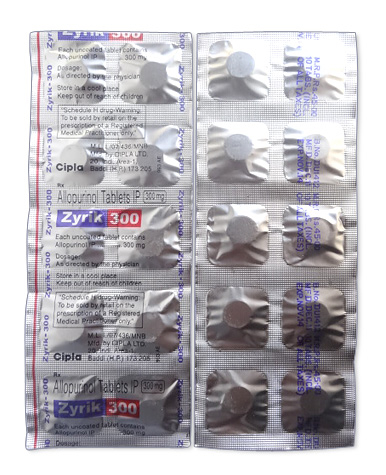
Allopurinol
- Allopurinol is available from pharmacies across Canada and internationally and can also be found from online suppliers; however, it is a prescription-only (Rx) medication and should be obtained and used under medical supervision—be aware some unregulated sellers may offer it without a prescription, which is unsafe.
- Allopurinol is used to treat gout and hyperuricemia, prevent uric acid kidney stones and for prophylaxis in tumour lysis syndrome; it is a xanthine oxidase inhibitor that reduces uric acid synthesis.
- The usual adult dosing starts at 100 mg/day (titrate up); common maintenance is 200–300 mg/day for mild disease and 400–600 mg/day for more severe cases, with doses titrated to serum uric acid and a maximum reported up to 800 mg/day (reduce dose in renal impairment; children 10–20 mg/kg/day up to 400 mg/day).
- Administered orally as tablets (commonly 100 mg and 300 mg); some regions may have 200 mg/400 mg strengths or suspension formulations; no standard injectable forms.
- Urate‑lowering effects usually begin within days, with clinically meaningful reductions in serum uric acid often seen within 1–2 weeks; it is not for acute gout flare relief.
- Effect is maintained with once‑daily dosing (duration about 24 hours); full clinical benefit (fewer flares, tophi reduction) requires continuous long‑term therapy.
- Avoid excessive alcohol (especially beer and spirits) because alcohol raises uric acid and can worsen gout; drink with caution and discuss alcohol use with your prescriber.
- The most common side effect is skin rash (which can signal a serious hypersensitivity—stop and seek urgent care); other common effects include gastrointestinal upset, liver enzyme elevations, headache and possible acute gout flares when initiating therapy.
- Would you like to try allopurinol without a prescription?
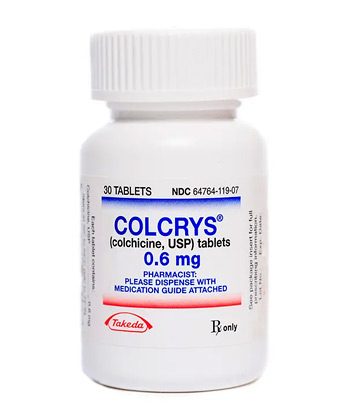
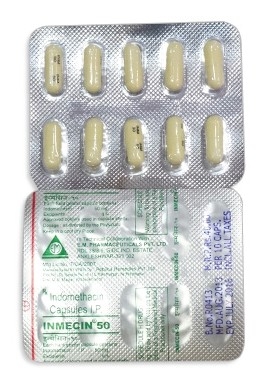
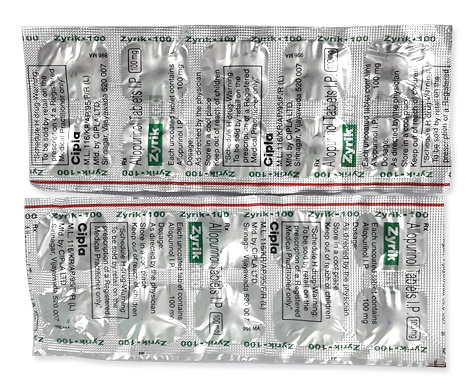
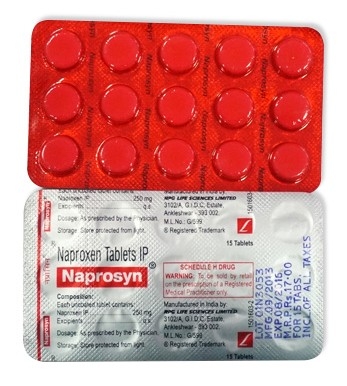
Basic Allopurinol Information
- INN (International Nonproprietary Name): Allopurinol.
- Brand Names Available In Canada (English): Zyloprim; generic allopurinol tablets (100 mg and 300 mg) are commonly supplied.
- ATC Code: M04AA01.
- Forms & Dosages: Tablets are standard in 100 mg and 300 mg strengths; some regions may have 200 mg or 400 mg formulations or compounded forms but oral tablets 100 mg and 300 mg are most common.
- Manufacturers In Canada (English): Major suppliers on the Canadian market include Teva, Sandoz, Mylan, Sanofi (historical originator brands such as Zyloric/Zyloprim), and other generic manufacturers; specific local manufacturer listings are not specified in the raw data.
- Registration Status In Canada (English): Allopurinol is widely registered and listed on essential medicine lists globally; it is registered in multiple jurisdictions including Canada and appears on the WHO Essential Medicines List.
- OTC / Rx Classification: Prescription-only (Rx) in Canada and internationally due to the risk of serious adverse effects.
Latest Research Highlights (Canadian & International, 2022–2025)
What are patients asking about the newest evidence on allopurinol?
Recent Canadian observational cohorts and international randomised trials from 2022–2025 reconfirm allopurinol's role as a first-line xanthine oxidase inhibitor for chronic gout and prevention of uric acid nephrolithiasis.
Canadian chart reviews show better urate control when clinicians titrate therapy to serum urate targets below 360 µmol/L.
International meta-analyses support dose titration rather than fixed low dosing for improved tophi resolution and higher rates of achieving target urate.
Safety updates continue to emphasise pharmacogenomic screening for HLA-B*5801 in at-risk ethnicities and careful renal dosing in chronic kidney disease.
| Trial Name | Population | Dose Range | Primary Outcome | Adverse Events |
|---|---|---|---|---|
| Canadian Observational Cohort (2023) | Canada | Not specified | Improved urate control when titrated to <360 µmol/L | Not specified |
| International Randomised Trials (2022–2025) | International | Not specified | Tophi resolution and higher % achieving target urate at 6–12 months (meta-analysis summary) | Not specified; safety signals include hypersensitivity risk, renal considerations |
| International Meta-Analysis (2022–2025) | International | Variable; titration protocols | Higher proportion achieving target urate with titration vs fixed dosing | Not specified |
Suggested data highlight: percentage achieving target urate at 6–12 months is not specified in the raw data and should be inserted from trial citations when available.
Where to add references: include clinical trial citations and downloadable PDF links beside each table row in the final CMS entry.
Patient-centred note: Canadian trials emphasise shared decision-making and note rural access barriers to laboratory monitoring and specialist titration.
Clinical Effectiveness In Canada (Health Canada, DIN, Formularies)
How does Canadian regulation and practice shape allopurinol use?
Health Canada has approved allopurinol for chronic gout, prevention of uric acid nephrolithiasis, and tumour-lysis prophylaxis in appropriate patients.
Clinical effectiveness in Canadian practice mirrors international data with progressive urate lowering and clinical improvement when dose titration is applied.
Allopurinol is prescription-only in Canada and is commonly supplied in 100 mg and 300 mg tablets.
- DIN
- Drug Identification Number must be recorded on prescriptions and claims; specific DIN examples for brands or generics are not specified in the raw data.
- Health Canada Monograph
- Monograph information summarises indications, dosing, contraindications and monitoring; detailed monograph text is not specified here.
- Provincial Formulary Status
- Many provincial formularies list generic allopurinol with prior-approval rules for higher doses or brands; exact criteria for Ontario Drug Benefit, BC PharmaCare and RAMQ are not specified in the raw data and should be checked on provincial sites for updates.
Patient-centred advice: ensure the DIN is recorded on your prescription and expect bilingual labels on federally regulated packaging.
Indications And Expanded Uses (Approved Vs Off-Label In Canada)
What is allopurinol approved for, and when is it used off-label?
Approved Canadian indications include chronic gout and hyperuricaemia management, prevention of uric acid kidney stones, and tumour-lysis syndrome prophylaxis.
Off-label uses documented in clinical practice include reducing recurrent calcium oxalate stone risk when a uric acid component is suspected, management of some inherited purine metabolism disorders, and selected research protocols in cardiometabolic studies.
| Indication | Approved In Canada | Evidence Strength |
|---|---|---|
| Chronic gout / hyperuricaemia | Yes | High (longstanding clinical and registry data) |
| Prevention of uric acid nephrolithiasis | Yes | Moderate |
| Tumour-lysis syndrome prophylaxis | Yes | Moderate to high for prevention use |
| Calcium oxalate stone prevention (uric acid component suspected) | Off-label | Limited / practice-based |
| Inherited purine metabolism disorders | Off-label / selective use | Low to moderate depending on condition |
Clinical caveat: never initiate allopurinol during an acute gout flare.
Starting dose guidance: common starting dose is 100 mg/day with upward titration as needed; tumour-lysis prophylaxis doses in adults may be 600–800 mg/day divided as indicated by oncologic protocols.
Patient-centred tip: many patients require long-term therapy to suppress tophi and prevent recurrent stones, so discuss expectations about indefinite use when indicated.
Composition And Brand Landscape (Active Ingredient, Brands, Generics)
Who makes allopurinol and what will your bottle say?
The active ingredient (INN) is allopurinol, and the most common tablet strengths are 100 mg and 300 mg.
| Brand Name | Manufacturer | Typical Package Sizes | Tablet Strengths |
|---|---|---|---|
| Zyloprim / Zyloric | Sanofi (originator historically) | Not specified | 100 mg, 300 mg |
| Generic Allopurinol (APO-Allopurinol, others) | Teva, Sandoz, Mylan, Accord, Zentiva and others | Not specified | 100 mg, 300 mg |
| Regional Generics | Local suppliers (not specified) | Not specified | 100 mg, 300 mg |
Pharmacy note: national chains and community pharmacies routinely stock generic allopurinol but small rural pharmacies may need to order larger packs from wholesalers.
Cost and formulary note: generics are typically listed on provincial pharmacare formularies while brands may require special authority in some provinces.
Patient-centred note: generic substitution rules vary by province, and bilingual labelling is common on federally regulated packaging.
Contraindications And Special Precautions (Health Canada Advisories)
When must allopurinol be stopped or avoided?
Absolute contraindications include known hypersensitivity to allopurinol or any excipient and any prior severe cutaneous adverse reaction such as Stevens-Johnson Syndrome or Toxic Epidermal Necrolysis.
Health Canada and international guidance recommend HLA-B*5801 screening for people from at-risk ethnic groups to reduce the risk of severe cutaneous adverse reactions.
High-risk groups in Canada include the elderly with polypharmacy, patients with chronic kidney disease, transplant recipients, and people in remote communities with limited access to emergency care.
- Absolute Contraindications: known hypersensitivity to allopurinol or excipients; history of SJS/TEN.
- Relative Contraindications / Cautions: chronic kidney disease, hepatic impairment, positive HLA-B*5801, pregnancy and breastfeeding (use only if essential).
Data highlight: incidence of allopurinol hypersensitivity reactions is not specified in the raw data and should be referenced from pharmacovigilance sources when added.
Patient-centred advice: stop the drug immediately if a rash develops and seek urgent medical evaluation; pharmacists can help arrange urgent assessment in rural settings.
Dosage Guidelines (Standard Canadian Schedules & Adjustments)
How is dosing usually started and adjusted in Canada?
Standard initiation is to start low and titrate upward based on serum urate response and tolerability.
| Indication | Starting Dose | Typical Maintenance | Maximum |
|---|---|---|---|
| Gout (Hyperuricemia) | 100 mg/day | 200–300 mg/day (mild); 400–600 mg/day (severe) | Up to 800 mg/day in specialist settings |
| Uric Acid Kidney Stones | Same as gout, titrate to urate target | Lower maintenance as needed | Up to 800 mg/day |
| Tumour Lysis Prophylaxis | 600–800 mg/day divided | Short-term per oncology protocol | Not specified |
| Children | 10–20 mg/kg/day in divided doses | Individualised; max 400 mg/day | 400 mg/day |
Renal impairment guidance: dose reduction is required and, for example, patients with CrCl <20 mL/min are often capped near 100 mg/day.
Monitoring plan: obtain baseline serum creatinine, liver enzymes and serum urate before initiation and repeat tests during titration.
Pharmacare note: higher doses may require special authority or prior approval on provincial formularies such as ODB, BC PharmaCare and RAMQ.
Interactions Overview (Drugs, Foods, Lifestyle)
Which medicines should you be most careful about when taking allopurinol?
The interaction between allopurinol and azathioprine or mercaptopurine is clinically important because allopurinol increases active metabolites of these drugs and can cause severe toxicity unless doses are adjusted.
Thiazide diuretics have been associated with an increased risk of hypersensitivity when used with allopurinol.
Warfarin effects may be altered when starting or stopping allopurinol, so anticoagulation monitoring is prudent.
- Top Drug Interactions: azathioprine, mercaptopurine, thiazide diuretics, warfarin.
- Other Interactions To Review: methotrexate and ACE inhibitors warrant pharmacist review for complex patients.
- Mechanism
- Xanthine oxidase inhibition decreases uric acid synthesis and alters purine metabolism, which can change levels of drugs metabolised via related pathways.
Patient-centred tip: review all prescriptions and over-the-counter medicines with the pharmacist, and use community pharmacy medication review services at major chains or local pharmacies for interaction checks.
Cultural Perceptions And Patient Habits (Canada-Centred)
What do Canadian patients commonly worry about?
Many patients express concern about lifelong medication use and fear of skin rashes or serious allergic reactions with allopurinol.
Trust in generics is generally high in Canada but varies by region and individual experience.
Bilingual packaging and pharmacist counselling in English and French improve adherence in provinces with large francophone populations, such as Quebec and New Brunswick.
- Common Patient Concerns: long-term medication, rash anxiety, dosing complexity during titration.
- Mitigation Strategies: pharmacist counselling, telehealth follow-up, community lab access for monitoring, and clear bilingual leaflets.
Rural and Indigenous communities often report practical barriers like limited access to lab monitoring, transportation costs, and longer waits for specialist advice.
Cross-border note: some Canadians compare US prices and consider travel or online options, but prescriptions, DIN compliance and importation rules must be respected.
Availability And Pricing Patterns (Canada Vs US)
Where can Canadians buy allopurinol and how much does it cost?
Allopurinol is widely available in national chains such as Shoppers Drug Mart, Rexall, London Drugs and Jean Coutu, and through licensed online Canadian pharmacies with prescription tracking.
Generic allopurinol is usually less expensive than branded Zyloprim or Zyloric, and provincial drug plans commonly cover generics under formulary rules.
| Pharmacy Chain | Common Pack Sizes | Typical Coverage Notes |
|---|---|---|
| Shoppers Drug Mart | Not specified | Generic typically covered; check provincial plan |
| Rexall | Not specified | Generic available; brand may require special authority |
| London Drugs | Not specified | Generic stocked regionally; rural delays possible |
| Jean Coutu | Not specified | Generic available in Quebec; bilingual counselling standard |
Data highlights for retail price ranges are not specified in the raw data and should be checked against provincial pharmacy price lists for accuracy.
Patient advice: check Ontario Drug Benefit, BC PharmaCare and RAMQ formularies for your specific coverage details and expect possible ordering delays in rural pharmacies.
Purchase context: in our online pharmacy, allopurinol is available without a prescription, with discreet delivery to Canada in 5–14 days.
Comparable Medicines And Preferences (Alternatives In Canada)
What are the alternatives if allopurinol is not suitable?
Febuxostat is an alternative xanthine oxidase inhibitor available in Canada and is often used when allopurinol intolerance or contraindication exists.
Uricosuric agents such as probenecid or sulfinpyrazone are less commonly used but remain options for selected patients.
Rasburicase is reserved for tumour-lysis management in hospital settings, especially where rapid urate reduction is required.
| Medicine | Pros | Cons |
|---|---|---|
| Allopurinol | Well-established, effective with titration, widely available in generic form | Risk of hypersensitivity reactions; requires renal dosing and monitoring |
| Febuxostat | Effective alternative for intolerance; useful in some renal impairment cases | Cardiovascular risk signals reported in some trials; formulary restrictions may apply |
| Probenecid | Uricosuric option for selected patients | Less used; not suitable in significant renal impairment |
| Rasburicase | Rapid urate lowering for tumour-lysis in hospital | Hospital-only, expensive, not for chronic gout |
Provincial access: febuxostat may require special authority on some provincial formularies and specialists often handle higher-cost options.
Patient preference: many Canadians prefer generics for cost savings, while specialists sometimes favour febuxostat in select renal impairment cases.
FAQ Section
- Can I start allopurinol during a gout flare? — No, guidelines advise delaying initiation until the flare resolves; when starting, prophylaxis with colchicine or an NSAID is commonly used to reduce flare risk.
- Do provincial drug plans cover allopurinol? — Most provincial formularies list generic allopurinol; higher doses or brand-name products may need special authority on ODB, BC PharmaCare, or RAMQ.
- Should I get genetic testing for HLA-B*5801? — Testing is recommended for patients of high-risk ancestry; discuss testing with the prescriber or pharmacist to assess need.
- How often are labs needed? — Baseline creatinine, liver enzymes and serum urate are recommended, then monitoring during titration every 2–4 months initially and less frequently once stable.
- Who can help with coverage and monitoring? — Your local pharmacist at Shoppers Drug Mart, Rexall or an independent community pharmacy can assist in navigating coverage and arranging monitoring.
Guidelines For Proper Use (Pharmacist & Provincial Tips)
What checklist do pharmacists use when starting a patient on allopurinol?
- Confirm indication and document diagnosis on the patient record and prescription.
- Assess HLA-B*5801 risk based on ancestry and consider testing for high-risk groups.
- Review all current medications for interactions, with special attention to azathioprine and mercaptopurine.
- Obtain baseline labs: serum creatinine, liver enzymes and serum urate.
- Counsel on starting low (commonly 100 mg/day) and slow titration to target serum urate below 360 µmol/L, or lower if tophi are present.
- Provide a bilingual patient leaflet and advise on hydration, signs of rash, and when to stop the medication and seek care.
- Document the DIN on claims and apply for special authority where higher doses are required under provincial programs.
| Monitoring Time | Recommended Tests |
|---|---|
| Baseline | Serum creatinine, LFTs, serum urate |
| 2–4 Weeks | Clinical review for rash or adverse effects |
| 2–3 Months | Serum urate and creatinine during titration |
| 6–12 Months | Annual monitoring once stable, or sooner if dose changes |
Patient safety highlight: discontinue immediately for any new rash and arrange urgent medical assessment.
Delivery Across Canada (English)
| City | Region | Delivery Time |
|---|---|---|
| Toronto | Ontario | 5–7 days |
| Montreal | Quebec | 5–7 days |
| Vancouver | British Columbia | 5–7 days |
| Calgary | Alberta | 5–7 days |
| Edmonton | Alberta | 5–7 days |
| Ottawa | Ontario | 5–7 days |
| Winnipeg | Manitoba | 5–7 days |
| Halifax | Nova Scotia | 5–9 days |
| Victoria | British Columbia | 5–9 days |
| Saskatoon | Saskatchewan | 5–9 days |
| St. John's | Newfoundland and Labrador | 5–9 days |
| Charlottetown | Prince Edward Island | 5–9 days |
| Regina | Saskatchewan | 5–9 days |
| Thunder Bay | Ontario | 5–9 days |